
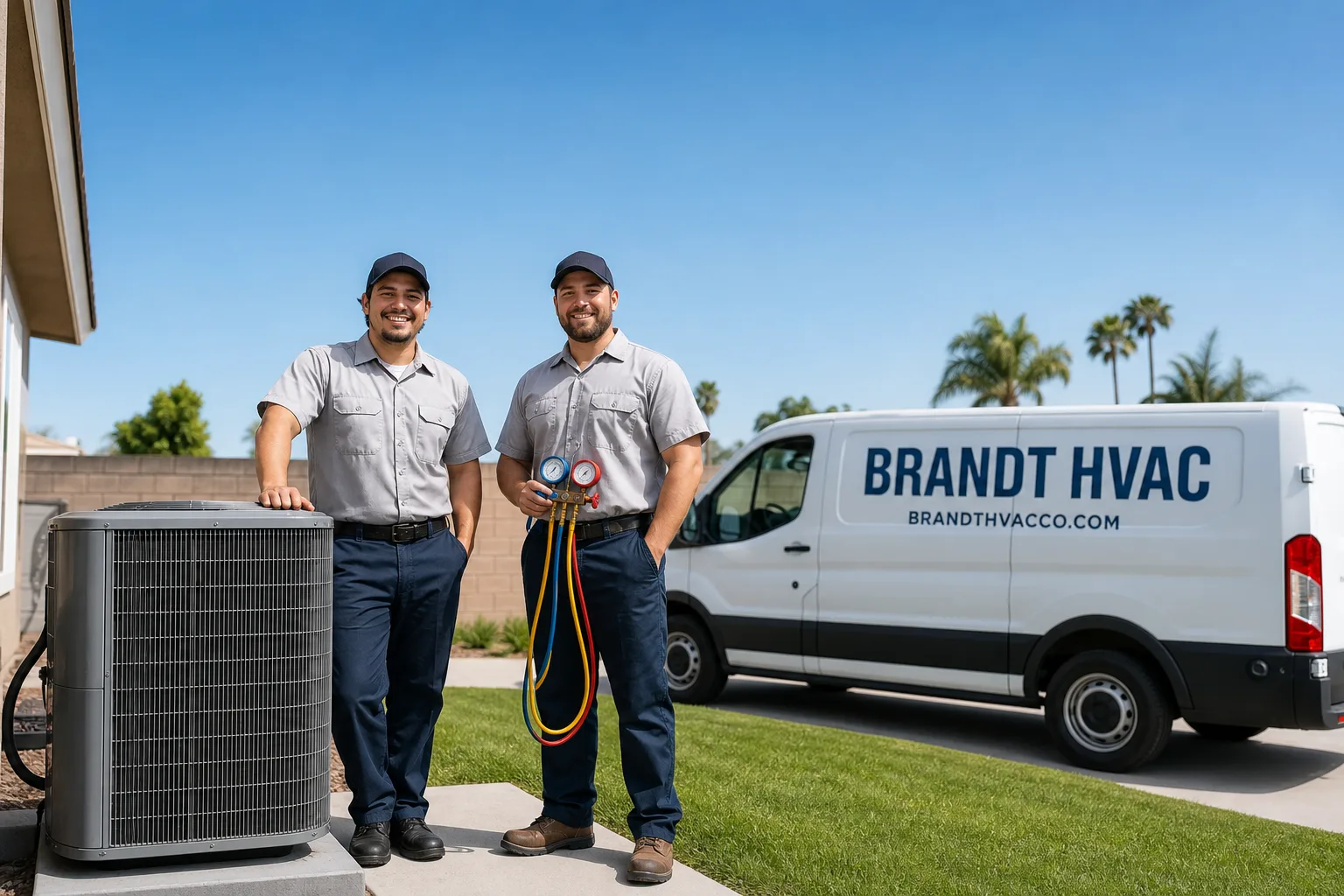
Seasonal tune-up and full diagnostic on your Carrier, Trane, or Goodman system - readings shown to you before any repair is proposed
Diagnosis first, numbers second - you approve the repair price before a single part goes in.
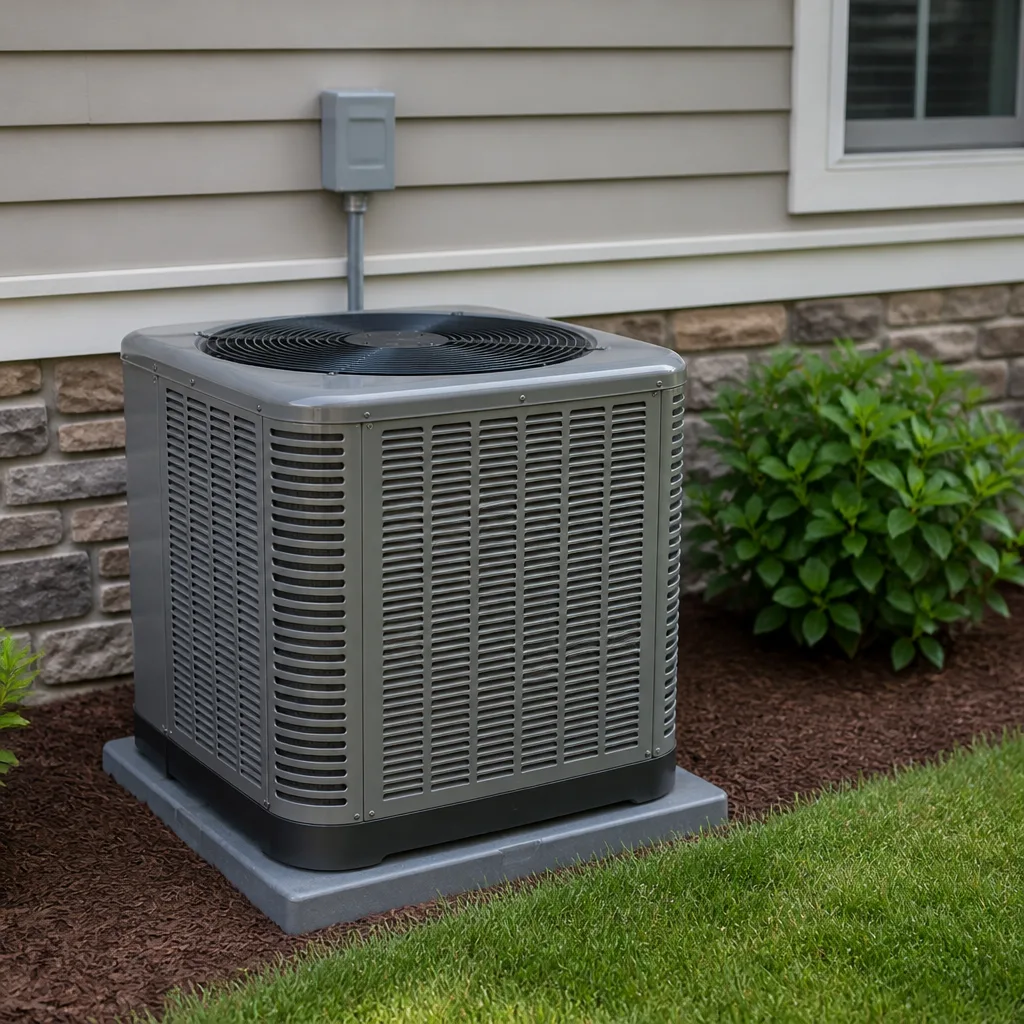
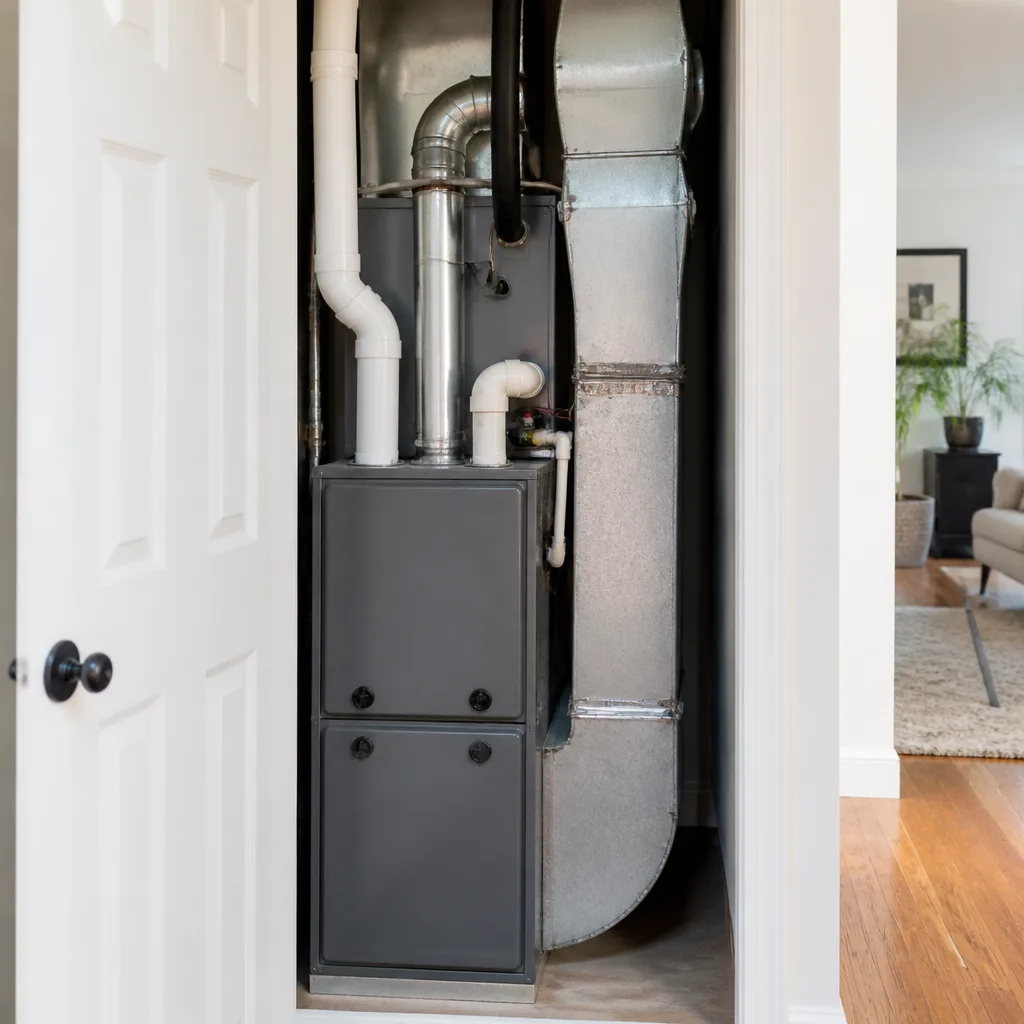
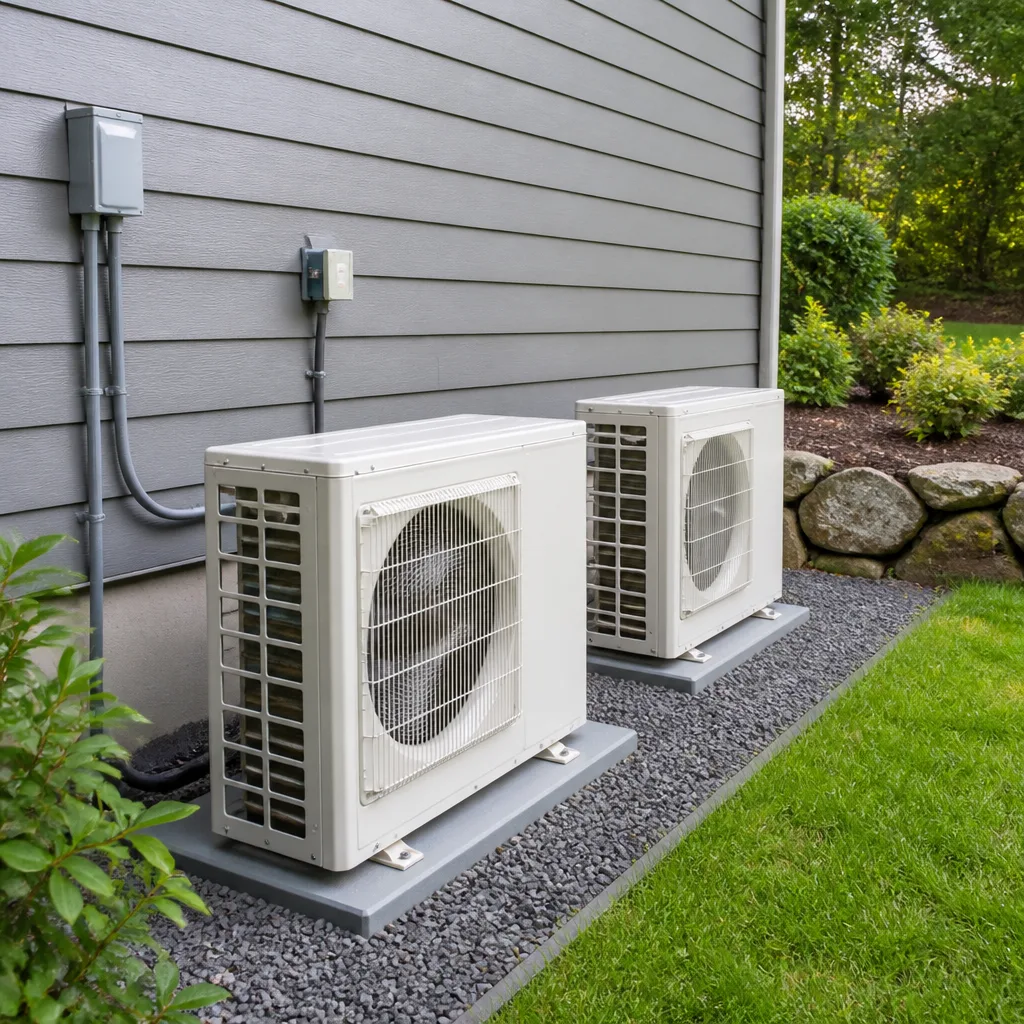
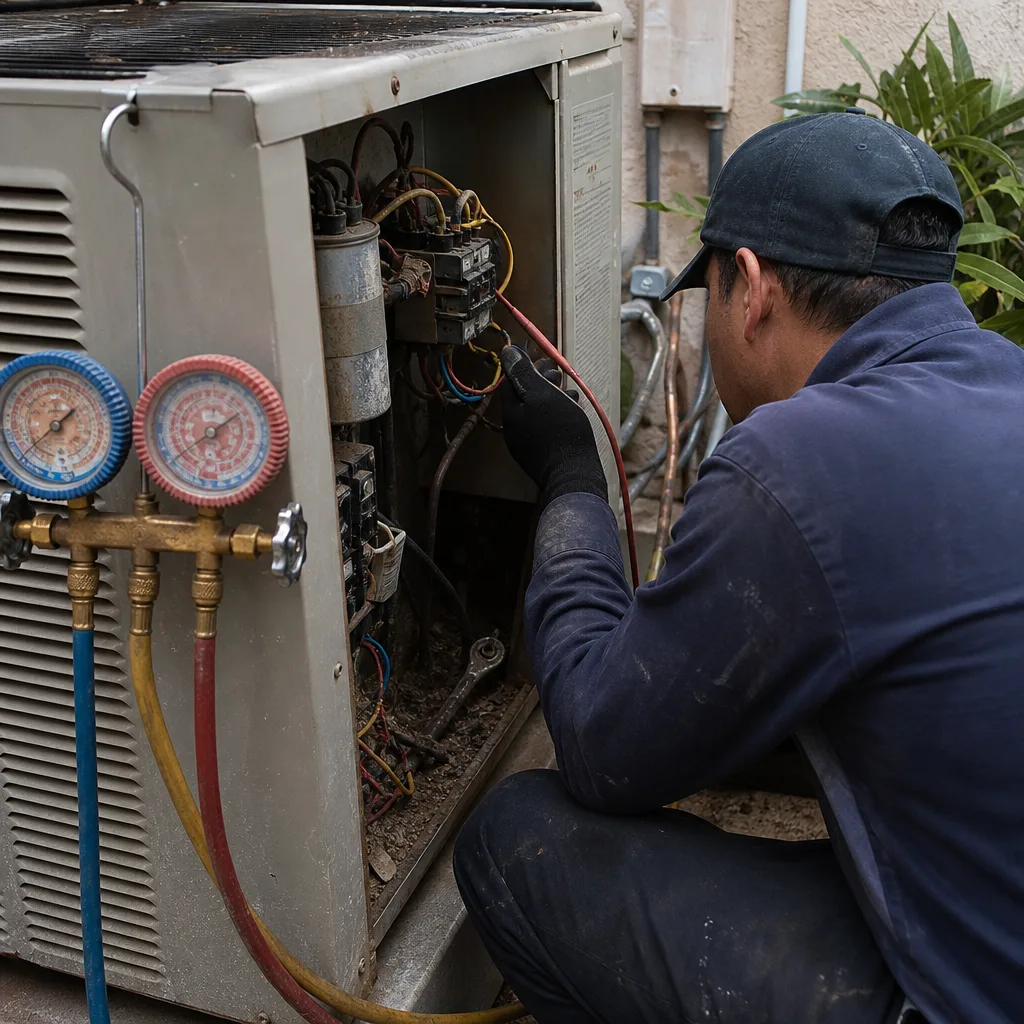 Before
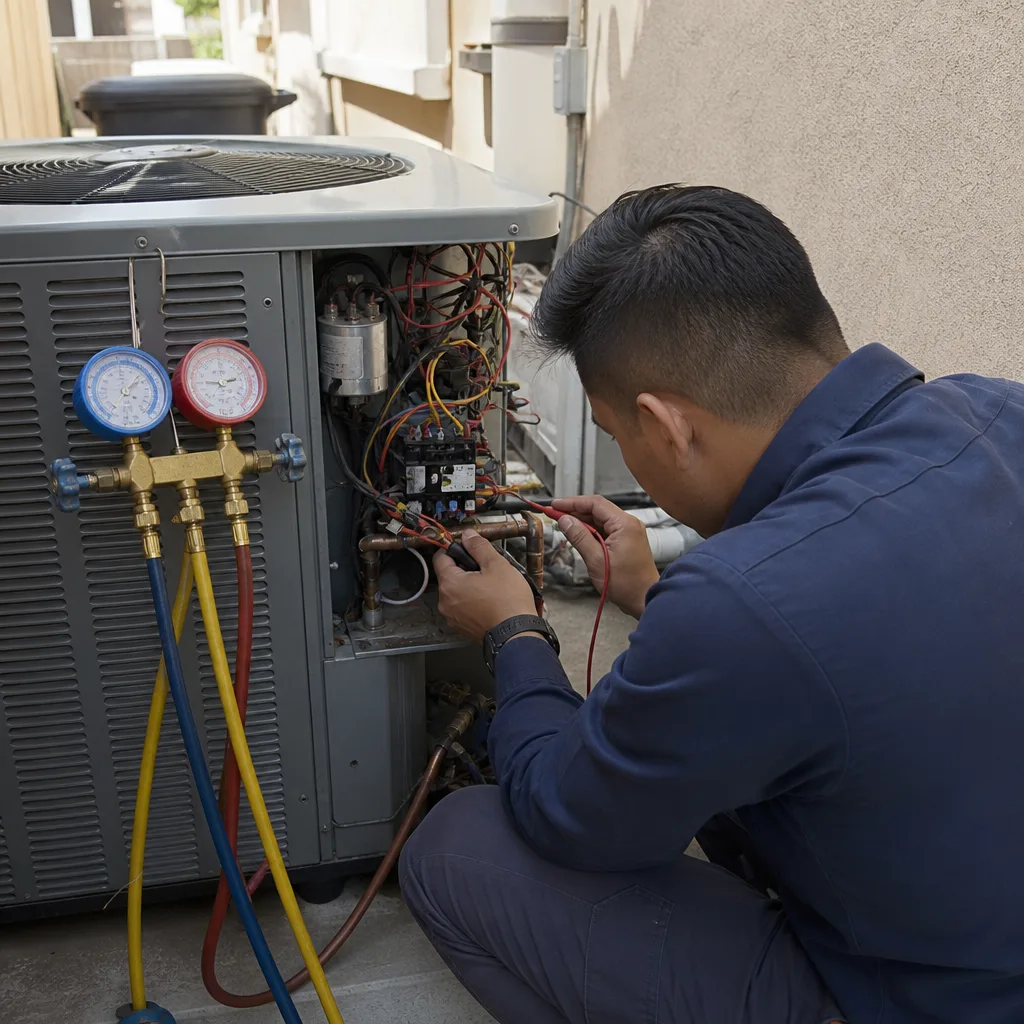 After
After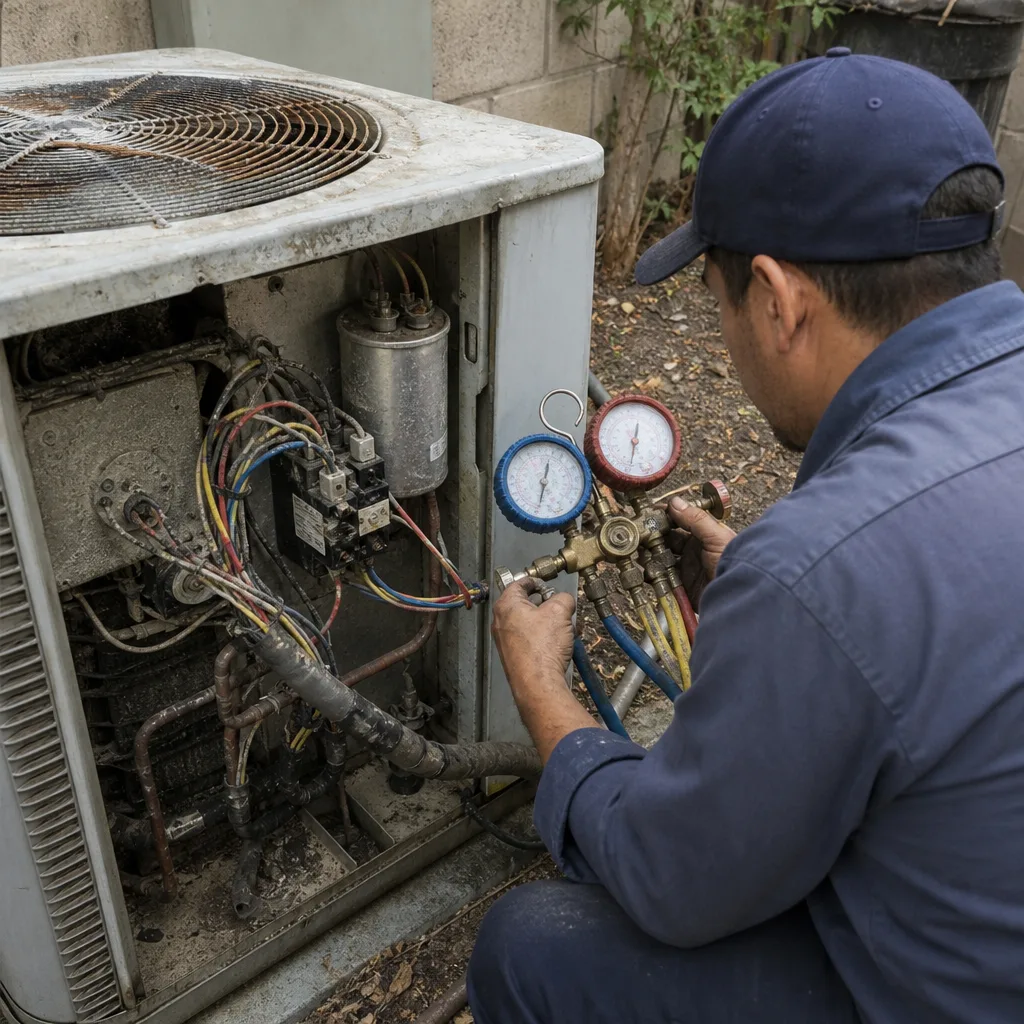 Before
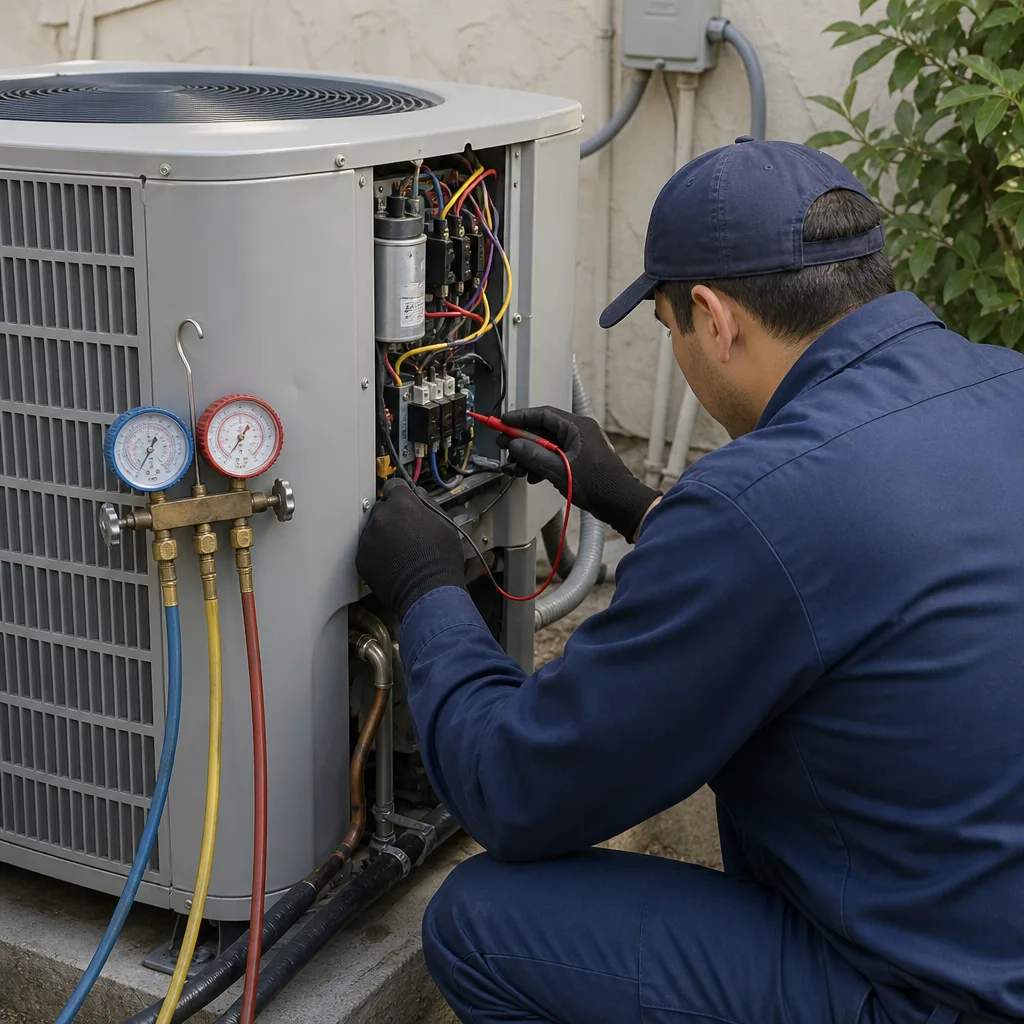 After
After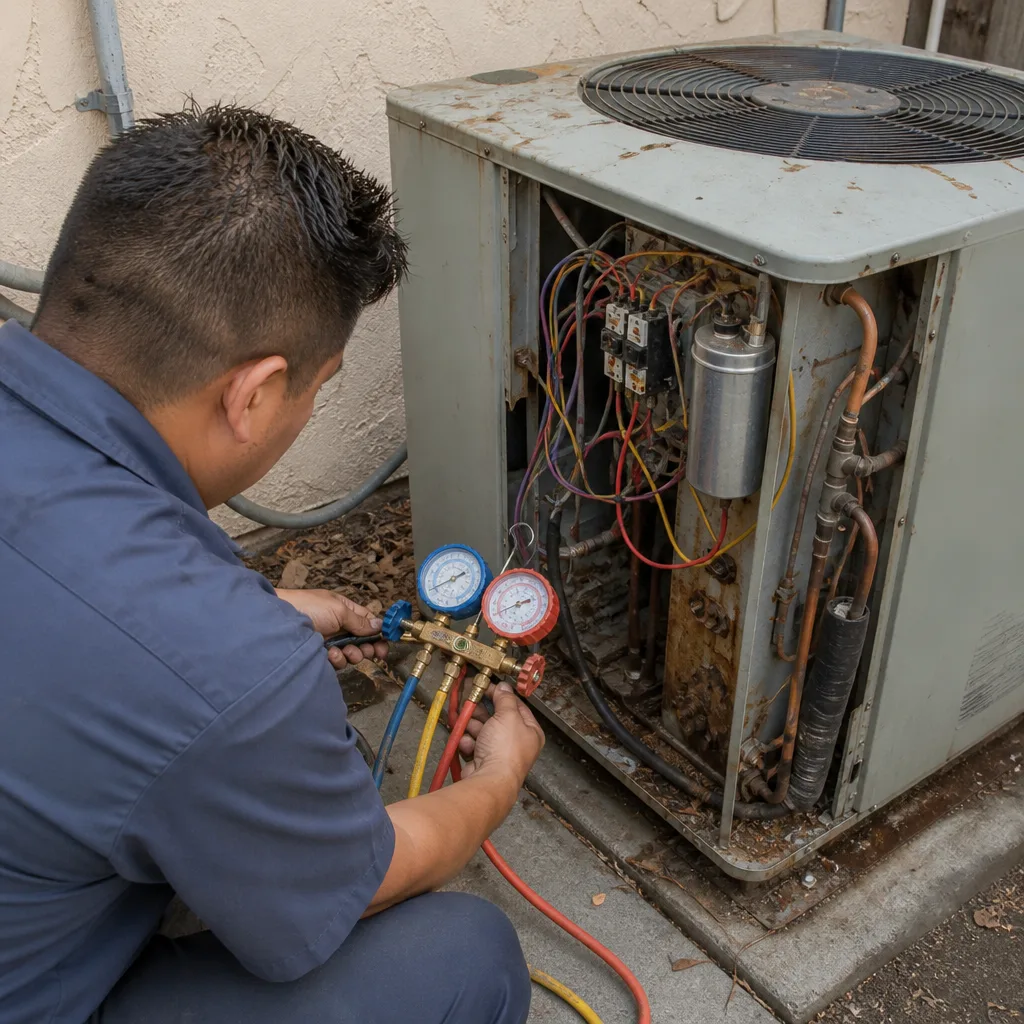 Before
 After
AfterHVAC Company in Manhattan, NY
Most Manhattan HVAC work centers on steam heat systems, not forced-air ductwork, because the borough’s pre-war buildings run on century-old one-pipe steam radiators with no ducts and no unit thermostats. We handle everything from steam trap replacement and pressure balancing to PTAC repairs and ductless mini-split installations that work around co-op board requirements. Our dispatch team operates from our New York City office, and our crews serve Manhattan neighborhoods directly. Call us at (984) 538-9003 when you need a technician who understands cast-iron steam infrastructure and the Con Ed district steam network that feeds 1,800 Midtown buildings.
Why Manhattan Homes Are Different
Manhattan’s housing stock is overwhelmingly pre-war, built between the 1890s and 1940s with one-pipe steam heat and zero ductwork. That single fact changes nearly every HVAC conversation. You cannot simply “add central air” to a 1920s co-op on the Upper West Side; the structural and electrical realities make it prohibitive. Instead, residents rely on window units, through-wall PTACs, and ductless mini-splits, each with its own installation constraints.
The urban heat island effect here is real. Midtown’s canyon-like streetscapes trap heat, pushing summer cooling loads well above what Queens or Westchester sees. When a heat wave hits and thousands of window AC units draw power simultaneously, aging electrical infrastructure strains, and we see surge-related compressor failures spike.
Winters bring their own pressure. Average January lows hover in the upper 20s°F, and polar vortex events can send temperatures plunging. Steam heat failures in dense pre-war corridors create urgent, high-volume calls because there’s no backup heating method in most of these buildings.
Then there’s the regulatory layer. Pre-war co-op and condo buildings, extraordinarily concentrated in Manhattan, require written board approval for even a PTAC replacement. Landmark buildings need NYC Landmarks Preservation Commission sign-off before any exterior sleeve or penetration. We factor board meeting cycles and LPC review timelines into every project estimate, something that simply doesn’t exist in neighboring markets.
Post-war high-rises from the 1950s through 1970s typically use two-pipe systems or fan-coil units tied to a central building plant. Repairing a unit in these buildings means coordinating with the super and management company, not just the apartment owner. The skill set shifts from residential HVAC to building systems navigation.
Our Main Manhattan Services
Manhattan homeowners call us most often for emergency repairs in steam-heated buildings and cooling workarounds where ductwork doesn’t exist. Each service below has its own dedicated Manhattan page with deeper detail.
AC Repair in Manhattan
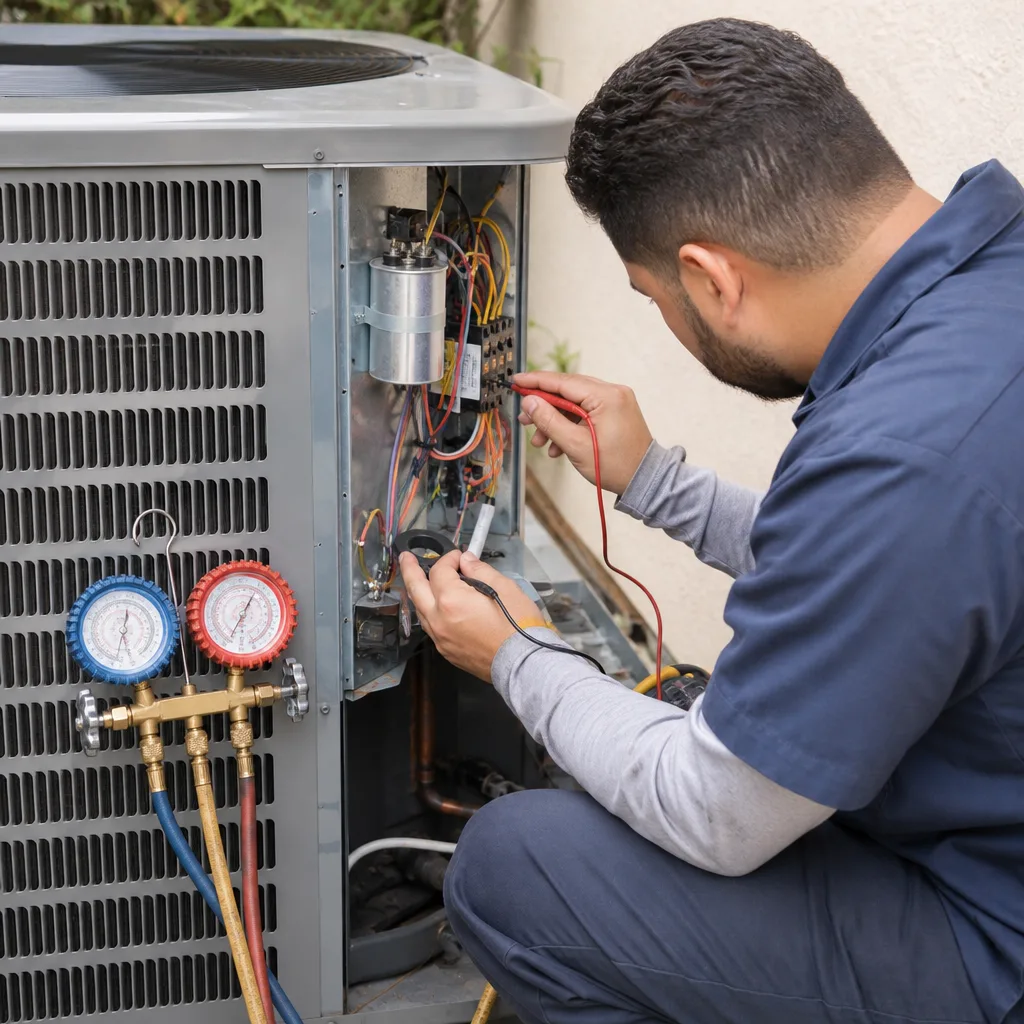
AC repair in Manhattan almost never means a standard central-air service call. We repair window units that have been wedged into cast-iron window frames for fifteen summers, PTACs with corroded condensate pans dripping into the apartment below, and mini-split compressors mounted on parapet walls with restricted airflow from neighboring construction. The urban heat island pushes equipment harder here, and we’ve learned to check electrical capacity before condemning a compressor, because the real problem is often an overloaded 60-amp panel shared with three other units. AC Repair in Manhattan
Furnace Repair in Manhattan
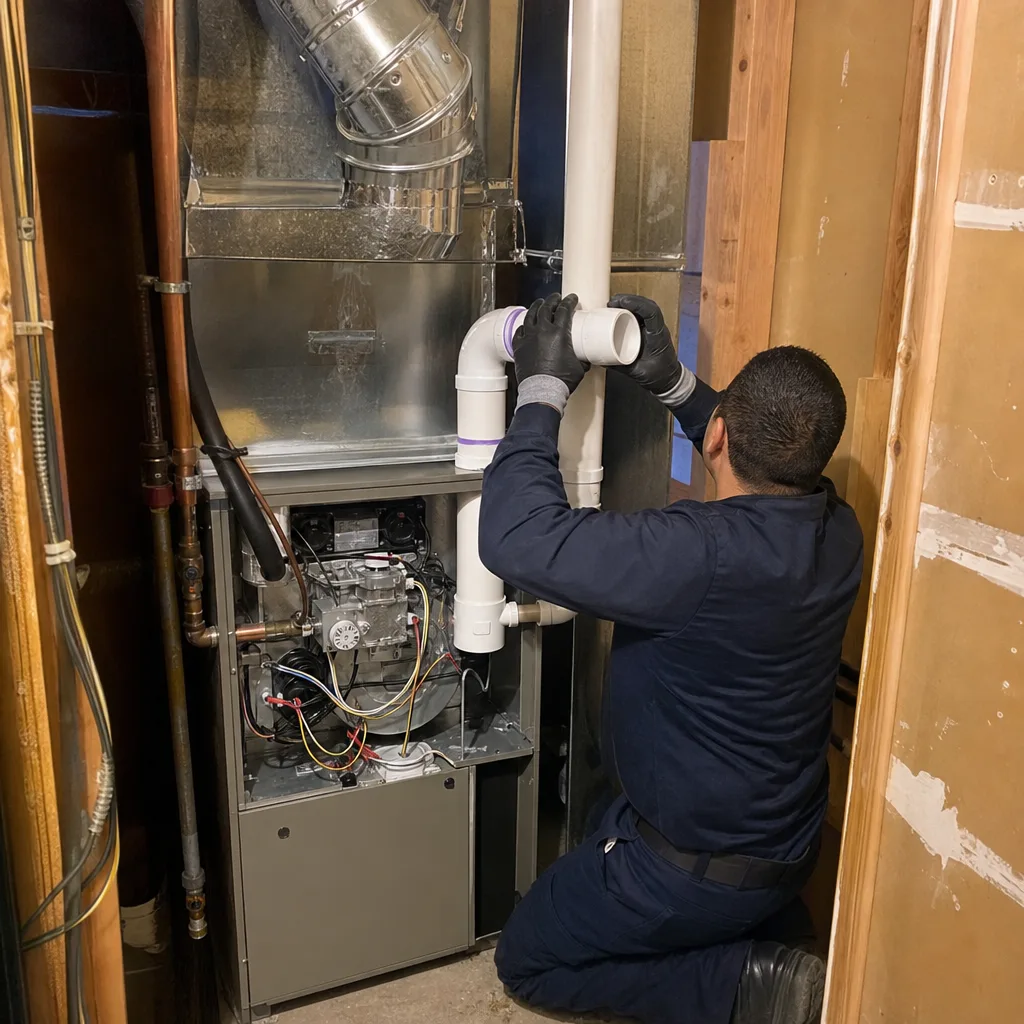
When Manhattan residents say “furnace,” they usually mean a steam boiler or a building-level heating plant, not a forced-air furnace in a basement. We repair one-pipe steam systems with failed traps that leave radiators cold at the top, pressuretrols set wrong after a super’s adjustment, and zone valves that haven’t moved since the Reagan administration. In buildings tied to Con Ed’s district steam network, we interface with their supply lines and internal pressure-reducing stations. The work requires steam credentials that most suburban HVAC contractors simply don’t carry. Furnace Repair in Manhattan
AC Maintenance in Manhattan
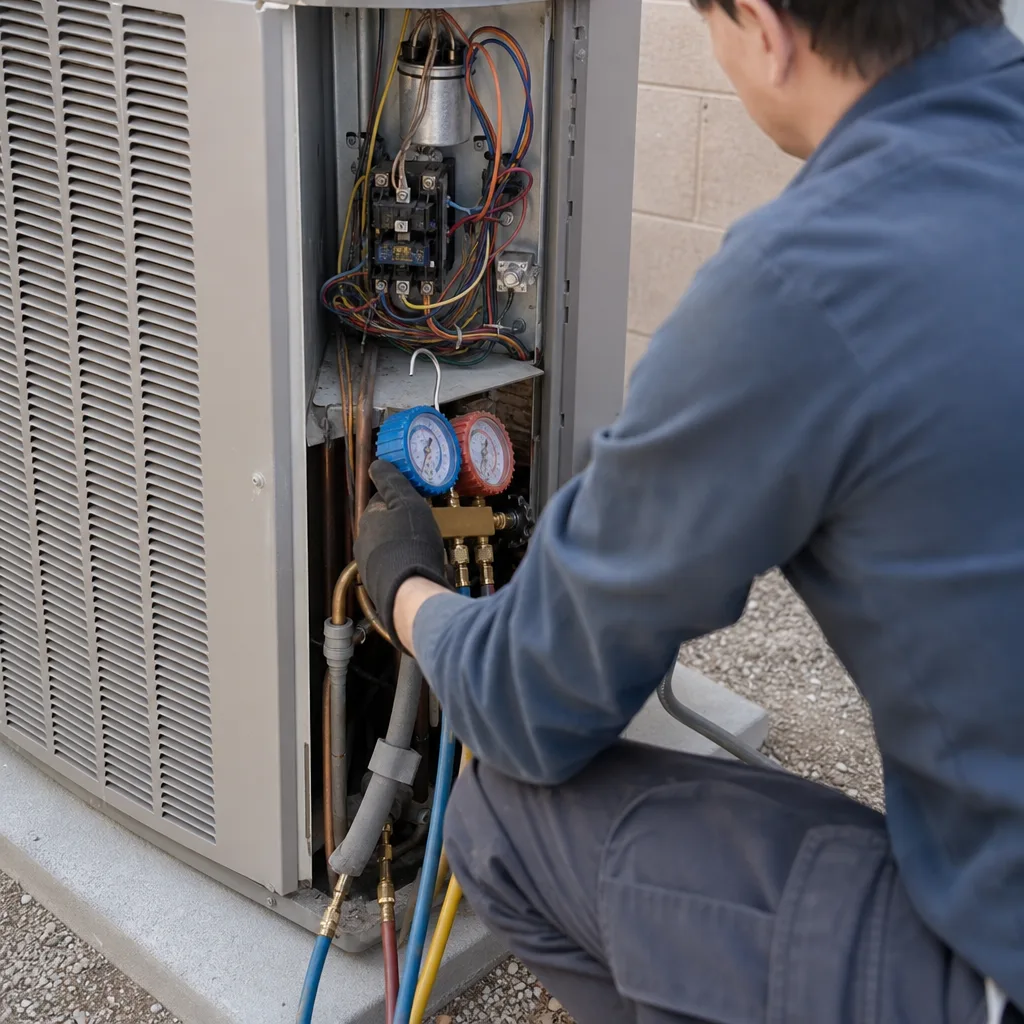
AC maintenance in Manhattan means keeping window units and PTACs alive through summers that would kill the same equipment in a suburban setting. We clean condenser coils choked with construction dust, clear condensate drains that back up into parquet floors, and check refrigerant charge on mini-splits with long line sets running through masonry walls. Our maintenance visits include a written report of what we found, what we did, and what to watch for before the next heat wave. Technicians are not paid on what they sell, so the recommendations you get are the ones we’d make to our own building. AC Maintenance in Manhattan
What happens when you call
- 1
A real person answersNo phone trees - you reach a local pro.
- 2
You get an upfront price rangeHonest numbers before anyone is dispatched.
- 3
A background-checked tech heads outLicensed & insured, dispatched right away.
- 4
You approve before work beginsNothing starts until you say go.
Brands We Service in Manhattan
We service all major residential HVAC brands including Rheem, York, Daikin, Bryant, Carrier, Trane, Lennox, Goodman, and American Standard. Our Manhattan crews carry common control boards, capacitors, and steam traps on their vans, which keeps most repairs to a single visit. See our brands for the full list and parts availability.
Pricing for HVAC Company in Manhattan, NY
| Service | Typical range in Manhattan |
|---|---|
| AC Repair – standard diagnostic and minor repair | $150 – $350 |
| AC Repair – compressor or major component | $350 – $650 |
| Furnace Repair – igniter, thermocouple, or control | $150 – $300 |
| Furnace Repair – steam trap replacement (per trap) | $200 – $400 |
| Furnace Repair – boiler section or major valve | $400 – $700 |
| AC Installation – ductless mini-split (single zone) | $3,500 – $5,500 |
| AC Installation – multi-zone or complex install | $5,500 – $7,500 |
| Tune-Up – seasonal maintenance visit | $80 – $150 |
| Tune-Up – multi-system or steam system check | $150 – $200 |
Manhattan prices run higher than national averages for two reasons: parking and access time for our vans, and the complexity of working within pre-war buildings with limited electrical capacity and co-op board requirements. Every job begins with a written price before any work starts, no exceptions. You’ll see the full cost, sign off, and only then do we begin.
Neighborhoods We Serve in Manhattan
Our crews work across Manhattan’s full length, from Inwood’s pre-war apartment houses to the Financial District’s converted office buildings. Response times average under two hours for urgent calls during normal dispatch hours, though co-op building access can add time if the super isn’t immediately available.
- Upper West Side
- Upper East Side
- Midtown (including buildings on Con Ed district steam)
- Greenwich Village and West Village
- Lower East Side and East Village
Service Area – Cities Near Manhattan
We also serve homeowners in Brooklyn, OH, Staten Island, NY, Bronx, NY, and Mount Vernon, NY. Each location has its own crew and dispatch, though our New York City office coordinates scheduling across the metro area.
Serving Manhattan, NY - Our Local Coverage Area
We’re based in the Manhattan area and know this community well. Use the map below to see our service coverage - if you’re nearby, we can almost certainly help.
FAQs About HVAC Company in Manhattan
We typically dispatch within two hours for urgent calls, though actual arrival depends on traffic, parking, and building access. Calls are answered by a live person 24/7, never voicemail. Call (984) 538-9003 and we’ll give you a real ETA based on crew location.
Almost always yes for anything beyond a filter change. PTAC replacements, mini-split installations, and any exterior penetration require written co-op board approval, and landmarked buildings need LPC sign-off too. We build board meeting cycles and review timelines into our estimates, so you’re not surprised by delays.
One-pipe steam was the standard heating technology when most Manhattan housing was built between 1890 and 1940. Cast-iron radiators and steam pipes don’t require ductwork, which didn’t exist in residential construction then. These systems can last a century but need specialized knowledge to balance and repair, something our technicians train specifically for.
What happens when you call
- 1A real person answersNo phone trees - talk to a local hvac pro.
- 2You get an upfront price rangeHonest numbers before anyone is dispatched. No surprises.
- 3We come out and measureLicensed & insured, at a time that suits you - the visit and the quote are both free.
- 4You get the price in writingLine-itemed, yours to keep, and nothing starts until you say go.
What Manhattan Customers Say
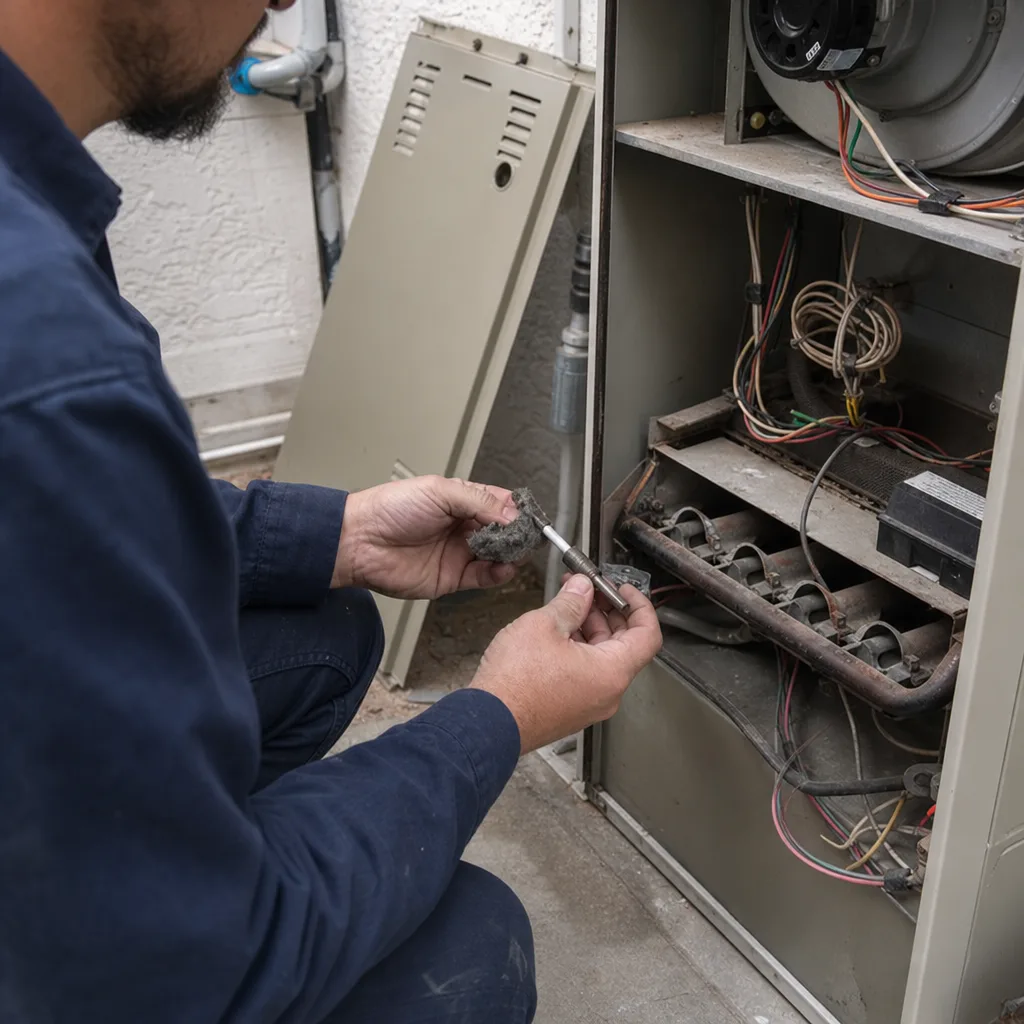
"Furnace short cycled all winter. He found a dirty flame sensor and cleaned it. Twenty minutes and a small bill."
- George Q."Knowing a vetted tech was coming into my house made a difference. Name and photo texted ahead, shoe covers, polite, and thorough with explaining."
- Tina M."Drain line was clogging and causing a leak by the air handler. They cleared it and installed a float switch so it can't flood again."
- Nora T.