
Seasonal tune-up and full diagnostic on your Carrier, Trane, or Goodman system - readings shown to you before any repair is proposed
Diagnosis first, numbers second - you approve the repair price before a single part goes in.
 Before
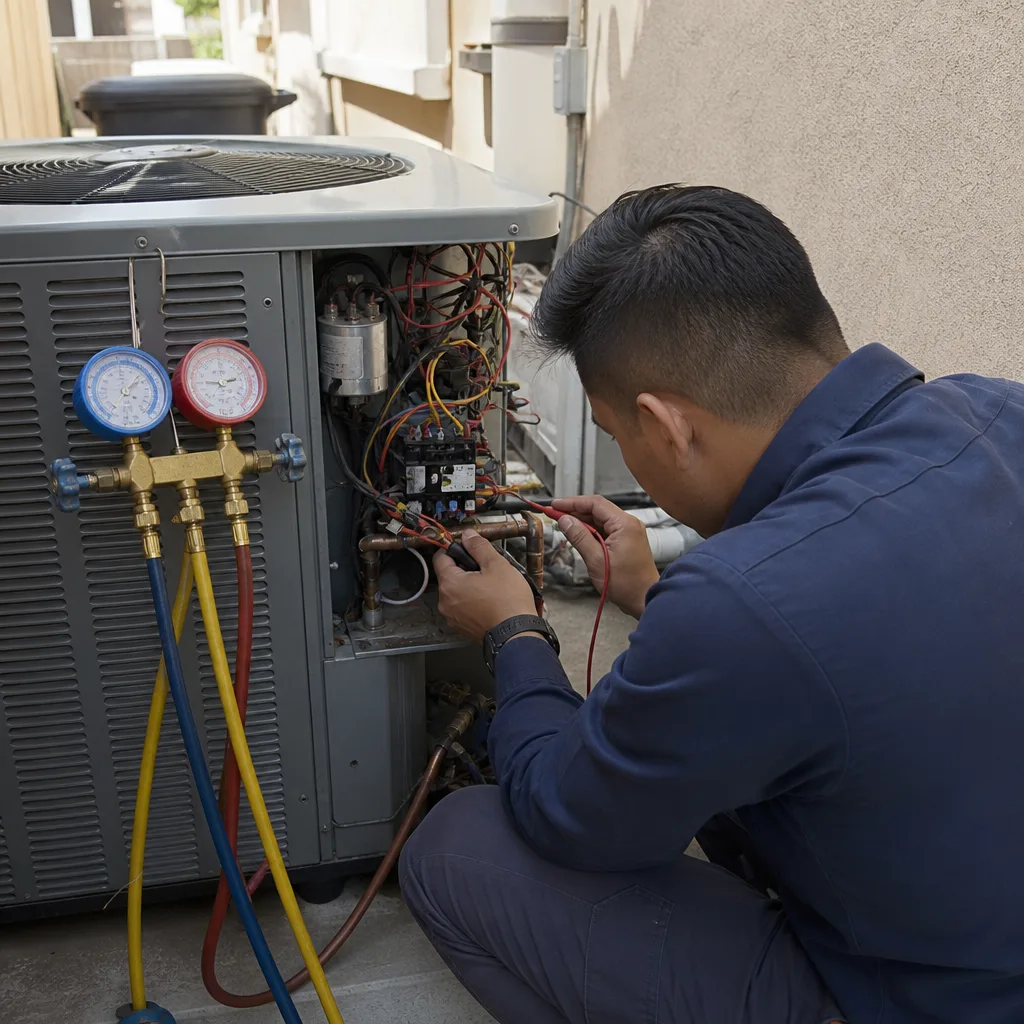 After
After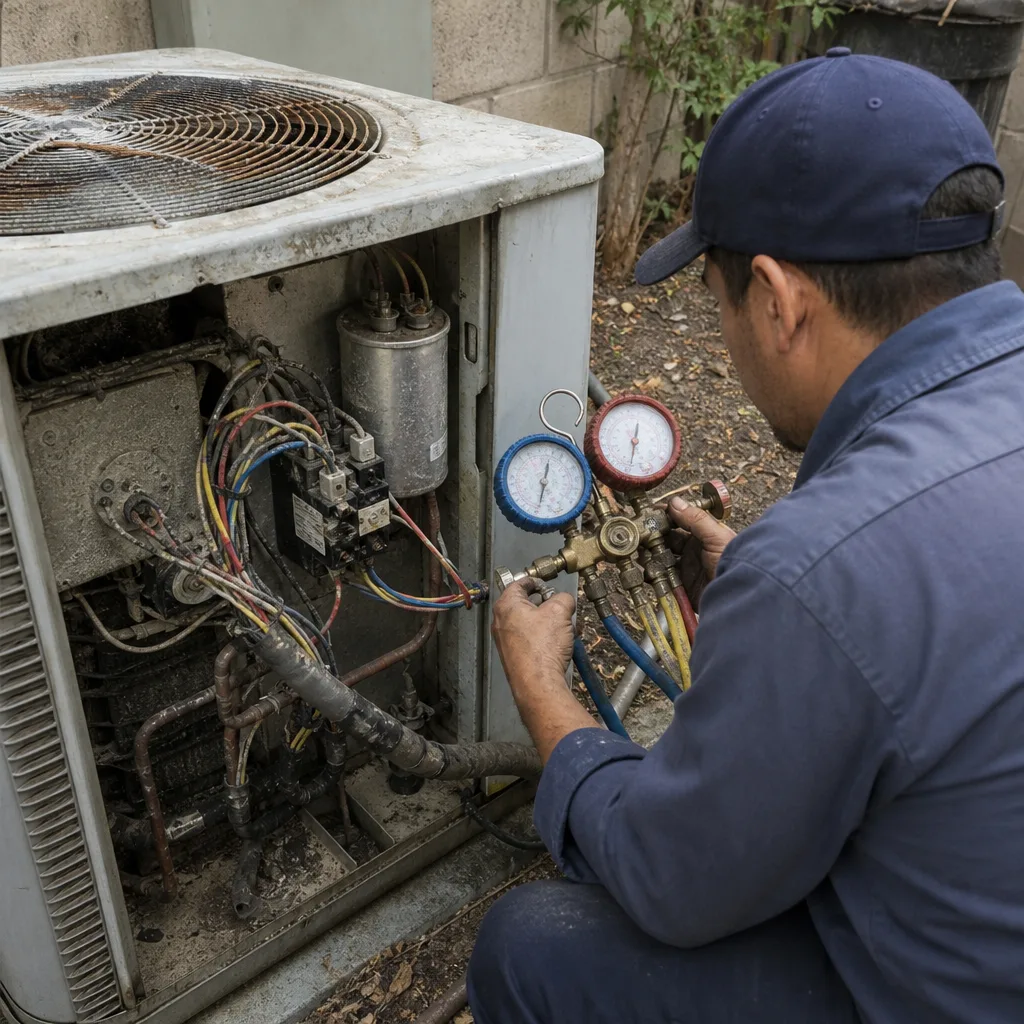 Before
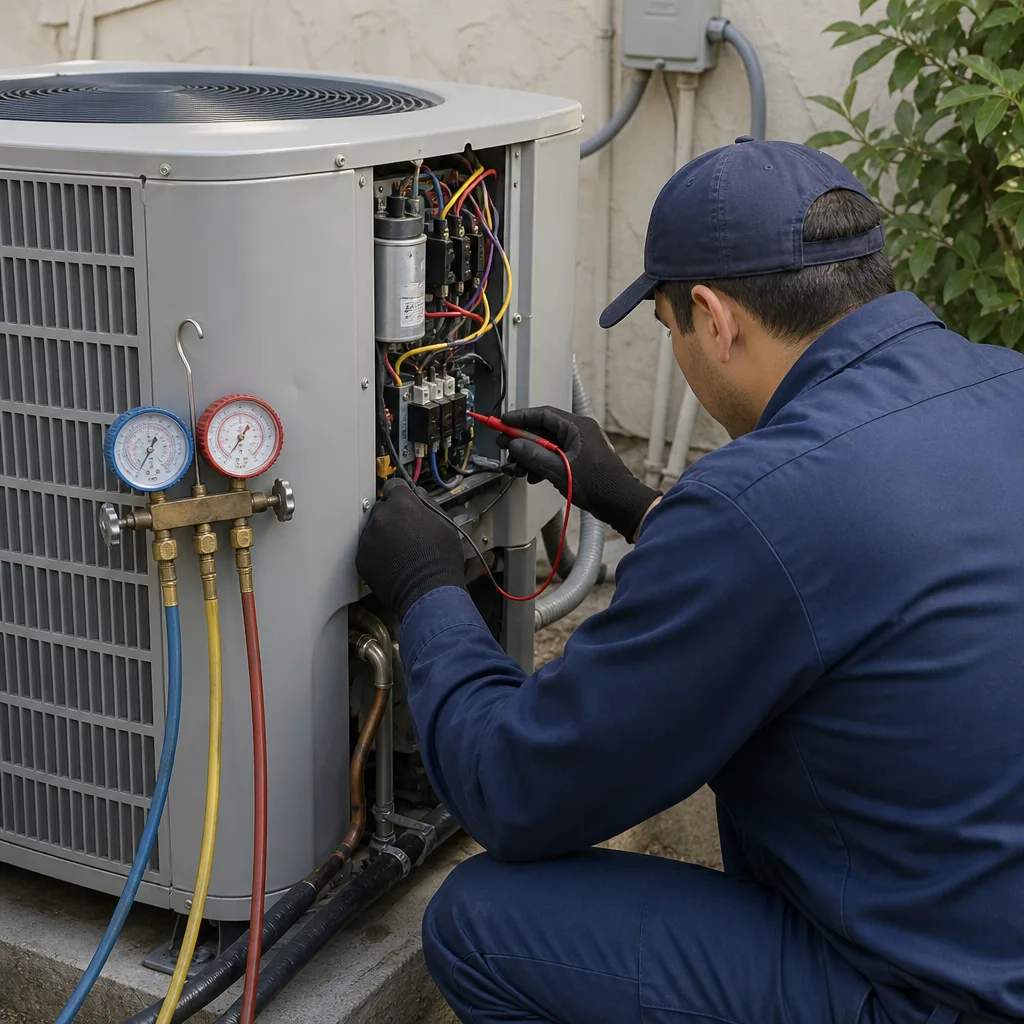 After
After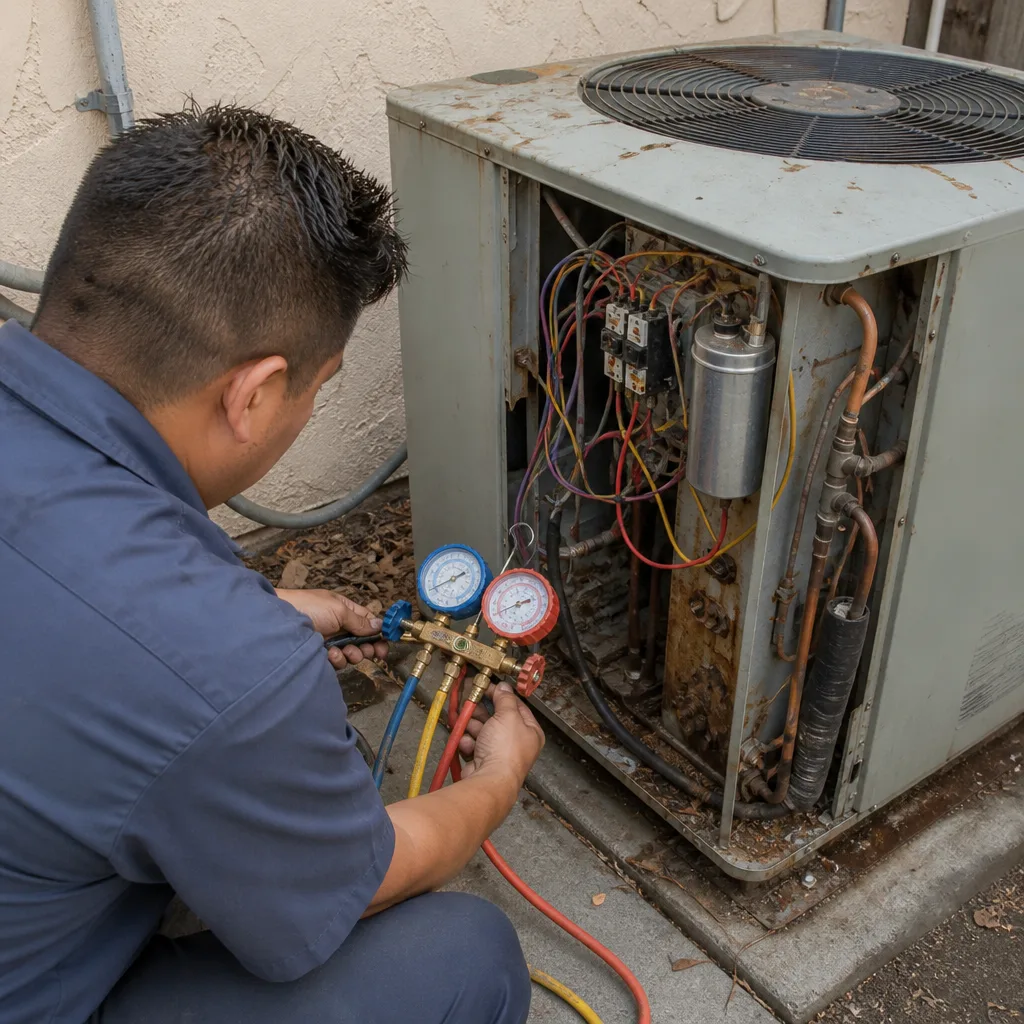 Before
 After
AfterBryant Mini-Split Installation: The Los Angeles Owner’s Guide
A Bryant mini-split installation in Los Angeles typically runs $4,130 to $8,850 depending on the system size, number of zones, and whether you’re replacing an existing unit or starting fresh. We stock Bryant-compatible line sets, mounting hardware, and electrical components on our trucks, and most single-zone installs are completed in one day. If your mini-split is leaking refrigerant, short-cycling, or the indoor unit has stopped responding entirely, the failed component is usually identifiable within the first 20 minutes of diagnosis.
What we see most often in Los Angeles homes: a Bryant mini-split that ran fine through a few summers, then started losing cooling capacity in August. The owner assumes it needs a recharge, but the real problem is usually a failed flare connection at the line set, a corroded condensate pump that tripped the float switch, or a control board that fried during a power surge in Santa Ana wind season. A proper installation isn’t just mounting the units – it’s getting the refrigerant charge exact, the flare fittings sealed under a vacuum test, and the condensate routing right for our dry heat and occasional monsoon humidity in the Valley.
Which Bryant Models This Applies To
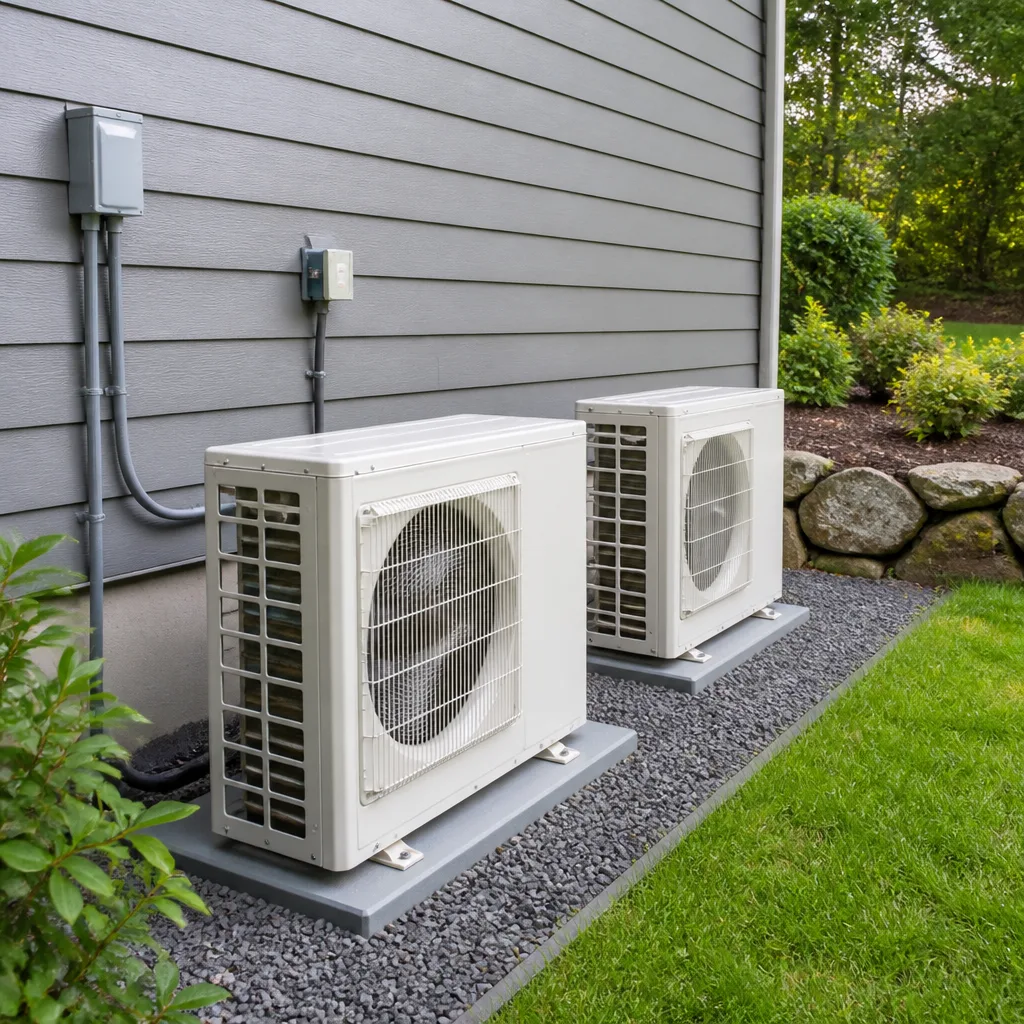
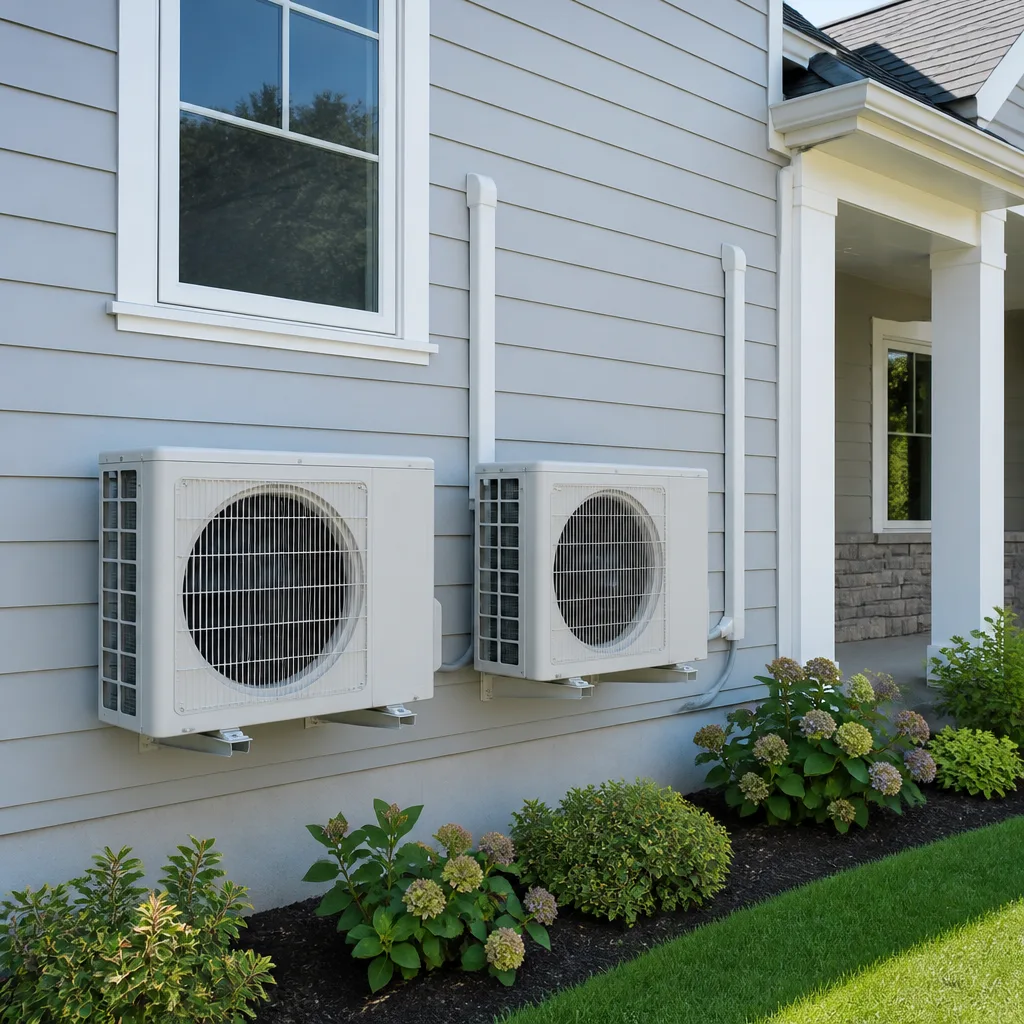
This installation guide covers the Bryant Evolution series and Legacy line mini-splits, which are the two families we install most across Los Angeles. The Evolution units run from 9,000 to 36,000 BTU in single-zone configurations and up to 48,000 BTU in multi-zone setups. The Legacy line is Bryant’s more straightforward single-zone option, running 9,000 to 24,000 BTU. When we open a Bryant mini-split for replacement, the model number is on the side of the outdoor condenser and starts with a prefix like 38MARB or 38MGRB. The indoor air handler will have its own label with a matching series code.
Here’s a compatibility gotcha most Los Angeles homeowners don’t know: Bryant mini-splits use a specific flare fitting geometry, and mismatched aftermarket line sets are the single most common cause of refrigerant leaks on these systems. We use Bryant-spec flare nuts and properly reamed copper line sets on every install. If the original installer used generic aftermarket line sets with the wrong flare angle, the connection will hold vacuum on day one and start leaking within two seasons. On the OEM versus aftermarket question for Bryant: original Bryant parts cost more but carry the manufacturer’s exact tolerances. Quality aftermarket equivalents from suppliers like Daikin-spec copper and proper R-410A flare unions work fine when installed correctly. We don’t use no-name flare fittings from the supply house bargain bin, and we won’t install them on your system either.
Signs Your Bryant Mini-Split Installation Is Failing
- Indoor unit cools but the room never reaches set temperature. This usually means the system is low on refrigerant from a slow leak at a flare connection or the service valve. The compressor runs harder while delivering less cooling, and your electric bill shows it.
- Water dripping from the indoor unit or staining the wall below. Bryant mini-splits pull humidity out of the air and drain it through a condensate line. When the drain clogs with the fine dust that settles everywhere in Los Angeles homes, or the condensate pump fails, the water backs up and leaks inside your wall.
- The outdoor unit runs constantly, even when the indoor unit is off. This points to a refrigerant leak severe enough that the compressor can’t reach its pressure targets. It’s not just an efficiency problem – running low destroys the compressor, and that’s a $1,800+ repair versus a few hundred for a proper line set repair.
- Loud buzzing or clicking from the outdoor unit on startup. The inverter-driven compressor on Bryant mini-splits shouldn’t make harsh mechanical noise. A failing capacitor bank or a compressor struggling against a bad expansion valve will show up as noise first.
- The system worked for a season or two, then started icing up. Ice on the indoor coil in Los Angeles summer heat sounds backwards, but it means low refrigerant pressure inside the coil. The coil gets too cold, condensation freezes, and the system loses airflow. Most of the Bryant units we see with icing have a slow flare leak that the original installation missed.
Replacement Cost & What’s Included
For a Bryant mini-split installation in Los Angeles, you’re looking at $4,130 to $8,850 installed. The lower end covers a single-zone Legacy or entry Evolution unit with a short line set run and straightforward electrical access. The upper end gets you a multi-zone Evolution system with a longer line set, complex mounting on a stucco or masonry wall, and possibly an electrical panel upgrade if your Los Angeles home’s panel is from the 1960s and can’t handle the new circuit.
Every Bryant mini-split install we do includes the outdoor condenser, indoor air handler, line set, flare fittings, mounting brackets, condensate drain system, electrical disconnect and wiring from the panel to the units, refrigerant charge, a full nitrogen pressure test, and a vacuum pulled to under 500 microns before we release the charge. You get one written price for the whole job before any work starts – no surprise add-ons. The installation work itself is guaranteed for 365 days under our Done Right Promise. If anything fails in that first year because of how we installed it, we come back and fix it at no charge. The Bryant manufacturer warranty on equipment runs separately and we register it for you, which extends the compressor warranty on most Evolution units to 10 years.
DIY or Call Us?
Here’s the straight answer: installing a Bryant mini-split is not a DIY job, and it’s not because we want the work. These systems run on 240-volt electrical circuits and pressurized refrigerant. Getting the flare connections wrong creates a leak that might take two years to show up, at which point you’re paying for a compressor, not a line set. The electrical side is the genuinely dangerous part – we’ve corrected installations where a homeowner tapped into an existing circuit incorrectly and created a shock hazard inside the wall. If you want to check something before calling, you can look at the system’s error code through the indoor unit display and write it down for us. You can clean the air filters. That’s it. Everything else requires a gauge set, a vacuum pump, and a license.
If your Bryant mini-split is acting up, call us at (984) 538-9003. We’ll have a technician out, we’ll tell you exactly what failed, what it costs to fix or replace, and whether it’s even worth doing before you spend a dollar. That’s how Devin Marlowe has always worked it – tell me what it is, tell me what it costs, tell me it holds. That’s the whole job.
FAQs
A properly installed Bryant mini-split in Los Angeles lasts 12 to 15 years on average, with the compressor often outlasting the indoor blower motor and control board. The biggest longevity factor we see is installation quality – flare leaks and bad condensate routing kill these units years before the equipment itself wears out.
Yes, and we’re honest about which way makes sense. If your system is under 8 years old and the failed part is a control board, capacitor, condensate pump, or flare connection, repair is usually the right call at $175 to $765. If your compressor has failed on a unit past its 10-year mark, replacement of the whole system is often cheaper over the next five years than a compressor swap. Call (984) 538-9003 for a straight answer on your specific unit.
A single-zone Bryant mini-split installation in Los Angeles typically takes 4 to 6 hours including the nitrogen pressure test and vacuum procedure. A multi-zone system with two or three indoor units takes a full day, sometimes two if the line set runs are long or the electrical panel needs work. We give you a set install date and a written time window before the crew arrives.
Our trucks carry the most common Bryant mini-split replacement parts: line sets, flare fittings, control boards, capacitors, condensate pumps, remote controls, and mounting hardware. If your repair needs a less common part, we can typically source it from our Los Angeles suppliers same-day or next-day and complete the job without a second diagnosis fee.
Written by Devin Marlowe, Owner & Lead HVAC Technician, Brandt HVAC at Brandt HVAC, serving Los Angeles and nearby areas.