
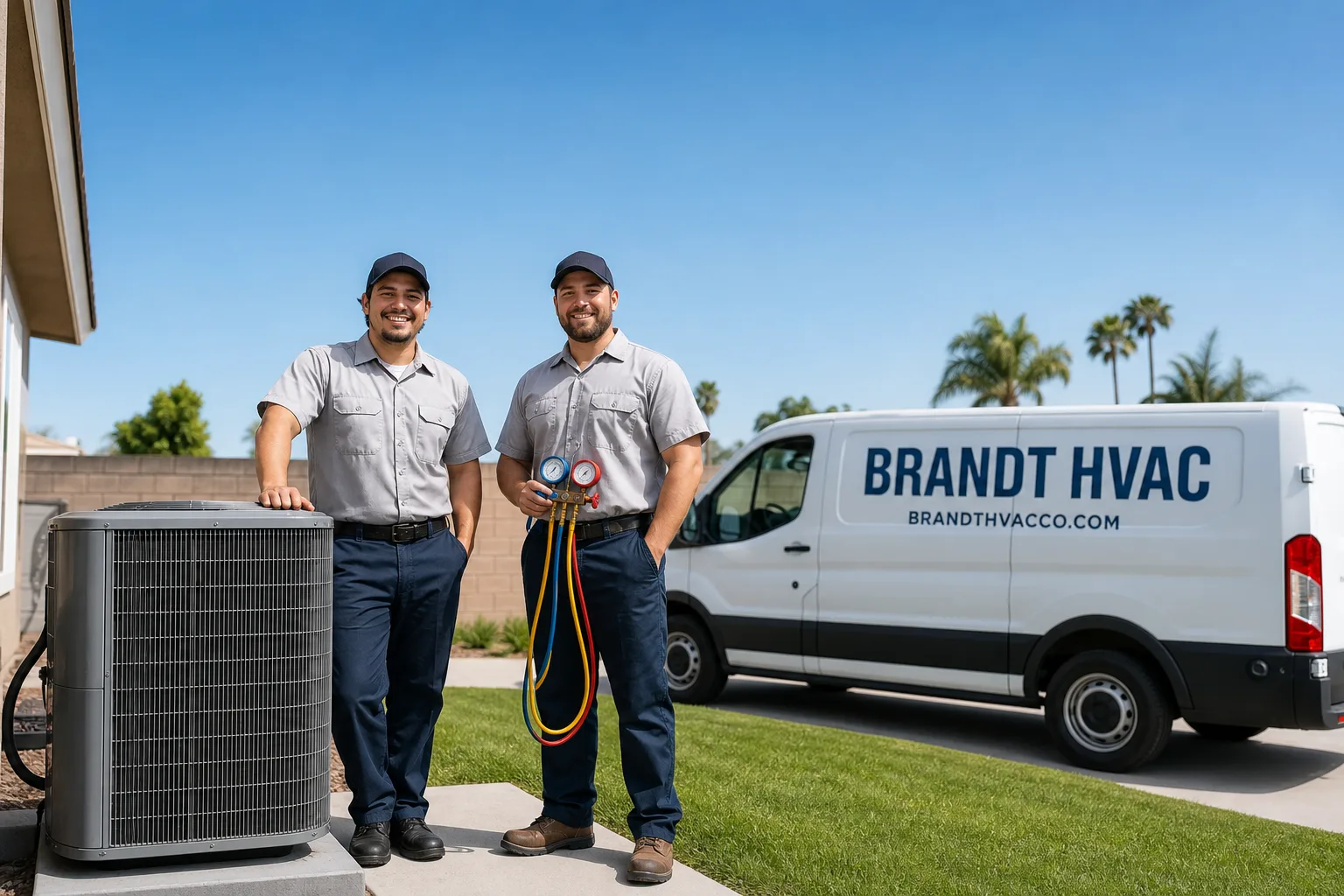
Seasonal tune-up and full diagnostic on your Carrier, Trane, or Goodman system - readings shown to you before any repair is proposed
Diagnosis first, numbers second - you approve the repair price before a single part goes in.
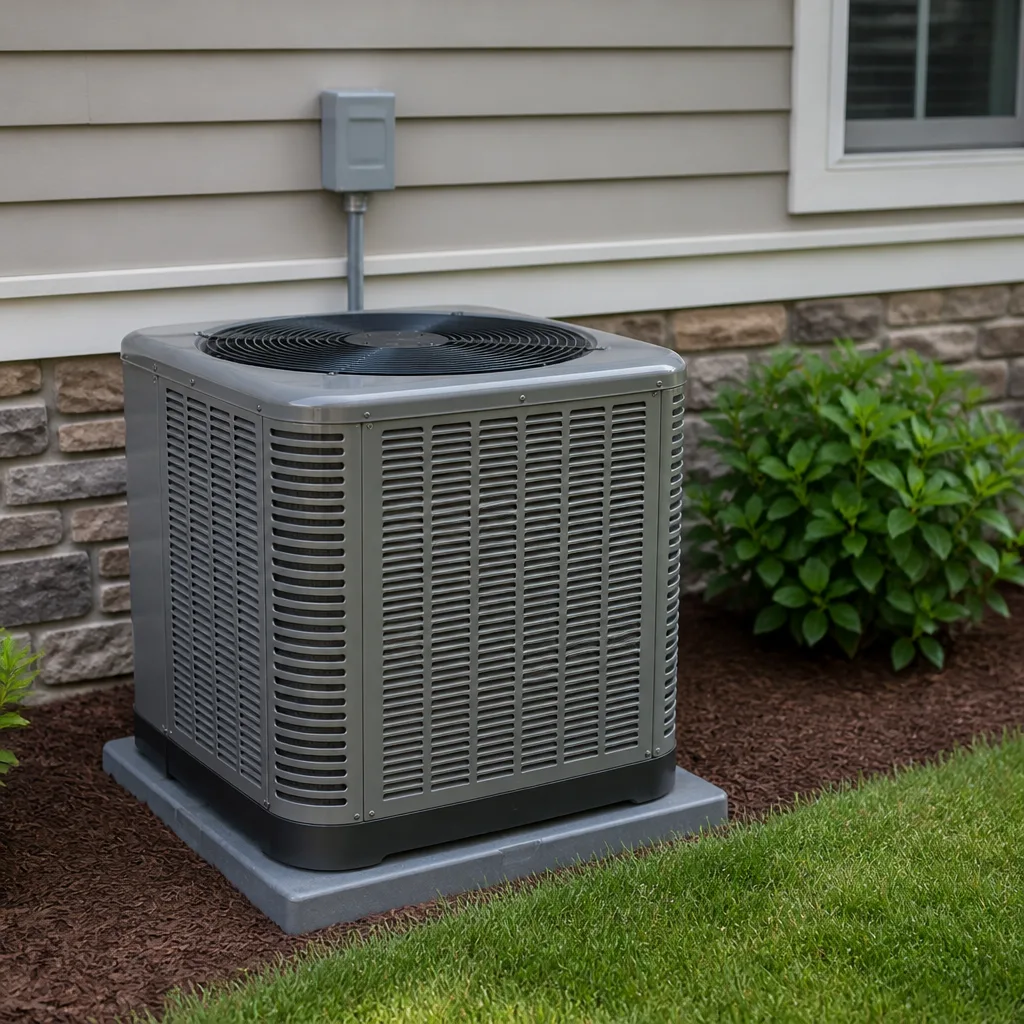
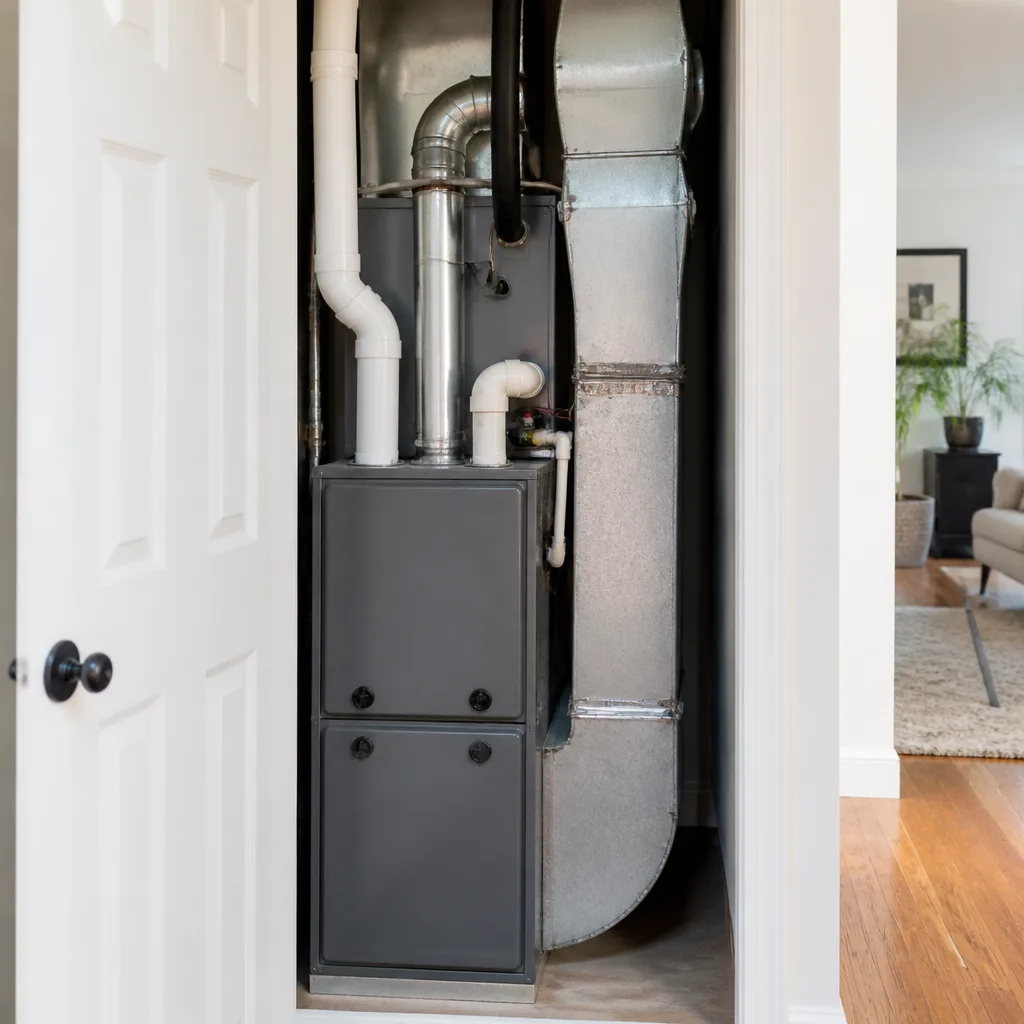
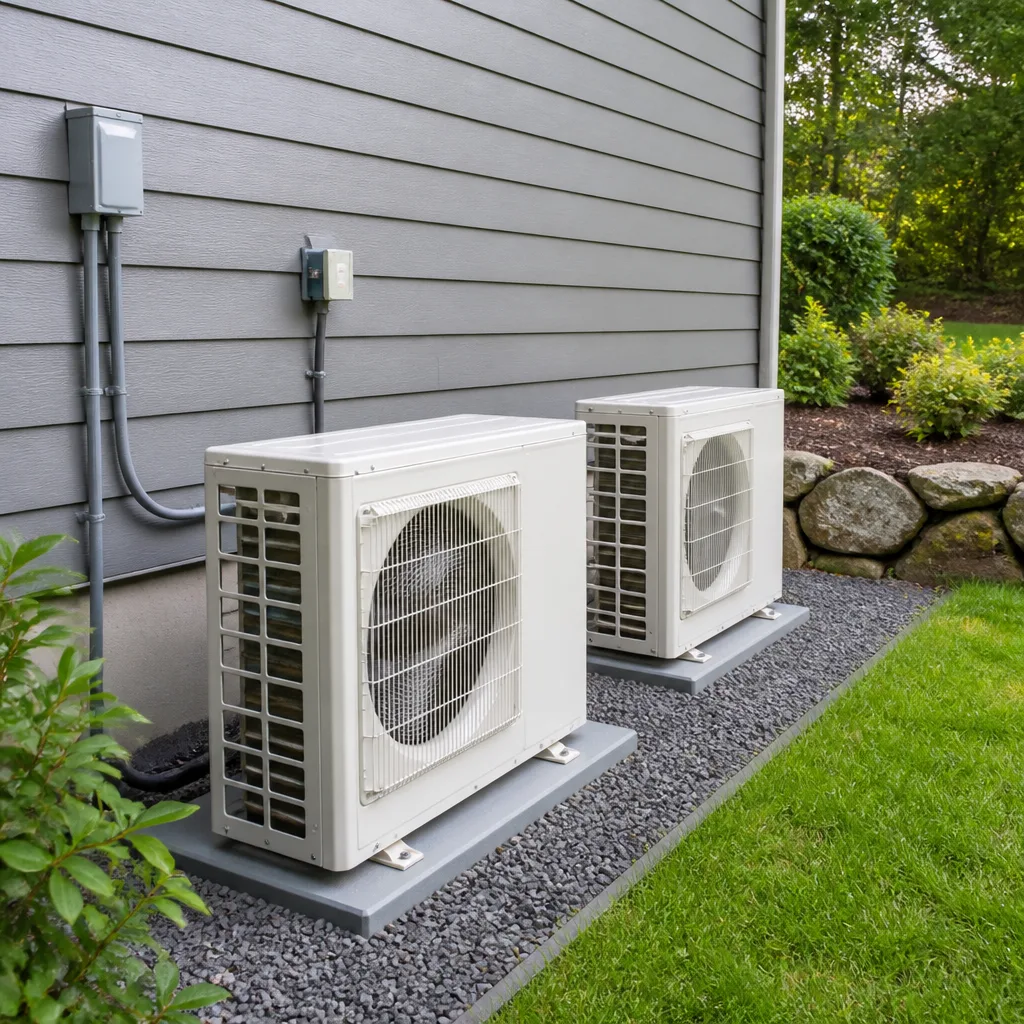
 Before
 After
After Before
 After
After Before
 After
AfterBurning Smell When the Heat Comes On
What’s Happening
A burning smell when your heat first kicks on is usually one of two things: dust burning off a heat exchanger or heating element that’s been sitting idle since last winter, or something more serious like a failing motor, overheated wiring, or a cracked heat exchanger. The first kind clears up in ten or fifteen minutes. The second kind doesn’t, and it can get dangerous fast.
Here’s the honest breakdown. Every fall, when a furnace fires up for the first time in months, it burns off a light layer of settled dust. That smells faintly like something scorching, and it fades on its own as the system runs. But if the smell is sharp, chemical, plasticky, oily, or it comes back every time the heat runs, that’s the system telling you something is actually wrong. Don’t ignore a smell that sticks around. A few causes are genuinely hazardous, and one of them – a cracked heat exchanger – can put carbon monoxide into your living space without any other warning sign.
Why It Happens
Dust Burning Off the Heat Exchanger or Elements
Dust accumulates on your furnace’s heat exchanger or on the heating elements of an electric air handler every time the system sits dormant. When the heat comes on for the first time in the season, that dust burns off and you smell it through the vents. The giveaway: it smells faintly dusty or stale, not sharp or chemical, and it goes away within the first heating cycle or two. If it clears up after twenty minutes and doesn’t come back, you’re almost certainly fine.
Overheated Blower Motor or Capacitor
The blower motor is what pushes conditioned air through your ductwork. When its bearings start to wear out or the capacitor that starts it up begins to fail, the motor works harder than it should and can overheat. The smell here is usually described as burning rubber or hot metal – sometimes a faint electrical odor. You might also notice that airflow from the vents feels weaker than usual, or that the system runs longer than normal trying to reach the set temperature. If the smell is coming from the vents and the airflow seems reduced, the blower motor is the first place a technician will look.
Electrical Issue: Wiring, Connections, or Circuit Board
A burning plastic or sharp chemical smell that doesn’t fade is often an electrical problem – burnt wire insulation, a failing control board, or a loose connection that’s arcing. These are not things to investigate yourself. Electrical faults inside an HVAC system carry live current and can cause fires. If the smell is distinctly chemical or plastic-like and it persists, shut the system off at the thermostat and call your local Brandt HVAC team before running the system again.
Cracked Heat Exchanger
This is the one that matters most from a safety standpoint. The heat exchanger is the metal chamber inside a gas furnace that keeps combustion gases separate from the air your family breathes. When it cracks – which happens as metal expands and contracts over years of heating cycles – combustion byproducts, including carbon monoxide, can bleed into the airstream. You might smell something faintly sulfurous or notice headaches when the heat runs. You might smell nothing unusual at all. A cracked heat exchanger is not visible without removing components and using specific inspection tools. It’s the single reason a persistent burning smell in a gas furnace should always be looked at by a technician, not guessed at from the outside.
What to Do Right Now
- Let it run for fifteen to twenty minutes if the smell is faint and dusty. If it clears up completely and doesn’t return on the next heating cycle, seasonal dust burnoff is the likely explanation. Note it, watch it, and don’t panic yet.
- If the smell is sharp, chemical, plasticky, or oily – shut the system off at the thermostat now. Don’t restart it. An electrical burning smell that persists after the first cycle is a signal the system should not keep running until it’s been checked.
- Check your air filter. A severely clogged filter forces the system to work harder, which raises operating temperatures and can produce a burning smell from overheated components. Pull the filter out and look at it. If it’s gray and matted solid, that’s a contributing factor – but still have the system checked if the smell is anything other than dusty.
- Make sure your carbon monoxide detectors are working. If you have a gas furnace and a CO detector goes off, get everyone out of the house and call 911 before you call anyone else. This is not a HVAC service call at that point. Once the house is cleared safe, then call us.
- Take a short video or photo of anything visible – discoloration near vents, scorched smells coming from a specific register, unusual residue. It’s genuinely useful for the technician who arrives. You don’t need to open panels or touch components. Just document what you can see and smell from normal standing distance.
How We Fix It
When your local Brandt HVAC technician arrives, the first thing they do is a full system inspection – not a quick visual once-over, but an actual diagnostic. For a gas furnace, that means checking the heat exchanger for cracks, testing the flue for proper draft, testing the blower motor’s amp draw against its rated spec, and inspecting electrical connections at the control board and wiring harness. For an electric system, the focus is on heating elements, contactors, and wiring integrity.
Before any work starts, you get a written price. Not an estimate that changes when the technician opens something up – a written number you agree to first. That’s how every Brandt HVAC job works, on every call, with no exceptions.
Most repairs that address a burning smell – motor replacement, capacitor swap, heat exchanger assessment, electrical connection repair – are completed in a single visit. Complex heat exchanger situations may require a follow-up depending on what’s found. The work that resolves this symptom falls under our Furnace Repair service, and every repair is covered by the 365-Day Done Right Promise: if it’s not fixed right, we come back at no additional charge.
Frequently Asked Questions
It depends on the smell. A faint, dusty odor during the first heating cycle of the season is almost always harmless dust burning off and will clear up on its own. A sharp, chemical, or plasticky smell that doesn’t fade is a different situation and should be treated as a problem until a technician confirms otherwise. A gas furnace with a persistent burning smell always carries the possibility of a cracked heat exchanger, which can introduce carbon monoxide into your home’s air. Don’t wait on that one. Call (984) 538-9003 and get it looked at today.
If the smell was faint, dusty, and cleared up completely within the first heating cycle, waiting is usually fine – keep an eye on it and see if it returns. If the smell is sharp, persistent, chemical, or you have a gas furnace and any concern about combustion gases, don’t wait. An electrical fault or cracked heat exchanger that runs unchecked can become a much bigger problem, and in the case of carbon monoxide, a dangerous one. Call (984) 538-9003 – a live person answers around the clock, nights and weekends included.
Yes. Your local Brandt HVAC team handles same-day furnace repair calls, and the phone is answered by a live person 24 hours a day, 7 days a week – no voicemail, no automated tree, no callback queue. Call (984) 538-9003 and tell us what you’re smelling. We’ll tell you honestly whether it sounds urgent and get a technician scheduled. Before the technician arrives, you’ll receive their name and photo so you know exactly who to expect at the door.
Before your technician arrives, Brandt HVAC sends you their name and photo. When they get to your door, they show a photo ID badge – every time, no exceptions. That’s the Threshold Verified standard: every technician is background-checked and identity-verified before they ever go on a call. If anyone shows up at your door who you were not told to expect, that visit is on us and we make it right, no argument required.
Get It Fixed
A burning smell from your heating system is worth a phone call. Call (984) 538-9003 now – a live person answers day or night, including weekends and holidays. Your local Brandt HVAC team will get a background-checked, uniformed technician to your door, with their name and photo sent ahead. Written price before anything starts.
Written by Devin Marlowe, Owner and Lead HVAC Technician, Brandt HVAC – part of the Threshold Group family of home-service companies, established in 2003.
What Our Customers Say
"Condenser fan motor replaced the same day. Clean, quick, and the quote didn't change."
- Lamar R."Very thorough check on the whole system before summer. Found a worn belt and swapped it for cheap."
- Jerome F."Furnace short cycled all winter. He found a dirty flame sensor and cleaned it. Twenty minutes and a small bill."
- George Q.