

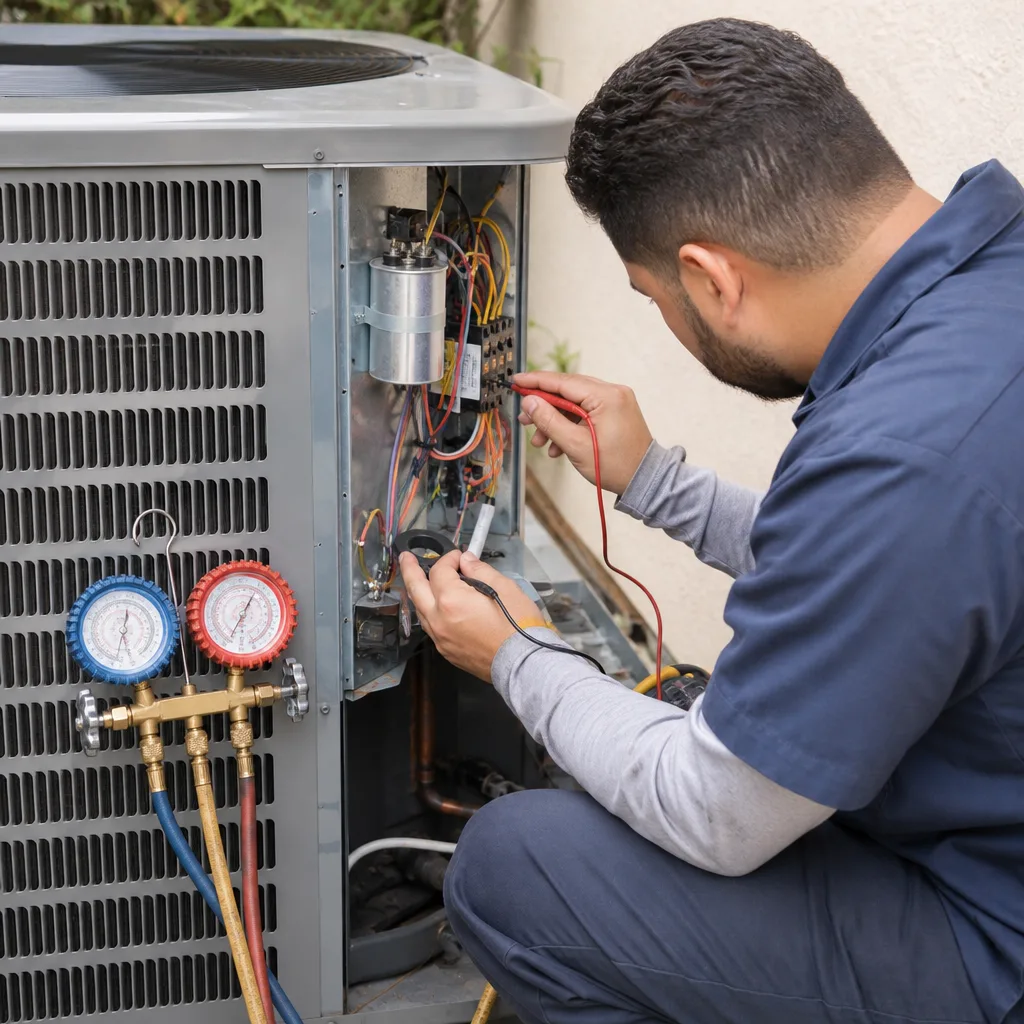
Seasonal tune-up and full diagnostic on your Carrier, Trane, or Goodman system - readings shown to you before any repair is proposed
Diagnosis first, numbers second - you approve the repair price before a single part goes in.
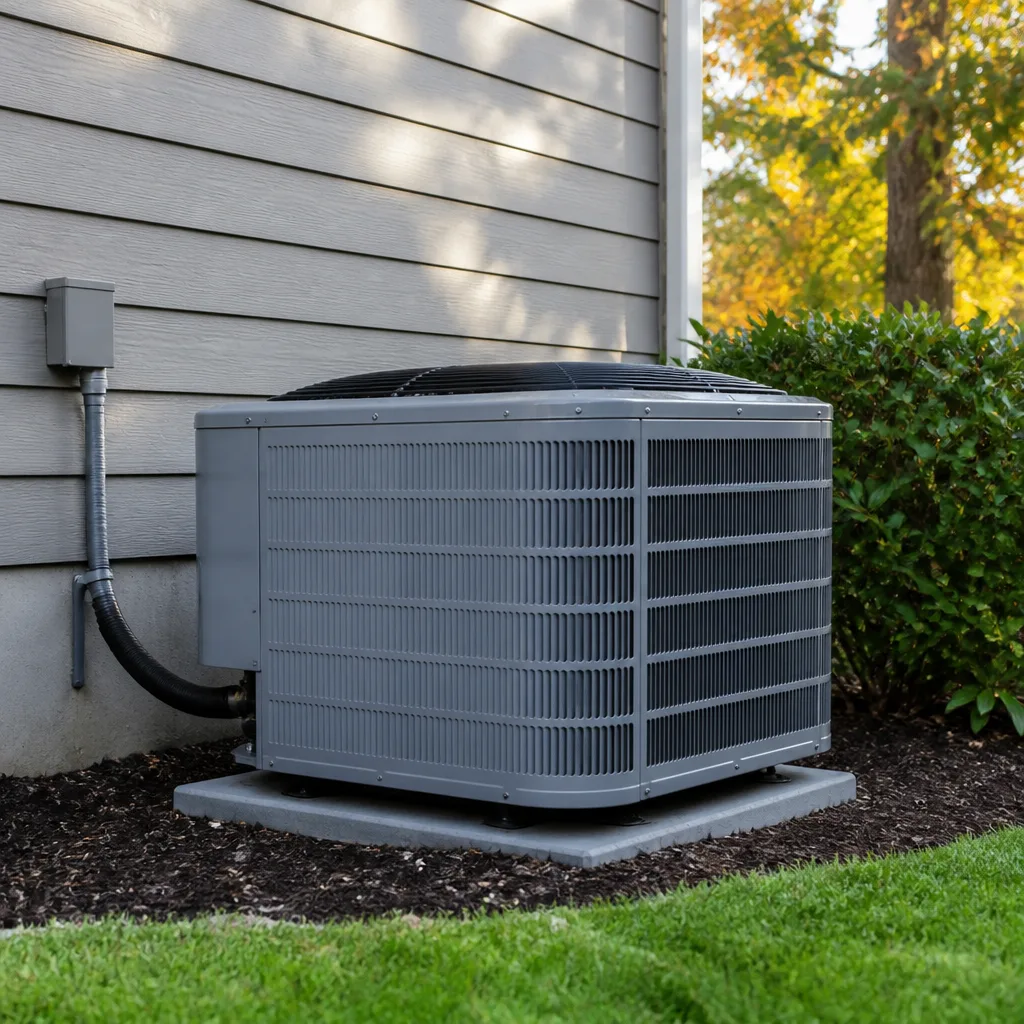
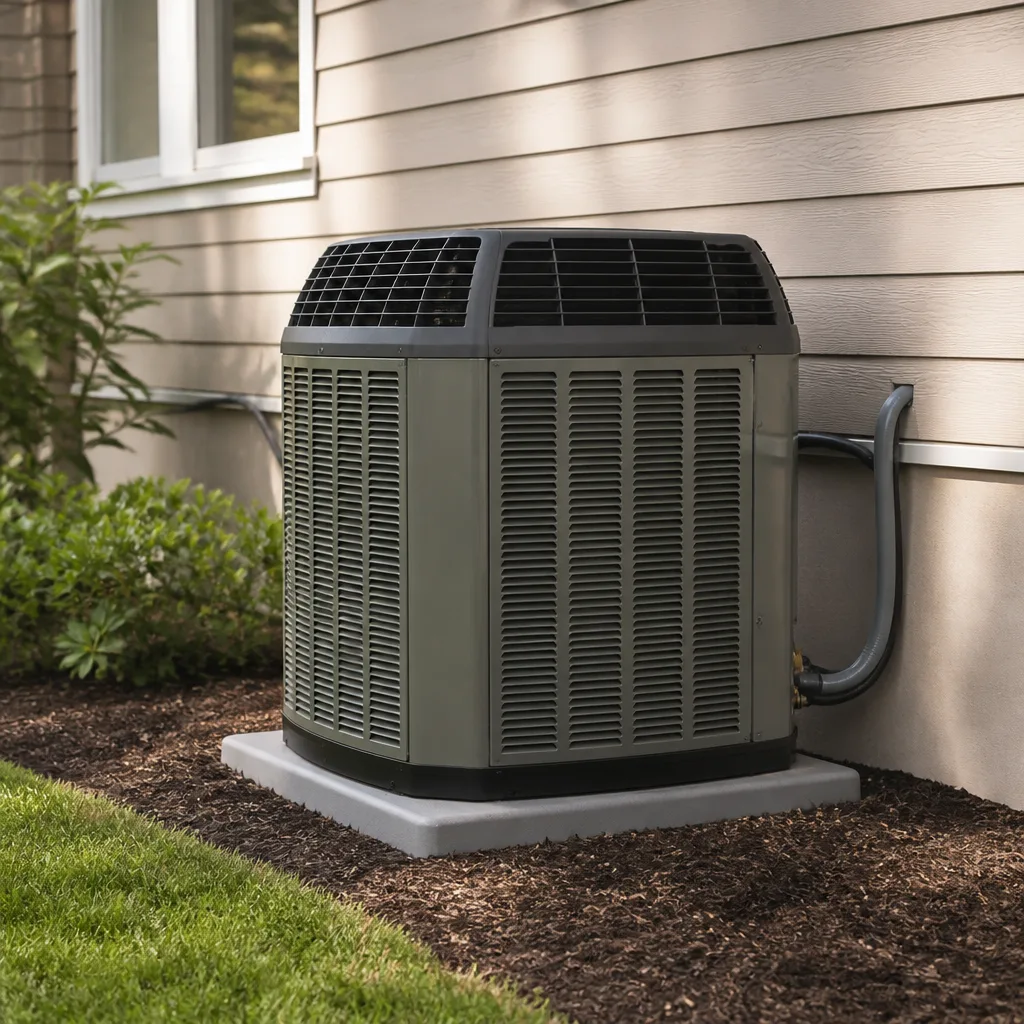
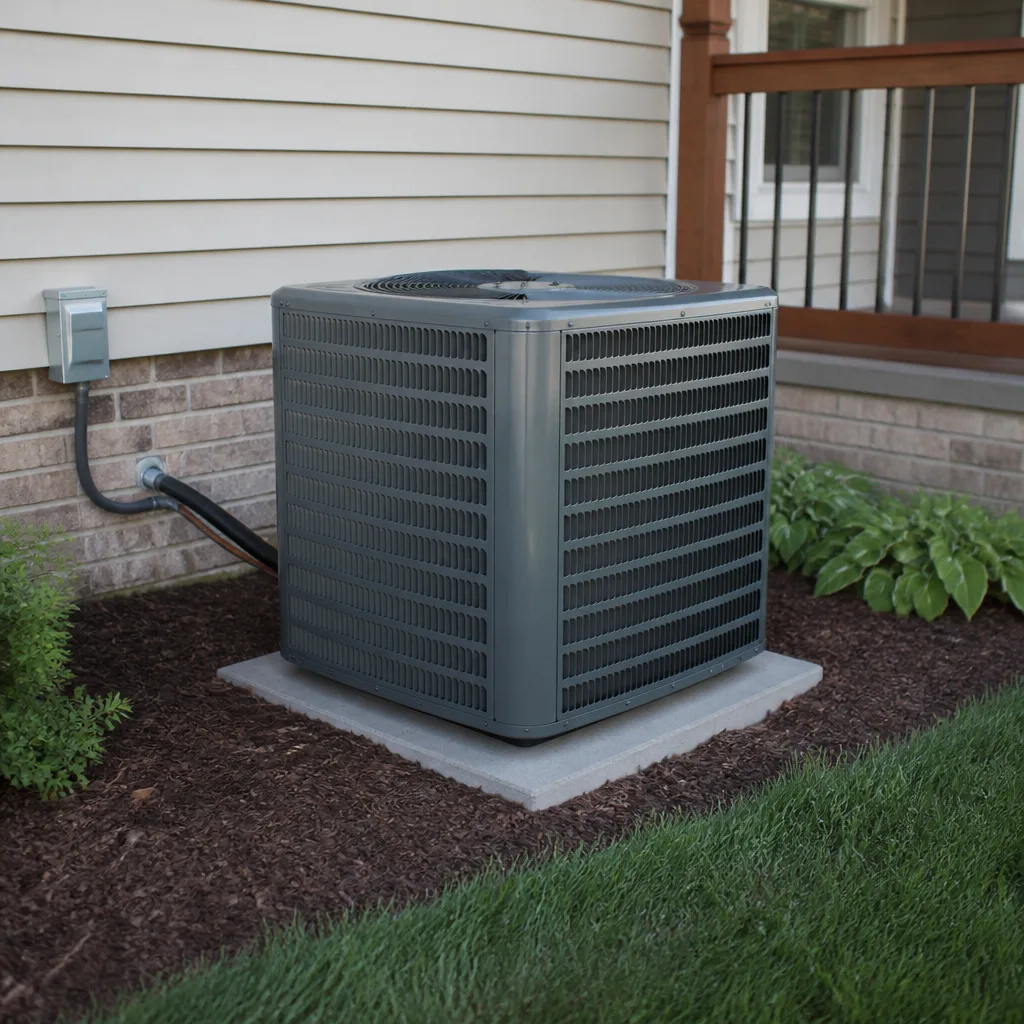
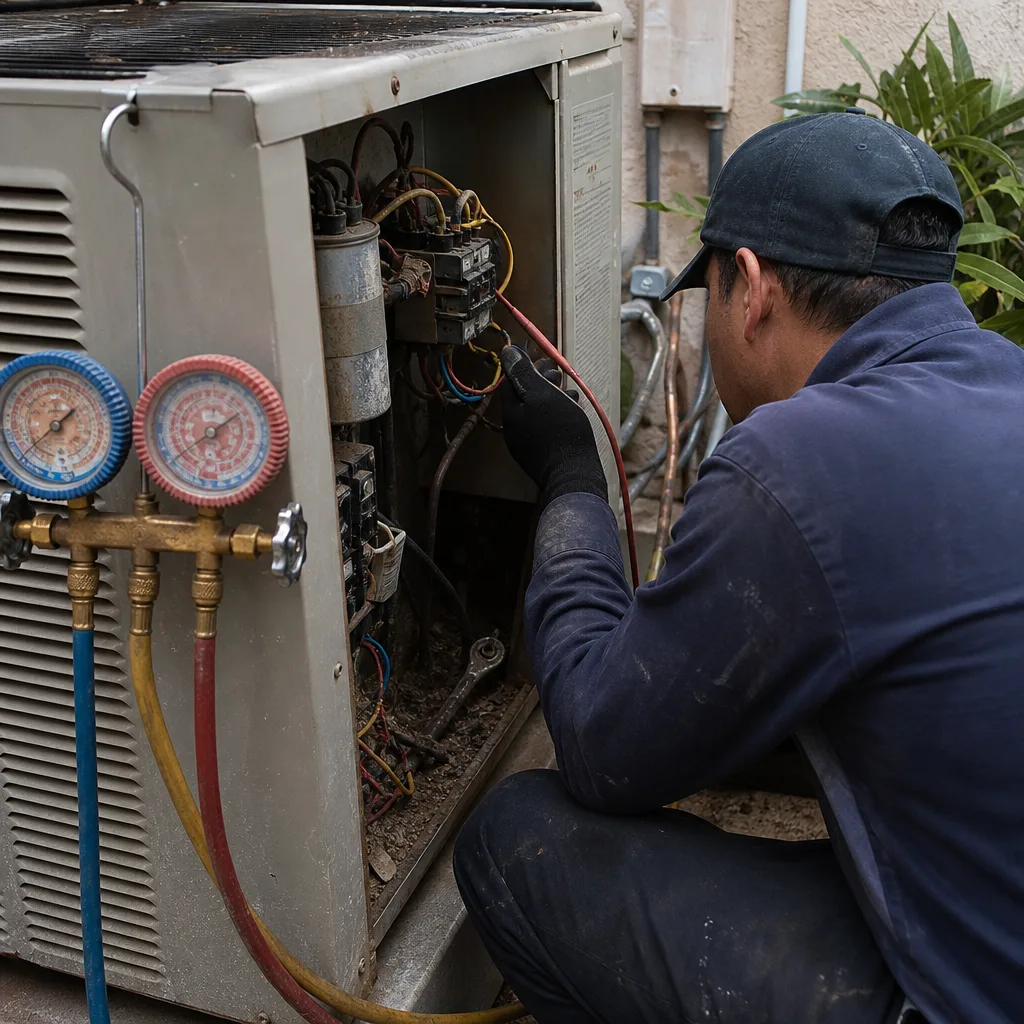 Before
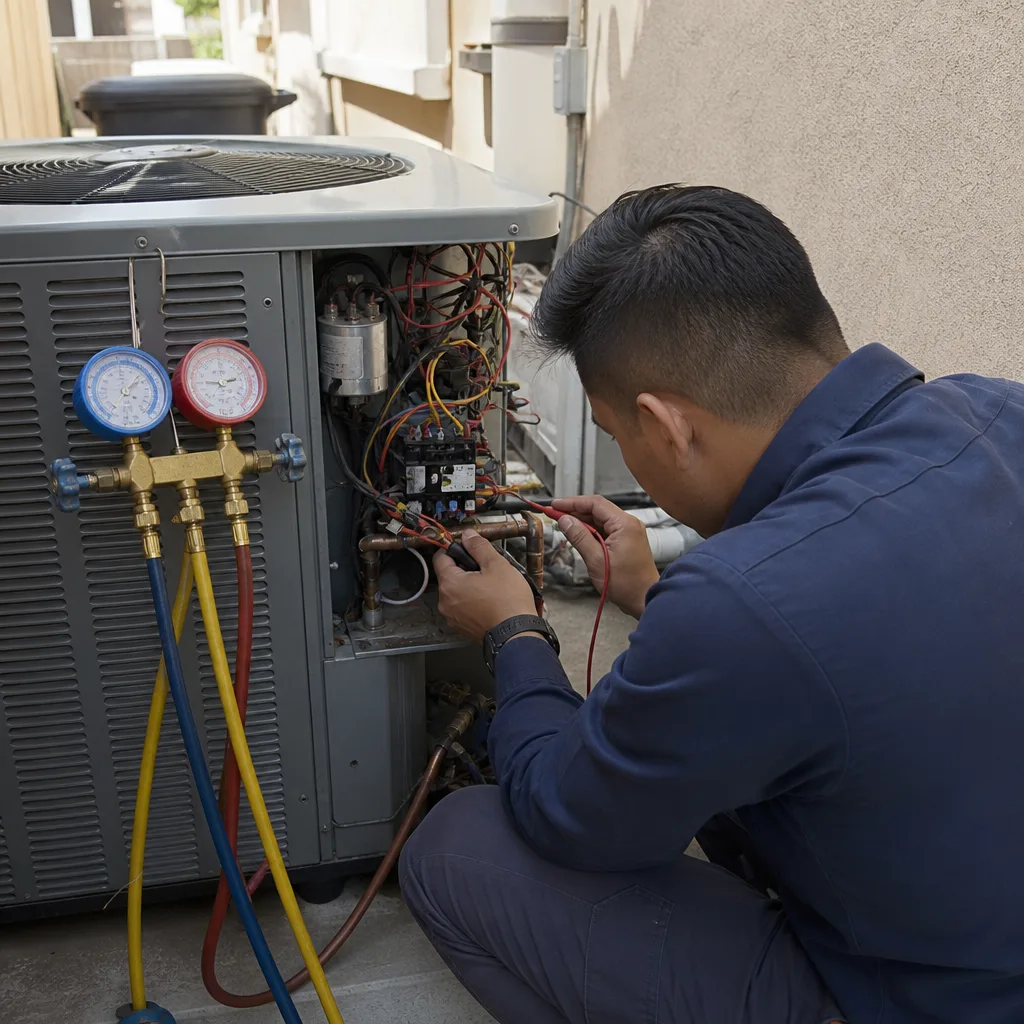 After
After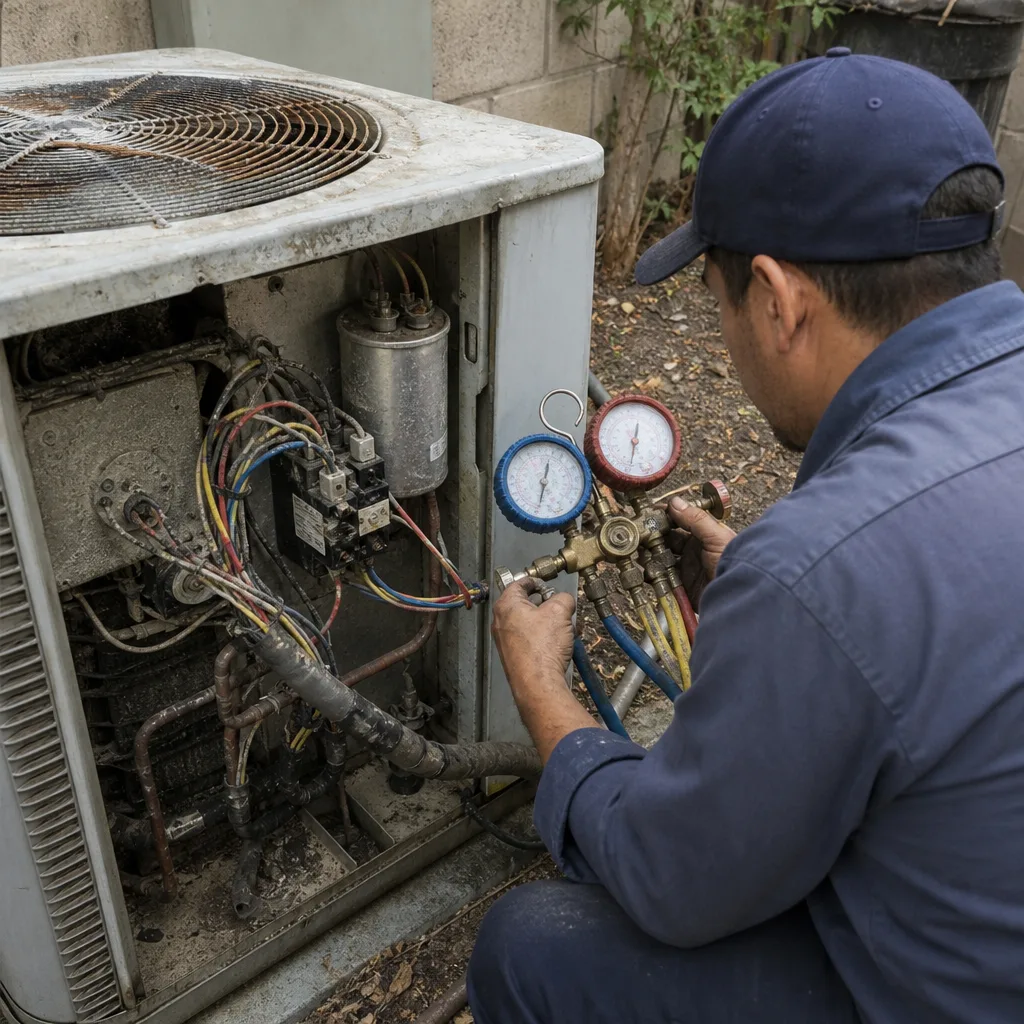 Before
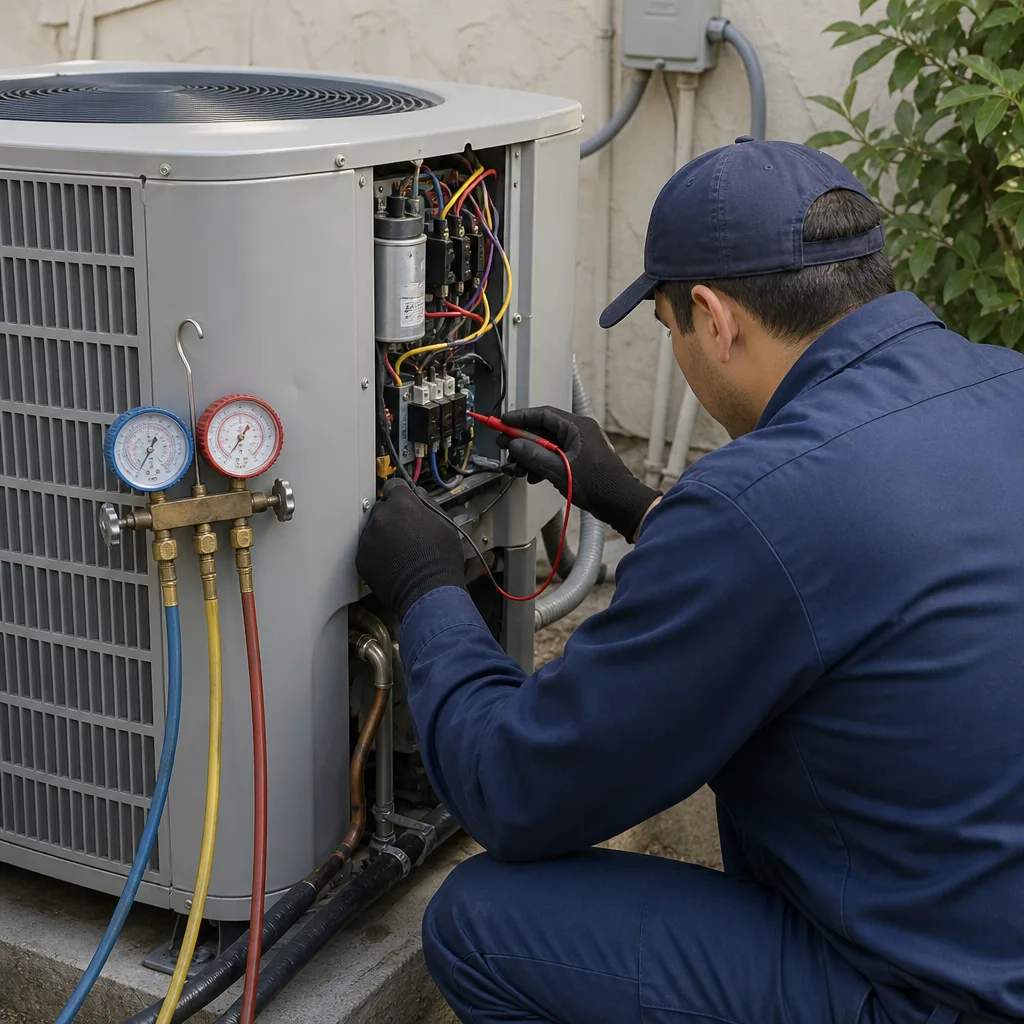 After
After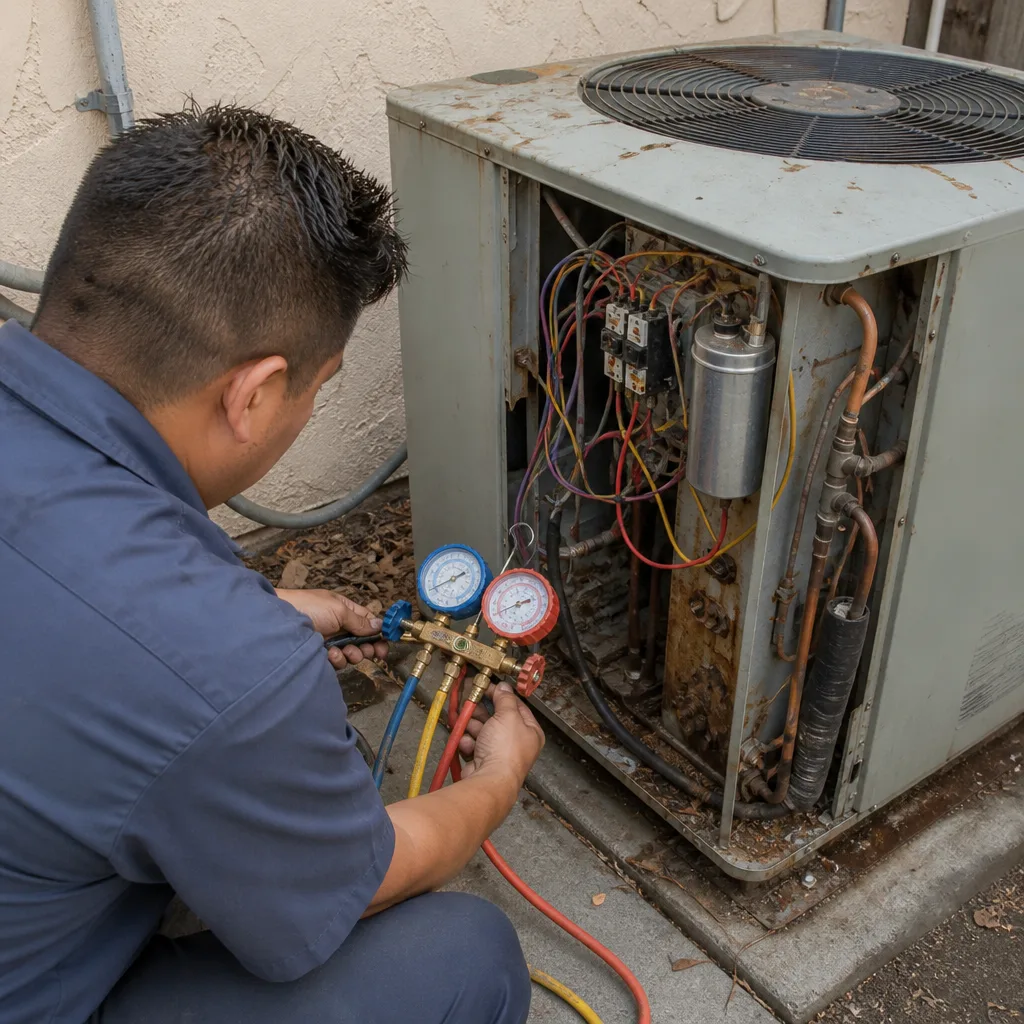 Before
 After
AfterFrozen A/C Coil
A frozen A/C coil almost always means your system can’t move enough heat away from the refrigerant, so the coil temperature drops below freezing and ice forms. Turn the system off now – running it in this state can damage the compressor, which is a much bigger repair. Your local Brandt HVAC team can find the cause, thaw the coil safely, and get your cooling back.
What’s Happening
When your evaporator coil freezes, the refrigerant inside it is getting too cold – cold enough to turn any moisture in the air around it into ice. That block of ice then insulates the coil from the warm air it’s supposed to absorb, so the system stops cooling your home even though it’s still running. You might notice warm air from the vents, ice visible on the refrigerant line outside the unit, or water pooling near the air handler as the ice melts.
The good news is that a frozen coil is a symptom, not a death sentence for your system. The underlying cause is usually one of four things, and most of them are straightforward to fix once a technician identifies which one you’re dealing with.
Why It Happens
Restricted Airflow Across the Coil
The evaporator coil needs a steady stream of warm indoor air moving across it at all times. If that airflow is blocked – by a clogged filter, a collapsed duct, a closed supply register, or a blower motor that’s slowing down – the coil temperature falls unchecked. Check your air filter first: if it’s gray and matted, that’s almost certainly your culprit. A filter that hasn’t been changed in three or four months can restrict airflow enough to freeze a coil on its own.
Low Refrigerant (a Refrigerant Leak)
Refrigerant doesn’t get “used up” the way gasoline does – if your system is low, it’s leaking somewhere. Low refrigerant causes the pressure inside the evaporator to drop, which drops the coil temperature below the point where ice forms. You won’t be able to confirm this one yourself by looking; the sign is a system that keeps freezing even after you’ve ruled out airflow problems, or a hissing or bubbling sound near the refrigerant lines. Refrigerant handling requires a certified technician – this is not a DIY repair.
A Dirty Evaporator Coil
Over a few seasons, dust and debris coat the coil’s surface. That layer acts as insulation, slowing heat transfer until the coil can’t warm the refrigerant fast enough and ice forms. If your filter has been clean but the coil hasn’t been serviced in a couple of years, this is worth suspecting. You can sometimes see grime buildup on the coil if you have access to the air handler cabinet, but cleaning it properly requires the right tools and coil-safe cleaners.
A Failing Blower Motor or Fan
The blower fan is what actually pushes air across the evaporator coil. If the motor is running slowly – because of a worn capacitor, a failing bearing, or a motor nearing the end of its life – you get reduced airflow without an obvious filter problem. Listen for a hum that sounds labored, a whine, or a fan that takes a few seconds to get up to speed when the system starts. Those are signs the motor itself needs attention.
What to Do Right Now
- Turn the system off at the thermostat. Switch it from “Cool” to “Off.” Running a frozen system puts stress on the compressor, and compressor replacement is a far more expensive repair than whatever caused the freeze in the first place.
- Switch the fan to “On” (not “Auto”). This runs the blower without the compressor and speeds up the thaw. Let it run for one to two hours before assuming the ice is gone – coils can freeze several inches thick and take time to clear.
- Check and replace the air filter. Pull it out. If it’s visibly clogged, replace it. This takes two minutes and costs almost nothing. It won’t fix a refrigerant leak or a bad motor, but if airflow was the problem, a new filter lets your technician see whether the system runs clean after the thaw.
- Photograph what you can see. Take a quick photo of any ice buildup, the filter condition, and the refrigerant line running outside. Your technician will appreciate having a “before” picture, especially if the ice has already started melting by the time they arrive.
- Do not attempt to chip or pry the ice off the coil. Evaporator coils are made of thin aluminum fins and copper tubing. Forcing ice off mechanically bends the fins and can puncture the tubing, turning a simple repair into a refrigerant leak. Let it thaw on its own.
How We Fix It
When your local Brandt HVAC technician arrives, the first thing they do is a full diagnostic – checking airflow, refrigerant pressure, blower motor operation, and coil condition – to find the actual cause, not just the symptom. Before any work starts, you get a written price. Not a ballpark, not an estimate scrawled on a notepad: a specific written price you agree to before a single tool comes out. That’s how every Brandt job works, without exception.
If the cause is a dirty filter or restricted airflow, the fix is often the same visit. A refrigerant leak requires locating the breach, making the repair, and recharging the system to manufacturer spec – that’s typically a longer visit but still usually same-day. Coil cleaning is handled as part of our AC Maintenance service, and most repairs fall under our AC Repair service. Either way, your repair is backed by the 365-Day Done Right Promise: if the repair fails within the guarantee period, we come back at no charge. No argument. No runaround.
Frequently Asked Questions
It shouldn’t wait more than a day. Running the system while the coil is frozen forces the compressor to work without the heat load it’s designed to handle, and compressors are the most expensive component in a residential A/C system. Turn the system off now, let the coil thaw, and get a technician to find the cause before you turn it back on. Call us at (984) 538-9003 – a live person answers around the clock, every day of the year.
Yes – your local Brandt HVAC team takes same-day calls for AC Repair, including frozen coil diagnosis. When you call (984) 538-9003, you’ll reach a real person, not a phone tree. They’ll schedule your visit and send you the technician’s name and photo before anyone shows up at your door.
Every time, without exception. Before your technician arrives, you’ll receive their name and photo. At the door, they show a photo ID badge and arrive in a clean, marked uniform. Every Brandt technician is background-checked and identity-verified under the Threshold Verified standard. If anyone arrives who you weren’t told to expect, that visit is on us and we make it right.
Your technician diagnoses the problem, then gives you a written price before any work begins – every job, no exceptions. You decide whether to proceed. There’s no pressure and no surprise invoice at the end. If you have questions about what’s included or what the repair actually covers, ask before you sign: that conversation is part of what we’re there for.
Get It Fixed
Call (984) 538-9003 – a live person picks up 24 hours a day, 7 days a week, including nights, weekends, and holidays. Your local Brandt HVAC team will schedule your visit, send you your technician’s name and photo ahead of time, and arrive with a written price ready before any work starts.
Written by Devin Marlowe, Owner and Lead HVAC Technician, Brandt HVAC. Devin has been diagnosing frozen coils, refrigerant leaks, and worn blower motors across residential systems since Brandt’s founding in 2003 as part of the Threshold Group family of home-service companies.
What Our Customers Say
"Very thorough check on the whole system before summer. Found a worn belt and swapped it for cheap."
- Jerome F."Furnace short cycled all winter. He found a dirty flame sensor and cleaned it. Twenty minutes and a small bill."
- George Q."Knowing a vetted tech was coming into my house made a difference. Name and photo texted ahead, shoe covers, polite, and thorough with explaining."
- Tina M.