
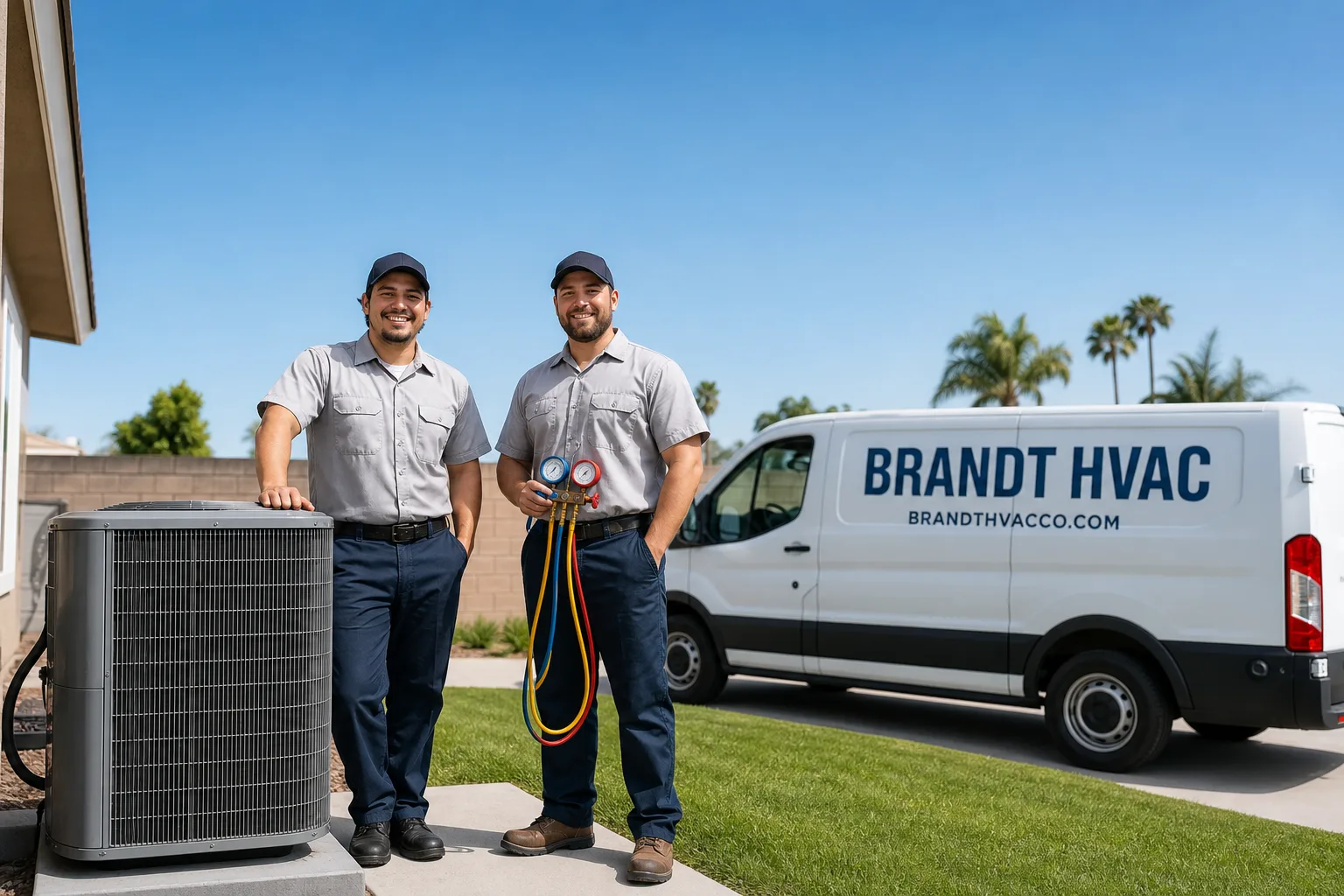
Seasonal tune-up and full diagnostic on your Carrier, Trane, or Goodman system - readings shown to you before any repair is proposed
Diagnosis first, numbers second - you approve the repair price before a single part goes in.
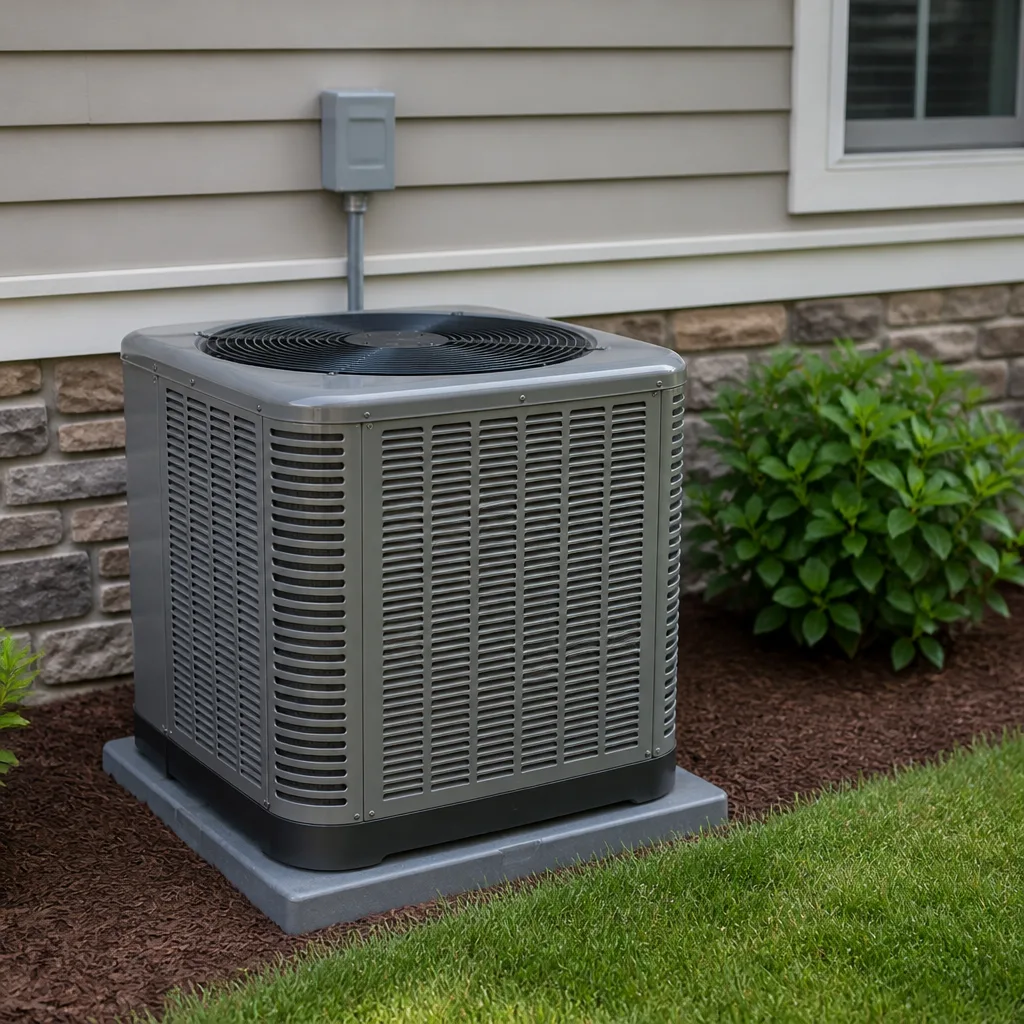
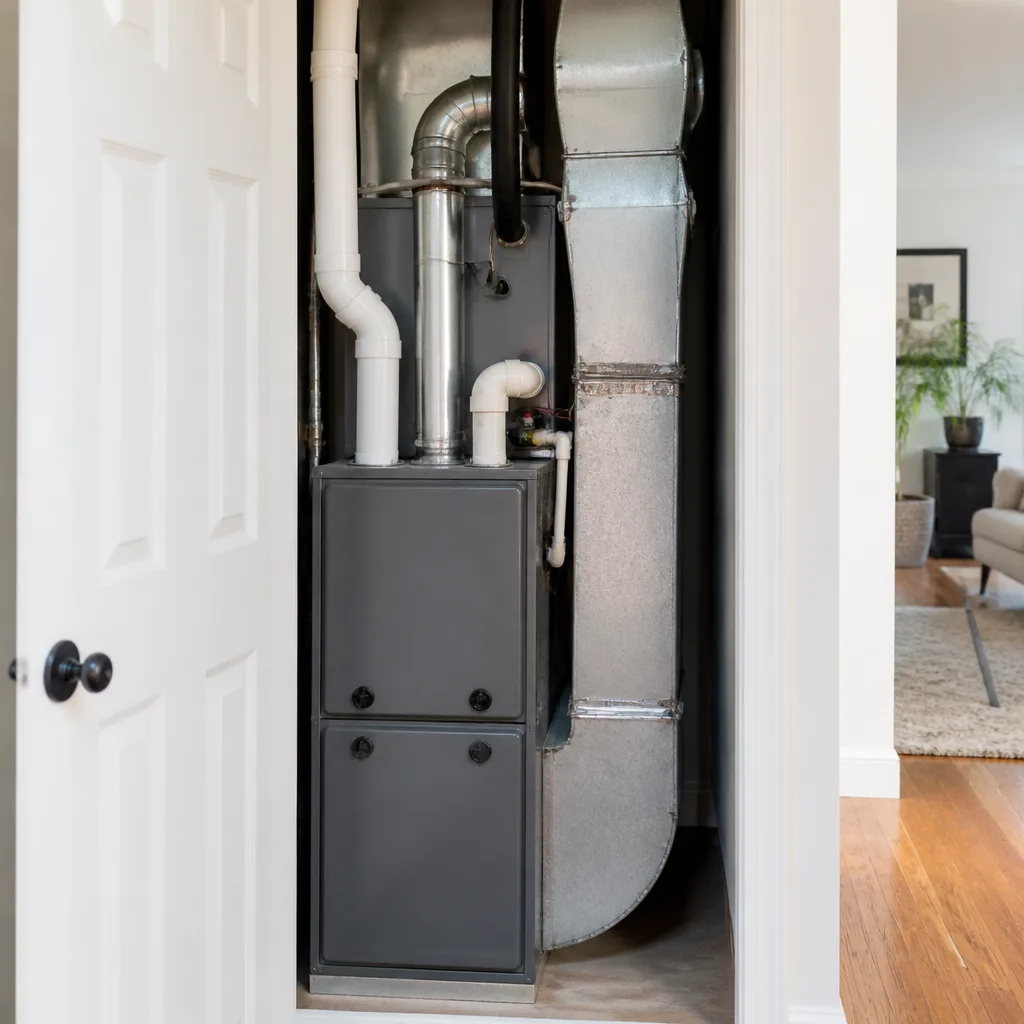
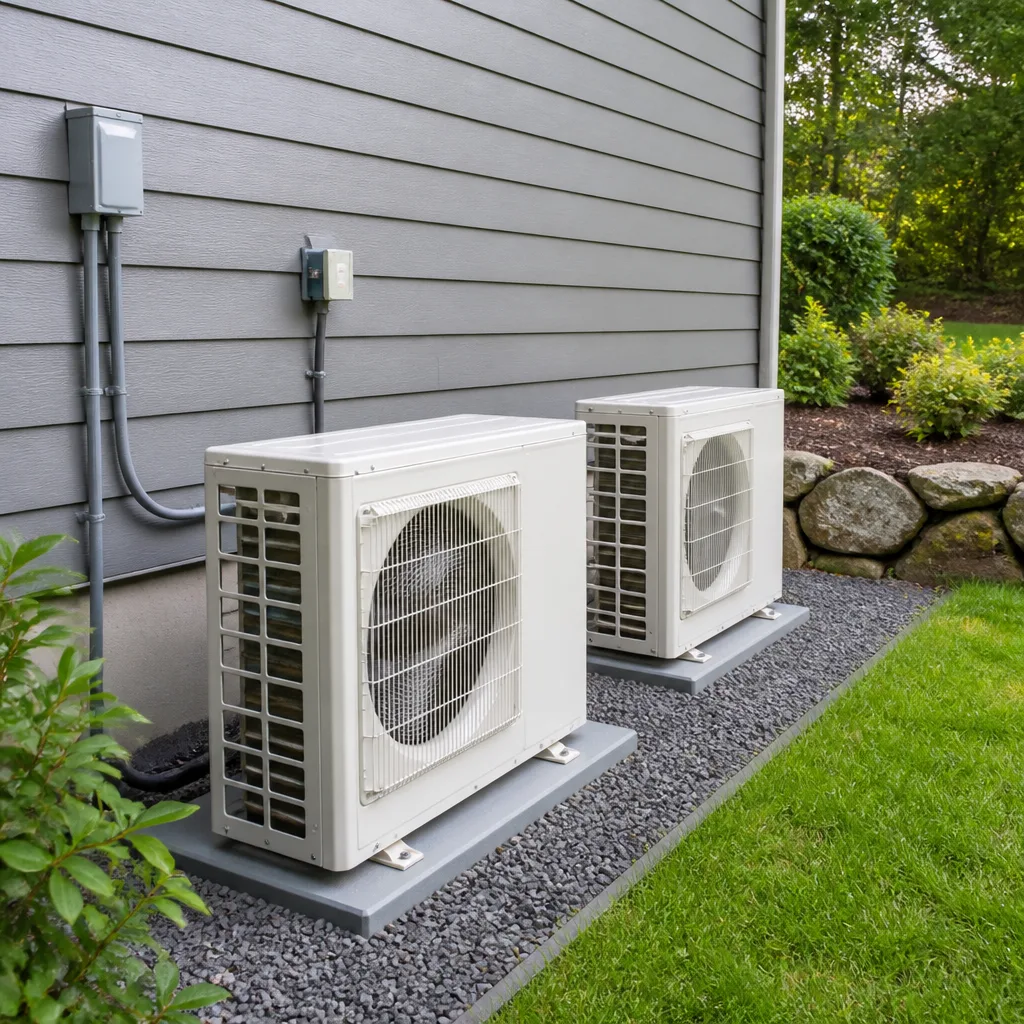
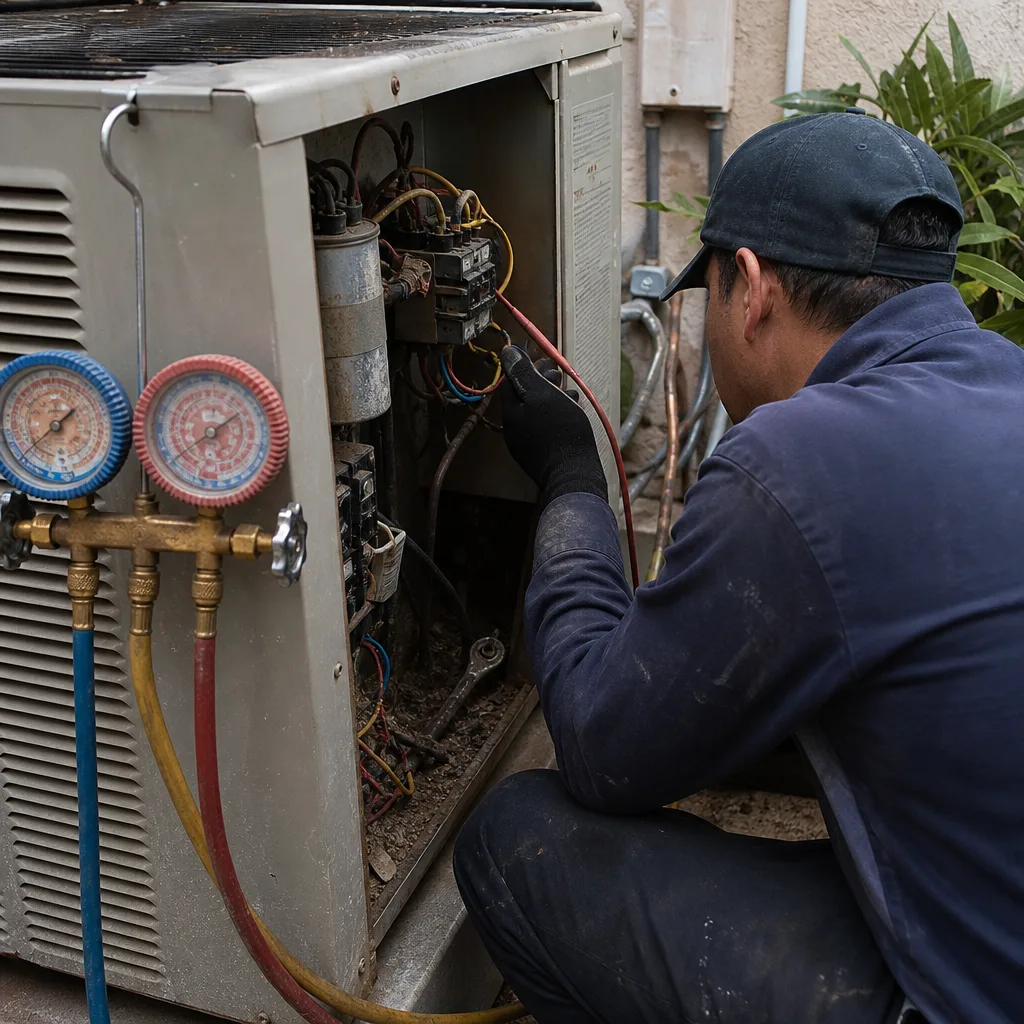 Before
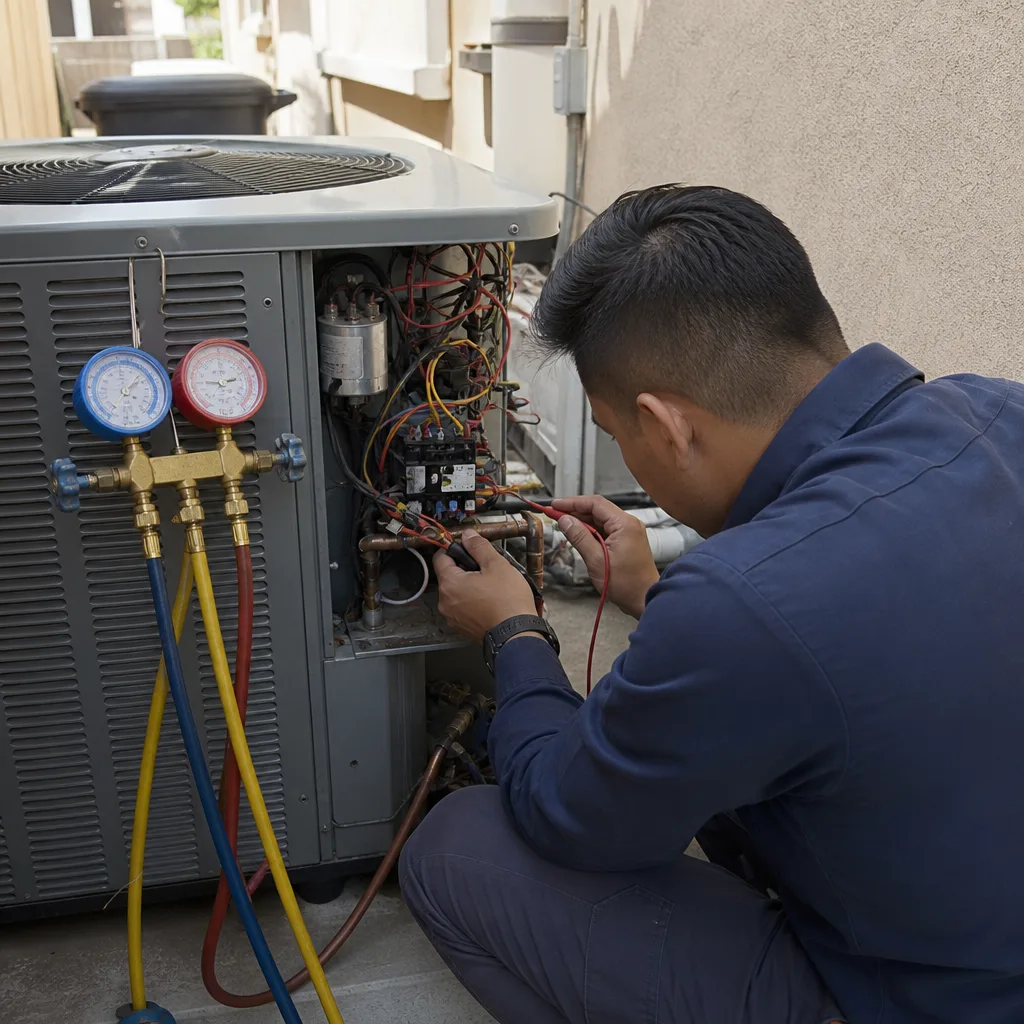 After
After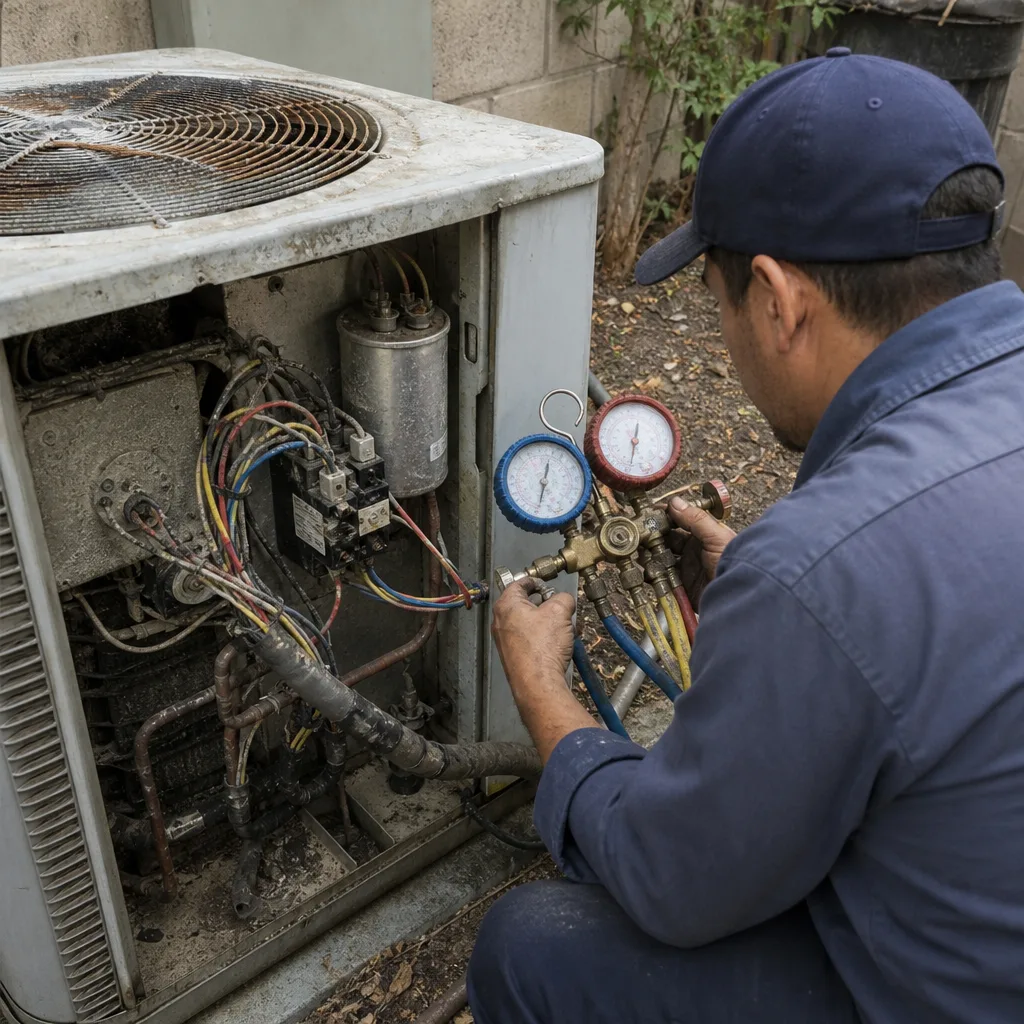 Before
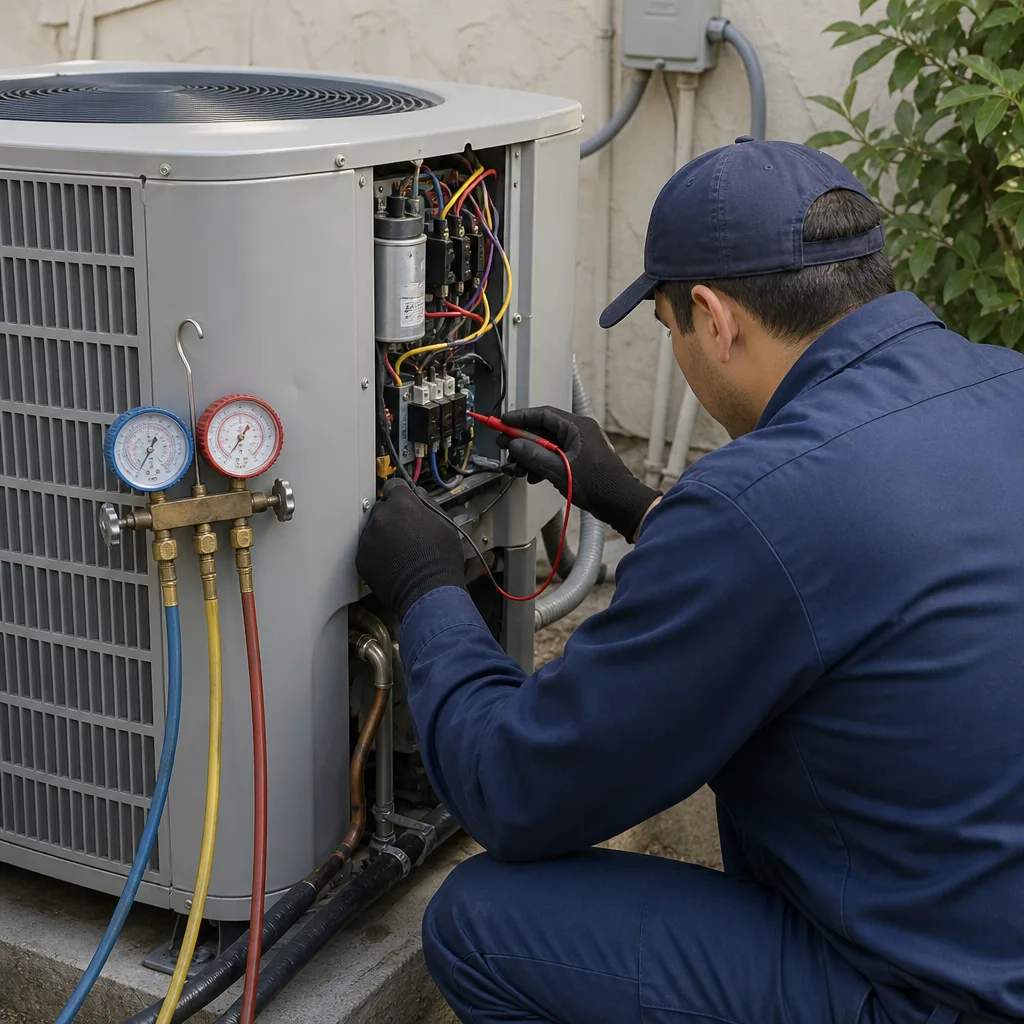 After
After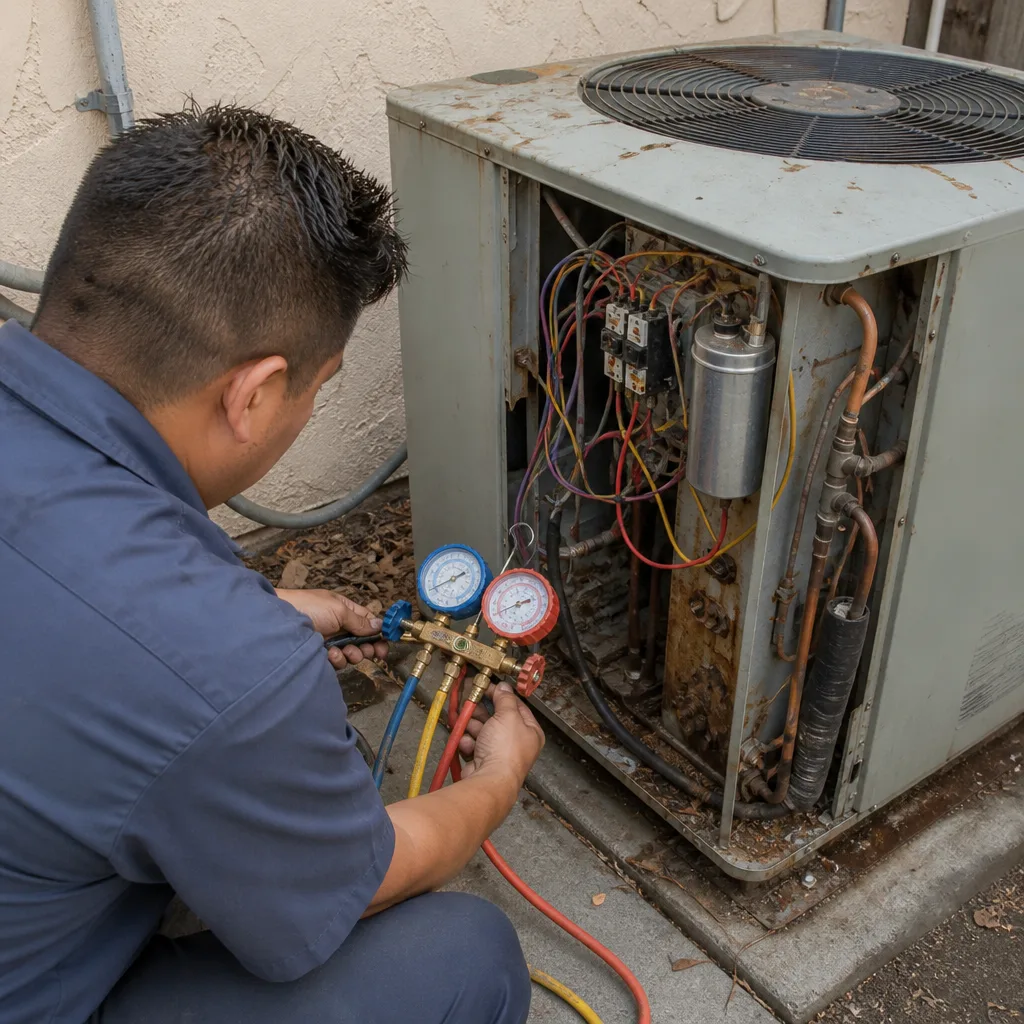 Before
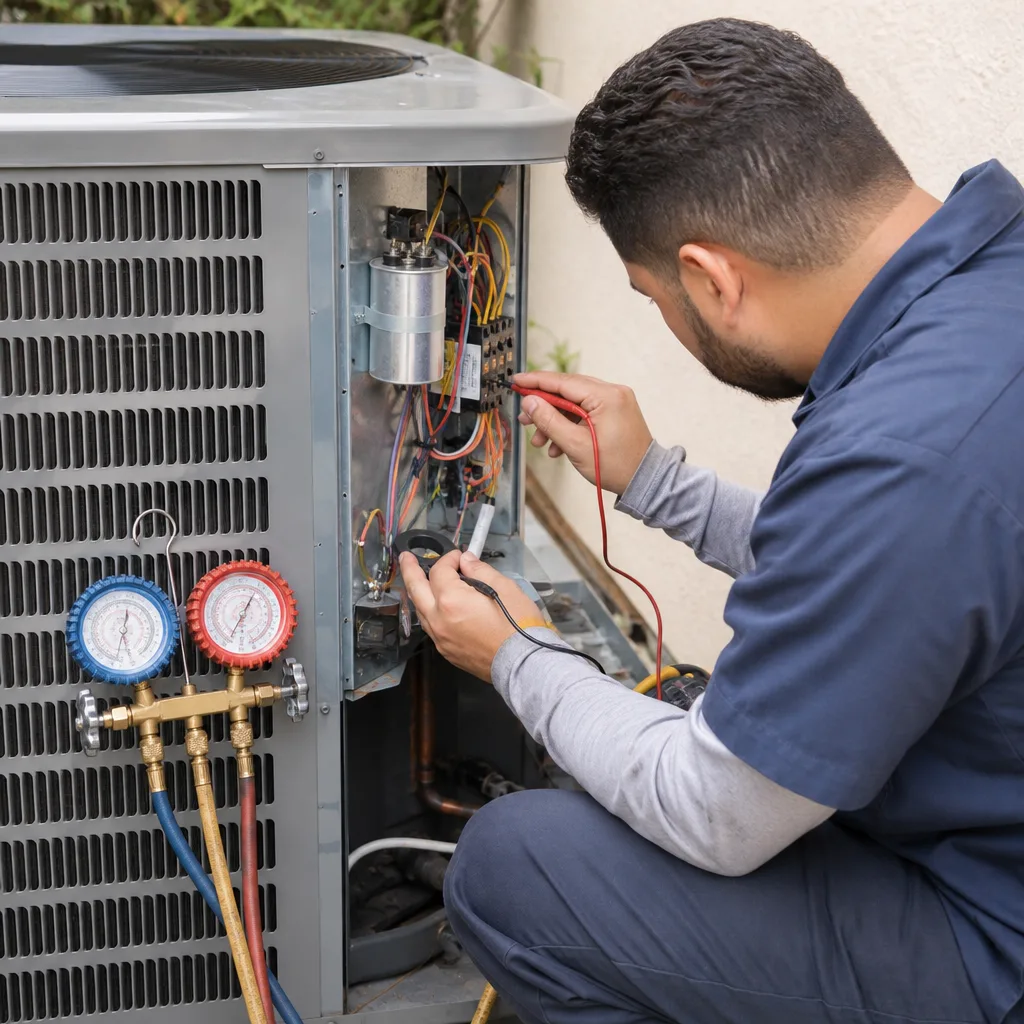 After
AfterFast, Reliable Furnace Repair Across North Tonawanda
Most furnace repairs in North Tonawanda run $150 – $700 and our technicians can typically diagnose the problem and present a written price within the first hour of arrival. If your heat goes out during one of the Niagara River corridor’s brutal cold snaps, you need someone who knows this specific climate, not a dispatcher reading from a generic script.
We’re Brandt HVAC, and our Furnace Repair team serves North Tonawanda from our New York City dispatch office with locally stationed crews. We know the difference between a furnace struggling in a well-insulated ranch on Nash Road and one fighting for its life in a 1920s worker cottage on Oliver Street with balloon-frame walls and ductwork squeezed through cavities never meant for it. When you call (984) 538-9003, a live person answers, 24 hours a day. We’ll send you your technician’s name, photo, and background-check verification before they arrive. At your door, they’ll show a photo ID badge. If anyone shows up who you weren’t told to expect, that visit is on us.
Why Brandt HVAC Is North Tonawanda’s Preferred Furnace Repair Company
North Tonawanda homeowners tell us the same thing repeatedly: they want to know exactly who is walking through their door. Our Threshold Verified standard exists for this reason. Every technician is background-checked and identity-verified. You get an introduction by text with their photo before the truck ever turns onto your street. At the threshold, they show their badge. This matters especially in North Tonawanda’s tight-knit neighborhoods, where many of our customers are older homeowners living alone or parents with young children who are cautious about strangers.
Our crews understand the local housing stock because they work in it daily. The compact bungalows near Webster Street, the two-families along Robinson Street, the pre-war cottages tucked behind the Erie Canal corridor – we’ve repaired furnaces in all of them. We carry common parts for Trane, Lennox, Goodman, and Rheem systems on our trucks, which means fewer return trips and faster heat restoration.
Response time to North Tonawanda typically runs same-day for standard calls and within hours for true emergencies, especially when temperatures drop below 20°F and the dual-lake wind funnel turns a broken furnace into a genuine safety issue. Every repair begins with a written price you approve before any work starts. Every repair also carries our 365-Day Done Right Promise: if it fails, we return at no charge.
Gas Furnace Repair in North Tonawanda
Gas Furnace Repair in North Tonawanda addresses the specific failures this climate inflicts on heating equipment, from cracked heat exchangers stressed by extreme thermal cycling to ignition faults caused by corroded electrical contacts near the canal corridor. A typical gas furnace repair in North Tonawanda costs $150 – $700, depending on whether the fix involves a simple ignitor swap or a full heat-exchanger replacement. Most calls we receive in January and February involve systems pushed beyond their design thresholds by arctic air funneled from both Lake Erie and Lake Ontario.
Heat Exchanger Cracking and Thermal Stress
North Tonawanda’s dual-lake exposure creates heating demands more severe than neighboring Tonawanda or much of the Buffalo metro. Furnace heat exchangers here cycle harder and longer, expanding and contracting repeatedly until metal fatigue sets in. A cracked exchanger is a carbon monoxide risk. Our techs test with combustion analyzers and inspect visually with borescopes. If we find a crack, we explain exactly what we found, show you the image, and give you a written replacement price before proceeding.
Ignition and Electrical Failures Near the Waterfront
Homes near the old Lumber City waterfront and the Erie Canal corridor experience accelerated corrosion on electrical contacts and control boards. The combination of residual industrial fill, high soil moisture, and persistent low-lying canal fog degrades components faster than in inland North Tonawanda neighborhoods. We see intermittent ignition faults, failed flame sensors, and pitted gas valve contacts. Our techs account for this when specifying replacement parts, often recommending upgraded sealed components or more frequent maintenance intervals.
Furnace Tune Up in North Tonawanda
Furnace Tune Up in North Tonawanda is preventive maintenance calibrated for a climate that punishes heating equipment harder than almost anywhere else in Western New York. A tune-up runs $80 – $200 and includes combustion analysis, heat-exchanger inspection, static-pressure measurement, electrical connection testing, and a full written report of what we found. For North Tonawanda’s pre-1950 housing stock with retrofitted ductwork, this isn’t optional upkeep – it’s how you catch heat-exchanger fatigue and blower-motor overload before they become midnight emergencies.
Static Pressure and Ductwork Limitations
The worker cottages and two-families that dominate North Tonawanda’s residential streets were built with gravity hot-water or steam systems, not forced air. The ductwork retrofitted into these balloon-frame structures is often undersized and convoluted. High static pressure forces blower motors to work harder, drawing more amperage and shortening lifespan. During a tune-up, we measure static pressure across the system and tell you honestly whether your ductwork is setting up your furnace for premature failure.
Combustion Efficiency in Severe Cold
When the Niagara River corridor drops below zero, a furnace running at marginal efficiency can’t keep up. Our combustion analysis checks gas pressure, burner alignment, and flue draft. We adjust for North Tonawanda’s specific conditions, not a generic spec sheet. The goal is safe, efficient heat that holds up when the dual-lake wind funnel delivers its worst.
Trusted Brands We Service in North Tonawanda
We repair and maintain all major residential furnace brands, including Trane, Lennox, Goodman, and Rheem. Our North Tonawanda service trucks carry the most common ignitors, blower motors, gas valves, and control boards for these manufacturers, which means most repairs finish in a single visit. For less common parts or older systems, our New York City office coordinates same-day or next-morning supply runs. We don’t make you wait three days for heat because a capacitor or flame sensor isn’t on the shelf.
Common Furnace Repair Problems We See in North Tonawanda Homes
- Heat exchanger cracking from dual-lake thermal cycling. North Tonawanda’s position in the Erie Canal-Niagara River wind funnel exposes furnaces to longer, harder heating cycles than inland equipment faces. The repeated expansion and contraction stresses heat-exchanger metal until it cracks, creating a carbon monoxide hazard that demands immediate replacement.
- Blower motor failure from chronic high static pressure. Retrofitted ductwork in 1900 – 1950 worker cottages and two-families is often undersized and poorly routed. Blower motors strain against this resistance, overheat, and fail prematurely. We measure static pressure during every service call and tell you if your ductwork is the root cause.
- Corroded electrical contacts and ignition faults near the canal corridor. The persistent fog, high soil moisture, and residual industrial atmosphere around the old Lumber City waterfront accelerates corrosion on control boards, flame sensors, and gas valve terminals. Intermittent operation or complete ignition failure often traces back to this localized environmental degradation.
- Flooded condenser and surge damage after severe weather. Heavy rains and spring snowmelt along the low-lying Erie Canal corridor can flood outdoor condenser pads. Homeowners sometimes flip the breaker and restart, not realizing water has compromised the contactor, capacitor, or compressor. This same flooding can backfeed moisture into furnace control wiring in combined systems, causing delayed electrical faults.
Pricing for Furnace Repair in North Tonawanda, NY
| Service | Typical Range |
|---|---|
| Gas Furnace Repair | $150 – $700 |
| Furnace Tune Up | $80 – $200 |
What drives the cost within these ranges? Simple ignitor replacements or flame-sensor cleanings land at the lower end. Heat-exchanger replacement, blower-motor swaps, or gas valve replacements push toward the higher end, especially in tight mechanical spaces common to North Tonawanda’s older homes where access adds labor time. We give you a written, itemized price before any work begins. No exceptions. If we find something unexpected during diagnosis, we stop and explain it. You approve every dollar. Estimates are free. Call (984) 538-9003 to schedule.
We Also Serve Cities Near North Tonawanda
Our Furnace Repair in North Tonawanda crews also respond to calls in Tonawanda, Niagara Falls, Buffalo, and Lockport. Each community has its own housing stock and microclimate challenges, but the same Threshold Verified standard and written pricing apply everywhere we work.
Serving North Tonawanda, NY - Our Local Coverage Area
We’re based in the North Tonawanda area and know this community well. Use the map below to see our service coverage - if you’re nearby, we can almost certainly help.
FAQs About Furnace Repair in North Tonawanda
No. Never restart a flooded condenser by simply flipping the breaker. Water compromises electrical contacts, capacitors, and the compressor itself; energizing wet components risks catastrophic damage, fire, or personal injury. In combined HVAC systems, floodwater can also backfeed moisture into furnace control wiring, causing delayed shorts that may not appear immediately. Call us at (984) 538-9003 – we’ll inspect, dry, and test every component safely before restart.
North Tonawanda’s dual-lake wind funnel drives more severe and prolonged cold snaps than Tonawanda experiences, pushing furnaces to cycle harder and more frequently. Combined with the undersized retrofitted ductwork common in North Tonawanda’s pre-1950 worker cottages, this creates high static pressure that triggers limit switches and causes short-cycling. The fix usually involves addressing both the thermal load and the airflow restriction, not just replacing a part.
Use a properly sized generator with clean, stable power, and install a whole-home surge protector at your electrical panel. Furnace control boards are sensitive to voltage spikes and frequency fluctuations; a cheap generator or direct connection without isolation can fry the board instantly. Never backfeed through a dryer outlet – it’s dangerous and illegal. We can evaluate your system and recommend generator sizing and surge protection specific to your furnace model.
Cast-iron steam and hot-water boilers are distinct from forced-air furnaces and require boiler-specific parts like zone valves, circulator pumps, and expansion tanks. Many North Tonawanda homes still heat with these systems. Our techs carry common boiler components and know how to work with the low-pressure steam and gravity circulation these systems use. If you’re considering conversion to forced-air, we’ll give you an honest assessment of whether it’s worth the investment.
We recommend annual tune-ups for most North Tonawanda homes, and semi-annual checks for systems in the canal-corridor fog zone or in pre-1950 housing with known ductwork limitations. The dual-lake climate and aging housing stock here create more stress than inland locations. A tune-up every fall, before the first serious cold snap, catches problems when they’re fixable, not when they’re emergencies. Call (984) 538-9003 to schedule – estimates are free.
Ready to get your heat back? Call Brandt HVAC at (984) 538-9003. A live person will answer, day or night, and we’ll send you your technician’s name and photo before they arrive at your North Tonawanda home. Written price first. Written guarantee on every repair. That’s the Threshold Verified standard.
Written by Devin Marlowe, Owner at Brandt HVAC, serving North Tonawanda and the surrounding Western New York communities.