
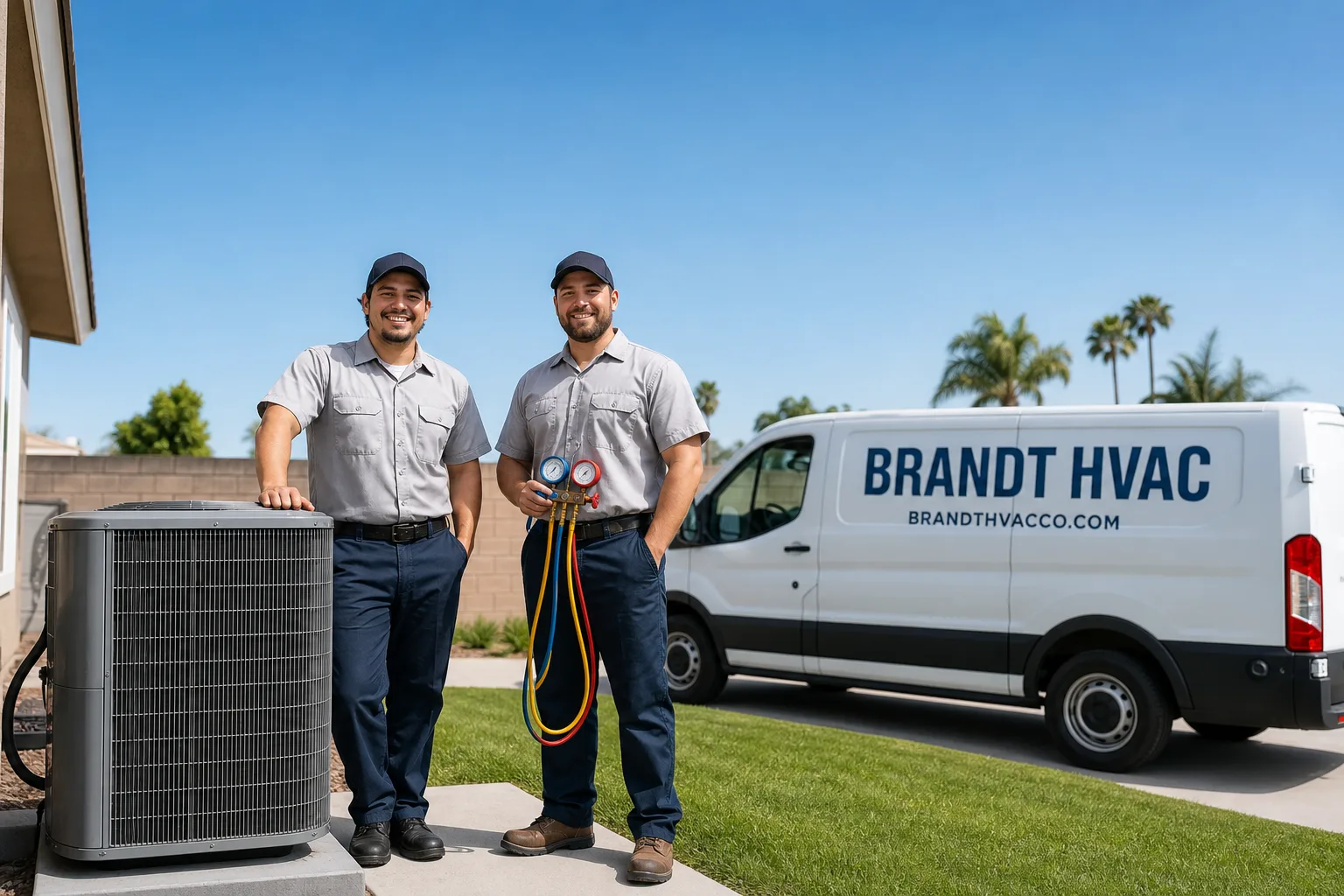
Seasonal tune-up and full diagnostic on your Carrier, Trane, or Goodman system - readings shown to you before any repair is proposed
Diagnosis first, numbers second - you approve the repair price before a single part goes in.
 Before
 After
After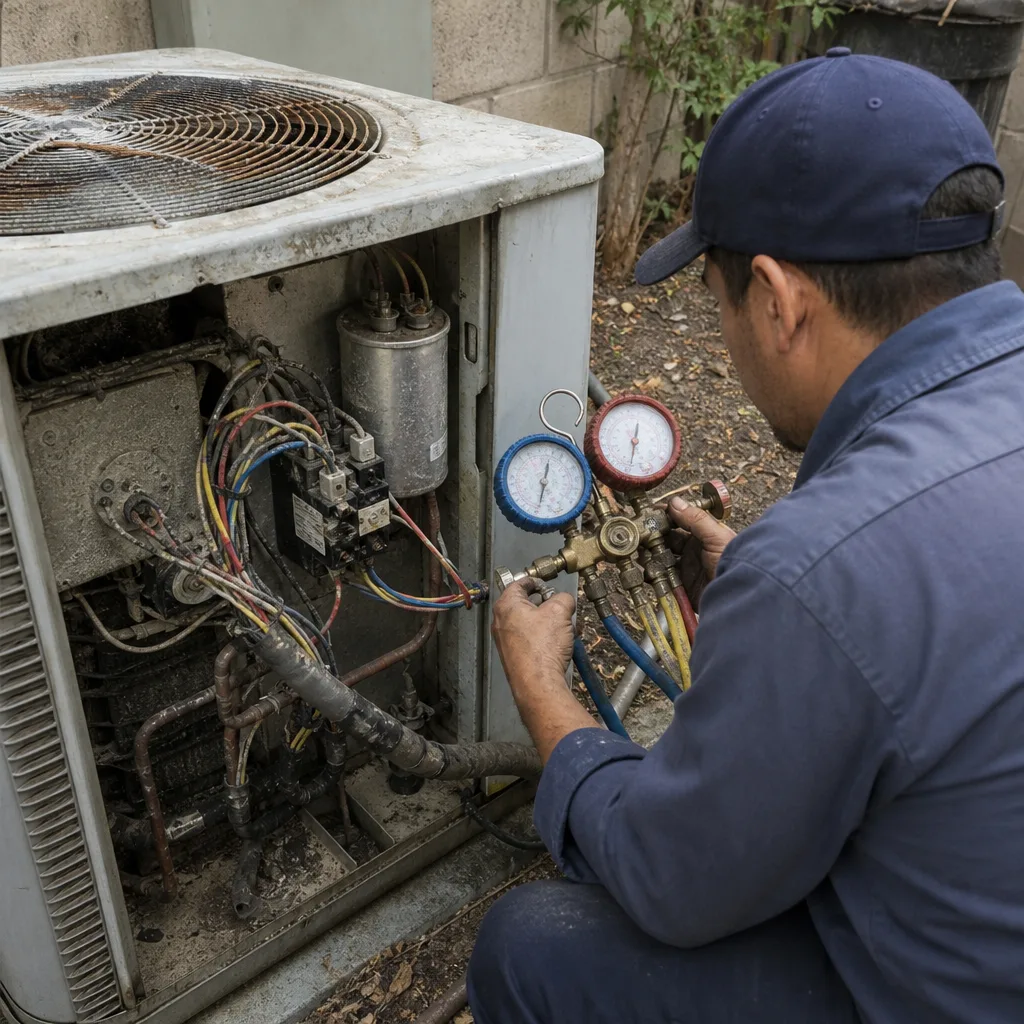 Before
 After
After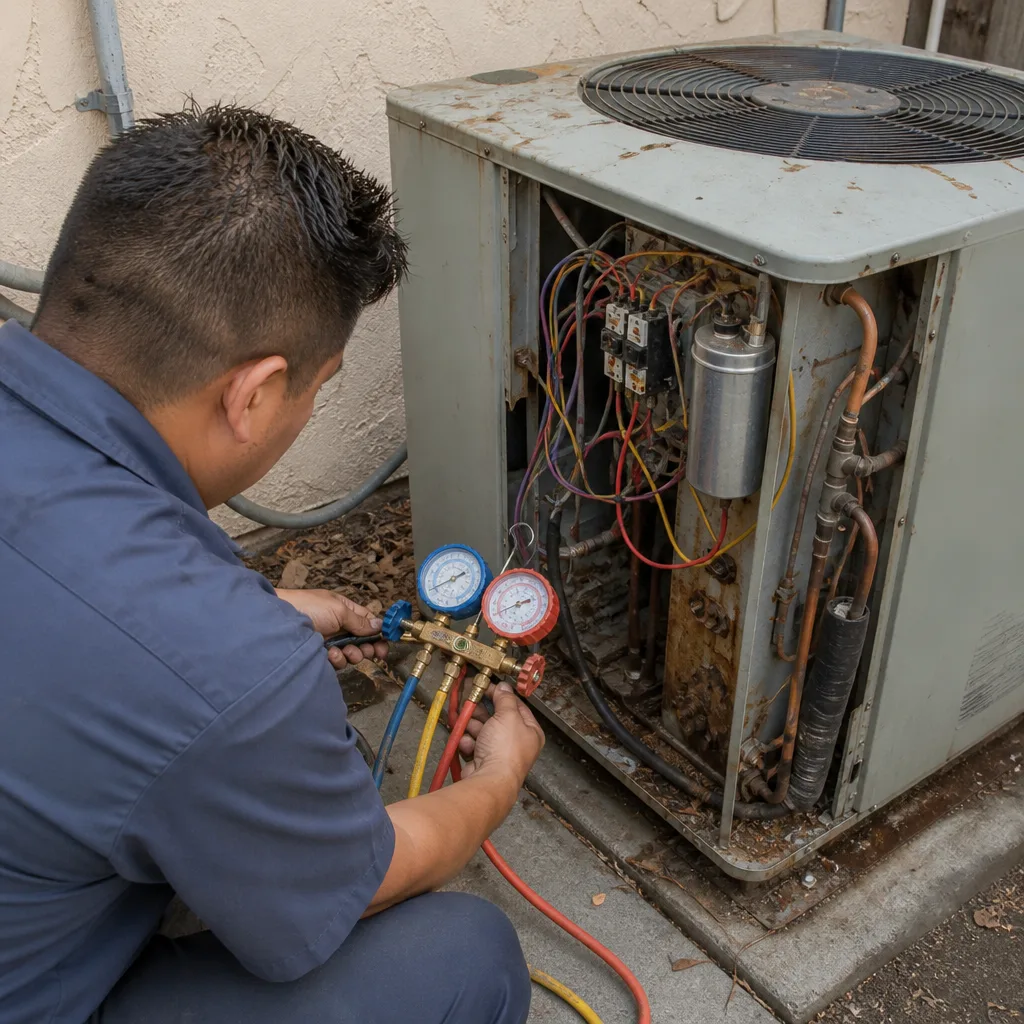 Before
 After
AfterHigh Energy Bills
A sudden or steady rise in your energy bills almost always means your HVAC system is working harder than it should to move the same amount of heat or cold air. The most common reasons are a dirty or failing component that’s making the system run longer, a refrigerant issue reducing efficiency, or a furnace or air conditioner that’s simply losing its ability to do the job it used to do easily. None of these fix themselves.
Your system is designed to hit a target temperature and shut off. When something’s wrong, it keeps running to chase that target – and your meter keeps spinning the whole time. A unit that runs two or three times longer than normal can show up as a dramatic jump in your monthly bill before you notice any comfort issue at all. That’s what makes high energy bills one of the most reliable early warning signs in HVAC. Catching it now, before the system fails completely, usually means a simpler and less disruptive repair.
Why It Happens
A Clogged or Neglected Air Filter
A dirty air filter is the single most common cause of rising energy use, and it’s the first thing worth checking. When the filter is packed with dust and debris, your blower motor has to work significantly harder to pull air through it – and harder work means more electricity consumed on every cycle. Pull the filter out and hold it up to a light source. If you can’t see light through it, it’s overdue for a change and has likely been taxing your system for weeks.
Low Refrigerant (AC Systems)
If your air conditioner is short on refrigerant – usually because of a slow leak somewhere in the system – it loses its ability to transfer heat efficiently. The compressor runs longer trying to compensate, and your bills climb while your home still feels warm. You won’t be able to see a refrigerant level yourself, but the signs are there: the air coming from your vents feels less cold than it used to, or you notice ice forming on the refrigerant line running into your outdoor unit. Either of those is worth a call.
A Dirty or Failing Condenser or Evaporator Coil
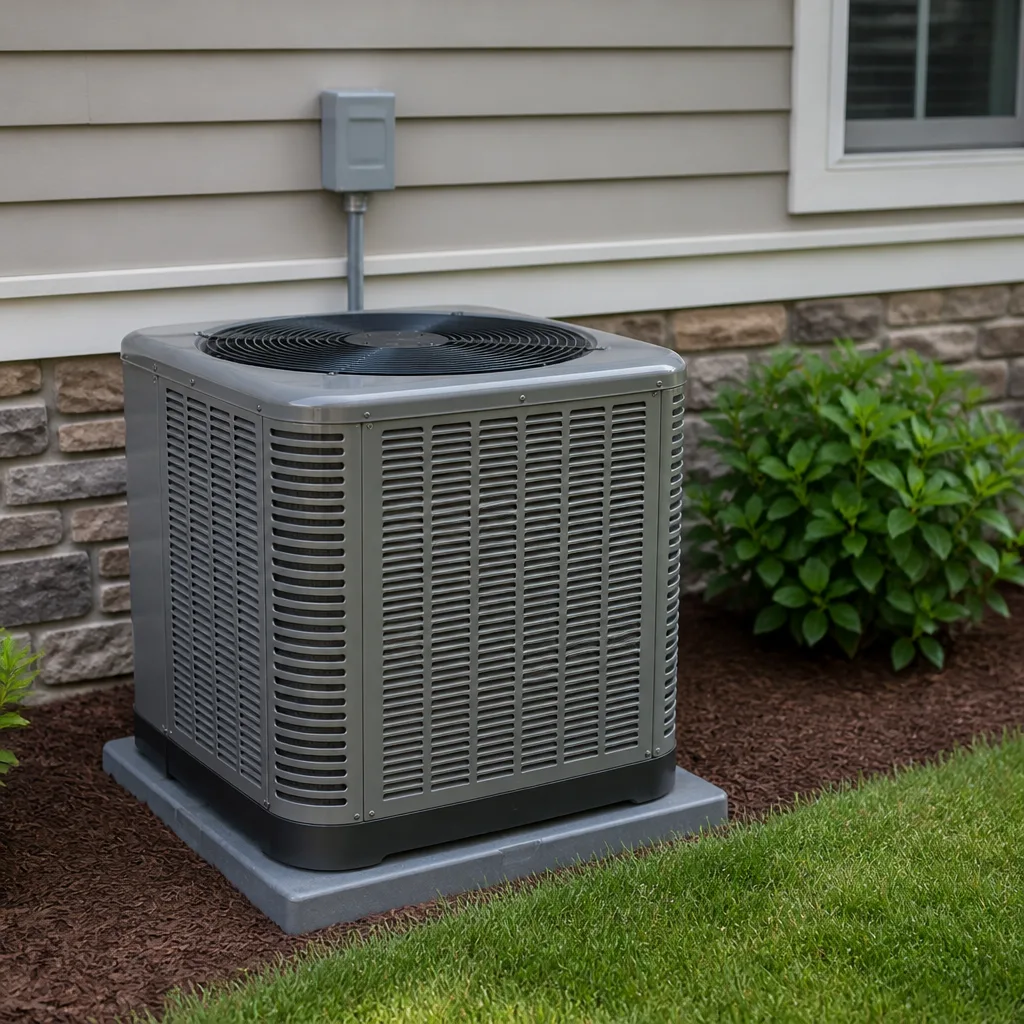
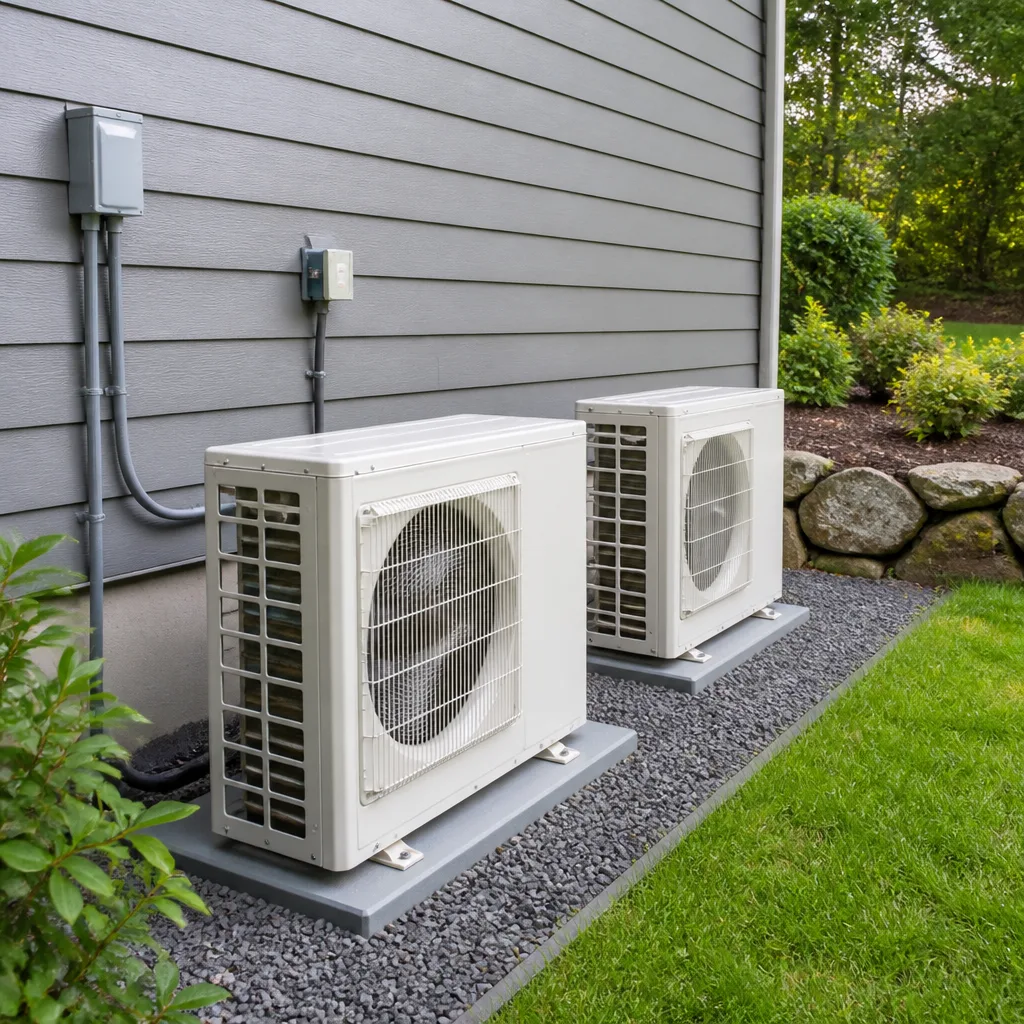
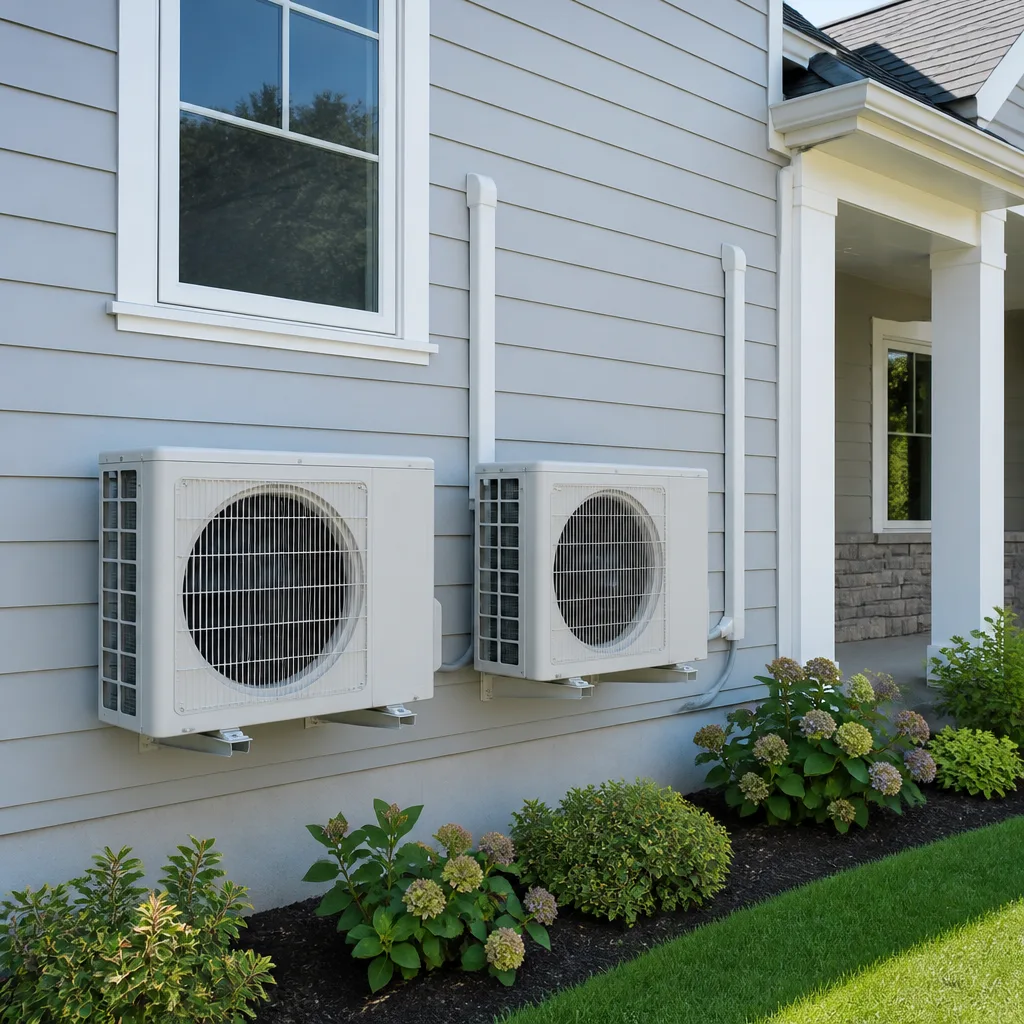
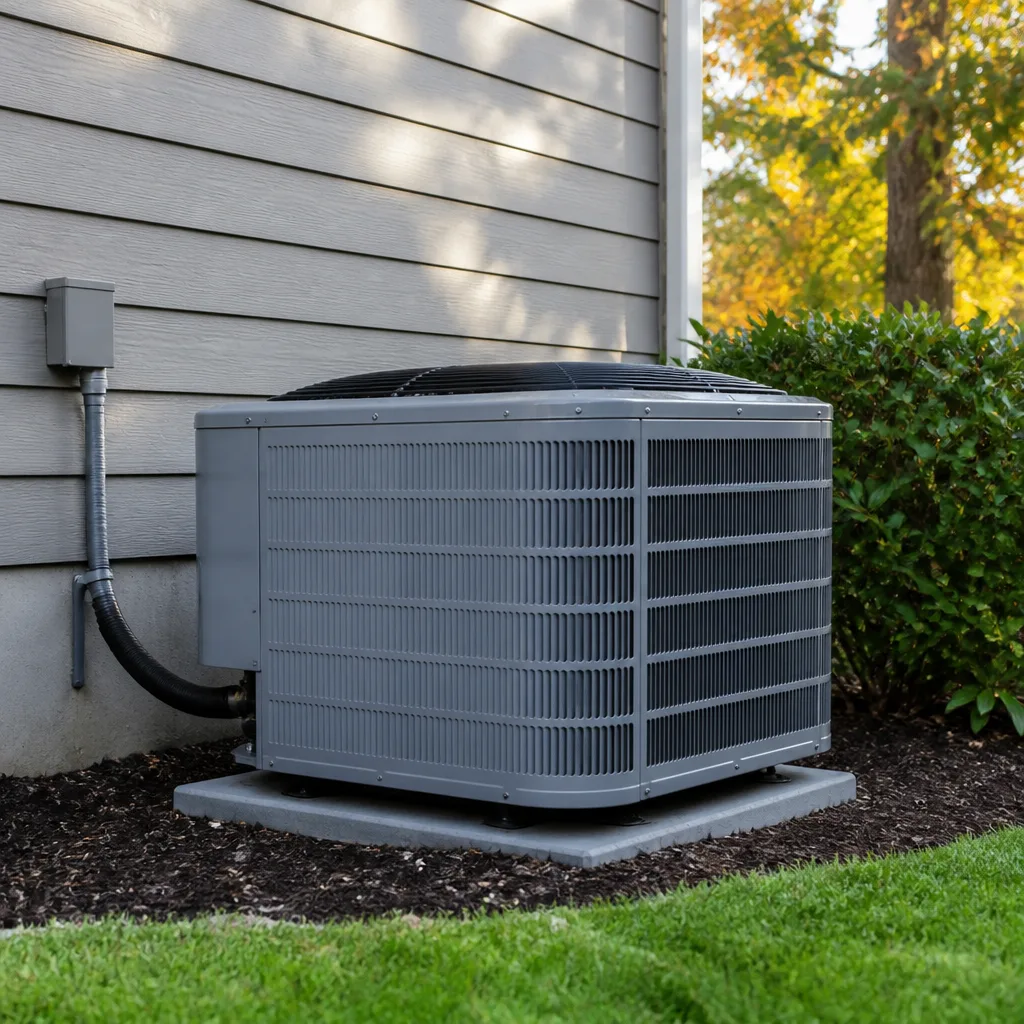
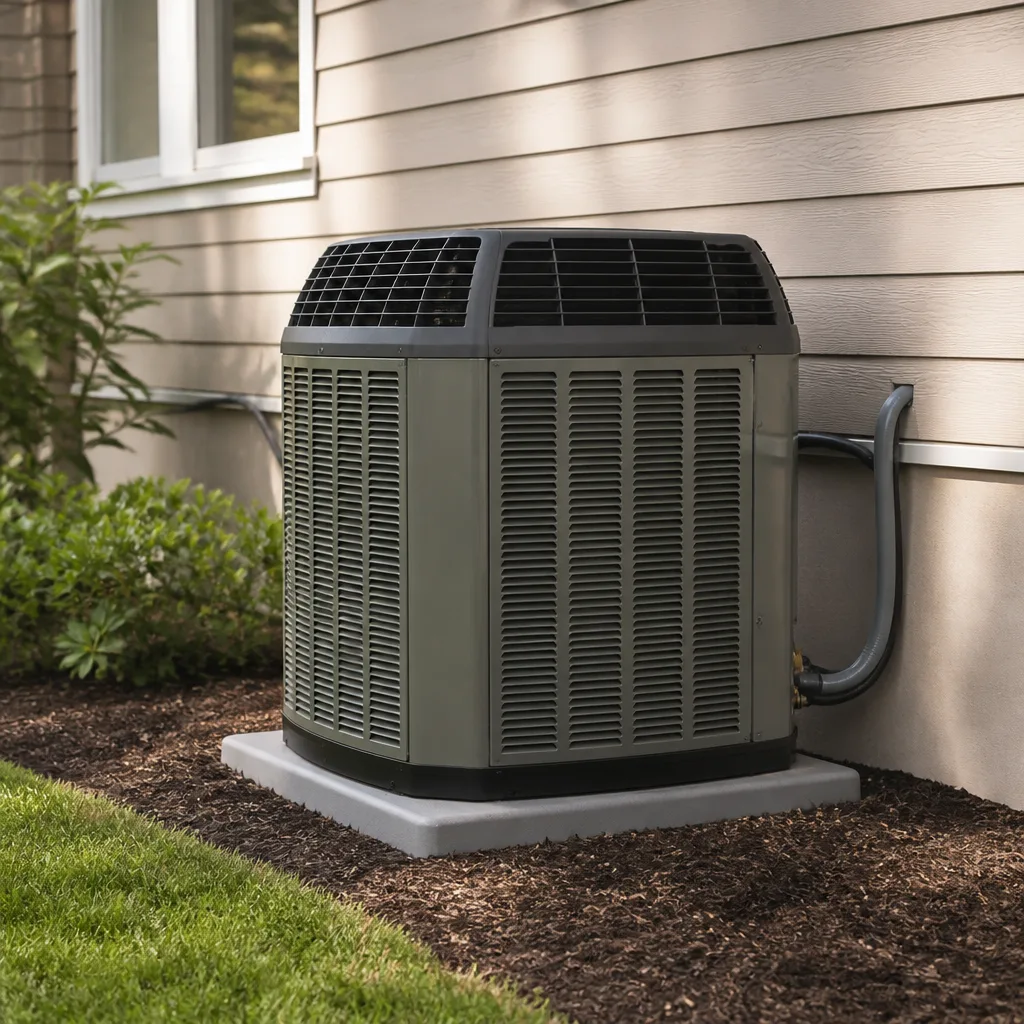
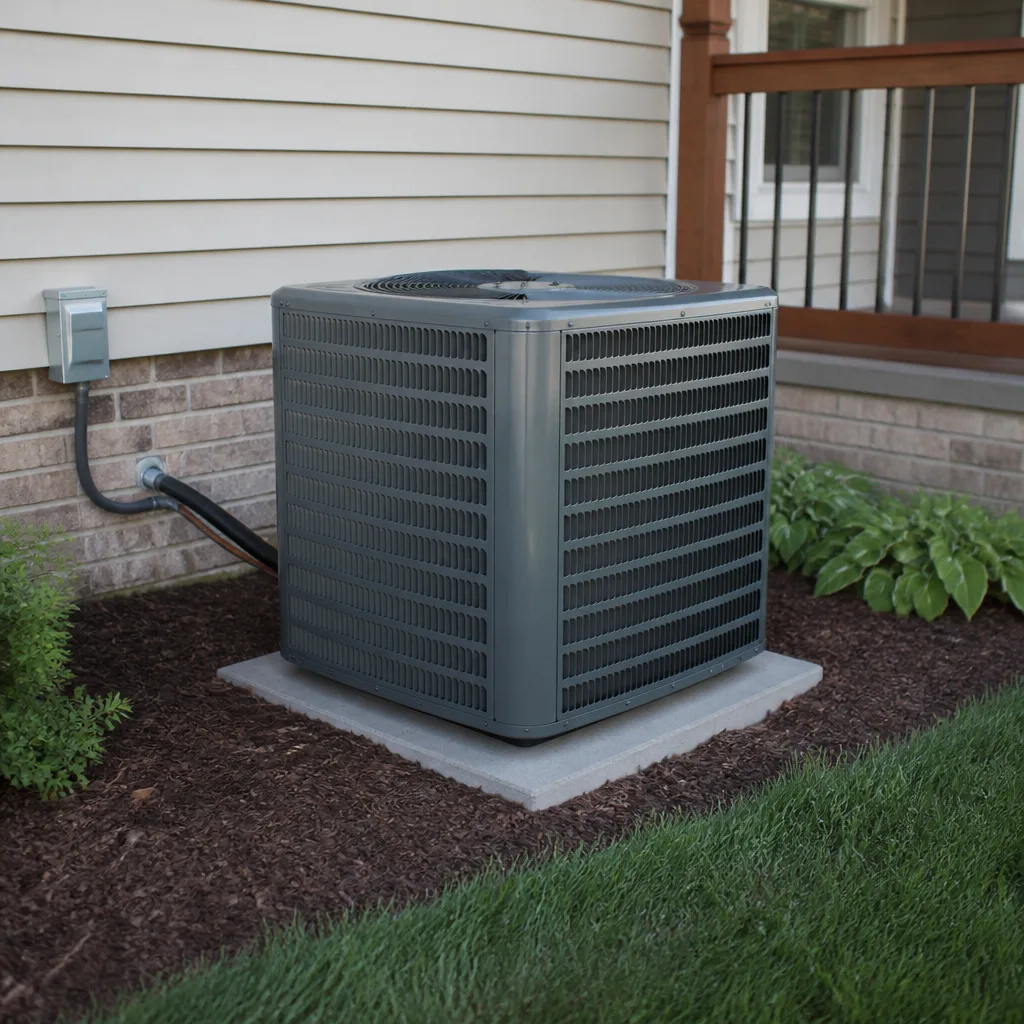
Your AC system has two coils – an evaporator coil inside and a condenser coil in the outdoor unit – and both need to transfer heat freely to work efficiently. When they’re coated in dirt, grass clippings, or debris, they can’t shed or absorb heat properly, so the system runs longer cycles to hit the same result. Look at the outdoor unit: if the fins on the sides look matted or clogged, that’s a sign the condenser coil is struggling. The indoor evaporator coil is harder to see, but a technician can check it in minutes.
A Failing Furnace Heat Exchanger or Aging AC Compressor
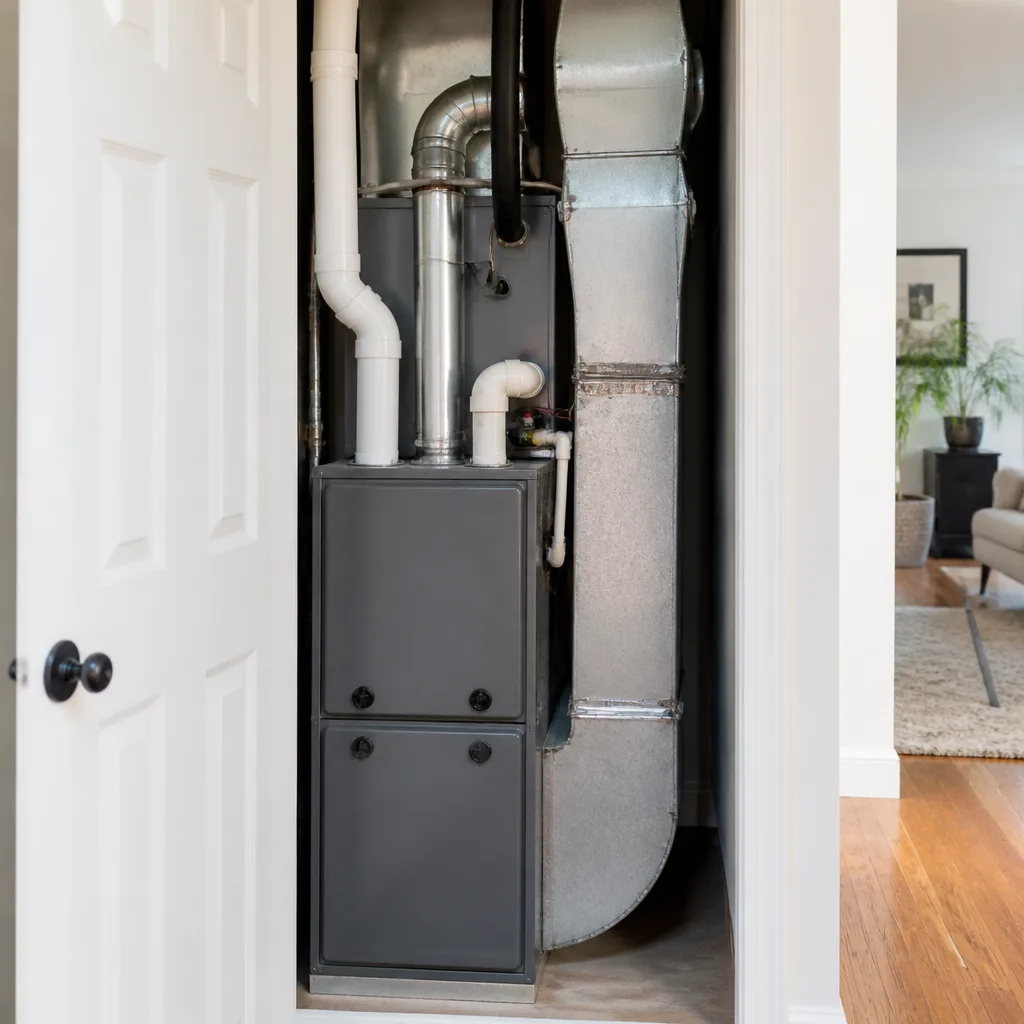
Older equipment develops mechanical inefficiencies that simply can’t be reversed with cleaning. A furnace heat exchanger that’s cracking or corroding doesn’t transfer heat to your air the way it used to, so the burner runs longer to reach the thermostat setting. An aging compressor in your AC draws more electrical current to do less work. Both show up first as higher bills rather than outright failure. If your system is getting older and efficiency has been slipping for a season or two, this is the most likely explanation – and a technician can confirm it with a few diagnostic readings.
What to Do Right Now
- Check and replace the air filter. Find your filter location – usually at the return air vent or inside the air handler – and pull it out. If it’s grey and dense, replace it with the correct size and MERV rating for your system. This takes five minutes and occasionally solves the problem entirely.
- Look at the outdoor unit. Walk outside and look at the condenser. Clear any leaves, grass, or debris that have built up against the fins. Don’t try to clean the coils yourself with a hose at pressure – the fins bend easily and a damaged coil is a more expensive problem than a dirty one. Note what you see and mention it when you call.
- Check your thermostat settings. Confirm the thermostat is set to the mode and temperature you expect. A thermostat stuck in continuous-fan mode or set to an extreme temperature will run the system nonstop. If the thermostat is blank or unresponsive, check whether the batteries need replacing before assuming it’s a bigger problem.
- Look for ice on any part of the system. Ice on the refrigerant line or on the outdoor unit is a sign the system is operating outside its normal parameters. If you see ice, turn the system off at the thermostat and call us. Running an iced-up system can damage the compressor, which is one of the most expensive components in your AC.
- Do not attempt to access the electrical components, refrigerant lines, or the heat exchanger yourself. These components carry high voltage, operate under pressure, or vent combustion gases. What you can safely observe is the filter, the outdoor unit’s exterior, and the thermostat. Everything else – stop at the cabinet door and call a technician.
How We Fix It
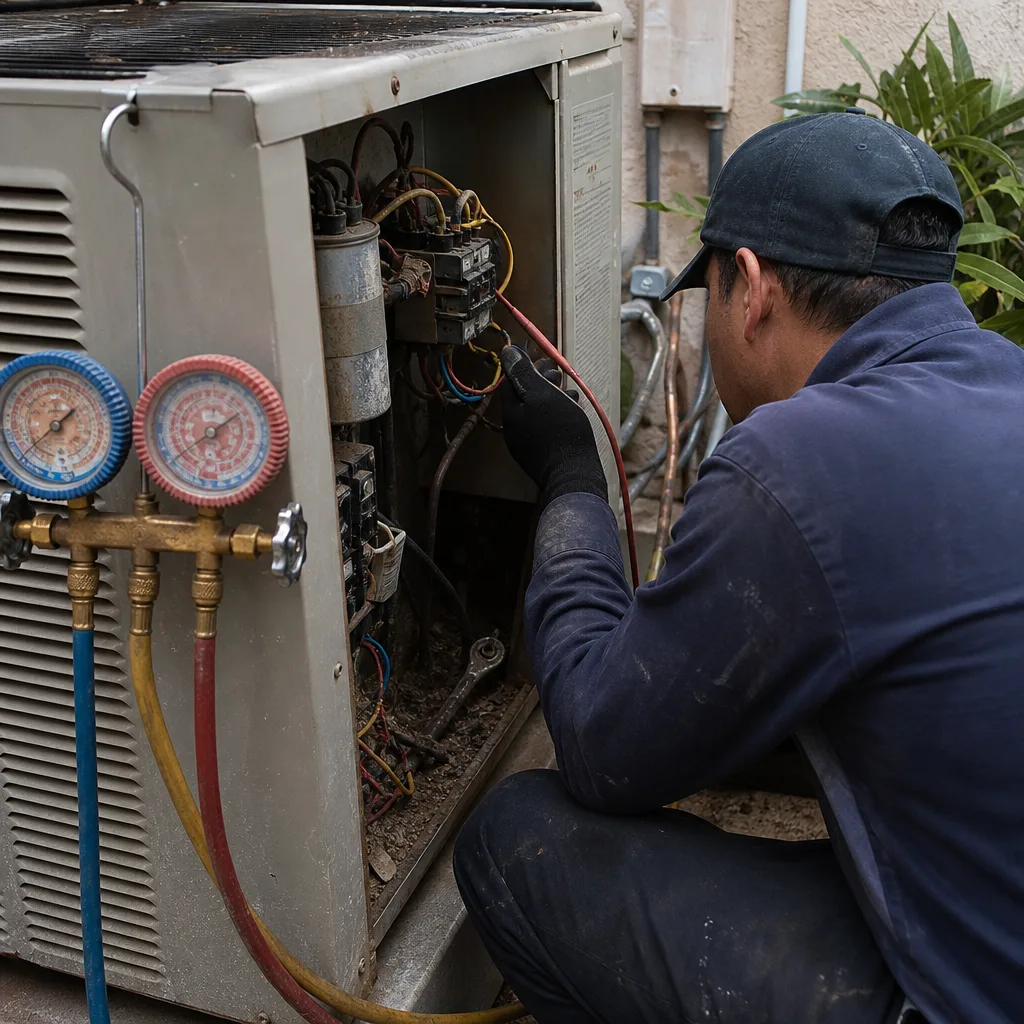
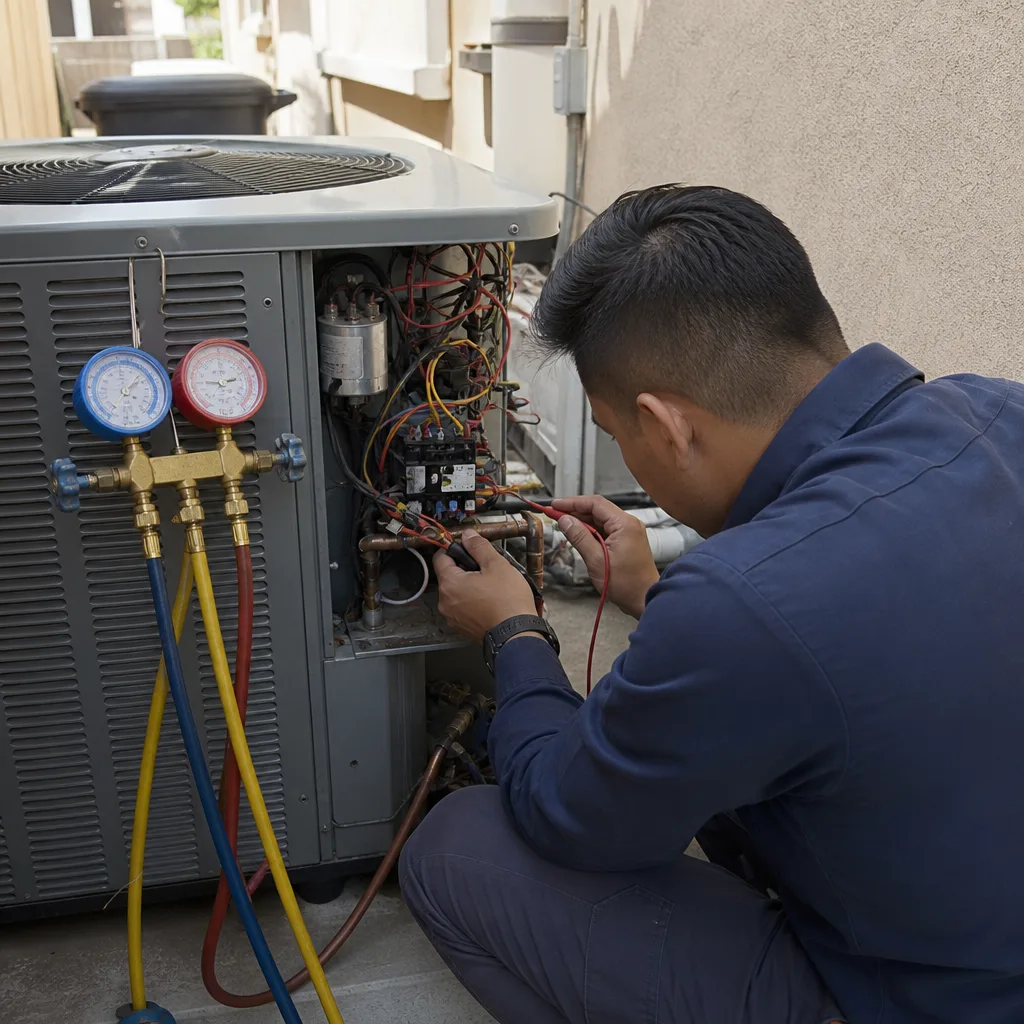
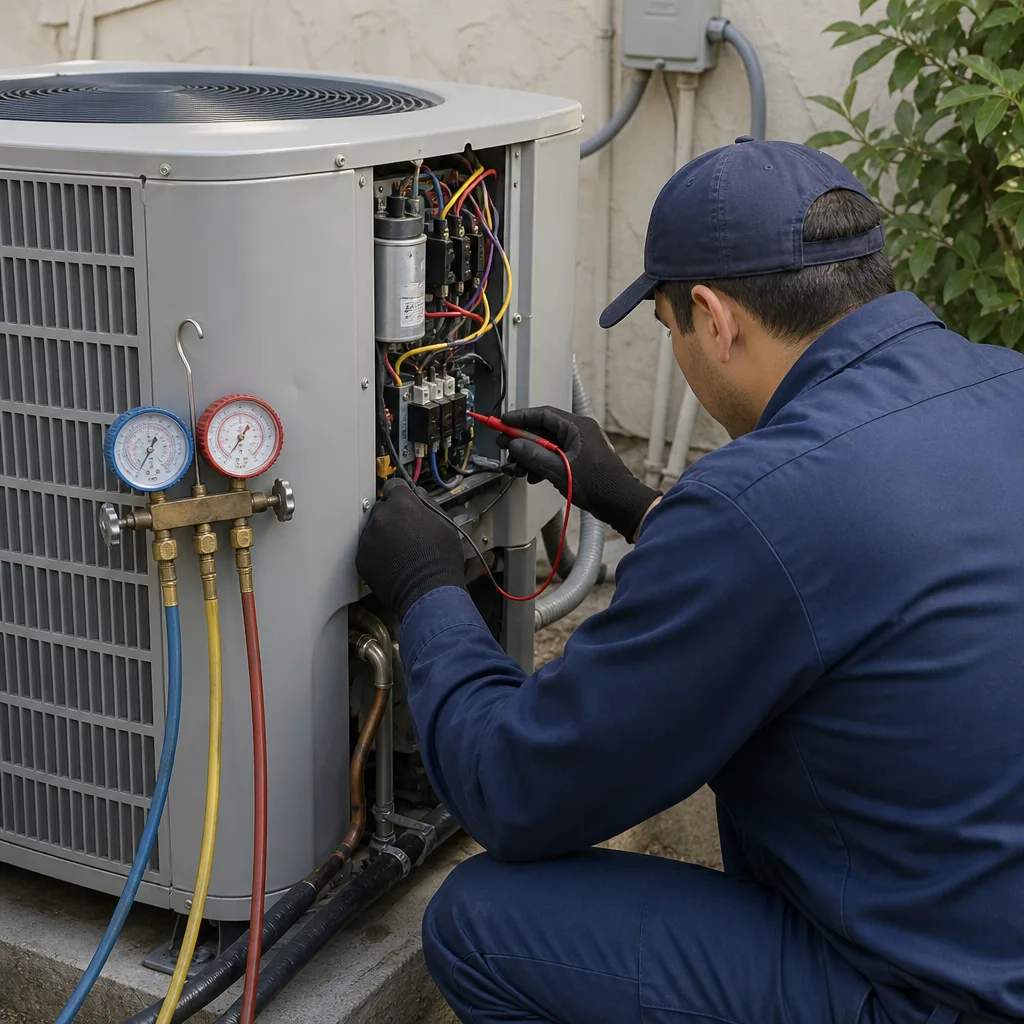
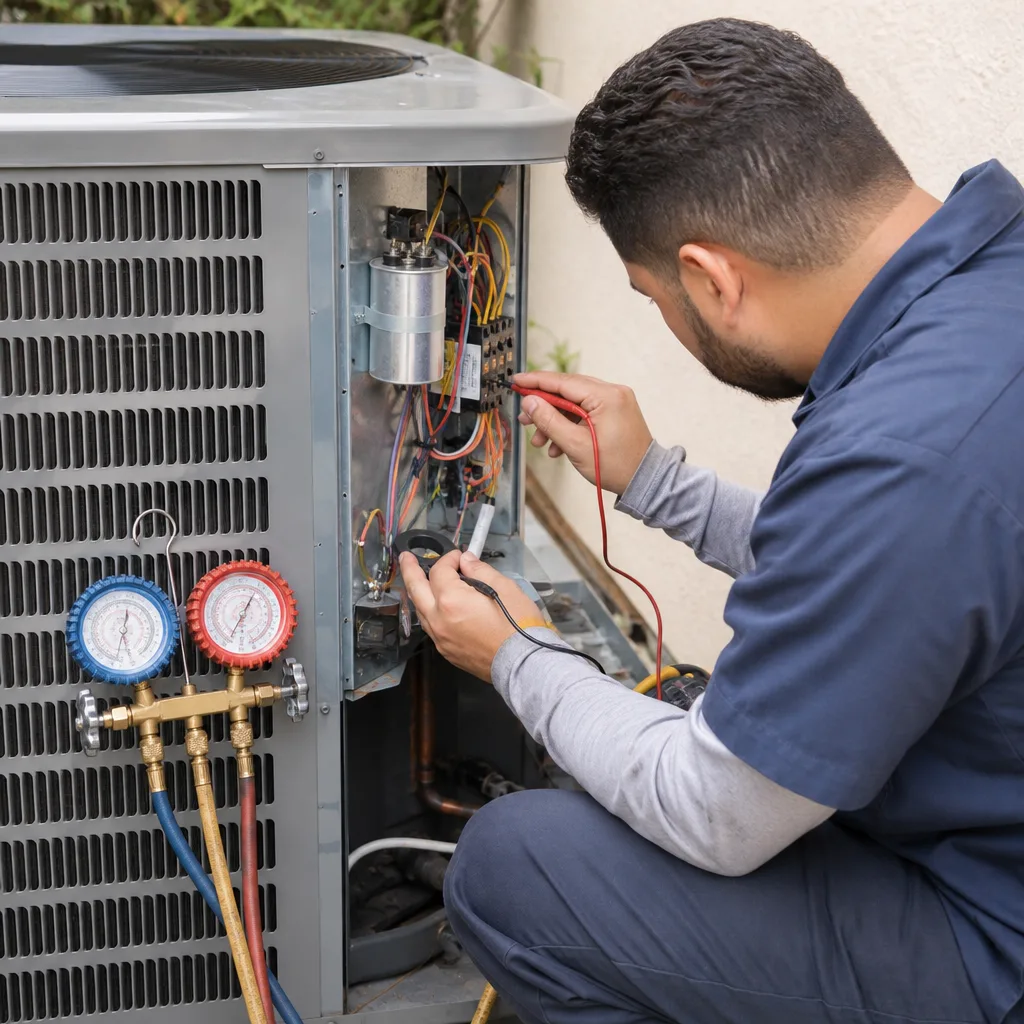
When your local Brandt HVAC team arrives, the technician starts with a full diagnostic check of the system – airflow measurements, refrigerant pressure readings, electrical draw on the compressor and blower motor, and a visual inspection of the coils and heat exchanger. The goal is to find the specific reason your system is overworking, not just the most obvious one. Before anything is repaired or replaced, you’ll receive a written price for the exact work recommended. Nothing starts until you’ve seen that number and agreed to it – that’s how every single Brandt job works, no exceptions.
Most efficiency-related repairs – coil cleaning, refrigerant recharge, a failing capacitor or contactor replacement – are completed in a single visit. If the diagnosis points to an AC maintenance issue like a dirty system that’s never been properly serviced, that’s exactly what AC Maintenance is for. If it’s a component failure driving the inefficiency, AC Repair or Furnace Repair covers it depending on which system is at fault. Every repair comes with a written guarantee, and if it doesn’t hold within the guarantee period, we come back at no charge under the 365-Day Done Right Promise.
Frequently Asked Questions
Yes – a significant or fast-rising efficiency loss is often the first warning before a breakdown. A compressor or heat exchanger that’s degrading will show up in your electric or gas bill before it quits entirely. Getting a technician to diagnose the problem now gives you options. Waiting until the system stops working entirely usually means a more urgent situation with fewer choices. Call (984) 538-9003 and we can often get someone out to you the same day.
It depends on what’s causing it. A dirty filter can wait a day while you buy a replacement. A refrigerant leak, a failing capacitor, or ice on the system should not wait – running the system in those conditions can turn a moderate repair into a compressor replacement. If you’re seeing ice, hearing unusual sounds, or the comfort in your home is also slipping, treat it as urgent. Call (984) 538-9003 and a live person will pick up any time, day or night, to help you decide how quickly we need to get there.
We don’t publish a price list because every system and situation is different – a dirty coil costs less to address than a failing compressor, and the right answer depends on what the diagnostic actually finds. What we can tell you is that you’ll have a written price in hand before any work starts. There are no surprises on a Brandt invoice, and no work begins until you’ve agreed to the number in writing.
In most cases, yes. Your local Brandt HVAC team handles same-day service for repair calls, and our phones are answered by a live person every hour of every day – no voicemail, no callback queue, no automated phone tree. Call (984) 538-9003 right now and tell us what you’re seeing. We’ll tell you availability honestly, and we’ll send your technician’s name and photo to you before anyone knocks on your door.
Get It Fixed
Call (984) 538-9003 now – a live person answers every call, 24 hours a day, 7 days a week. Your local Brandt HVAC team will diagnose the problem, give you a written price before any work starts, and get your system running efficiently again. You’ll know who’s coming before they arrive.
Written by Devin Marlowe, Owner and Lead HVAC Technician, Brandt HVAC – part of the Threshold Group family of home-service companies, established in 2003.
What Our Customers Say
"Furnace ignitor went out on a cold morning. Part was on the truck, installed in thirty minutes."
- Alvin K."Annual tune-up on the furnace. He cleaned the burners, tested the heat exchanger, and told me what was fine and what to watch. No scare tactics."
- Lorraine E."Maintenance plan is simple and the tech showed me the readings, not just said it was fine."
- Maribel C.