
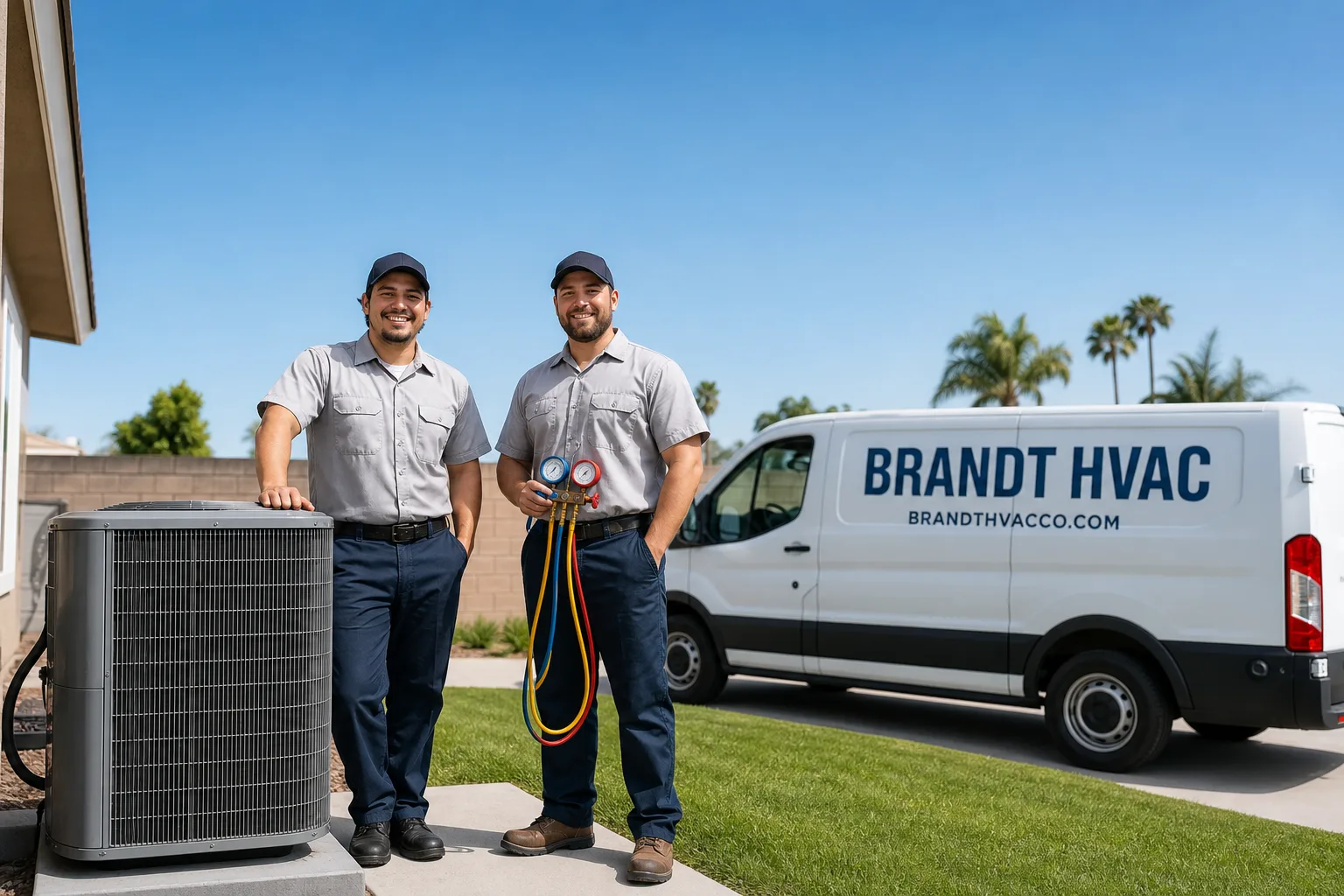
Seasonal tune-up and full diagnostic on your Carrier, Trane, or Goodman system - readings shown to you before any repair is proposed
Diagnosis first, numbers second - you approve the repair price before a single part goes in.
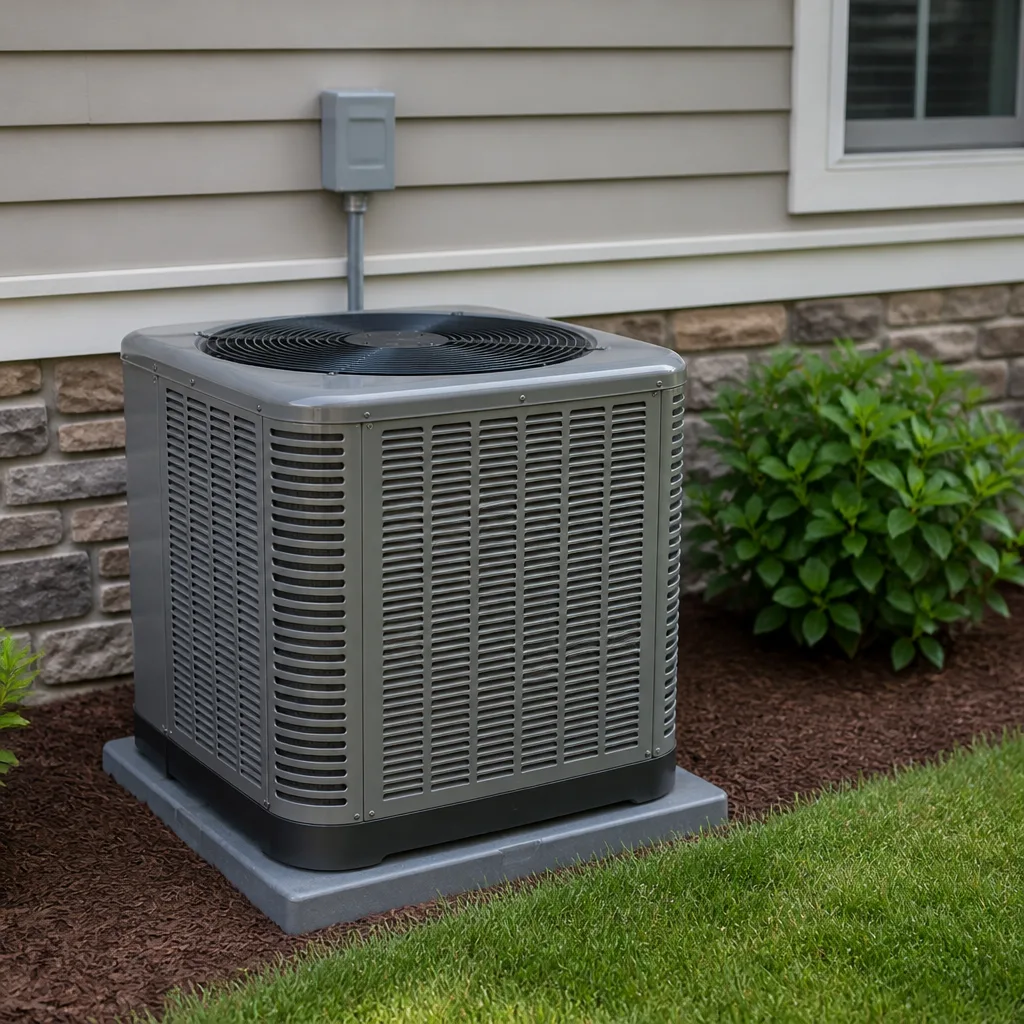
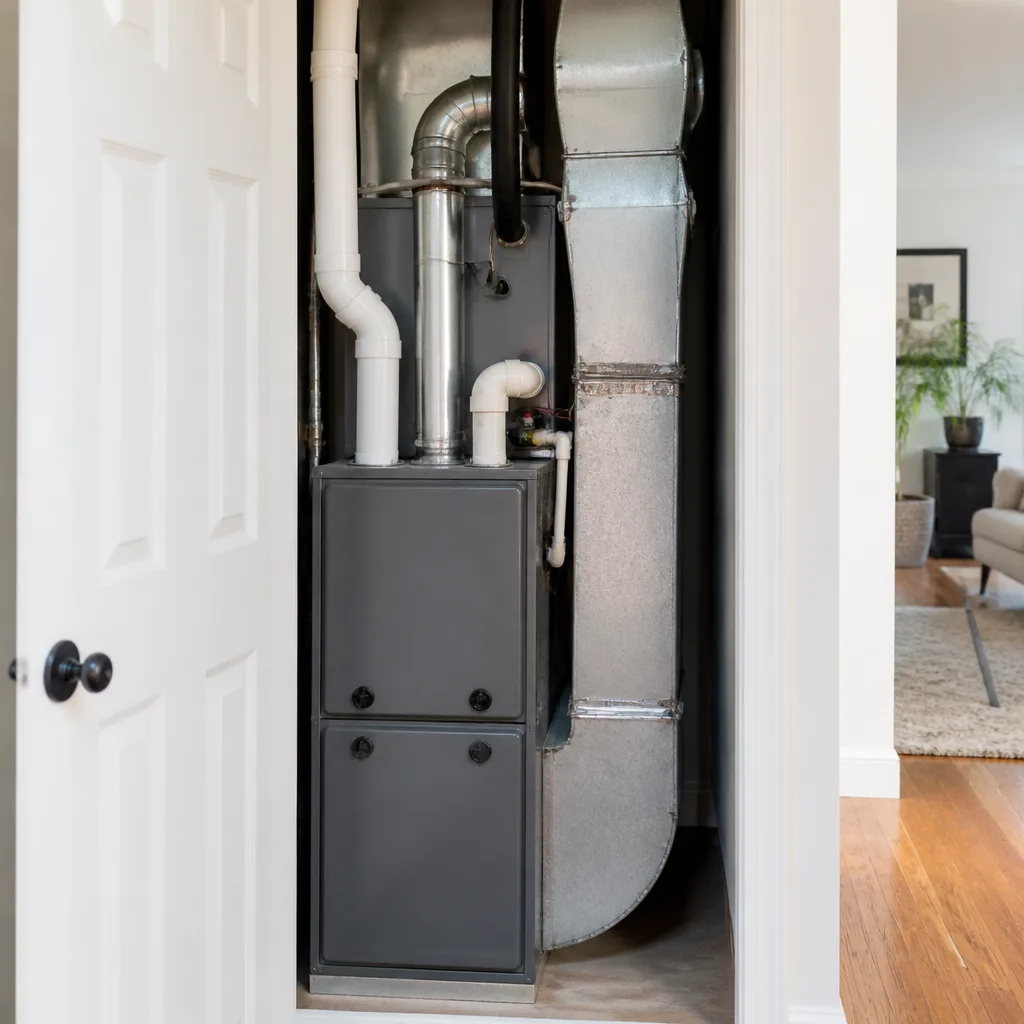
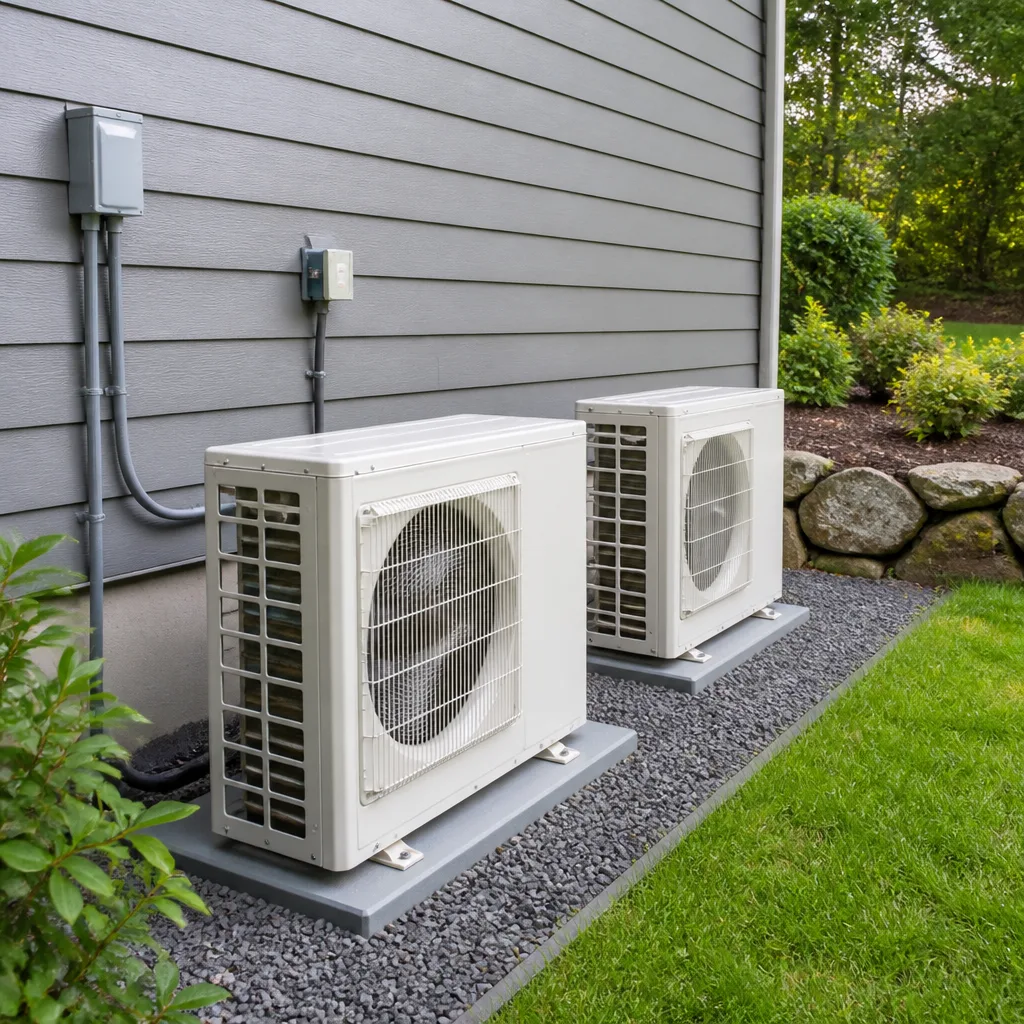
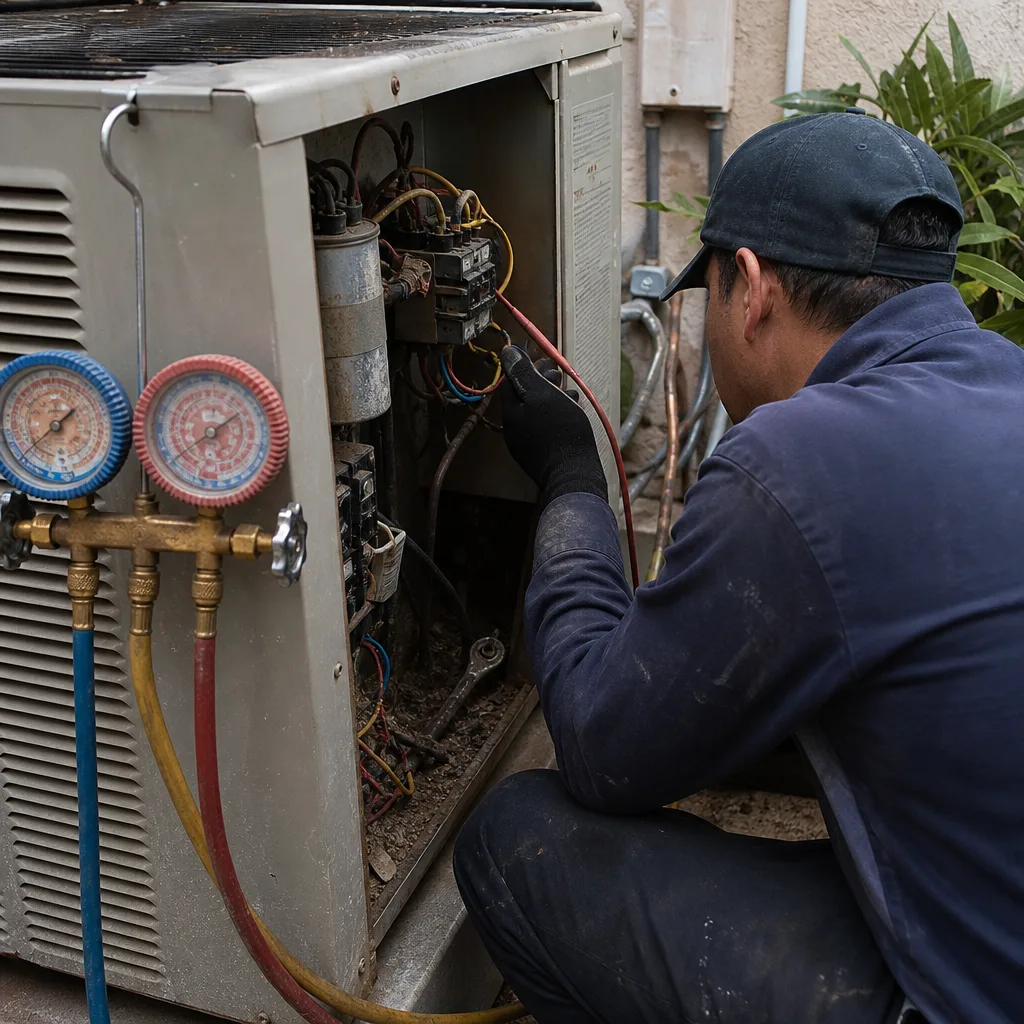 Before
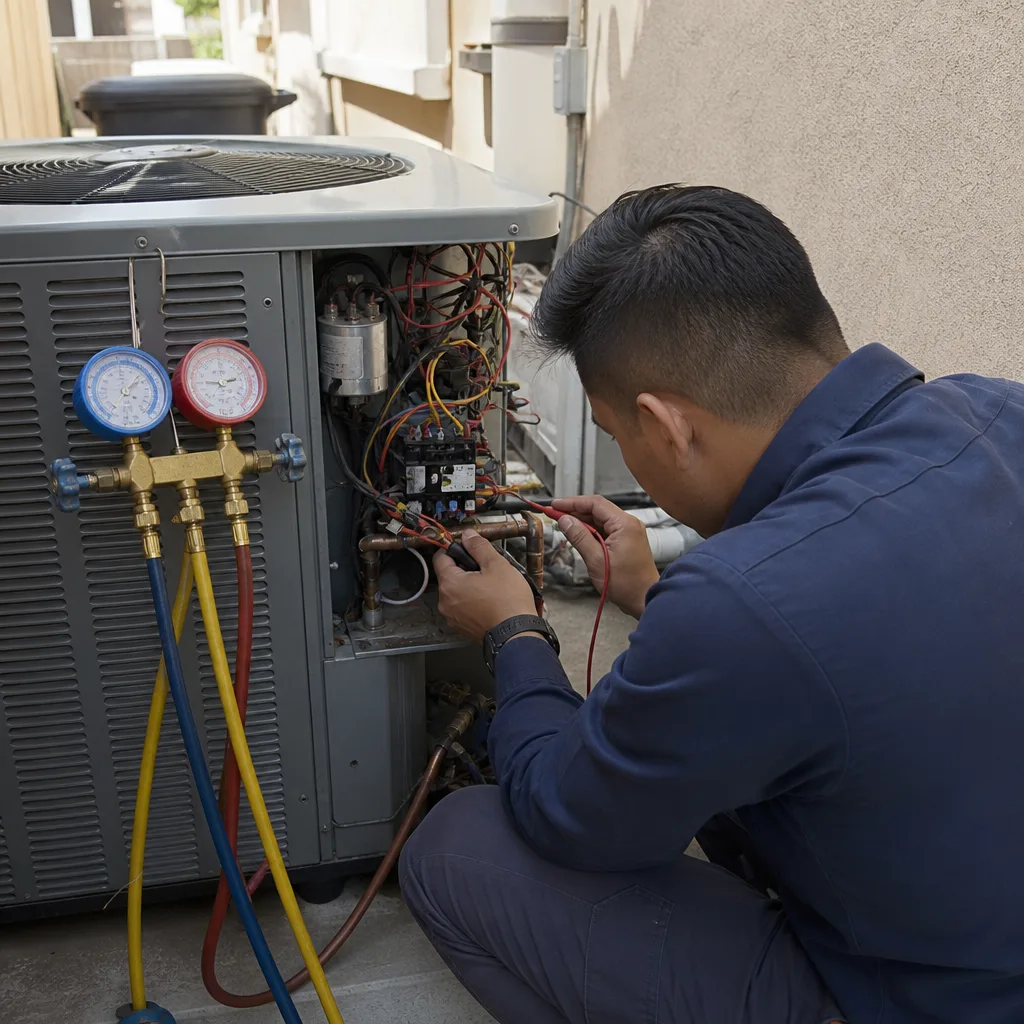 After
After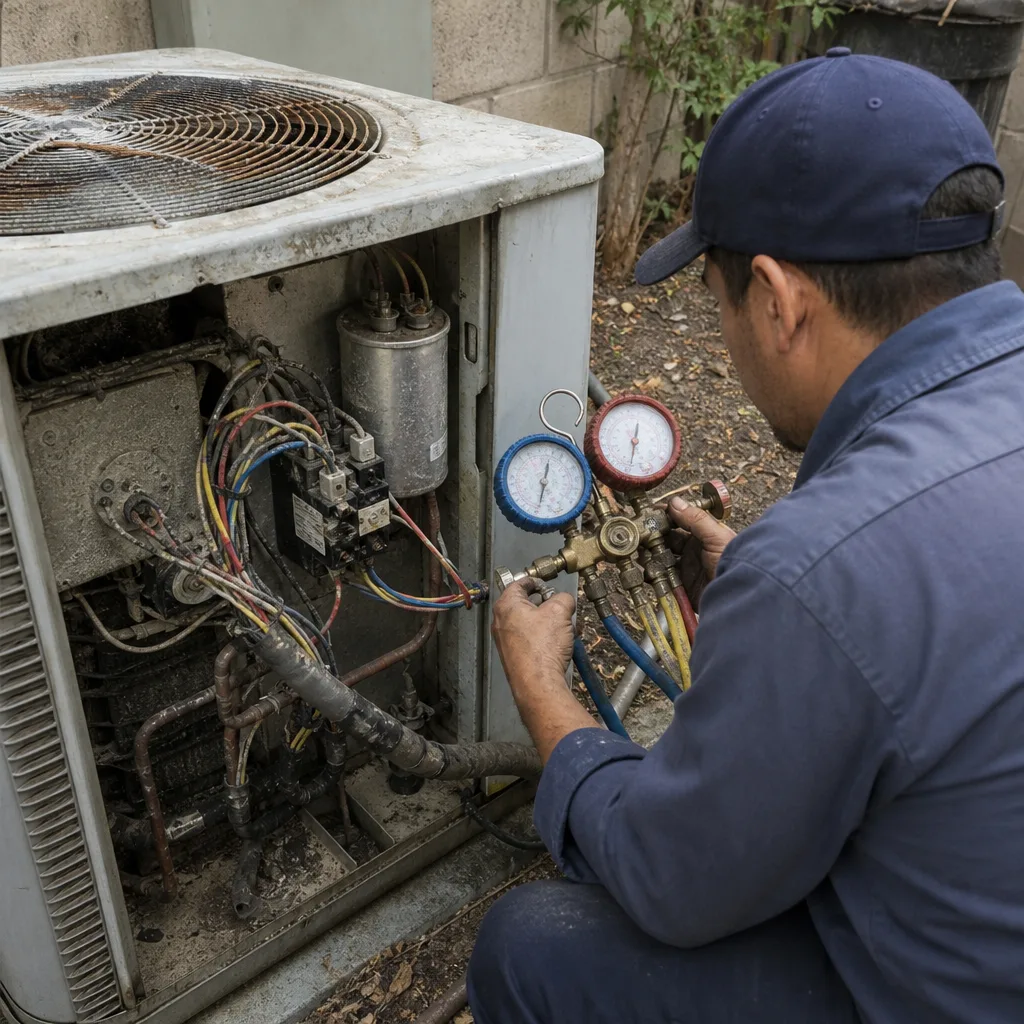 Before
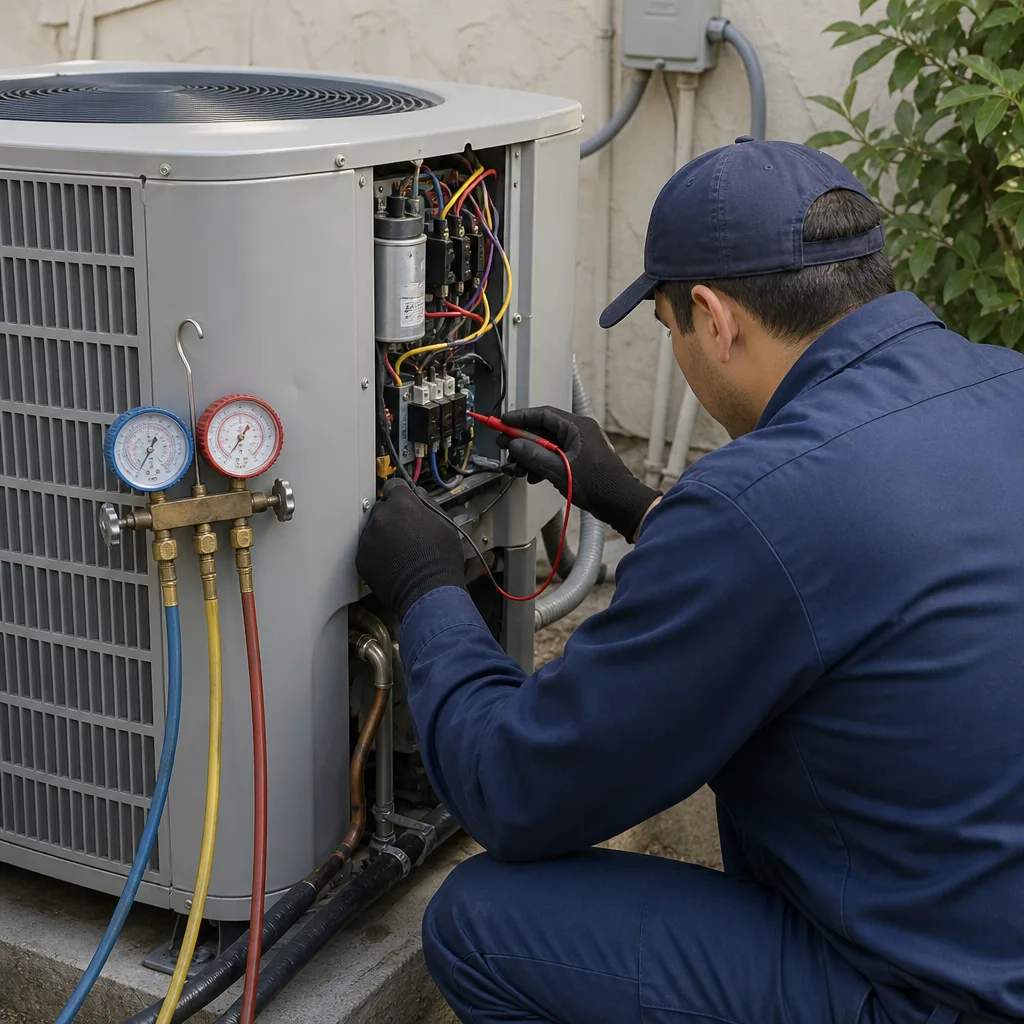 After
After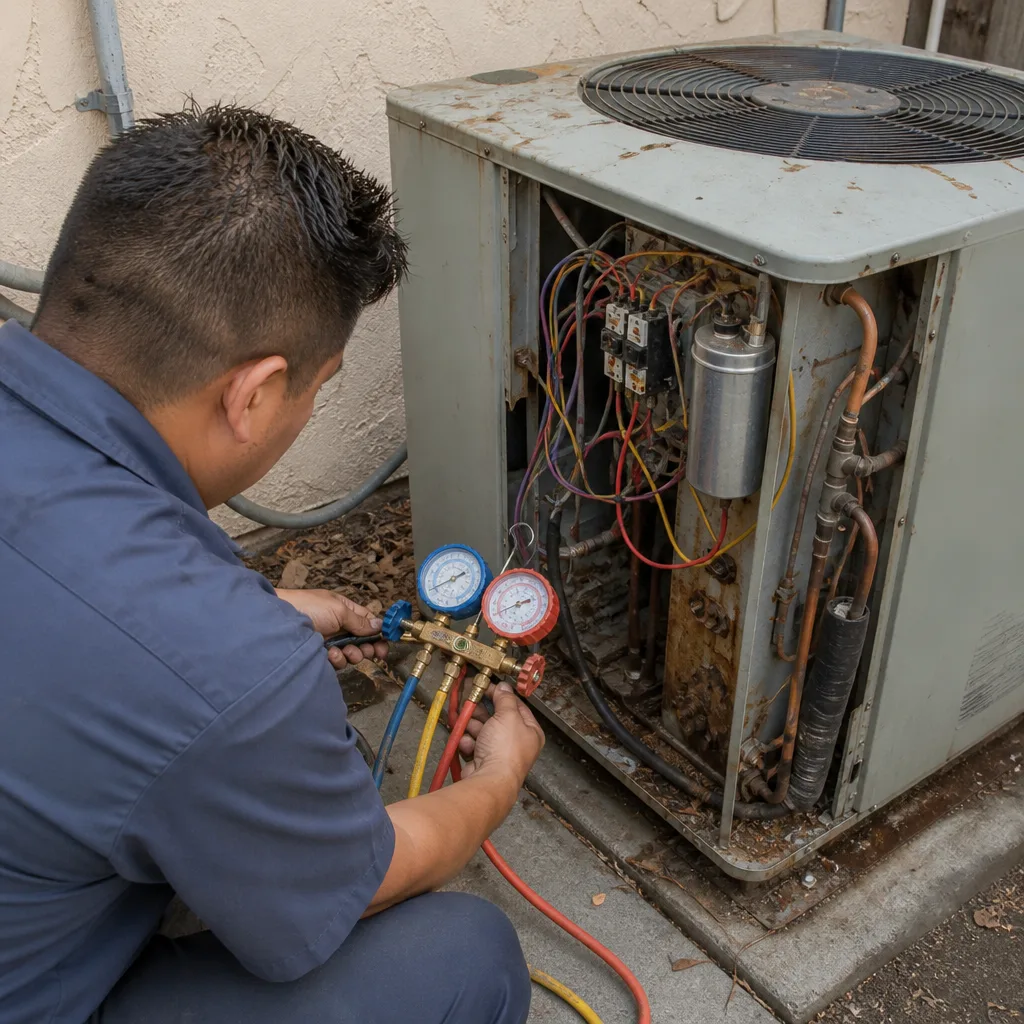 Before
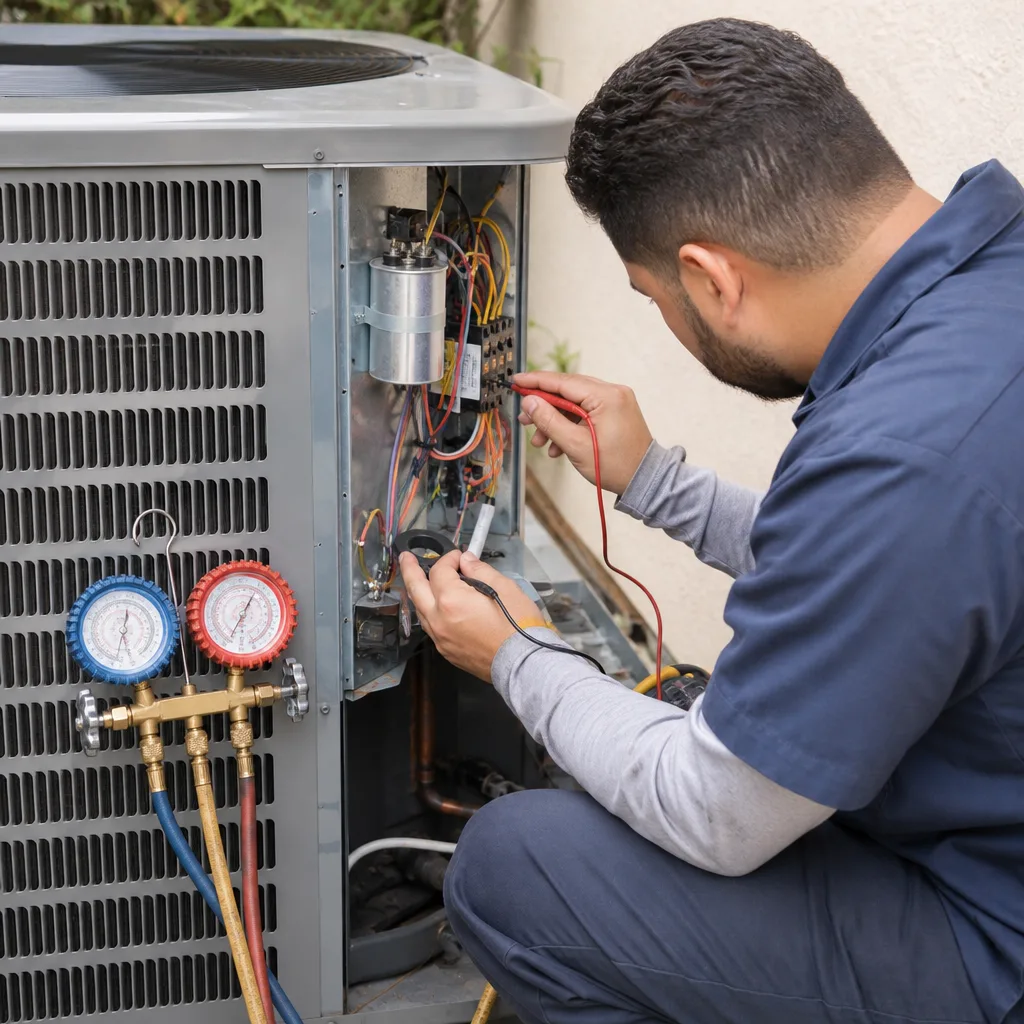 After
AfterUneven Heating and Cooling
If some rooms in your home are stifling while others feel comfortable, or one end of the house never quite reaches the temperature on the thermostat, the system isn’t broken in the dramatic sense – but something is definitely wrong, and it will get worse before it gets better.
What’s Happening
Uneven heating and cooling almost always points to one of three things: a duct system that’s leaking, blocked, or improperly balanced; a failing component in the air handler or furnace that’s reducing airflow; or a thermostat or zoning control that’s misreading conditions. In most homes, a single cause is responsible for the bulk of the problem.
Your HVAC system is designed to push conditioned air to every room at a calculated volume and pressure. When something disrupts that balance – a damper that’s stuck, a duct that’s come loose in the attic, a blower motor running at partial power – the air follows the path of least resistance. The rooms closest to the unit get too much. The rooms at the far end of a long duct run get almost nothing. The thermostat reads the temperature near the unit and decides everything is fine. Meanwhile, the back bedroom is either freezing or sweltering, depending on the season.
Why It Happens
Leaking or Disconnected Ductwork
This is the most common cause we see. Ducts run through attics, crawlspaces, and wall cavities – places that get hot, cold, and physically bumped over the years. Flexible duct can pull apart at a joint, or the tape used to seal rigid duct can dry out and fail. You can’t always see it, but you might notice a room that was always comfortable has gotten noticeably worse over the past year or two, or you find that your system runs longer than it used to to reach the thermostat setting. A professional can confirm this with a duct pressure test.
A Blower Motor Running Below Capacity
The blower is the fan inside your air handler that pushes air through the duct system. When it starts to wear out – or when its capacitor (the small component that gives it the electrical jolt to start) begins to fail – the fan moves less air than the system was designed to deliver. You might hear the system startup sound slightly different, or notice the airflow at registers feels weaker than it used to. Rooms with long duct runs suffer most because there’s simply not enough pressure to push air to them.
A Stuck or Improperly Set Damper
Many duct systems include dampers: adjustable plates inside the ducts that control how much air goes to different zones or rooms. They can be manually adjusted or motorized. A damper that has corroded in the closed position, or one that was set incorrectly during a previous service, cuts off airflow to an entire branch of the system. If one specific side of your home or one floor is always the problem area, a stuck damper is high on the list of suspects.
A Thermostat That’s Reading the Wrong Temperature
A thermostat placed near a window, in direct sunlight, or close to a heat-generating appliance can read a temperature that doesn’t reflect the rest of the house. It calls for heating or cooling based on its own local reading, then shuts off before the far rooms are actually comfortable. This one is worth checking yourself: feel the wall near the thermostat for drafts, and look at whether it gets direct sun at any point in the day. If the thermostat location looks fine, the sensor itself may be drifting out of calibration.
What to Do Right Now
- Check every register in the house. Walk through each room and put your hand near the supply registers (the ones that blow air). Note which rooms have strong airflow and which have weak or no airflow. Write it down or take a quick video on your phone – this is useful information for the technician.
- Look at your air filter. A severely clogged filter restricts airflow across the whole system and makes uneven distribution worse. If it looks gray and matted, replace it before the technician arrives. A standard filter is fine – you don’t need anything with a very high filtration rating, which can actually reduce airflow on older systems.
- Check accessible duct connections. If you have exposed ductwork in a basement or utility room, look for obvious separations or sections where a connection looks pulled apart. Do not reach into wall cavities or attic spaces, and do not touch any components near the furnace or air handler. Photograph anything that looks disconnected or damaged.
- Don’t adjust the thermostat repeatedly. Cranking the thermostat up or down trying to force the problem room to a comfortable temperature usually just overtreats the comfortable rooms and runs up your energy bill. Set it to a reasonable temperature and leave it.
- If the system is making a grinding, squealing, or intermittent clicking sound, turn it off at the thermostat and call. Those sounds often mean a motor or electrical component is in the process of failing. Running the system in that condition can turn a repair into a full component replacement.
How We Fix It
When your local Brandt HVAC team arrives, the technician starts with a systematic airflow assessment: checking static pressure in the duct system, measuring airflow at registers throughout the house, and testing the blower motor and capacitor for performance. Before touching a single component, you’ll have a written price for the recommended repair. That’s not a ballpark – it’s the number, in writing, before any work starts. Every time, on every job.
Most uneven-heating and uneven-cooling repairs fall under our AC Repair or Furnace Repair service, depending on the season and the specific component involved. Common fixes include sealing and reconnecting duct sections, replacing a blower capacitor, replacing or recalibrating a thermostat, or adjusting and freeing stuck dampers. The majority of these repairs are completed in a single visit. Every repair is covered by the 365-Day Done Right Promise: if it’s not done right, we make it right – free return visit, no argument, no additional charge.
Frequently Asked Questions
In most cases it’s not immediately dangerous, but “it can wait” depends on the season and your household. During extreme heat or cold, a system that’s not reaching the far rooms puts vulnerable people – young children, older adults, anyone with a health condition – at real risk. A blower motor that’s failing can also overheat and create a shutdown or, in a gas furnace, a heat exchanger stress situation worth catching early. If anyone in your home is sensitive to temperature, don’t wait. Call (984) 538-9003 and a live person will answer right now.
Closing vents is a very common instinct and it almost always makes things worse. Your duct system is sized for a specific total volume of airflow. When you close a register, the pressure in the duct system rises and forces more air to leak out at weak joints. You end up reducing efficiency and potentially increasing the stress on the blower. The right fix is to find and address the actual cause – not to redirect the symptom.
In most cases, yes. Your local Brandt HVAC team keeps technician availability for same-day service requests, especially when the problem is affecting comfort across the home. Call (984) 538-9003 – a live person answers 24 hours a day, 7 days a week, including nights, weekends, and holidays. When you call, you’ll get the technician’s name and photo before anyone arrives, and a photo ID badge at the door. That’s the Threshold Verified standard on every visit.
You’ll have a written price before a single piece of work begins – that’s how Brandt HVAC operates on every job, with no exceptions. The technician will diagnose the issue, explain what’s causing it in plain terms, and give you the price in writing. You decide whether to proceed. There’s no pressure and no surprise invoice at the end.
Get It Fixed
Call (984) 538-9003 – a live person answers around the clock, every day of the year. Your local Brandt HVAC team will send a background-checked, uniformed technician to you by name and photo, assess the system, and give you a written price before any work starts. Same-day availability in most areas.
Written by Devin Marlowe, Owner & Lead HVAC Technician, Brandt HVAC, serving communities nationwide since 2003.
What Our Customers Say
"Very thorough check on the whole system before summer. Found a worn belt and swapped it for cheap."
- Jerome F."Furnace short cycled all winter. He found a dirty flame sensor and cleaned it. Twenty minutes and a small bill."
- George Q."Knowing a vetted tech was coming into my house made a difference. Name and photo texted ahead, shoe covers, polite, and thorough with explaining."
- Tina M.