
Last updated October 9, 2026
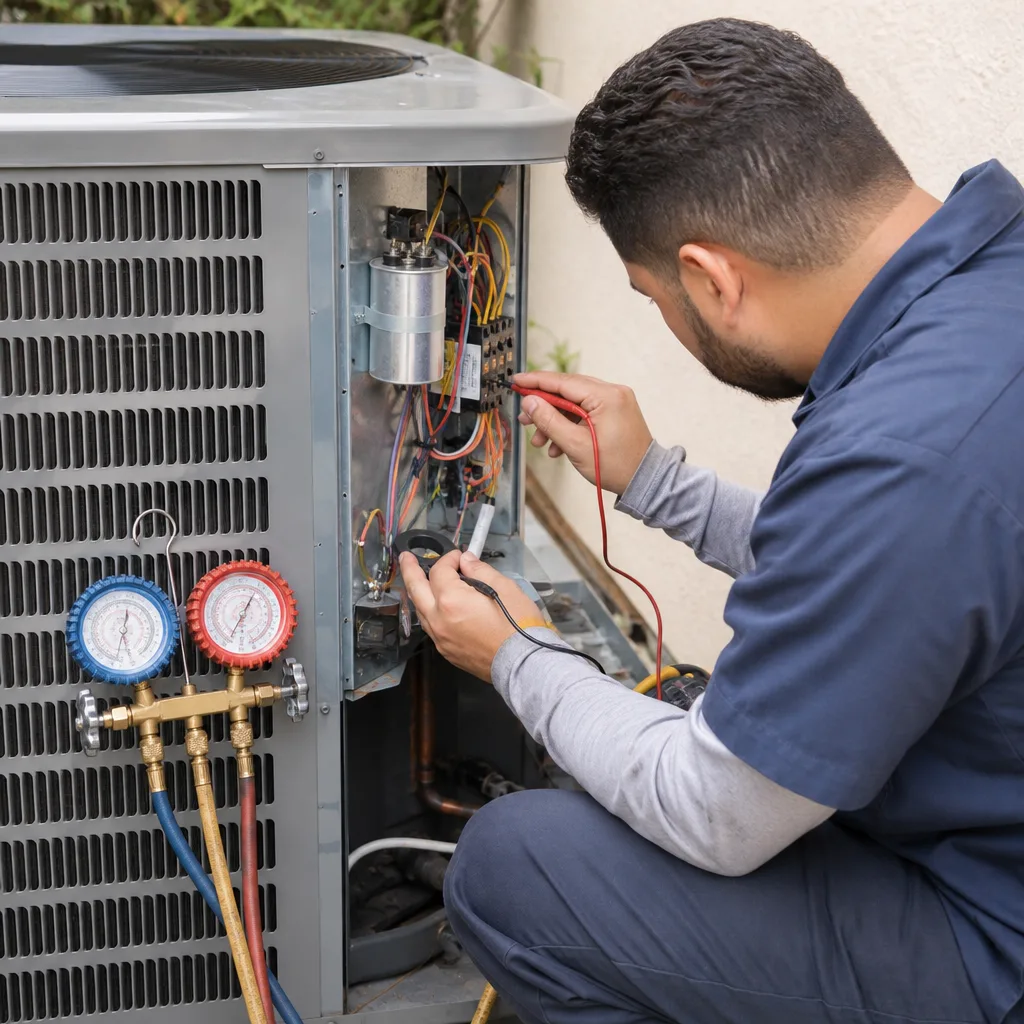
Seasonal tune-up and full diagnostic on your Carrier, Trane, or Goodman system - readings shown to you before any repair is proposed
Diagnosis first, numbers second - you approve the repair price before a single part goes in.
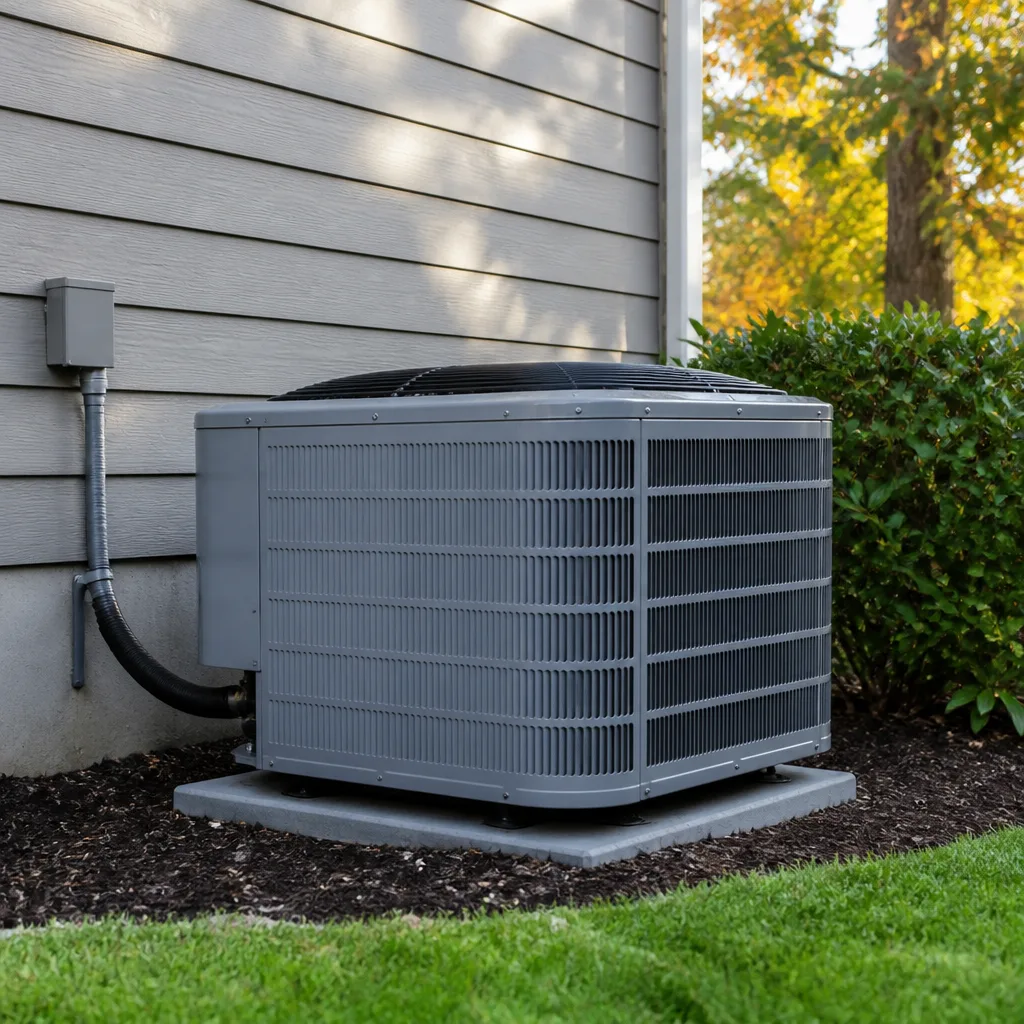
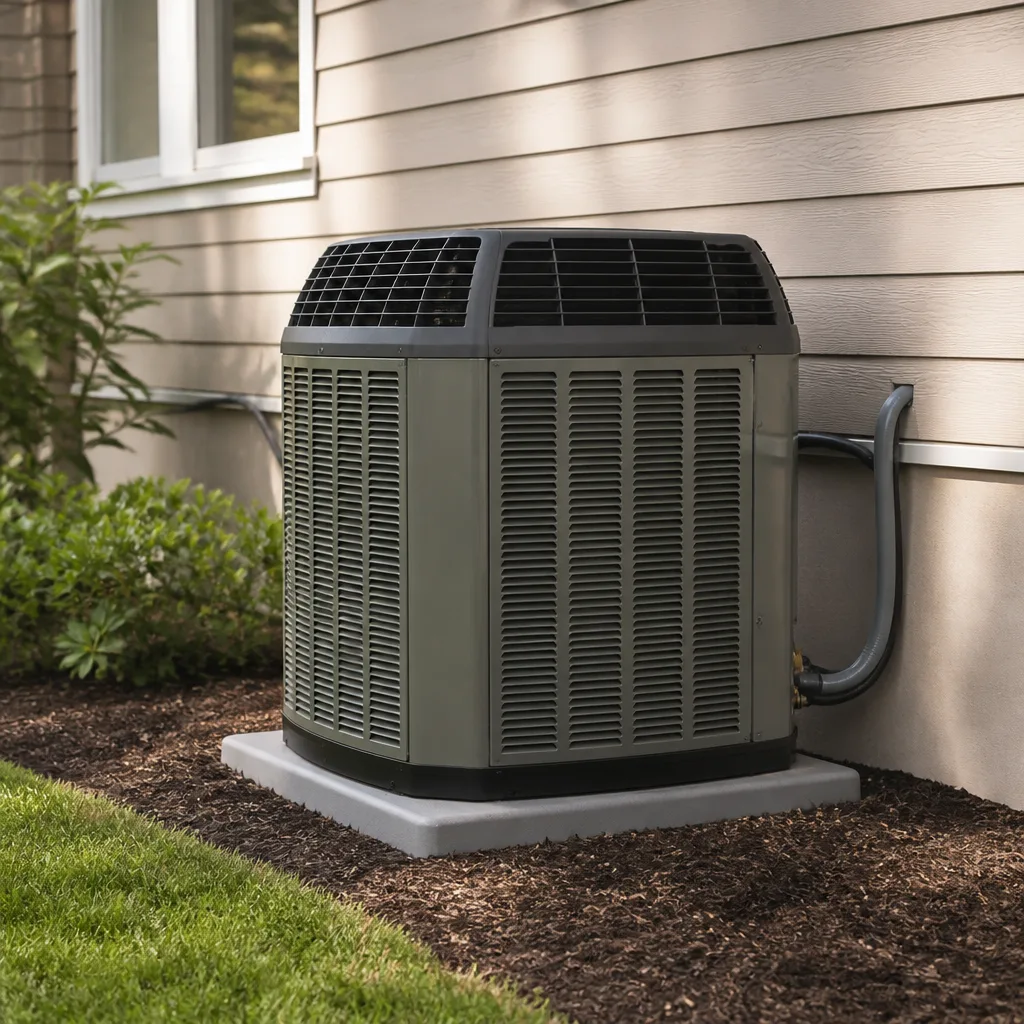
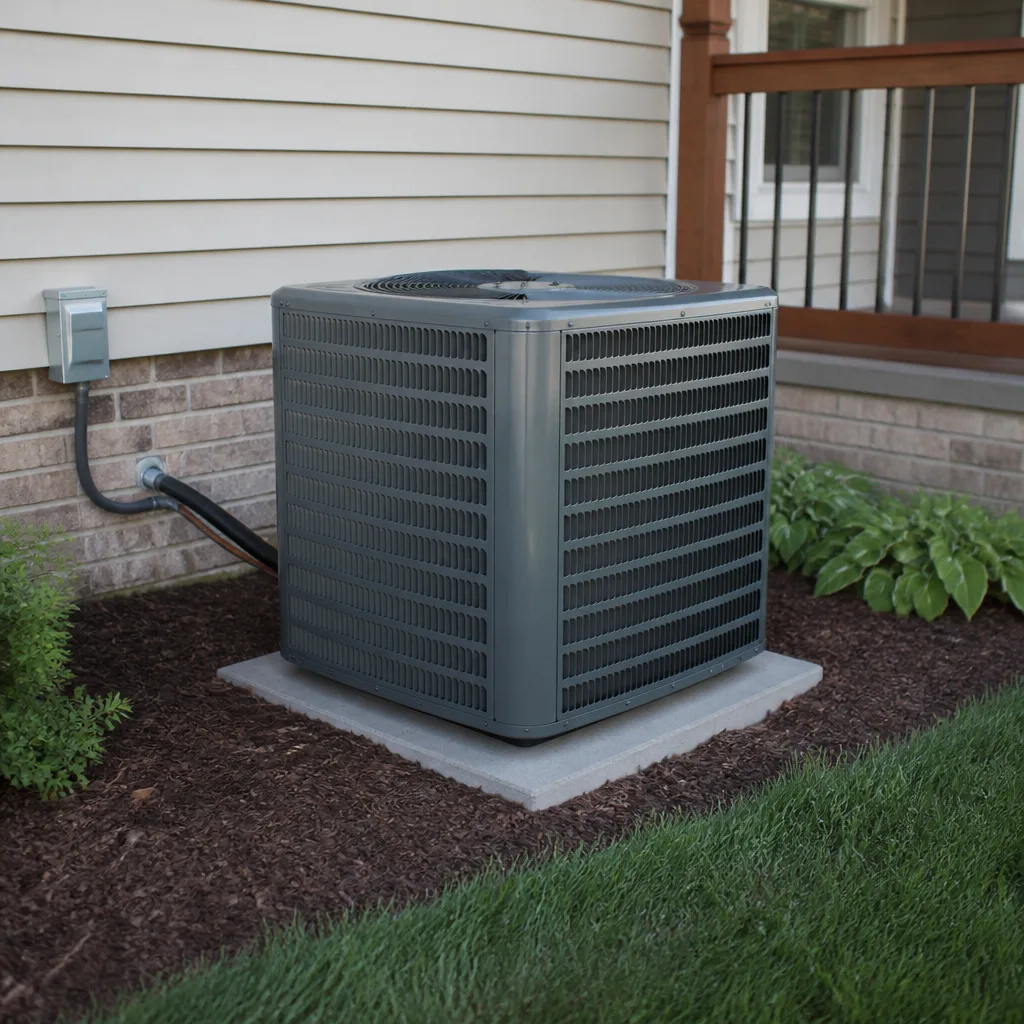
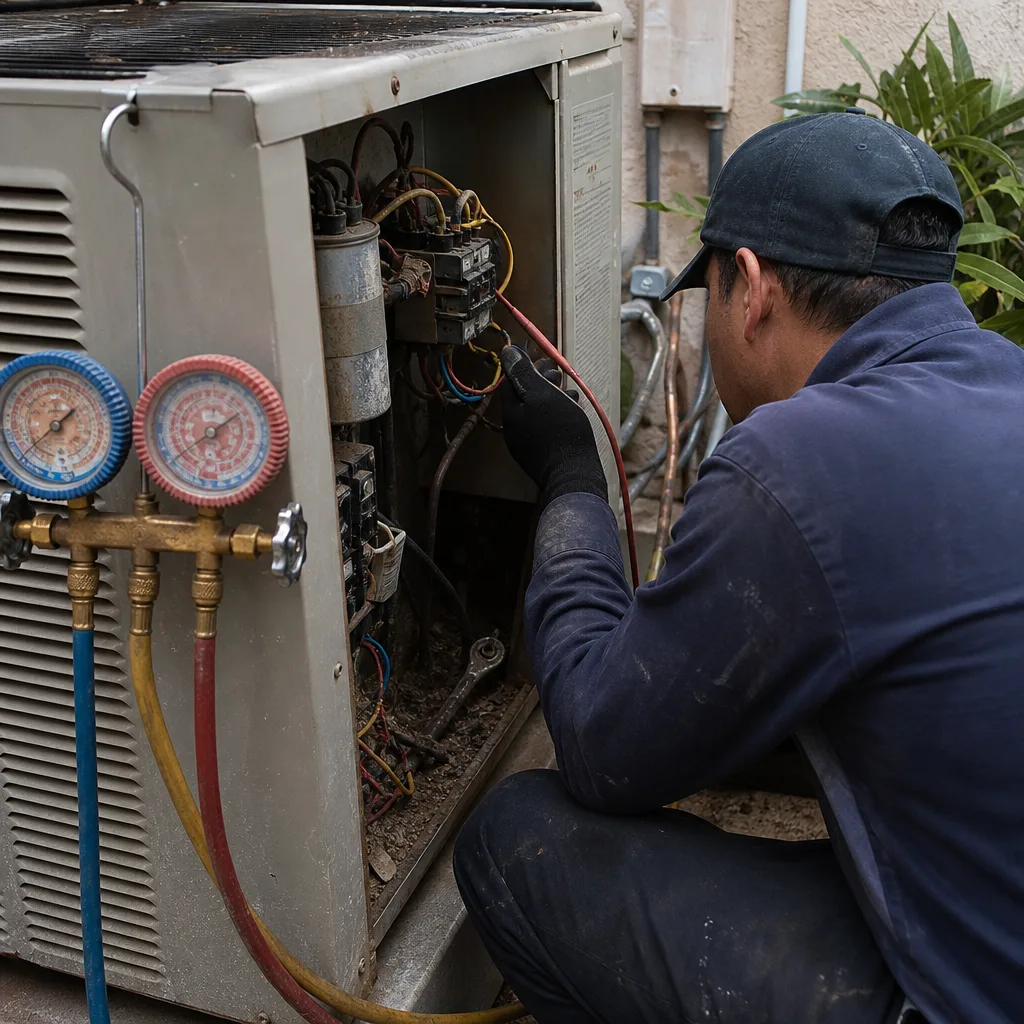 Before
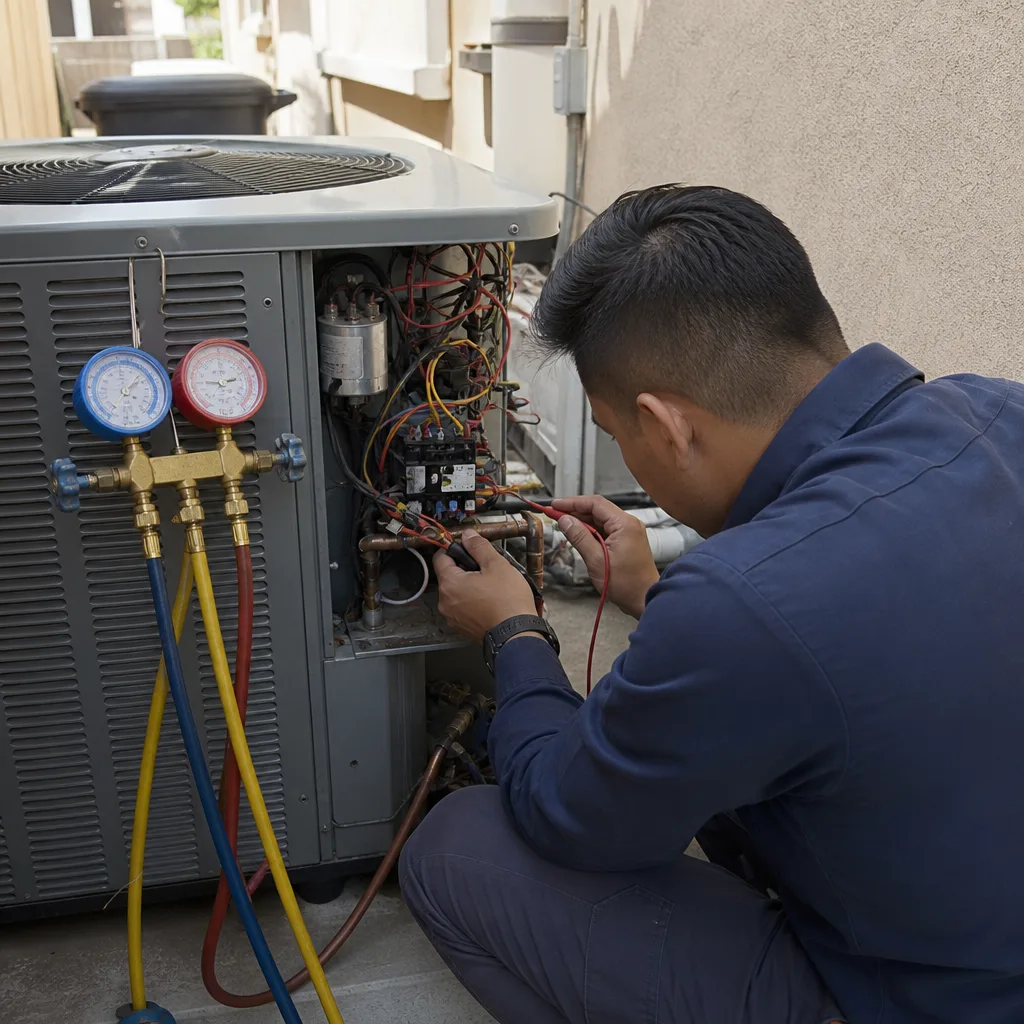 After
After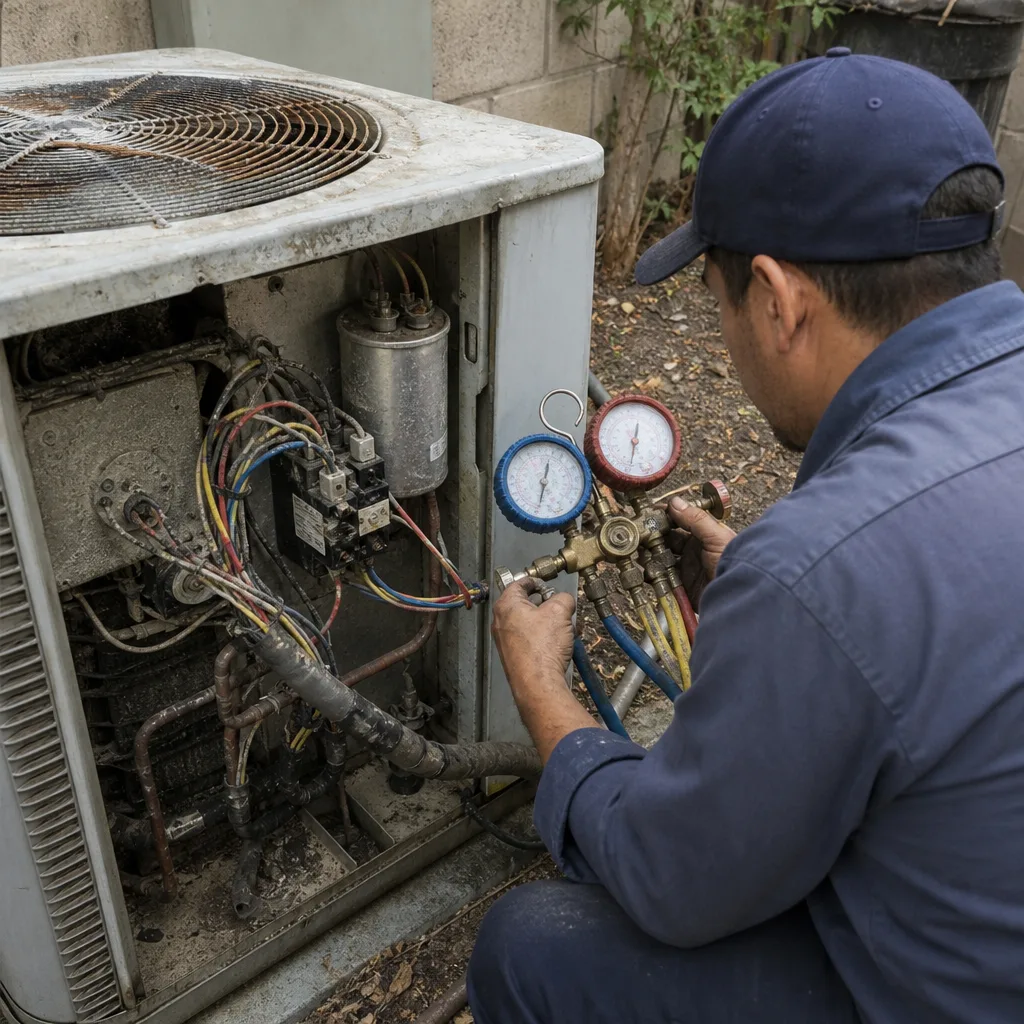 Before
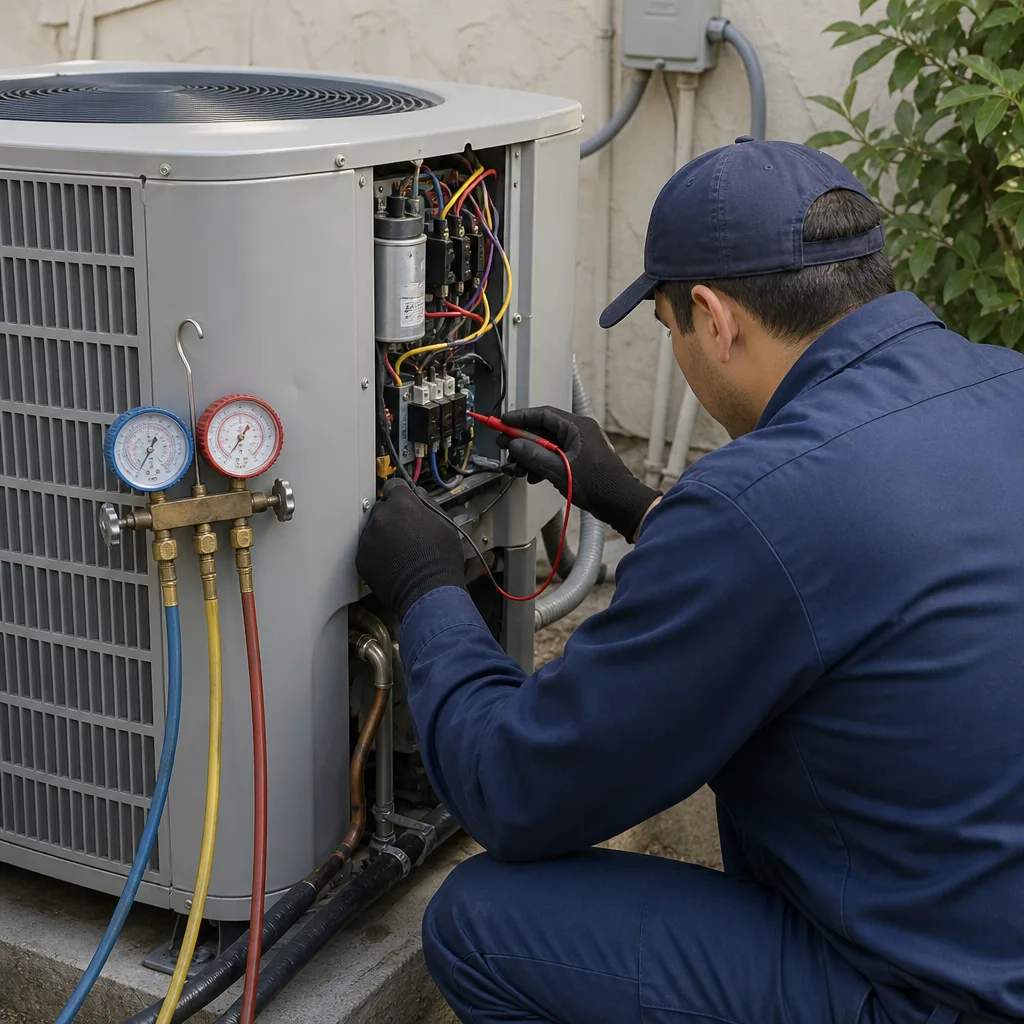 After
After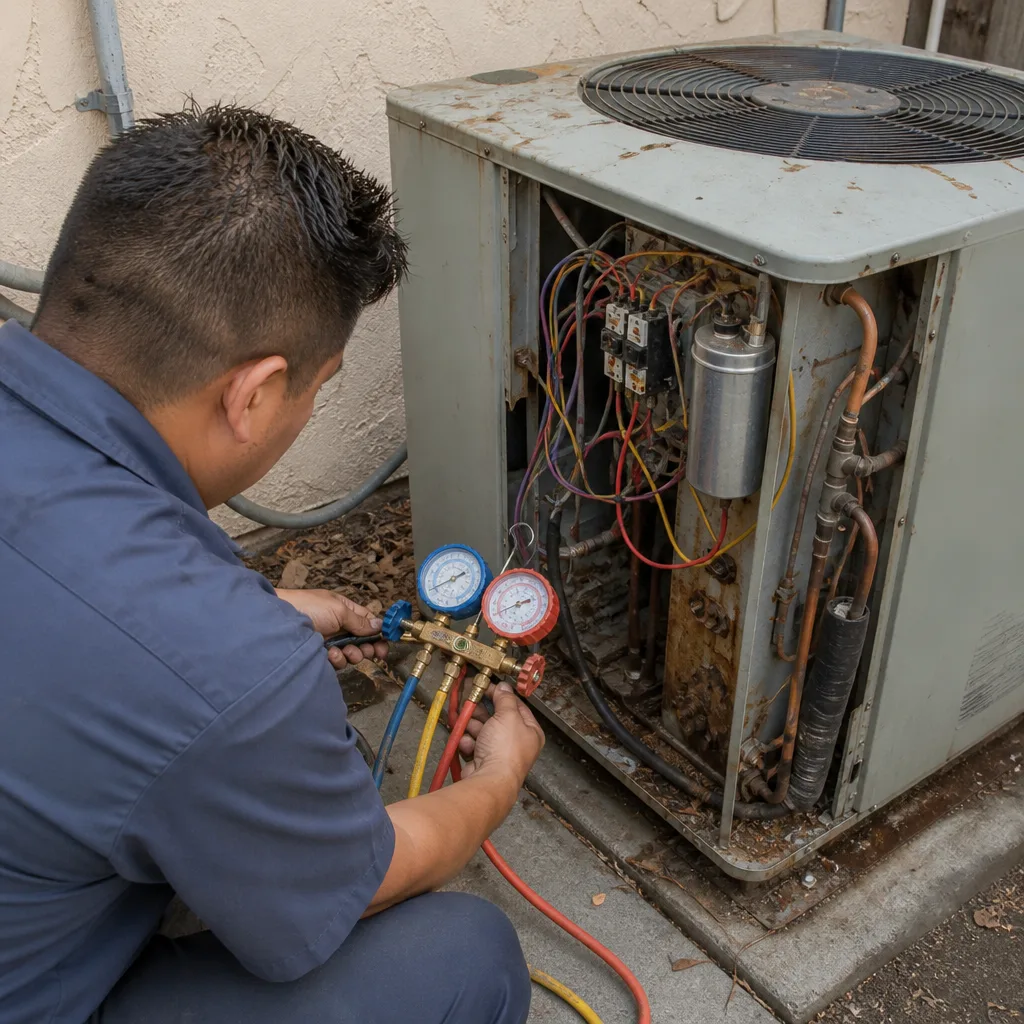 Before
 After
AfterHow Long Does Furnace Repair Take? Timelines and What to Expect
The average furnace repair takes under two hours, but the average furnace repair appointment, including wait time and parts delays, can stretch across three days. In Los Angeles, where mild weather makes furnaces an afterthought until a cold snap hits, homeowners often discover a dead furnace at the worst possible moment and then wait longer than necessary because they didn’t know what questions to ask. This Furnace Repair guide breaks down exactly where the time goes, which repairs are genuinely quick, which ones take multiple visits, and what you can do to compress the timeline before a technician ever rings your doorbell.
Quick Answer
Most furnace repairs take between 45 minutes and 2 hours of actual hands-on work once the technician arrives. Simple jobs like igniter replacement typically run 30 to 45 minutes, while a control board swap takes 1 to 2 hours. The bigger variable is parts availability: if the technician doesn’t have the part on the truck, you’re looking at a second visit anywhere from 1 to 3 business days later. In Los Angeles, well-stocked trucks and local parts suppliers mean many repairs finish same-day, but not all do.
Table of Contents
- Repair Time Breakdown by Furnace Component
- Why Parts Availability Determines Your Actual Timeline
- What a Properly Prepared Technician Brings on the Truck
- Same-Day Diagnosis vs. Multi-Day Repair: How to Tell the Difference
- How Pre-Arrival Briefing Cuts Diagnostic Time
- Los Angeles-Specific Factors That Affect Furnace Repair Time
- Questions to Ask Before You Book a Furnace Repair
- Common Mistakes to Avoid
- When to Call a Professional
- Frequently Asked Questions
- The Bottom Line
Repair Time Breakdown by Furnace Component
Not all furnace repairs are created equal, and the clock tells a very different story depending on what’s actually broken. Here are the realistic labor times for the most common furnace repairs we see across Los Angeles homes, from quick swaps to multi-hour jobs that require a return visit.
Igniter Replacement: 30 to 45 Minutes
This is the most common furnace repair in Los Angeles, partly because our furnaces sit idle for months and igniters degrade in ways that only show up on the first cold morning of the season. Most furnace igniter replacements run $150 to $300, parts and labor included. The labor itself is quick: the technician removes the old igniter, installs the new one, and cycles the furnace to verify a clean start. A prepared technician carries universal and brand-specific igniters for the most common furnaces in the Southland, which means this repair is usually finished in one visit.
Why it sometimes takes longer: If the igniter keeps failing, the real culprit might be a faulty flame sensor or voltage issue from the control board. A good technician tests both before wrapping up, which adds 10 to 15 minutes but prevents a callback in two weeks.
Flame Sensor Cleaning or Replacement: 20 to 40 Minutes
A dirty or corroded flame sensor causes the furnace to light and then shut down within seconds, a problem Los Angeles homeowners often mistake for a gas issue. The sensor sits directly in the burner path and collects carbon over time. Cleaning takes about 20 minutes; replacing a worn-out sensor takes 10 minutes longer. You should expect to pay $100 to $200 for cleaning or replacement. This is one of the few furnace repairs where a homeowner with mechanical ability can safely clean the sensor themselves, but if you’d rather not open the burner compartment, the labor cost is minimal.
Control Board Replacement: 1 to 2 Hours
When the furnace’s circuit board fails, the symptoms are confusing: no power to the thermostat, intermittent starts, blower running without heat. Replacing a control board requires the technician to verify all wire connections, confirm voltage at multiple test points, and sometimes re-program or configure board settings for your specific furnace model. Expect to pay $300 to $600 for this repair depending on brand. York and Bryant boards tend to be more readily available from Los Angeles distributors than some other brands, but a well-stocked truck may carry universal boards that work with several manufacturers after configuration.
Heat Exchanger Replacement: Half-Day to Multi-Visit
This is the big one, and it’s the repair that moves your timeline from hours to days. A cracked heat exchanger is a serious safety issue because it allows carbon monoxide to enter your home’s air stream. The repair involves removing the blower assembly, gas manifold, and burner assembly to access the heat exchanger, then installing the new component and reassembling everything. The labor alone commonly runs 4 to 6 hours. But here’s the catch: heat exchangers are furnace-specific, not something any technician keeps on a truck. In Los Angeles, most heat exchangers are ordered from manufacturer distribution centers and arrive in 2 to 5 business days. Total project cost typically lands between $1,200 and $2,500, at which point we’ll often walk a homeowner through the repair versus replace math.
Blower Motor Replacement: 1 to 1.5 Hours
A failing blower motor makes noise first, then stops moving air entirely. The part itself costs $400 to $800, and the labor runs about an hour for a direct-fit motor. If your furnace uses an ECM variable-speed motor, the replacement cost climbs higher but the labor stays roughly the same. Many Los Angeles homes with older furnaces have PSC motors, which are more readily available from local suppliers.
Thermostat Replacement or Rewiring: 30 to 60 Minutes
Sometimes the furnace is fine and the thermostat is the problem. Replacing a thermostat and verifying wiring takes under an hour. If you’re upgrading from an older mercury thermostat to a smart model, the technician may need to run a common wire, which adds 30 to 45 minutes to the job. This is a good time to ask whether your furnace is compatible with the thermostat you want before purchasing one.
For a broader look at what furnace repairs typically cost in our area, see our guide to Furnace Repair in Los Angeles.
Why Parts Availability Determines Your Actual Timeline
Here’s the part most furnace repair timelines don’t mention: the labor time means almost nothing if the right part isn’t within driving distance. In Los Angeles, we’ve mapped the parts landscape so you understand what’s fast and what isn’t.
What local Los Angeles suppliers typically stock: igniters, flame sensors, thermocouples, universal control boards, capacitors, contactors, transformer relays, and standard PSC blower motors. These are the bread-and-butter parts for the most common furnaces in LA’s housing stock, which skews toward mid-efficiency gas furnaces from major brands like Carrier, Trane, and Goodman. A technician who stocks these on the truck can complete most same-day repairs.
What requires next-day or multi-day shipping from distribution centers: brand-specific control boards for newer modulating furnaces, ECM variable-speed blower motors, heat exchangers, gas valves for less-common brands, and proprietary pressure switches. Daikin and some American Standard models fall into this category more often than not. The Los Angeles distribution network is strong, but “in stock at the distributor” still means a day of shipping to the shop or a second visit to your home.
The takeaway for homeowners: ask the technician, before any work begins, whether the required part is on the truck or available locally. If it’s a specialty part, ask for a realistic delivery window in writing. That one question turns a three-day surprise into a scheduled plan.
What a Properly Prepared Technician Brings on the Truck
You can accurately predict how long your furnace repair will take by asking one question before you book: “What do you stock on the truck?” Here’s what a properly prepared furnace technician carries in Los Angeles:
- Universal igniters and brand-specific igniters for the most common furnace models in the region
- Flame sensors and thermocouples in multiple sizes
- Universal control boards that work with several major furnace brands after configuration
- Capacitors and contactors for blower and inducer motors
- Pressure switches and limit switches in common specs
- Gas valve test equipment and combustion analyzers to verify safe operation
- Common blower motor assemblies for direct-fit replacements
- Duct tape, sheet metal screws, sealant, and wiring supplies for minor repairs and reassembly
A technician arriving with this inventory can complete a diagnostic and repair in a single visit for roughly 80% of furnace failures in Los Angeles, as we detail in our HVAC Cost Breakdown: The Los Angeles Homeowner’s Reference for 2026. A technician arriving with a clipboard and a diagnostic tool but no parts will need a second visit no matter what they find. At Brandt HVAC, every technician carries a fully stocked van for the specific furnace brands we service, including York, Bryant, and American Standard equipment common throughout Southern California. We send you the technician’s name and photo before arrival as part of our Threshold Verified standard, so you know exactly who’s pulling up to your home and that they arrived prepared.
Same-Day Diagnosis vs. Multi-Day Repair: How to Tell the Difference
Here’s the honest truth about furnace repair timelines: the diagnosis almost always happens same-day. The repair may not. Understanding the difference saves you frustration and helps you plan around a cold house.
A same-day diagnosis means the technician identifies the problem within the first 30 to 60 minutes of the visit. In Los Angeles, where most homeowners call for furnace service during a cold snap, everyone wants same-day everything. The reality is that roughly 70% of furnace problems can be diagnosed and repaired in under two hours with the right parts on the truck. Those are your wins: igniter failures, dirty flame sensors, blown capacitors, tripped limit switches, loose wiring.
A multi-day repair happens when the diagnosis reveals a part that must be ordered. This is more common with newer high-efficiency furnaces and less common brands. Your timeline shifts to: diagnosis on day one, part ordered that afternoon, part arrives from the distribution center in 1 to 3 days, installation scheduled for a 1 to 2 hour window on the arrival day. In total, you’re looking at 2 to 4 business days from diagnosis to a warm house.
How to tell the difference upfront: before booking, ask the company two questions. One, do your technicians carry parts inventory on the truck? Two, what is your parts ordering turnaround time for furnaces like mine? The answers tell you whether to expect a same-day fix or to plan for a multi-day timeline. At Brandt HVAC home, we’ll always tell you which scenario you’re in before any work begins, with a written price that doesn’t change based on how long the repair takes.
How Pre-Arrival Briefing Cuts Diagnostic Time
Here’s a timeline factor most repair guides ignore: the first 20 minutes of many furnace appointments are wasted because the technician arrives cold. They don’t know your furnace brand, model, age, or service history. They have to ask, inspect, photograph, and call the office before they can even start diagnosing.
At Brandt HVAC, we brief every technician before they leave for your home. When you call, we ask for your furnace brand and model, the age of the system if you know it, and a description of the symptoms. That information goes directly to the technician. They arrive knowing what they’re working on, which parts are likely needed, and what the most common failure points are for your specific furnace. That pre-arrival briefing routinely cuts 15 to 30 minutes off the diagnostic phase and dramatically increases the odds of a one-visit repair.
This also ties into who shows up. Our technicians are background-checked, uniformed, and introduced to you by name and photo before every visit. They show a photo ID badge at the door. The Threshold Verified standard exists because opening your door to a stranger is a legitimate concern, and knowing who’s coming before they arrive is part of what makes a repair appointment feel safe and predictable.
Los Angeles-Specific Factors That Affect Furnace Repair Time
Furnace repair timelines vary by city, and Los Angeles has its own dynamics that shape how long you wait. Understanding these factors helps you plan realistically and ask the right questions.
Mild winters mean deferred maintenance. Los Angeles furnaces sit unused for 9 to 10 months a year. When the first cold snap arrives, long-dormant furnaces fail en masse. Every HVAC company in the city gets flooded with calls at the same time, which means availability gets tight. Furnaces that haven’t been serviced in years are more likely to have multiple issues, which extends individual repair appointments.
Parts distribution density works in your favor. Los Angeles is a major market, which means major HVAC parts distributors have warehouses in the area: locations in the San Fernando Valley, South Bay, San Gabriel Valley, and Inland Empire. A part that ships next-day from a distribution center in the Midwest reaches LA in one to two days, not three to five. In many parts of the country, that same part takes a week. Our proximity to multiple distribution hubs means most ordered parts arrive faster here than almost anywhere else in the country.
Housing stock age matters. Los Angeles homes run the gamut from century-old bungalows in Highland Park to new construction in Playa Vista. Older homes often have furnaces with obsolete parts that are no longer manufactured, which pushes timelines longer. Mid-century homes in the San Fernando Valley frequently have original or early-replacement furnaces that are now 30 to 40 years old. When a furnace that age needs a heat exchanger or a proprietary control board, the repair timeline often extends because the part is no longer in production and we’re sourcing from wherever remaining inventory exists.
Regular maintenance changes all of this for the better. We offer AC Maintenance in Los Angeles for your cooling system too, but the same principle applies to furnaces: systems that get annual checkups fail less often, fail less catastrophically, and are faster to repair when they do fail.
Questions to Ask Before You Book a Furnace Repair
The best way to control your furnace repair timeline is to ask the right questions before you schedule, a process we walk through in How to Hire a HVAC Contractor in Los Angeles: A Step-by-Step Guide. Here are five questions that tell you everything you need to know:
- “Do your technicians carry parts on the truck, and which parts?” The answer reveals whether you’re booking a diagnostic visit or a repair visit. Technicians with stocked vans finish most repairs same-day.
- “What is your parts ordering turnaround time for my furnace brand?” If the answer is vague, expect delays. If they can tell you specific supplier timelines for your brand, they’ve actually done this before.
- “Will I know who’s coming before they arrive?” This question tells you two things: whether the company takes your security seriously, and whether they brief the technician on your specific furnace before dispatch. Both shorten the appointment.
- “Do you give a written price before any work starts?” A company that commits to written upfront pricing has no incentive to stretch the repair timeline or invent additional issues. The price stays fixed.
- “What does your guarantee cover, and for how long?” If the answer is “we guarantee our work,” ask for specifics. A real guarantee names the parts, the labor, and the time period. At Brandt HVAC, every repair includes a written guarantee, and if that repair fails within the guarantee period, we return at no charge under the 365-Day Done Right Promise.
Common Mistakes to Avoid
- Waiting until the furnace breaks to call. In Los Angeles, the first cold snap triggers a citywide rush on HVAC companies. Booking a seasonal maintenance check in October or November costs less and means you skip the repair line entirely.
- Not knowing your furnace model before you call. The model number is printed on a sticker inside the furnace cabinet. Having it ready when you call lets the company identify the right parts before the technician arrives.
- Choosing the cheapest company without asking about truck inventory. A low labor rate doesn’t help if the technician arrives without parts and needs a second visit. The second trip erases any savings.
- Accepting a verbal diagnosis without a written repair plan. “We’ll get the part and come back” without a date, price, and part name is a red flag. Always get the timeline and cost in writing.
- Ignoring early warning signs. A furnace that makes banging noises, short-cycles, or struggles to start isn’t going to fix itself. Waiting turns a $200 igniter replacement into a $600 emergency repair on a cold night.
- Opening the door without verifying who’s there. Before any technician enters your home, you should know their name, see their photo, and verify their badge. If a company can’t tell you who’s coming, find one that will.
When to Call a Professional
Furnace repair is not a DIY project in most cases. If your furnace is making banging, rattling, or squealing noises, short-cycling on and off, blowing cold air, or emitting a burning smell, shut it off and call a professional. Gas furnaces involve an open flame, gas valve, and exhaust system, and a bad repair can create a carbon monoxide hazard or a fire risk, which is exactly the kind of safety issue that demands a trained technician. Brandt HVAC offers free estimates in Los Angeles, and our phones are answered by a live person 24 hours a day, 7 days a week, including nights, weekends, and holidays. Call (984) 538-9003 and we’ll send a background-checked, identity-verified technician with a written price before any work begins.
Frequently Asked Questions
A typical furnace repair takes 45 minutes to 2 hours of hands-on labor once the technician arrives, assuming the needed part is on the truck. If a specialty part must be ordered, the repair is completed on a second visit 1 to 3 business days later. Call (984) 538-9003 and we’ll tell you which scenario applies to your furnace before you book.
Yes, roughly 70% of furnace repairs in Los Angeles are completed same-day because the most common failures, namely igniters, flame sensors, capacitors, and universal control boards, are stocked on well-prepared service vans. The remaining 30% require a part that ships from a distributor, which takes 1 to 3 business days in the LA market.
Furnace repair in Los Angeles typically costs between $150 and $600 for common repairs like igniter replacement, flame sensor cleaning, and control board replacement. Larger repairs like blower motor replacement run $400 to $800, and heat exchanger replacement runs $1,200 to $2,500. Every Brandt HVAC repair comes with a written price before work starts, so you’ll never face a surprise charge.
Your furnace repair is likely taking multiple days because the failed part is furnace-specific and wasn’t on the technician’s truck. The part must be ordered from a manufacturer distribution center, which takes 1 to 3 business days in Los Angeles, followed by a scheduled installation visit. Ask your HVAC company upfront whether they stock your furnace’s parts to avoid the delay.
A good rule of thumb: if the repair costs more than 50% of the furnace’s replacement value and the furnace is over 15 years old, replacement is usually the smarter financial choice. Our technicians will walk you through the repair-versus-replace math with real numbers for your specific furnace and give you a written quote for both options. Call (984) 538-9003 for free guidance and an honest assessment.
Brandt HVAC services all major residential furnace brands, including Carrier, Trane, Lennox, Goodman, Rheem, York, Daikin, Bryant, and American Standard. If you have a furnace from any of these brands, we stock common parts and know the failure patterns for each one specifically. For help with your furnace in Los Angeles, call (984) 538-9003.
The Bottom Line
Most furnace repairs take under two hours of actual labor time, but the full repair timeline depends on one thing above all else: whether the technician arrives with the right part on the truck. In Los Angeles, a well-stocked van and a technician who has been briefed on your furnace model before arrival turns most repairs into same-day jobs. A poorly prepared visit means ordering a part and waiting 1 to 3 business days. Ask the right questions before you book, know your furnace model, and choose a company that tells you exactly who’s coming, what they’ll bring, and what the repair will cost in writing before any work begins. For more guides & resources, visit our blog. Brandt HVAC was founded with exactly that promise, and it’s why our name comes from the old word for a firebrand, a fitting name for the work of keeping a home warm. Call (984) 538-9003 for a free estimate and a written price before any work starts.
Written by Devin Marlowe, Owner at Brandt HVAC, serving Los Angeles since 2003.