
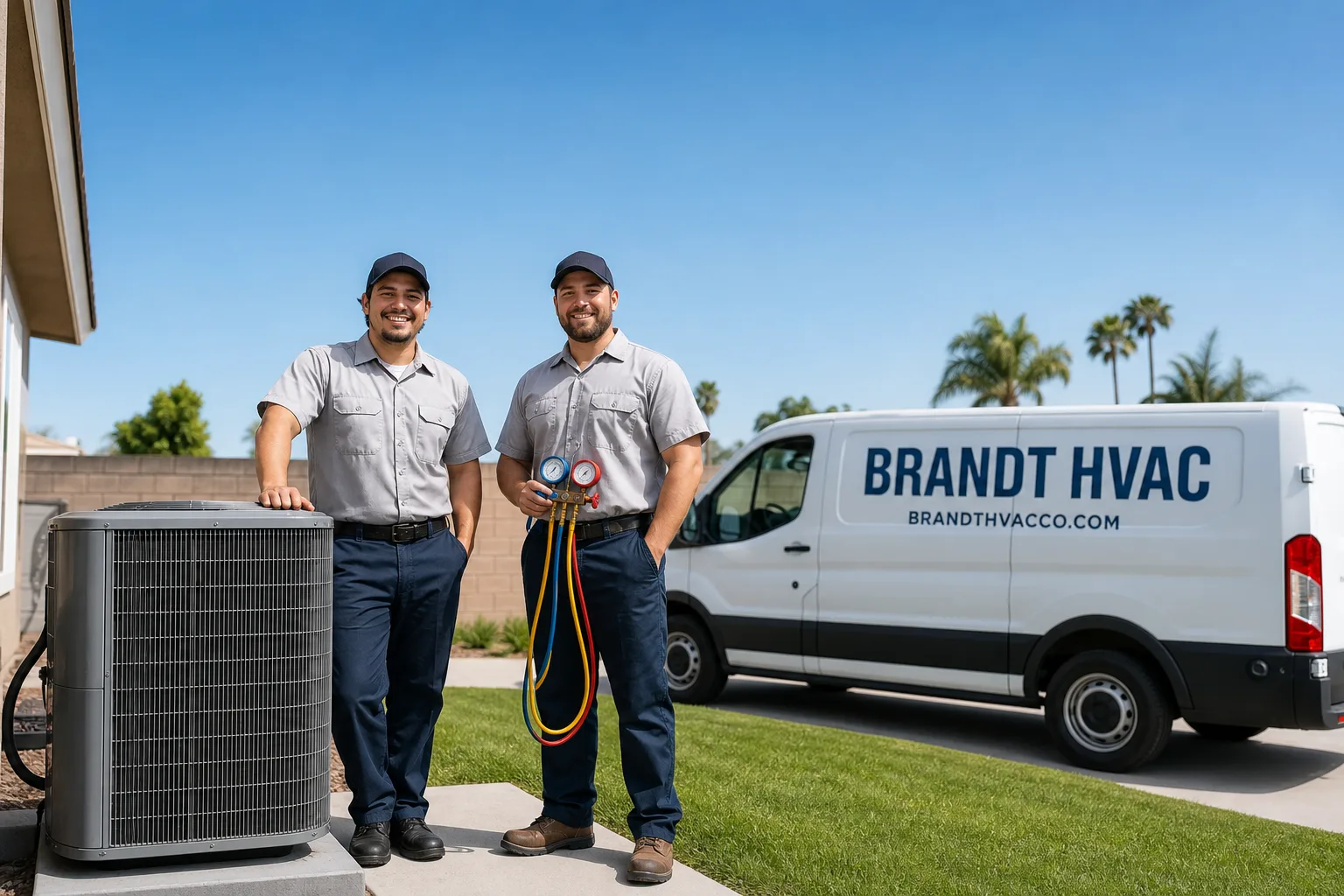
Seasonal tune-up and full diagnostic on your Carrier, Trane, or Goodman system - readings shown to you before any repair is proposed
Diagnosis first, numbers second - you approve the repair price before a single part goes in.
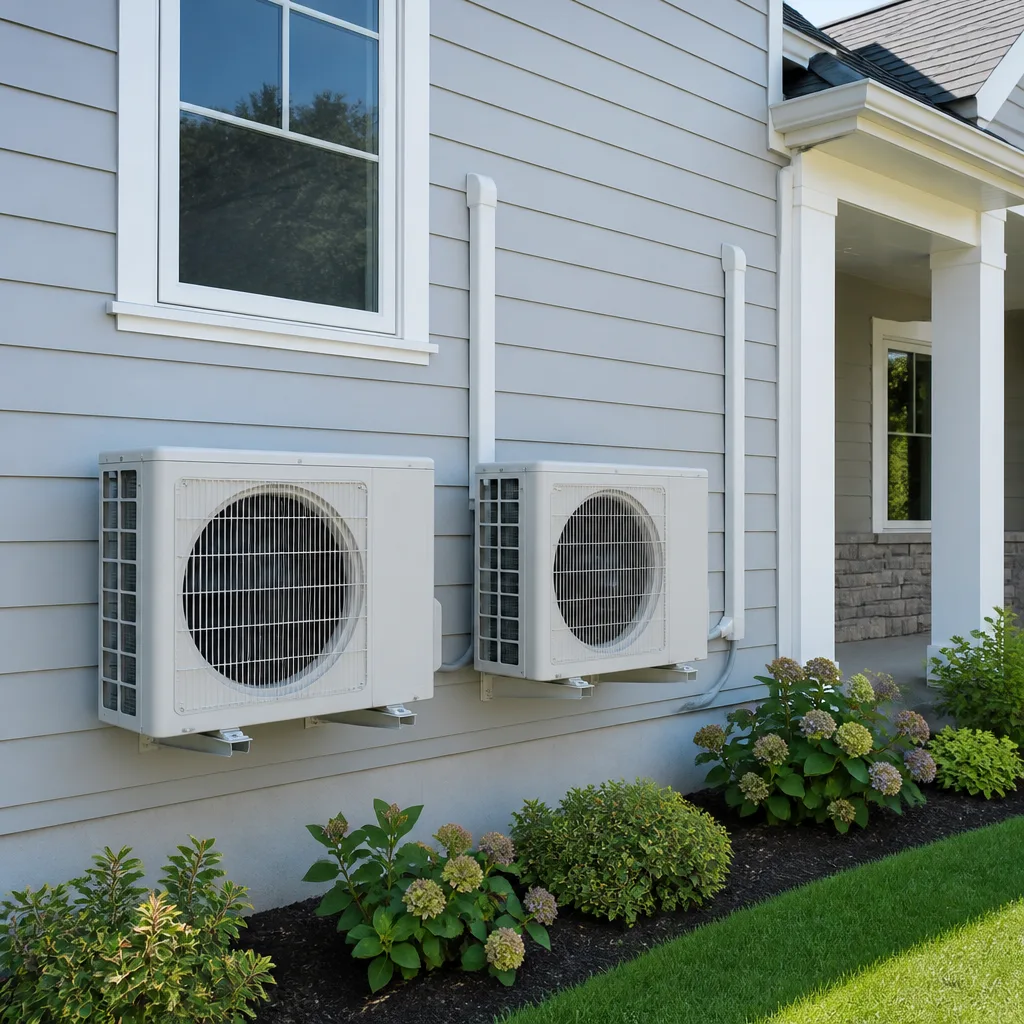
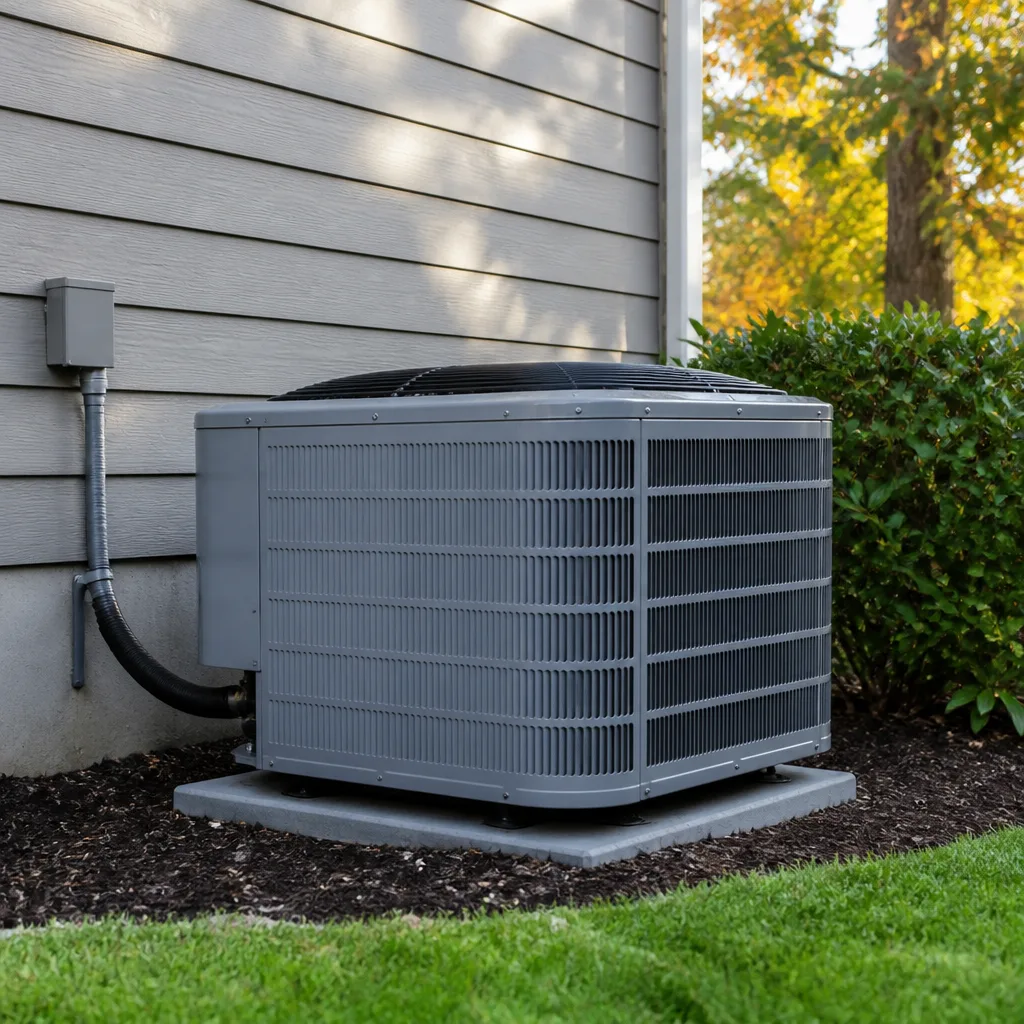
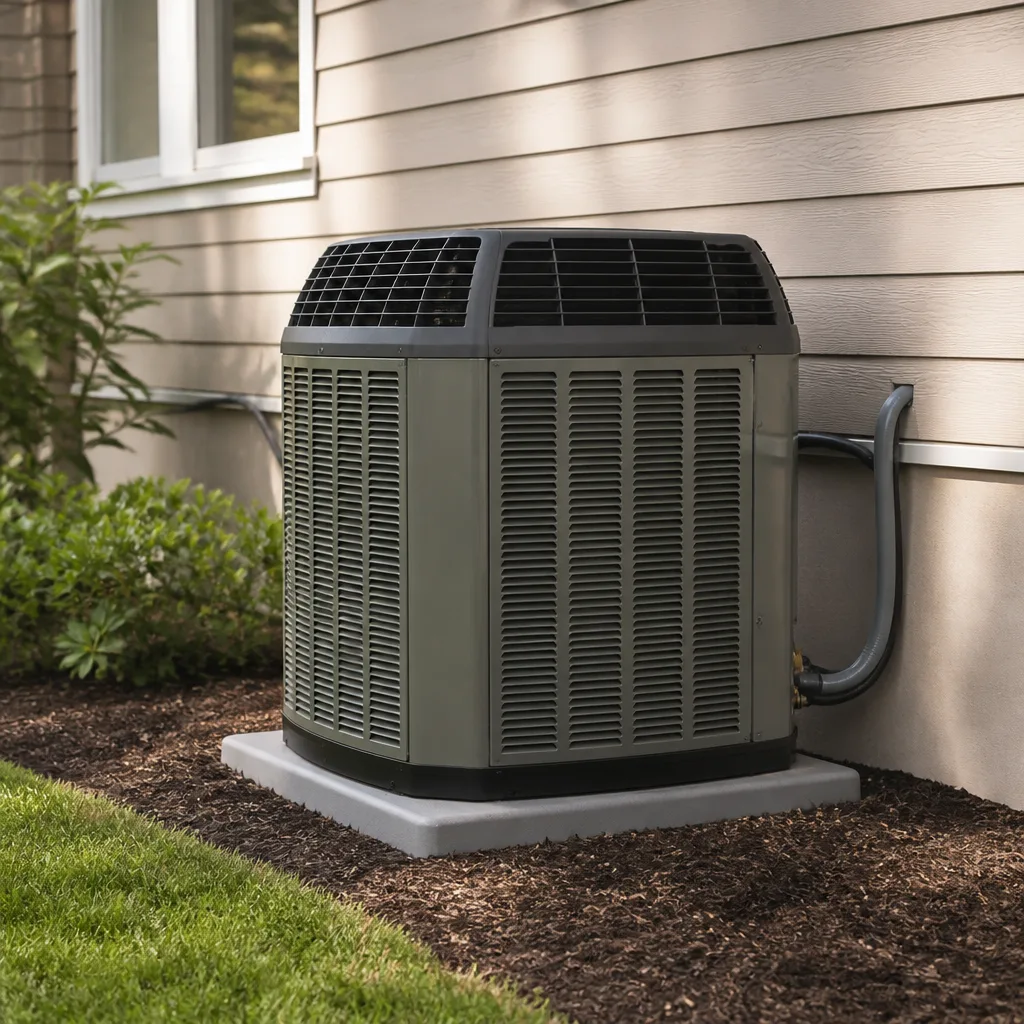
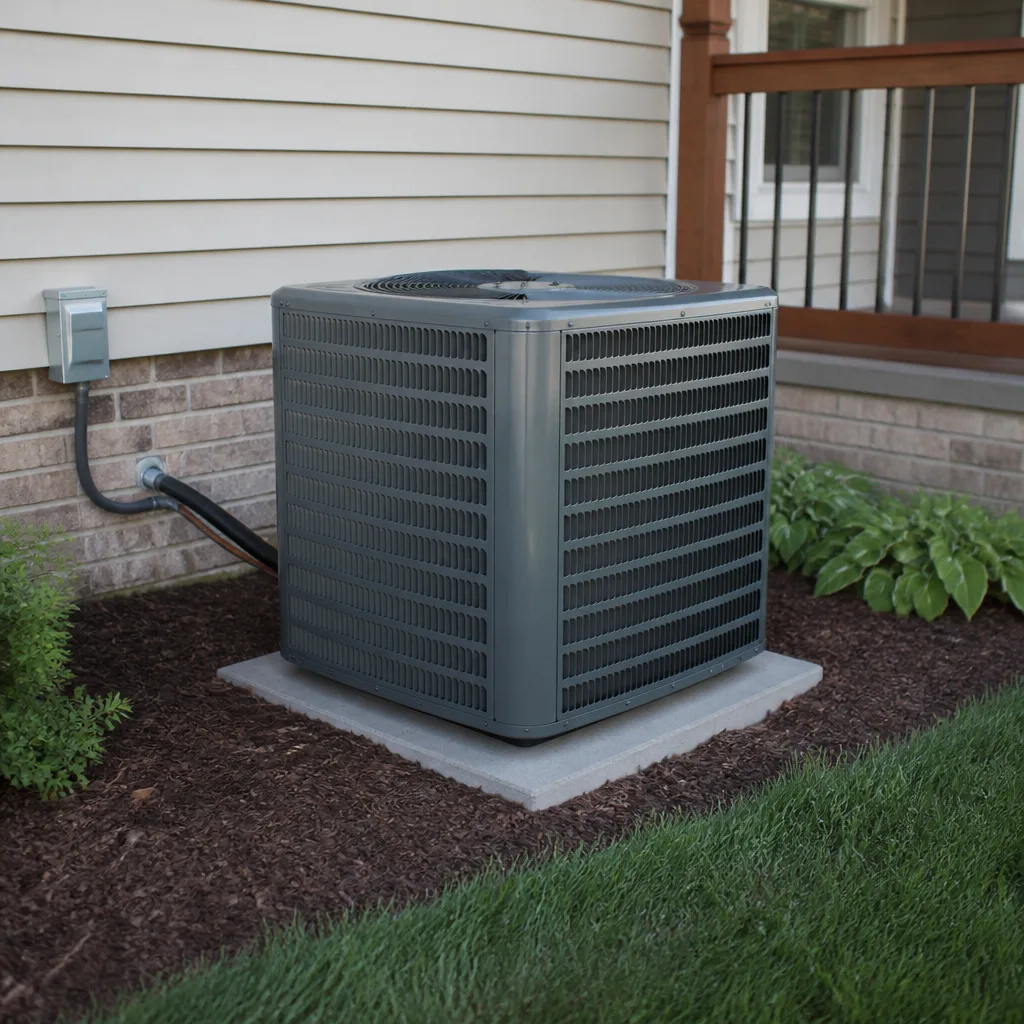
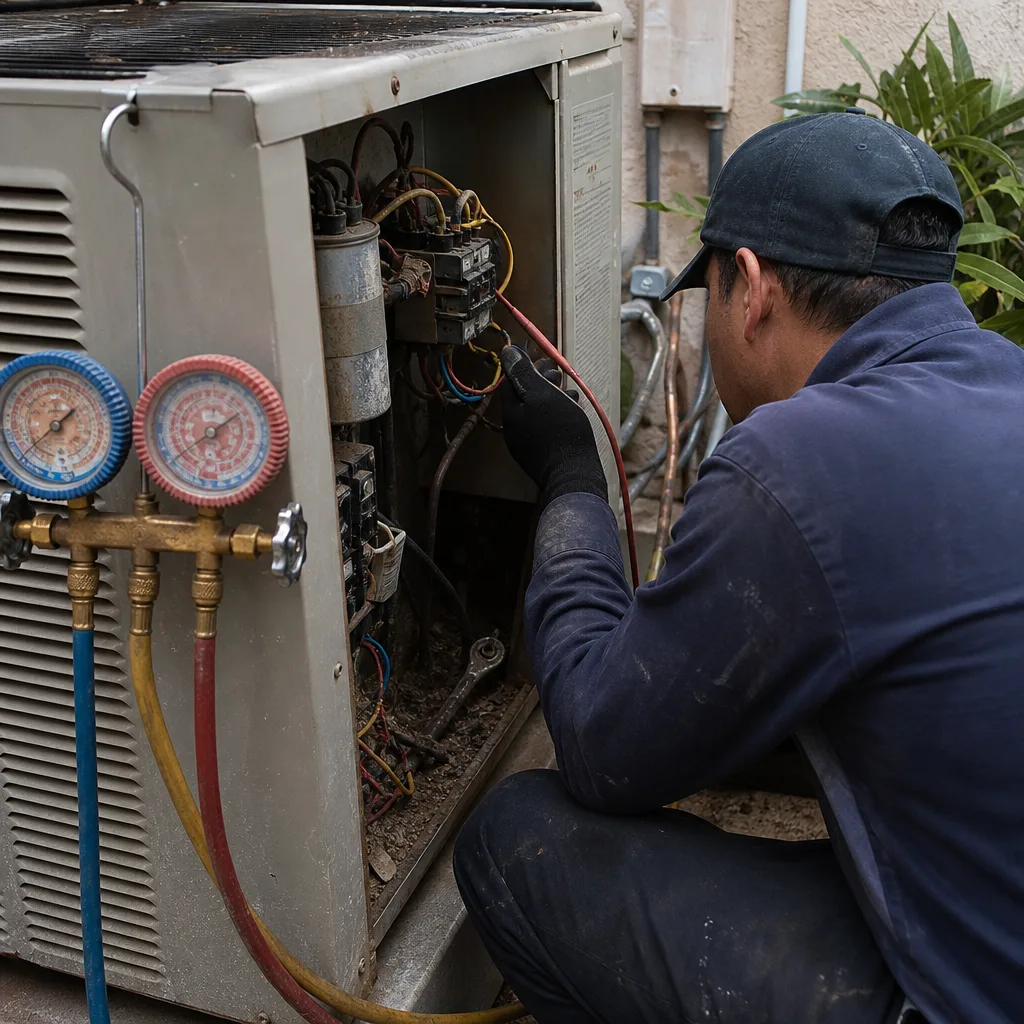 Before
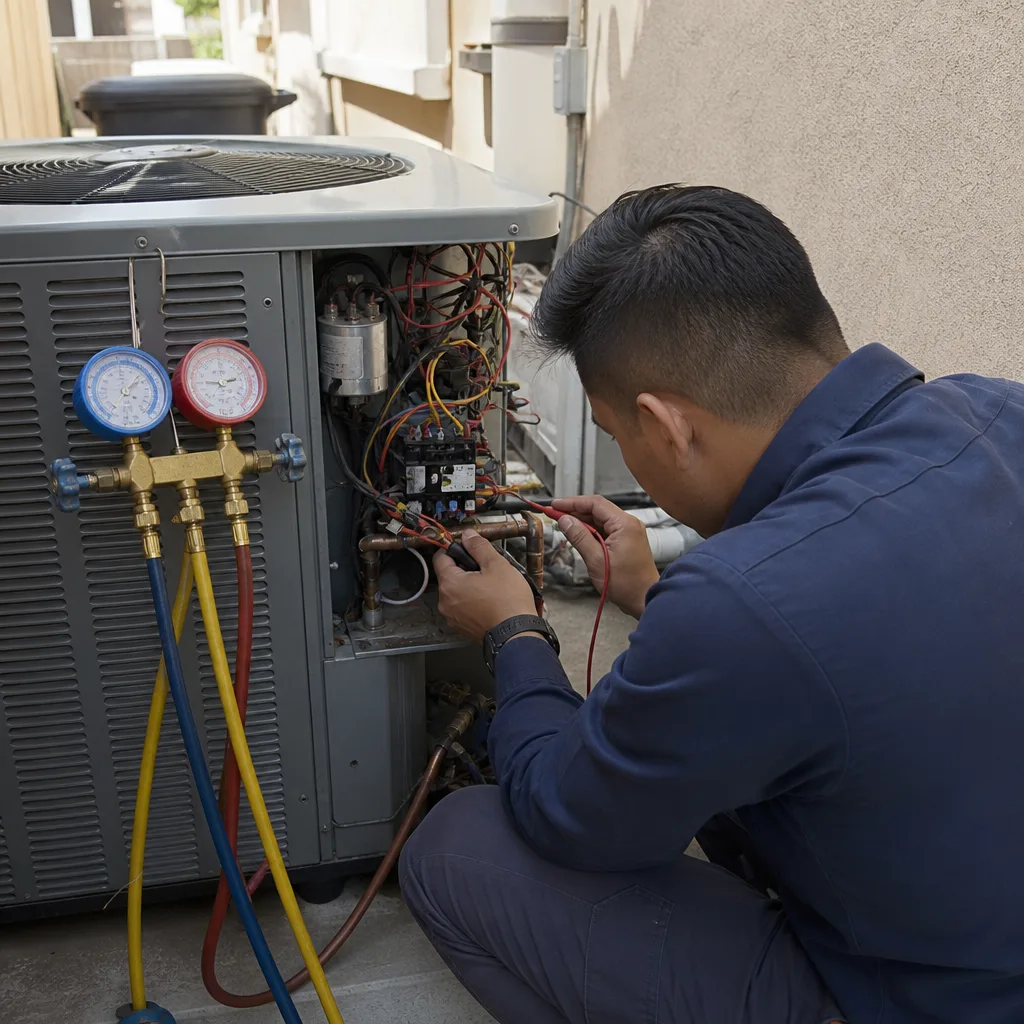 After
After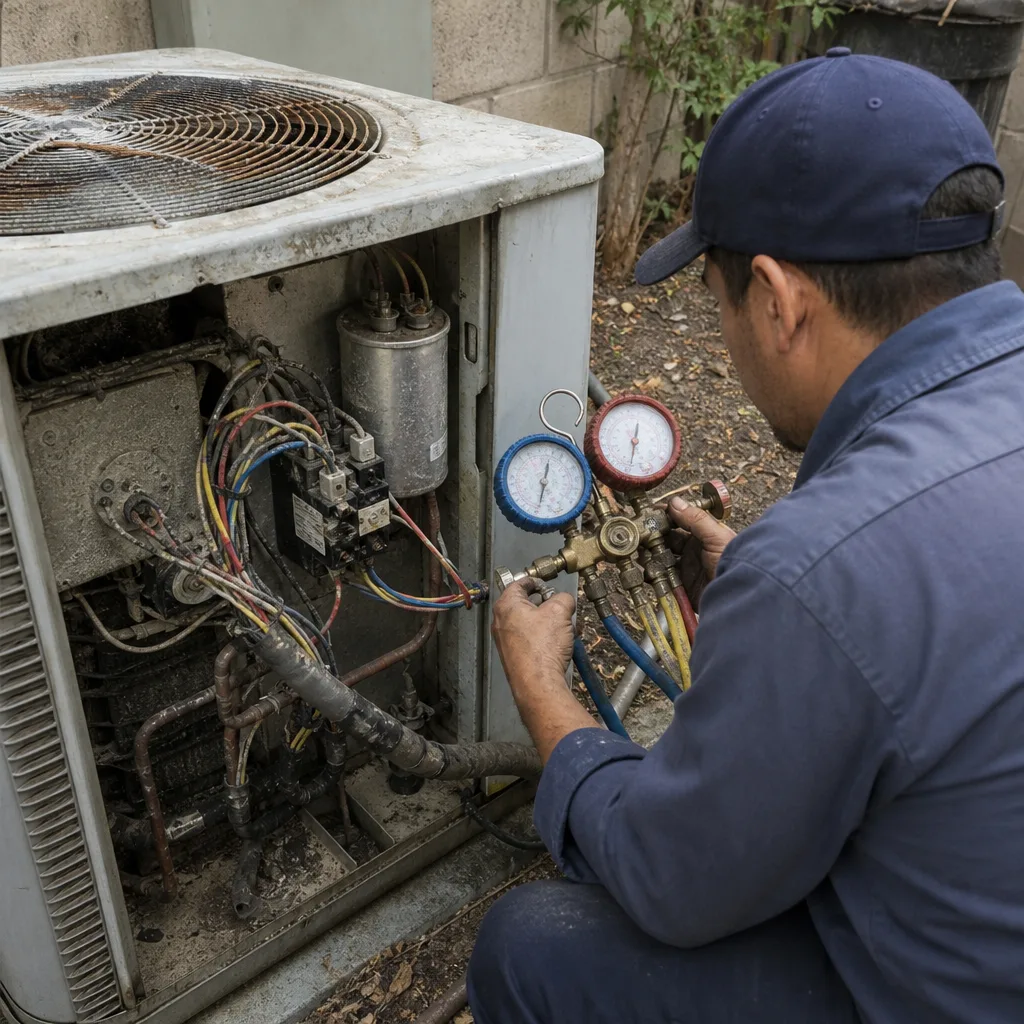 Before
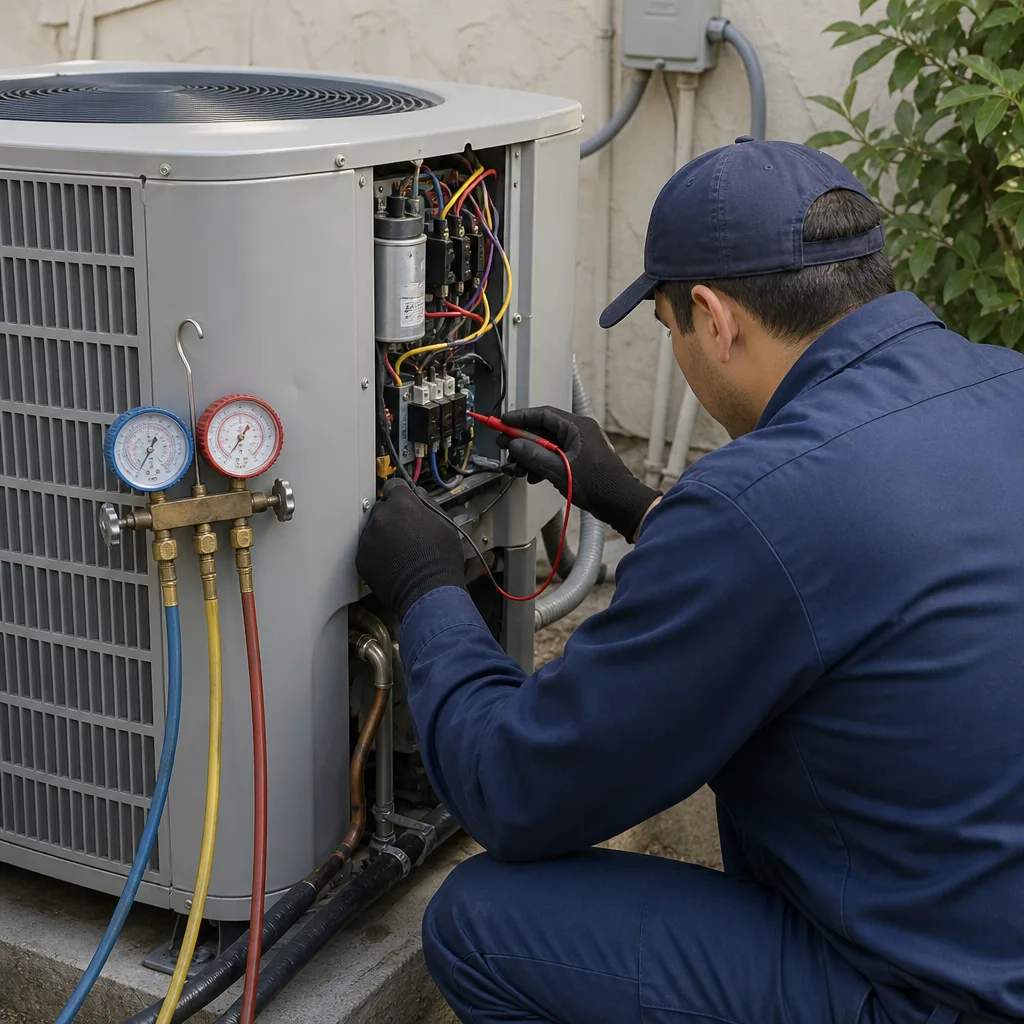 After
After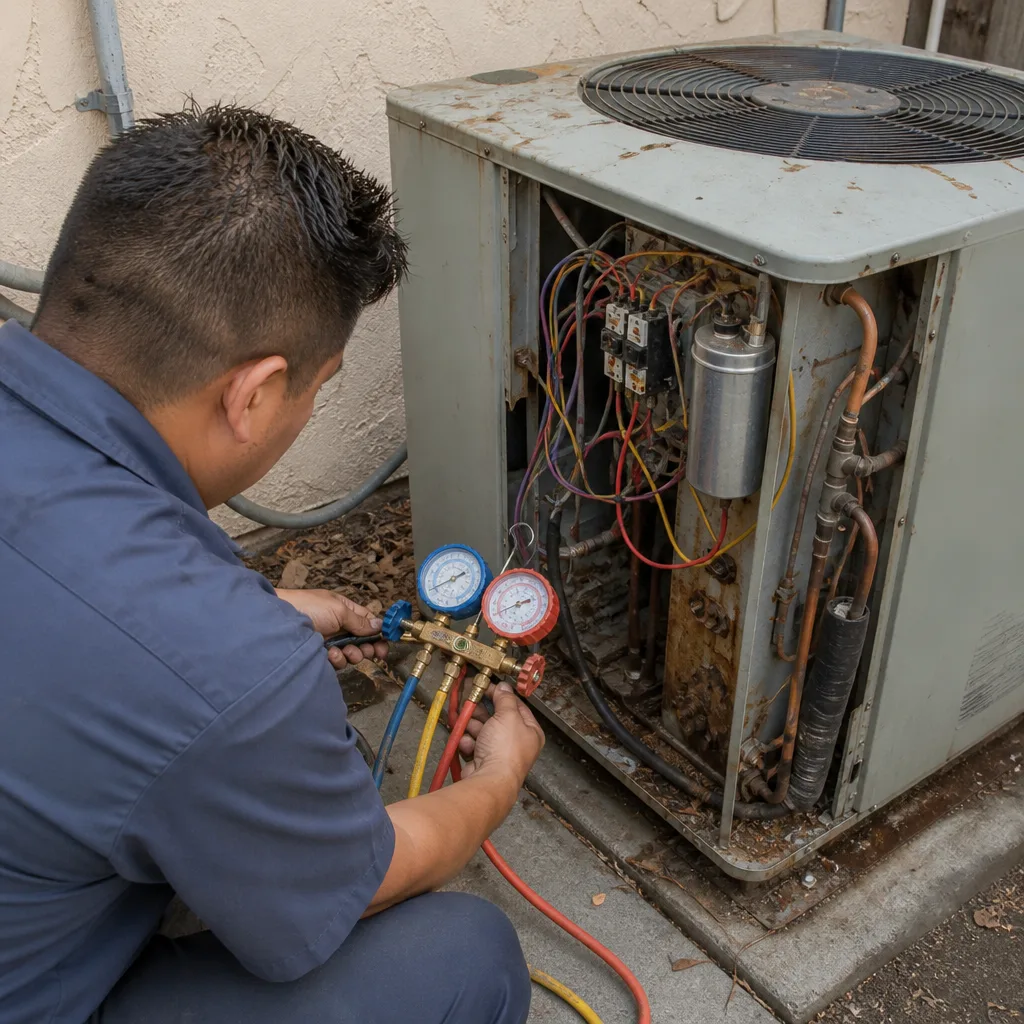 Before
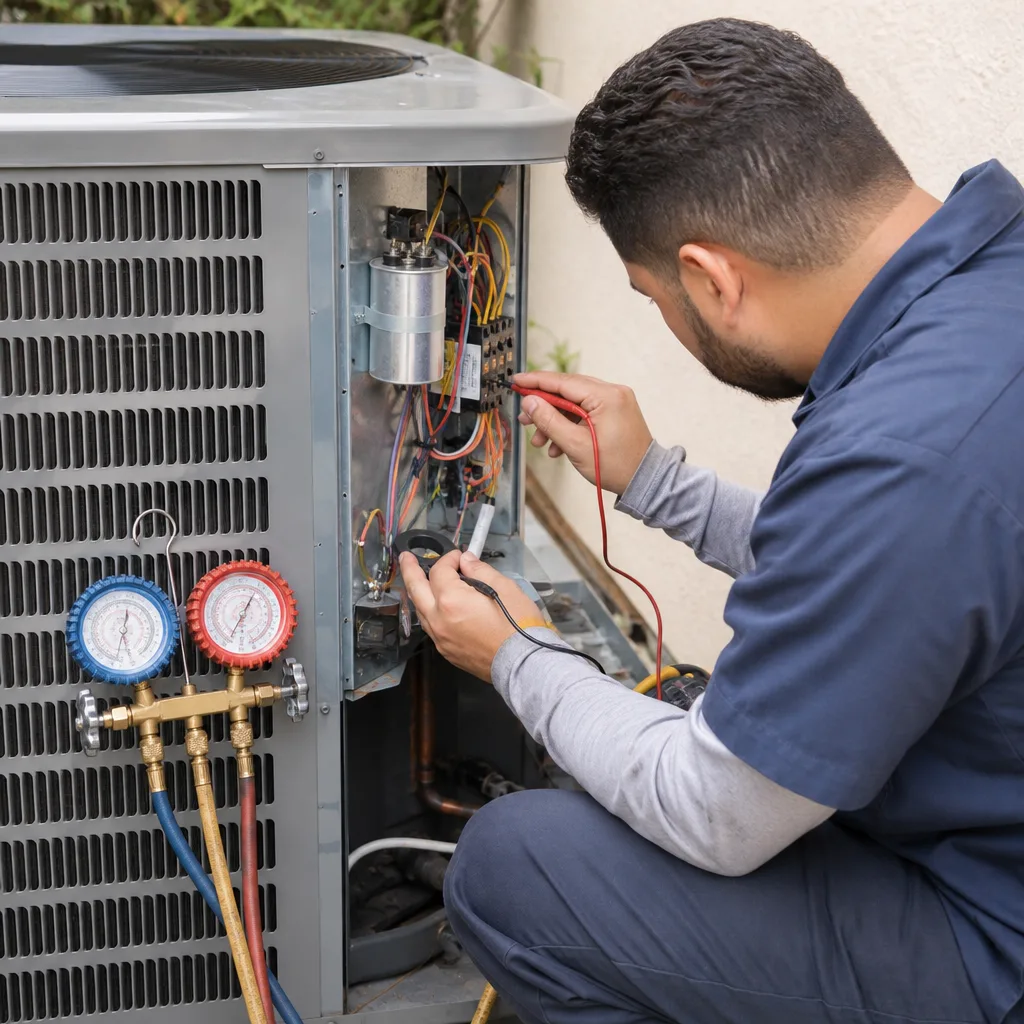 After
AfterFast, Reliable AC Repair Across Stanford
AC repair in Stanford typically costs $150 – $650 and is usually completed same day, with our AC Repair team dispatching from our San Francisco Bay Area office to reach campus neighborhoods and the surrounding unincorporated area quickly. We’re familiar with the specific challenges of working here: university-owned housing managed through Stanford’s Real Estate Office, the campus hydronic systems tied to the Central Energy Facility, and the 25 – 35°F diurnal temperature swings that stress equipment sized for mild afternoons. When your system fails during a fall Diablo wind event or your capacitor gives out on a 102°F afternoon, you need technicians who understand what they’re walking into. Call (984) 538-9003 and a live person will answer, 24 hours a day.
Why Brandt HVAC Is Stanford’s Preferred AC Repair Company
We’ve built our reputation in Stanford by showing up with our name on our badge and our photo already on your phone. Every technician is background-checked and identity-verified through our Threshold Verified standard. If someone arrives who you weren’t told to expect, that visit is on us and we make it right.
Our dispatch team coordinates scheduling from the San Francisco Bay Area office, and crews serve Stanford locally with same-day availability for most repair calls. We know the difference between a private home in Professorville and a campus-owned ranch near the Stanford Golf Course, and we know which jobs need university approval and which don’t.
Before any work starts, you get a written price. No exceptions. Every repair carries a written 365-Day Done Right Promise: if it fails, we return at no charge. That’s the certainty we sell.
AC Service in Stanford
AC Service in Stanford means more than a quick filter swap, especially in university-owned housing where the Real Estate Office tracks maintenance records and expects systems to meet campus sustainability standards tied to the university’s carbon neutrality commitment. Our tune-up visits run $80 – $200 and include a full written report of what we found, what we adjusted, and what to watch for before next season.
What We Check on Every Visit
We measure refrigerant charge against manufacturer spec, test capacitor microfarad output, inspect the evaporator coil for buildup that restricts airflow, and check static pressure across the duct system. In Stanford’s older faculty homes, we also look for mid-century insulation materials that can complicate airflow calculations.
Why Tune-Ups Matter Here
Stanford’s marine-to-inland climate transition means your system runs less total hours than inland Valley systems, but those hours are harder: startup cycles are frequent, and the Diablo wind events that push campus past 100°F find every weak component. A tune-up catches the capacitor that’s lost 20% of its rating before it fails on the hottest afternoon of the year.
AC Unit Repair in Stanford
AC Unit Repair in Stanford ranges from $150 – $650 for most residential calls, though main-campus buildings served by the Central Energy Facility’s chilled-water loops require coordination with Stanford Real Estate & Facilities Management and follow different protocols entirely. For the campus-owned homes and private residences we service directly, we repair compressors, fan motors, capacitors, contactors, and control boards on all major brands.
Compressor and Refrigerant Work
A refrigerant recharge means refilling the fluid that moves heat out of your home. If your system is low, we find the leak before adding refrigerant, repair it if accessible, and charge to factory spec. In Stanford’s climate, an undercharged system ices up the evaporator coil on mild nights, then fails completely when the afternoon heat arrives.
Electrical Component Failures
Capacitors fail faster in areas with wide temperature swings. Stanford’s 50°F overnight lows to 80°F+ afternoons mean capacitor electrolyte expands and contracts daily. We stock the common dual-run and start capacitors for Trane, Lennox, Goodman, and Rheem systems, and we test both capacitance and equivalent series resistance to catch capacitors that test “in range” but are failing under load.
Trusted Brands We Service in Stanford
We service all major residential HVAC brands including Carrier, Trane, Lennox, Goodman, Rheem, York, Daikin, Bryant, and American Standard. For Stanford customers, we maintain local parts inventory for Trane, Lennox, Goodman, and Rheem systems, the brands we see most often in campus housing and nearby neighborhoods. That inventory means faster turnaround: when your contactor welds shut or your blower motor seizes on a Saturday, we’re not waiting for a Monday warehouse shipment. Our technicians carry common capacitors, contactors, and refrigerant to complete most repairs in a single visit.
Common AC Repair Problems We See in Stanford Homes
- Campus hydronic interface confusion. A technician expecting a conventional boiler hookup at a main-campus building instead finds a SESI hot-water loop tied to the Central Energy Facility. Misdiagnosing this as standalone equipment failure wastes time and can damage campus infrastructure. We verify the building’s energy source before touching anything.
- Oversized equipment torched by Diablo winds. Systems sized only for Stanford’s mild baseline of low-to-mid 80s afternoons fail hard when fall winds push campus above 100°F in hours. Weak capacitors and low refrigerant charges that limped through summer get exposed immediately.
- Neglected static pressure in original 1950s – 60s ductwork. University-owned ranch homes have undersized original ducts. Even a properly charged condenser drives high static pressure, freezing the evaporator coil and wearing the blower motor prematurely. We measure static pressure on every call and report what we find.
- Short-cycling from thermostat mis-calibration. The 25 – 35°F diurnal swing means a thermostat programmed for inland Valley behavior will cycle the system excessively. We recalibrate for Stanford’s specific pattern so the system runs long enough to dehumidify without working itself to death.
Pricing for AC Repair in Stanford, CA
| Service | Price Range |
|---|---|
| AC Repair | $150 – $650 |
| AC Service (Tune-Up) | $80 – $200 |
| AC Unit Repair | $150 – $650 |
Most capacitor replacements in Stanford run $150 – $300, parts and labor included. A refrigerant recharge with leak repair typically falls in the $300 – $500 range. Compressor replacement or major electrical work reaches the upper end of our $150 – $650 range. What drives cost: accessibility of the unit, whether we need to coordinate with Stanford Real Estate & Facilities Management for campus access, and whether the repair reveals underlying issues like duct leakage or static pressure problems. We give you a written price before any work starts. Estimates are free. Call (984) 538-9003 for an exact quote.
We Also Serve Cities Near Stanford
Our crews work throughout the Peninsula, including AC Repair in Stanford and the surrounding communities of Palo Alto, Menlo Park, Atherton, and Los Altos. Each area has its own housing stock and climate quirks, but our Threshold Verified standard and upfront pricing apply everywhere we go.
Serving Stanford, CA - Our Local Coverage Area
We’re based in the Stanford area and know this community well. Use the map below to see our service coverage - if you’re nearby, we can almost certainly help.
FAQs About AC Repair in Stanford
Stanford’s main campus is served by the university’s Central Energy Facility and SESI hot-water loops, so an AC repair call inside the campus core can mean integrating a building’s hydronic interface with campus chilled-water supply rather than servicing a standalone condensing unit. Every main-campus job routes through Stanford Real Estate & Facilities Management, and because a technician expecting a conventional boiler hookup instead finds a campus hydronic interface, repairs require coordination with Central Energy Facility operating protocols. For campus housing residents, we handle that coordination so you don’t have to navigate university bureaucracy alone. Call (984) 538-9003 for an exact quote – estimates are free.
Yes, though any work on university-owned property requires approval from Stanford’s Real Estate Office at each step. Homes without central ductwork can often be served by ductless mini-split systems, but sizing and placement must meet campus aesthetic and sustainability standards tied to the university’s carbon neutrality commitment. We assess the structure, submit the necessary documentation, and provide a written fixed price before any equipment is ordered. Call (984) 538-9003 to schedule an assessment.
Undersized original ducts create high static pressure, which forces the blower motor to work harder and can cause the evaporator coil to freeze even when refrigerant charge is correct. Our tech was called to a mid-century ranch-style staff residence on a campus-owned street near the Stanford Golf Course, where the original duct system was undersized and the 3-ton air conditioner was short-cycling in the afternoon heat. We found a weak capacitor and a refrigerant charge that was low enough to let the evaporator coil ice up, but the real fix was re-balancing static pressure and recalibrating the thermostat for the 25 – 35°F diurnal swing. After replacing the capacitor, charging to spec, and sealing a leaky return, the home held setpoint through a 102°F Diablo-wind afternoon without the condenser working itself to death. Call (984) 538-9003 if your system is short-cycling or freezing up.
Capacitor failure caused by the daily temperature swing from 50°F overnight lows to 80°F+ afternoon highs. The thermal cycling degrades capacitor electrolyte faster than in more stable climates. We catch this during tune-ups and stock replacements for same-day repair. If your system hums but the compressor won’t start, or the fan spins slowly, it’s likely a capacitor. Call (984) 538-9003 – we can usually repair it same day.
For standalone residential equipment, federal regulations now require SEER2-rated systems on new installations, but repairs to existing equipment do not trigger replacement requirements. However, Stanford’s own sustainability standards increasingly expect all-electric heat pump retrofits for major system replacements, especially in buildings tied to the SESI infrastructure. We evaluate whether your repair can extend current equipment life or whether replacement aligns with campus standards, and we give you both options in writing with fixed prices. Call (984) 538-9003 for an exact quote – estimates are free.
When your AC fails in Stanford, you need technicians who understand campus hydronic interfaces, SESI coordination, and the specific stress this climate puts on equipment. You also need to know exactly who is walking through your door. That’s what Brandt delivers: certain price, certain identity, certain outcome. Call (984) 538-9003 for a free estimate.
Written by Devin Marlowe, Owner at Brandt HVAC, serving Stanford and the San Francisco Bay Area.