
Last updated October 9, 2026
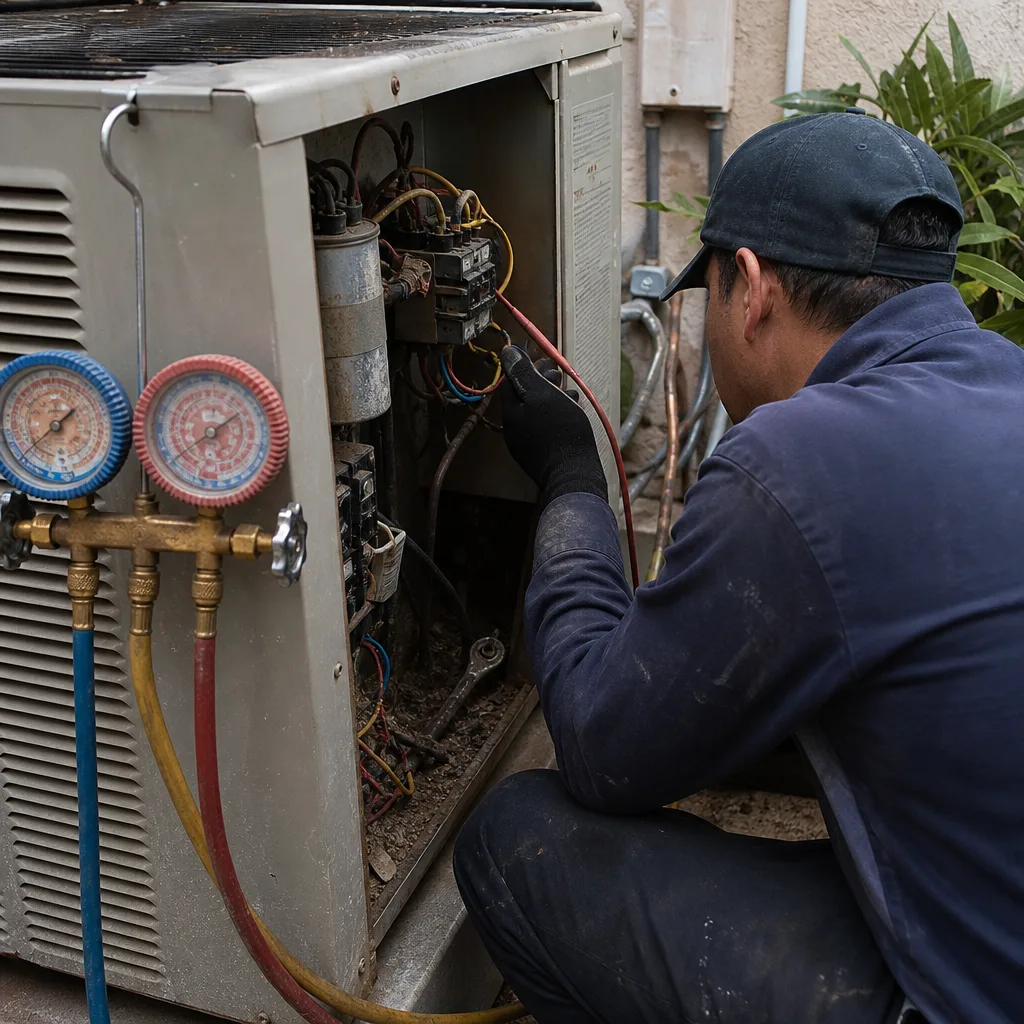
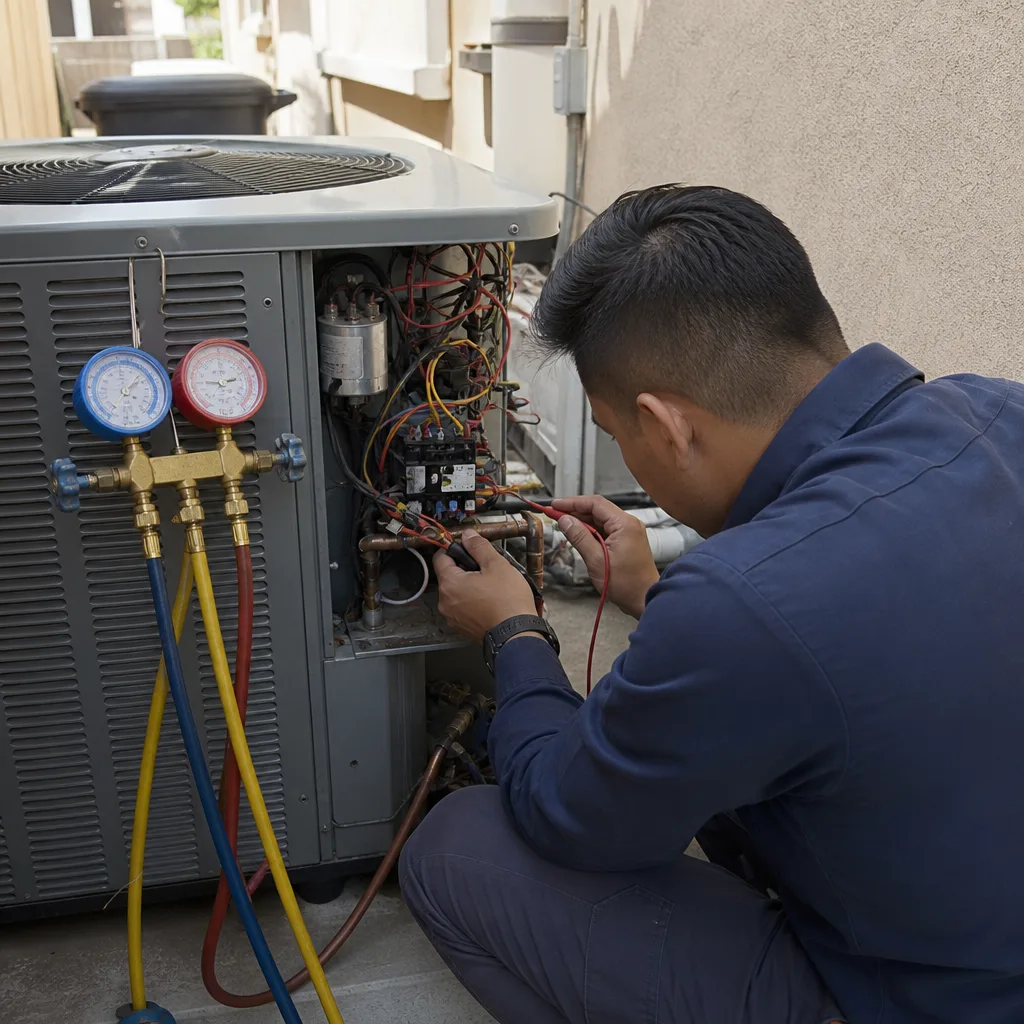
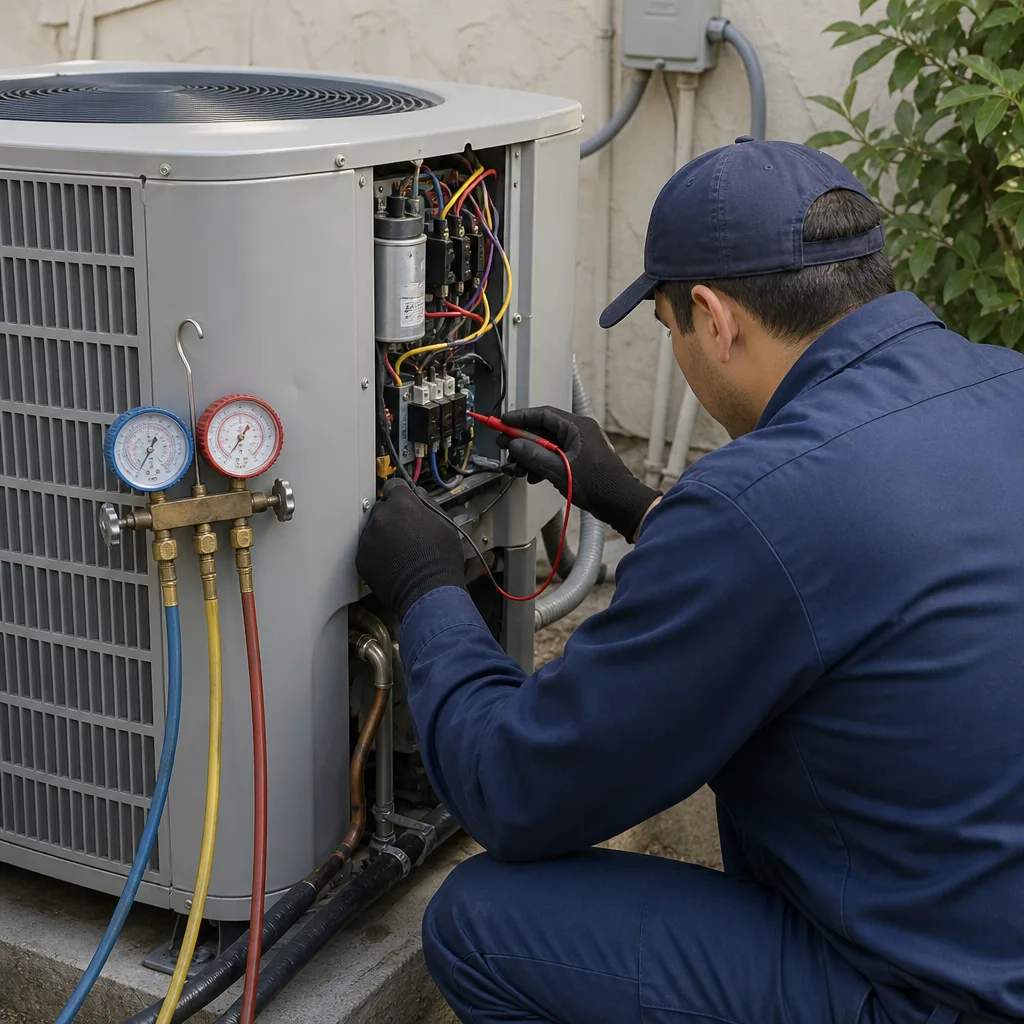
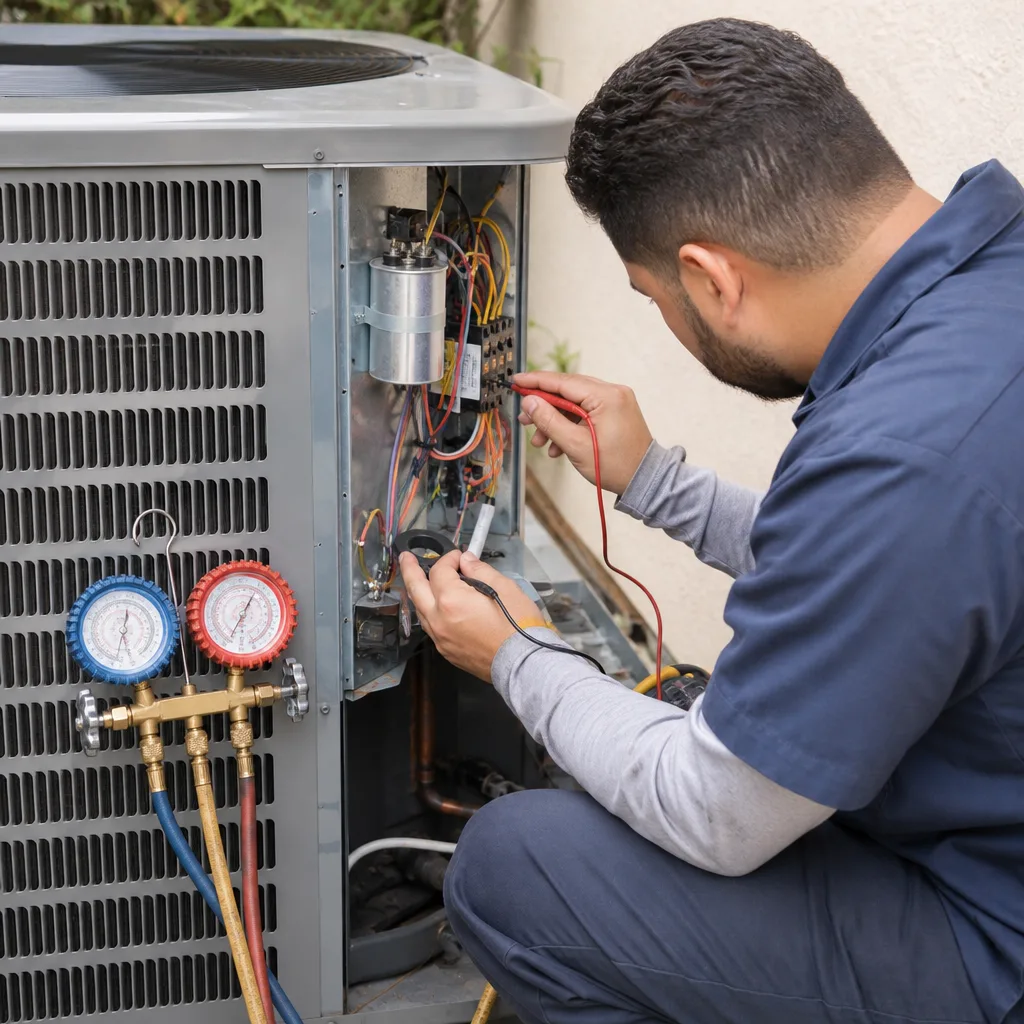
Seasonal tune-up and full diagnostic on your Carrier, Trane, or Goodman system - readings shown to you before any repair is proposed
Diagnosis first, numbers second - you approve the repair price before a single part goes in.
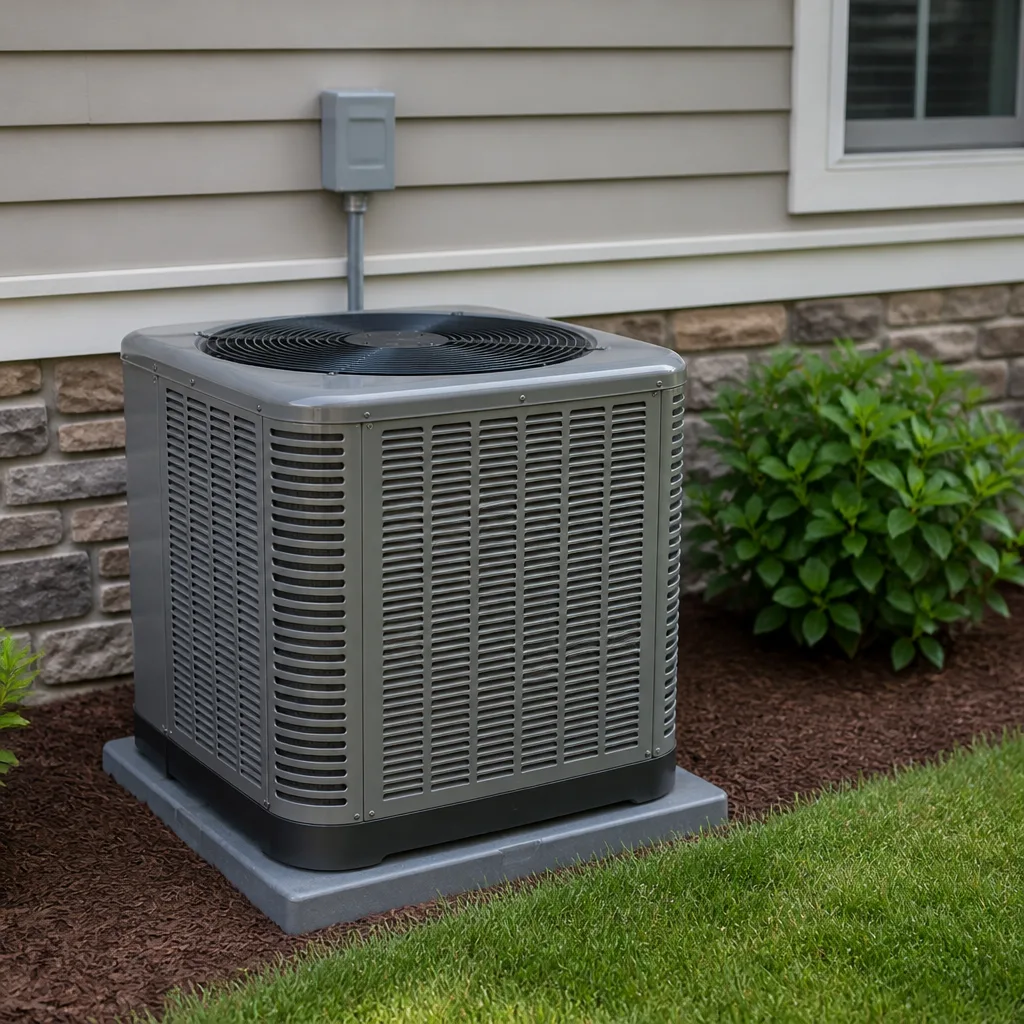
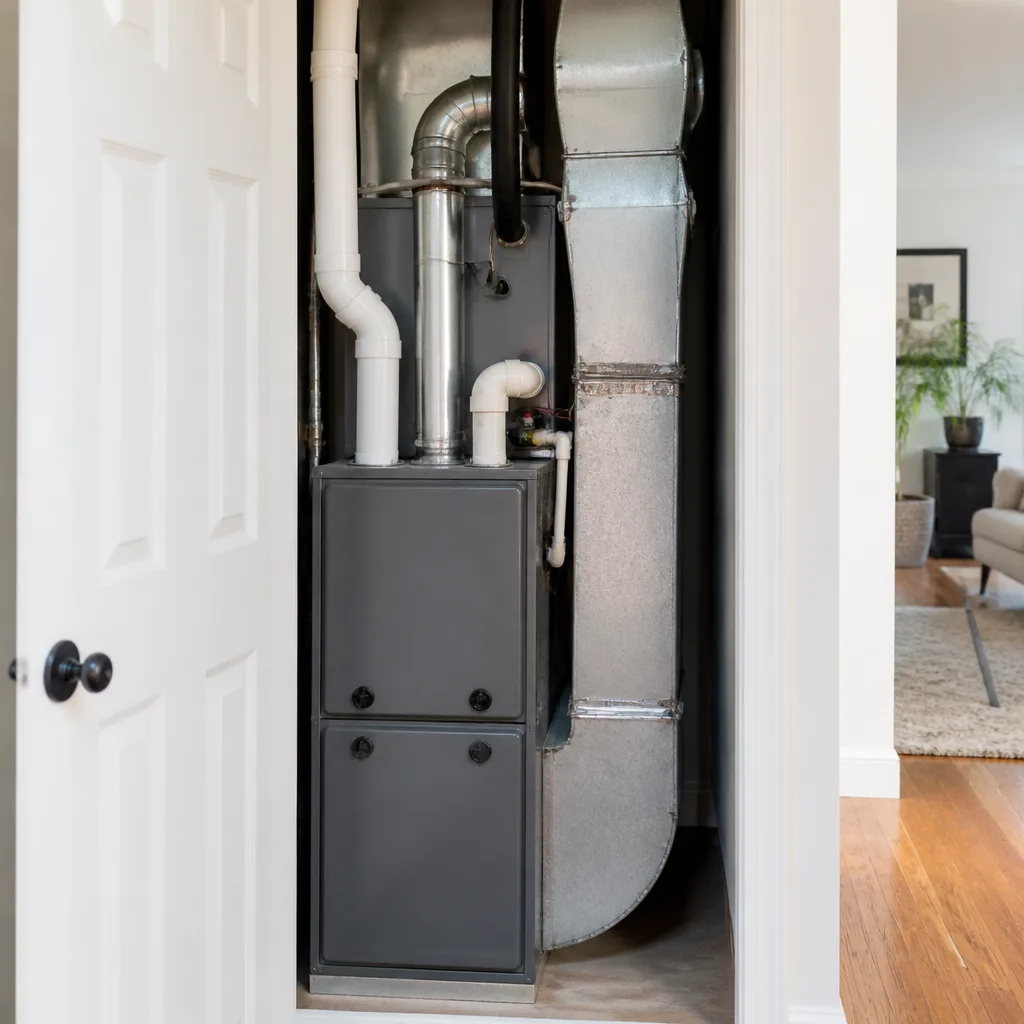
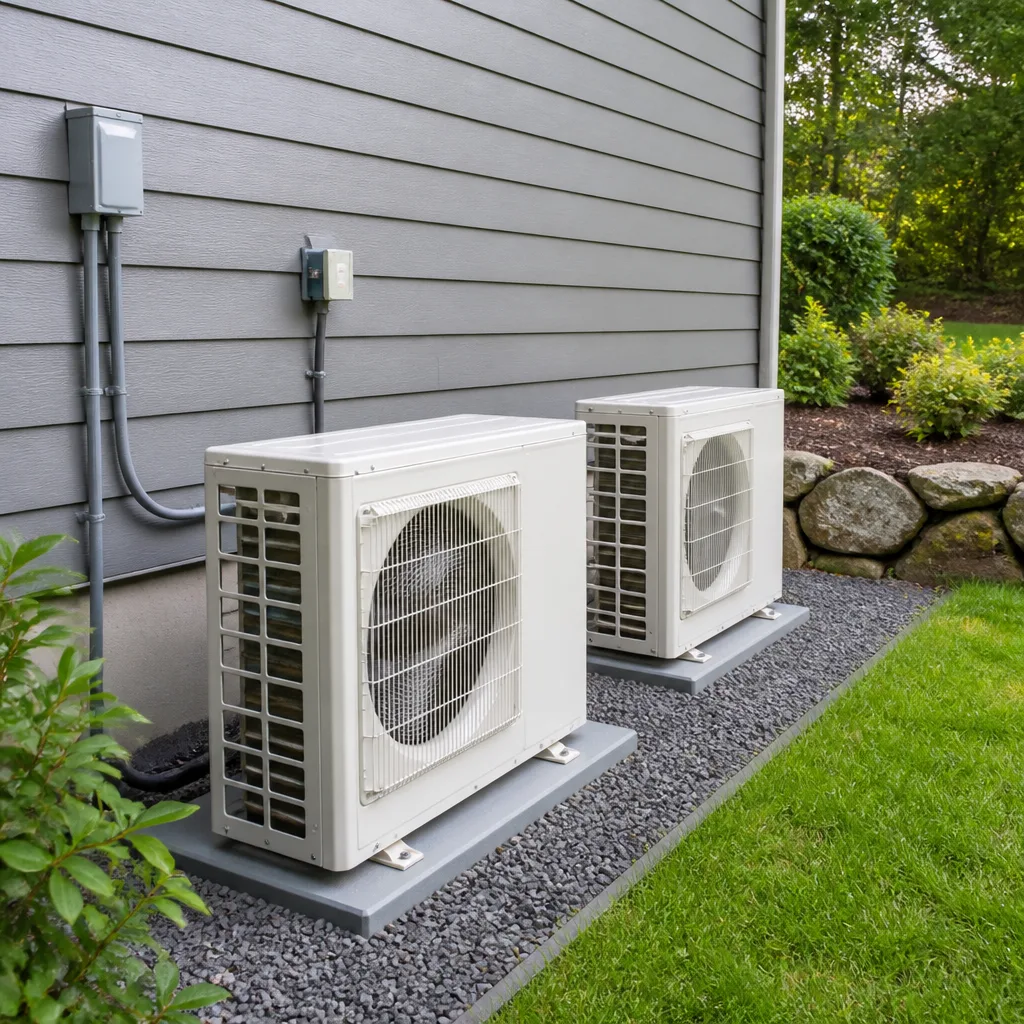
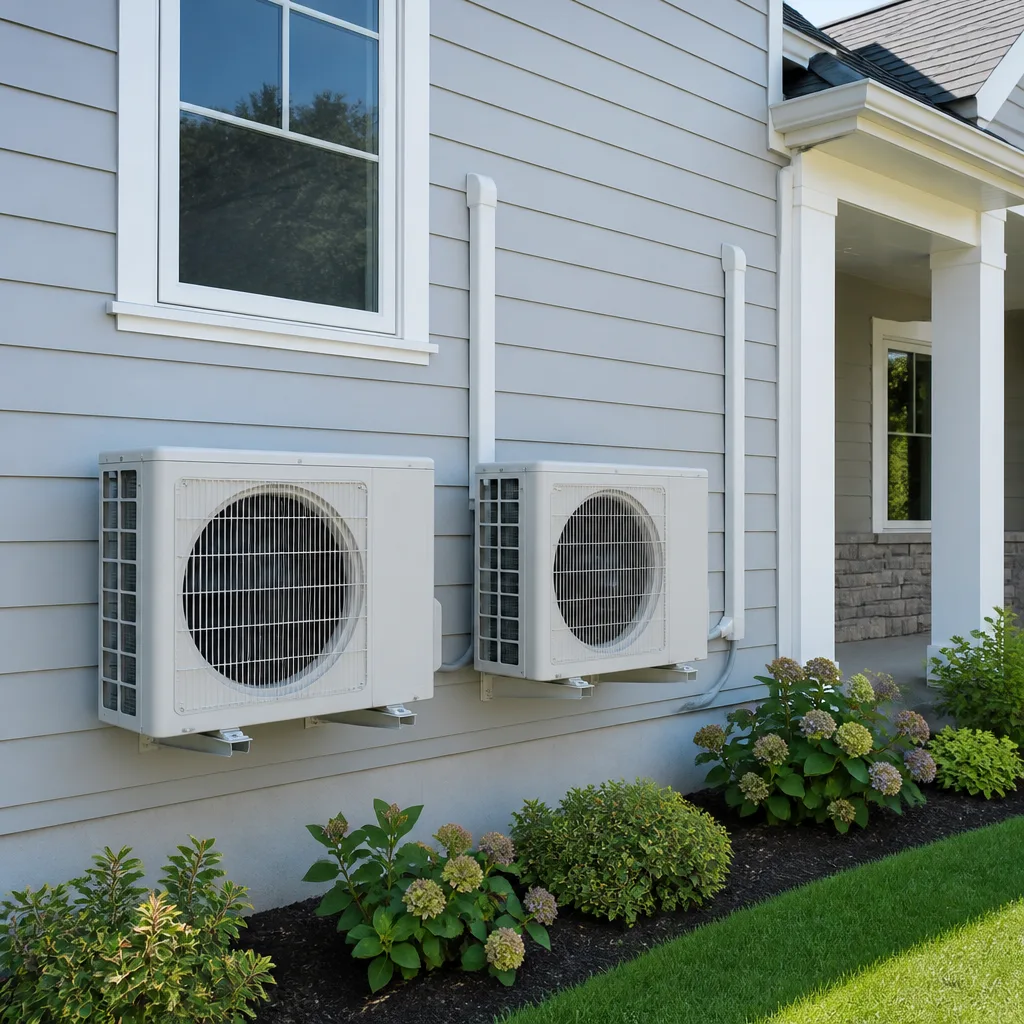
 Before
 After
After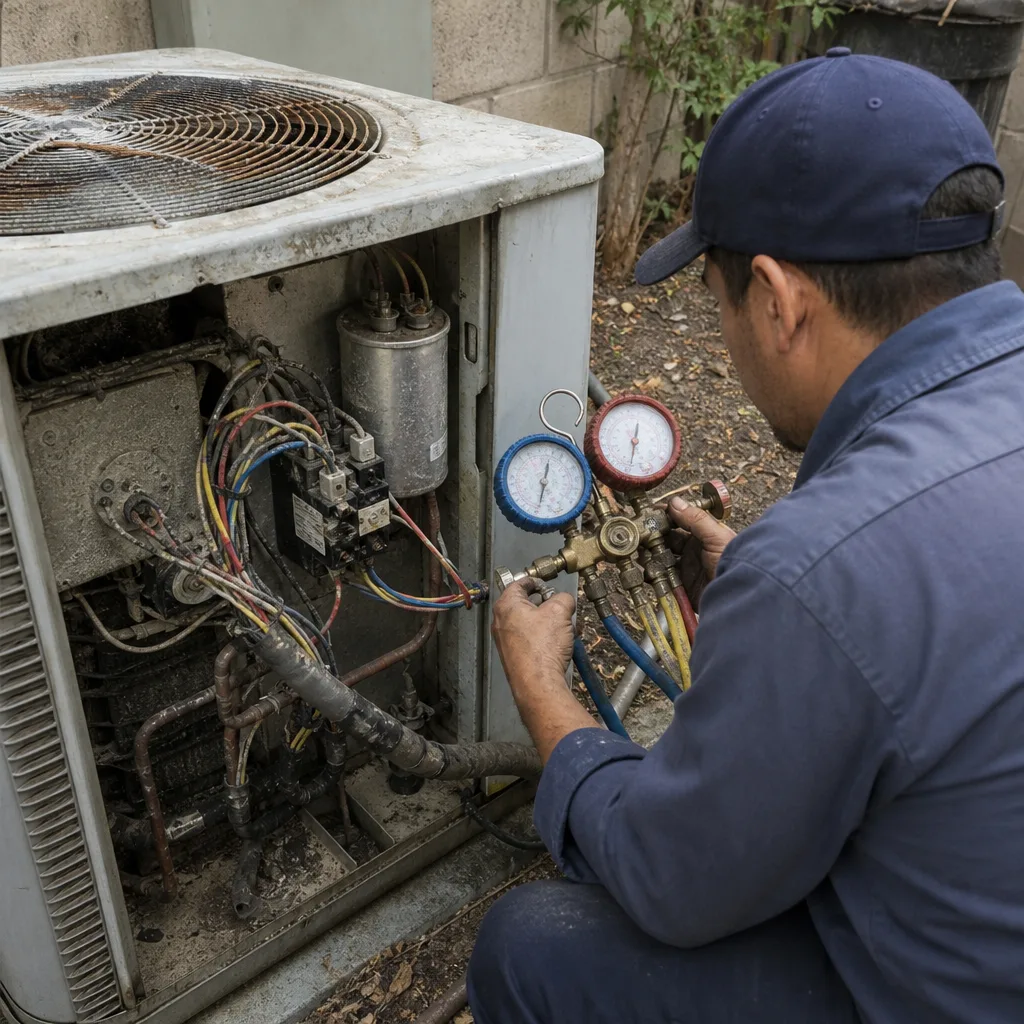 Before
 After
After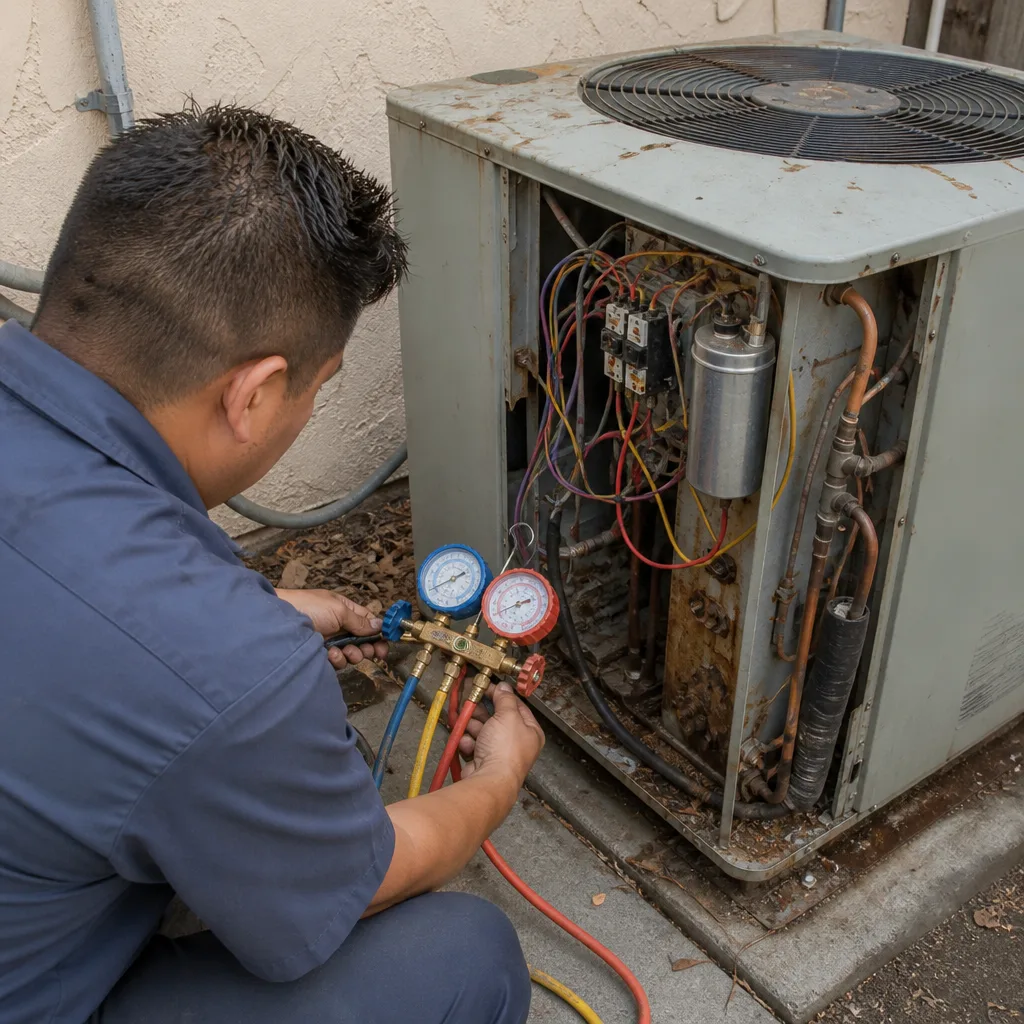 Before
 After
AfterHow Long Does AC Repair Take? Timelines and What to Expect
The most common reason an “afternoon repair” turns into a three-day wait isn’t a hard job. It’s a technician who didn’t pre-diagnose the system, showed up without the right part, and had to order it same-day. We see this pattern constantly in Los Angeles, where summer heat waves push HVAC companies past their scheduling capacity and corners start getting cut. This guide maps out realistic timelines by repair type and explains exactly where delays come from, so you can hold a contractor accountable to a schedule instead of waiting by the phone. For a deeper look at one common question, read our post on How Long Does Furnace Repair Take? Timelines and What to Expect.
Quick Answer
Most common AC repairs in Los Angeles take 1 to 3 hours once the technician arrives, assuming the part is on the truck. More involved jobs like compressor replacements or coil swaps run 4 to 8 hours, and anything requiring a LADBS permit adds 3 to 10 business days. The single biggest variable is parts availability, which is why a contractor who confirms part stock before scheduling will almost always beat one who diagnoses on-site.
Table of Contents
- Realistic Timelines for the 8 Most Common AC Repairs
- Pre-Diagnosis vs. On-Site Diagnosis: Why It Controls Your Timeline
- When Parts Availability Actually Controls the Schedule
- Los Angeles Permit Requirements and How They Add Days
- Questions to Ask When Scheduling an AC Repair
- What Vague Answers Should Tell You
- Common Mistakes to Avoid
- When to Call a Professional
Realistic Timelines for the 8 Most Common AC Repairs
If you live in Los Angeles, you already know the drill: the AC fails on the hottest day of the year, and suddenly every HVAC company in the San Fernando Valley has a two-week backlog. But the actual repair work, once a technician is standing in front of your condenser, is usually faster than most homeowners expect. Here’s what we’ve seen across thousands of service calls in LA, from West Hollywood condo units to single-family homes in Pasadena and Torrance.
The numbers below assume a technician arrives with the correct part already on the truck. If they have to leave and come back, add 1 to 2 hours for a supply house run, or 2 to 5 business days for a special-order part.
- Capacitor replacement: 30 to 60 minutes. This is the most common AC failure in Los Angeles, especially during summer brownouts and heat waves. The capacitor is a small cylinder that gives the compressor and fan motor the jolt they need to start. Parts cost $15 – $60. It’s a quick job if the tech has the right microfarad rating on hand.
- Contactor replacement: 45 to 90 minutes. The contactor is the electrical switch that lets the outdoor unit draw power. In LA’s coastal neighborhoods like Santa Monica and Venice, salt air corrodes contactors faster than inland. Parts run $30 – $80.
- Thermostat replacement or wiring fix: 30 to 60 minutes. This one’s straightforward, assuming the problem is the thermostat and not a short in the low-voltage wiring running through your walls. A new smart thermostat in Los Angeles runs $150 – $350 installed.
- Condensate drain line clearing: 45 to 90 minutes. Your AC pulls humidity out of LA’s air (yes, even in a dry climate, a running AC produces condensate). When the drain line clogs with algae or debris, the safety switch shuts the system down. Clearing it involves a wet/dry vac, compressed air, or a drain snake, plus a cleaning treatment to prevent the clog from returning.
- Refrigerant leak repair and recharge: 2 to 4 hours. This is the repair where timelines get real. Finding a leak means pressure-testing the system with nitrogen, often using an electronic leak detector or UV dye, then repairing the leak point, pulling a vacuum, and recharging with the correct refrigerant by weight. In Los Angeles, R-410A refrigerant runs $75 – $150 per pound, and most systems need 3 to 8 pounds. R-22 systems (older units) are pricier, and some LA homeowners find replacement is the smarter call when an R-22 system springs a leak.
- Condenser fan motor replacement: 1 to 2 hours. The fan motor on the outdoor unit fails in Los Angeles more often than people realize, usually from bearing wear after years of running through dusty Santa Ana conditions. Parts run $150 – $350 depending on the motor specs.
- Blower motor replacement: 2 to 3 hours. The indoor blower motor moves conditioned air through your ducts. This one takes longer because the tech has to access the air handler, which in many LA homes means working in a tight attic or garage closet. Parts run $300 – $700.
- Compressor replacement: 4 to 8 hours, half-day minimum. The compressor is the heart of the system. Replacing one means recovering refrigerant, swapping the compressor, installing a new filter drier, pressure-testing, pulling a deep vacuum, and recharging. It’s not a quick job, and the part itself can run $800 – $2,000 depending on your system’s tonnage and brand. On a system older than 10 years, we often walk LA homeowners through the repair-versus-replace math before committing, because a compressor replacement on a 15-year-old unit rarely makes sense.
One thing to know: at Brandt HVAC, every one of these repairs starts with a written price before any work begins. You’ll know the cost, the parts needed, and the expected time before we touch a screwdriver.
Pre-Diagnosis vs. On-Site Diagnosis: Why It Controls Your Timeline
Here’s the thing most homeowners don’t realize: the clock on your repair starts before the technician even rings your doorbell. When you call for AC Repair in Los Angeles, there are two ways a contractor can approach the job.
A company that pre-diagnoses is one that asks detailed questions during the scheduling call. What’s the system doing? Is the outdoor unit running when the indoor unit blows warm air? Is there a buzzing sound but no startup? Is the breaker tripping? A skilled dispatcher collects this information and passes it to the technician, who then loads the truck with the most likely parts before heading to your home. That’s how a capacitor swap happens in under an hour.
A company that doesn’t pre-diagnose sends a tech out cold. The tech spends the first 30 to 60 minutes running through the same diagnostic steps they could have prepared for. Then, when they identify the failed part, it’s not on the truck. They drive to a supply house in North Hollywood or Gardena, wait at the counter, drive back, and install. Your “one-hour repair” is now a five-hour ordeal, and you’ve paid for the tech’s drive time in one form or another.
In our experience, pre-diagnosis is the single strongest predictor of an on-time AC repair. It’s also a sign of a company that respects your schedule. When we dispatch a technician in Los Angeles, the truck is stocked based on the symptoms described on the call, not on a guess.
When Parts Availability Actually Controls the Schedule
Sometimes the repair timeline has nothing to do with the technician’s skill and everything to do with the supply chain. In Los Angeles, parts availability breaks down into three tiers.
- Common parts, locally stocked: Capacitors, contactors, thermostats, standard condenser fan motors, and drain line supplies are stocked at supply houses across LA County. If a company runs a stocked truck, these repairs happen same-day.
- Brand-specific parts, 1 to 3 business days: If you own a Daikin, Bryant, or York system with a proprietary control board or variable-speed motor, the part likely isn’t sitting on a supply house shelf. It ships from a regional warehouse, usually out of the Inland Empire or Orange County. That adds a day or two.
- Special-order parts, 5 to 10 business days: Some American Standard and Daikin variable-speed components, certain inverter boards, and older-model heat exchanger components get drop-shipped from the manufacturer. That’s where you’ll see a week or more added to your timeline.
Here’s the question that separates the professionals from the rest: during the scheduling call, ask the contractor to confirm part stock before you take time off work. If they can’t tell you whether they have the part or where they’ll get it, expect a delay. At Brandt HVAC, we check part availability before we confirm your appointment window, and we’ll tell you on the phone if this is a same-day fix or a parts-order situation.
Los Angeles Permit Requirements and How They Add Days
Most AC repairs don’t need permits. Capacitors, contactors, thermostats, fan motors, blower motors, and drain line work fall under routine maintenance and repair, which the Los Angeles Department of Building and Safety (LADBS) doesn’t require to be permitted. But there are exceptions, and they’re the ones that can quietly add 3 to 10 business days to your timeline.
If your repair involves replacing the outdoor condensing unit, relocating equipment, or replacing ductwork, LADBS wants a mechanical permit. That means an inspector has to review the installation. In practice, here’s how the timeline plays out in LA:
- Contractor pulls the permit from LADBS. Depending on the district office and current volume, that’s same-day to 3 business days.
- Work is performed. The actual installation or replacement takes anywhere from a half-day to a full day.
- Inspector comes out. LADBS typically schedules inspections 1 to 5 business days after the contractor calls in the completed work.
- If the inspector passes the work, the permit closes. If not, corrections get made and re-inspected, adding another 2 to 5 days.
Any contractor who tells you a permitted job in Los Angeles will be done start-to-finish in a single day is not being straight with you. The work might take a day. The permit and inspection don’t. A company that handles permits properly, as we do at Brandt HVAC’s Los Angeles AC repair service, should give you a written timeline that includes the inspection window, not just the installation hours.
Questions to Ask When Scheduling an AC Repair
You can control more of your repair timeline than you think. The scheduling call is where delays are either prevented or baked in. Here’s the exact list of questions we recommend every Los Angeles homeowner ask before booking an appointment, drawn from our How to Hire a HVAC Contractor in Los Angeles: A Step-by-Step Guide:
- “Can you confirm the part is on the truck or in stock before you arrive?” This single question eliminates the most common cause of delays. If the answer is “we’ll see when we get there,” prepare for a longer day.
- “Is the diagnostic fee waived if I approve the repair?” Most reputable LA companies credit the diagnostic charge toward the repair. If a company charges a separate diagnostic fee on top of the repair, ask yourself whether they’re incentivized to find something expensive.
- “Does this job require a permit, and if so, what’s the inspection timeline?” If a permit is needed, a straight answer will include LADBS inspection windows. A vague answer is a red flag.
- “What is the written price, and what does it include?” You should receive a written price before any work begins. No exceptions. At Brandt HVAC, that’s a rule, not a courtesy.
- “What’s the guarantee on this repair, and how long does it last?” If the answer is unclear, be wary. We put every guarantee in writing and stand behind it through our 365-Day Done Right Promise: if the repair fails within the guarantee period, we return at no charge.
The point here isn’t to interrogate the person on the phone. It’s to find out whether the company runs a disciplined operation. Companies that answer these questions cleanly tend to show up on time and finish the job when they said they would.
What Vague Answers Should Tell You
During the scheduling call, the words a contractor uses can tell you more than the price they quote. Here’s how to read between the lines.
“We’ll have to look at it first” is a fair answer when you’re describing a complex system failure. But it’s a problem when the symptom is straightforward, like a system that hums but won’t start or an AC that trips the breaker immediately. Those symptoms point to specific components, and an experienced dispatcher knows that.
“Should be quick” without a part confirmation is meaningless. Quick compared to what? A technician driving from Granada Hills to a supply house in Van Nuys and back during rush hour on the 405 is not quick. A real answer includes part stock and a time window.
“We’ll call the office and see” when asked about permits suggests the company doesn’t handle LADBS paperwork regularly. If they’re figuring out the permit process on your job, you’re paying for their learning curve in time.
The theme here is simple: precision in the scheduling call predicts precision on the job. A contractor who gives you a specific answer about parts, permits, and pricing is a contractor who has done this before. That’s the standard we hold ourselves to at Brandt HVAC, and it’s the standard you should hold any company to.
Common Mistakes to Avoid
- Booking the first available appointment without asking about parts. Availability is not the same as readiness. A company with an open slot and an empty truck will waste your entire afternoon.
- Assuming the cheapest quote means the fastest repair. In Los Angeles, the cheapest option often means a tech who is scheduled for six calls in a day and will rush through yours. Speed and thoroughness are separate things.
- Not asking whether the diagnostic fee applies to the repair. Some companies charge a $79 – $129 diagnostic visit and then quote the repair on top. Know before you book whether that fee applies toward the work.
- Waiting until the system is dead to address a slow decline. That rattling sound, the odd smell, the lukewarm air – in our experience, these are the early warnings that a $45 capacitor is about to become a $1,400 compressor. Catching it early saves time and money.
- Ignoring permit requirements to save a day. An unpermitted condensing unit replacement in Los Angeles can bite you at resale and with your insurance. The day you save now could cost you weeks later.
- Not getting the guarantee in writing. A verbal promise is worth nothing when the repair fails at 9 p.m. in August. Insist on a written guarantee that states exactly what’s covered and for how long.
- Choosing a contractor who can’t tell you who is coming to your door. You deserve to know the name and background of the person entering your home. At Brandt HVAC, every technician is background-checked and identity-verified under our Threshold Verified standard. We send you the technician’s name and photo before the visit, and they show a photo ID badge at the door.
When to Call a Professional
If your AC is blowing warm air during a Los Angeles summer, tripping the breaker, making grinding or screeching sounds, or leaking refrigerant, call a professional. These aren’t DIY situations, and the longer a failing system runs, the more expensive the eventual repair becomes. Refrigerant work requires EPA certification, and electrical work on a 240-volt condenser is dangerous if you don’t know exactly what you’re doing.
If you’re not sure whether your repair is urgent, call anyway. A live person answers the phone at Brandt HVAC 24 hours a day, 7 days a week – nights, weekends, and holidays. No voicemail, no callback queue. We’ll talk through the symptoms, help you decide whether it’s an emergency, and get a technician scheduled if it is. AC repair in Los Angeles doesn’t have to be a guessing game. Brandt HVAC offers free estimates in Los Angeles – call (984) 538-9003.
Frequently Asked Questions
Most common AC repairs take 1 to 3 hours on-site once the technician arrives with the correct part. Simple fixes like capacitor and contactor replacements run under an hour, while refrigerant work and blower motor replacements run 2 to 4 hours. Call (984) 538-9003 for a free estimate tailored to your system.
In many cases, yes – especially for common failures like capacitors, contactors, and thermostat issues, where the part is likely on our truck. Same-day availability depends on call volume, which in Los Angeles spikes during summer heat waves. Call early, and we’ll tell you honestly whether today is realistic or whether tomorrow makes more sense.
LADBS requires mechanical permits for work that changes the system’s design or capacity, such as replacing the outdoor condensing unit or modifying ductwork. The permit ensures the work meets California’s energy and safety codes. Expect 3 to 10 business days added to your timeline for permit processing and inspection.
Most repairs in Los Angeles run $150 to $800, with simple part replacements like capacitors on the low end and blower motors or refrigerant work on the higher end. Compressor replacements can run $1,500 to $3,000 or more. Brandt HVAC gives you a written price before any work begins, so you’ll never face a surprise bill. Call (984) 538-9003 for an exact quote.
If your system is under 10 years old and the failed component is a capacitor, contactor, fan motor, or thermostat, repair almost always makes sense. If the compressor has failed on a system over 12 years old, or if the unit uses R-22 refrigerant that’s being phased out, replacement often costs less over the long run. We’ll walk you through the honest math before you commit.
Ask about the guarantee before the work begins. At Brandt HVAC, every repair includes a written guarantee, and if the repair fails within the guarantee period, we return at no charge under our 365-Day Done Right Promise. No argument, no additional cost. That’s how it should work.
The Bottom Line
AC repair timelines in Los Angeles are rarely about the difficulty of the work. They’re about parts on the truck, permit scheduling, and whether the company you called runs a disciplined process. The fastest repairs come from contractors who pre-diagnose during the scheduling call, confirm part stock before arrival, and give you a written price and guarantee up front. Ask the right questions, and you’ll know which kind of company you’re dealing with before the technician ever parks in your driveway. For more guides & resources, visit our blog. If you want that kind of certainty, call (984) 538-9003 – a live person answers 24/7, and we’ll tell you exactly what to expect.
Written by Devin Marlowe, Owner at Brandt HVAC, serving Los Angeles since 2003.