
Last updated October 9, 2026
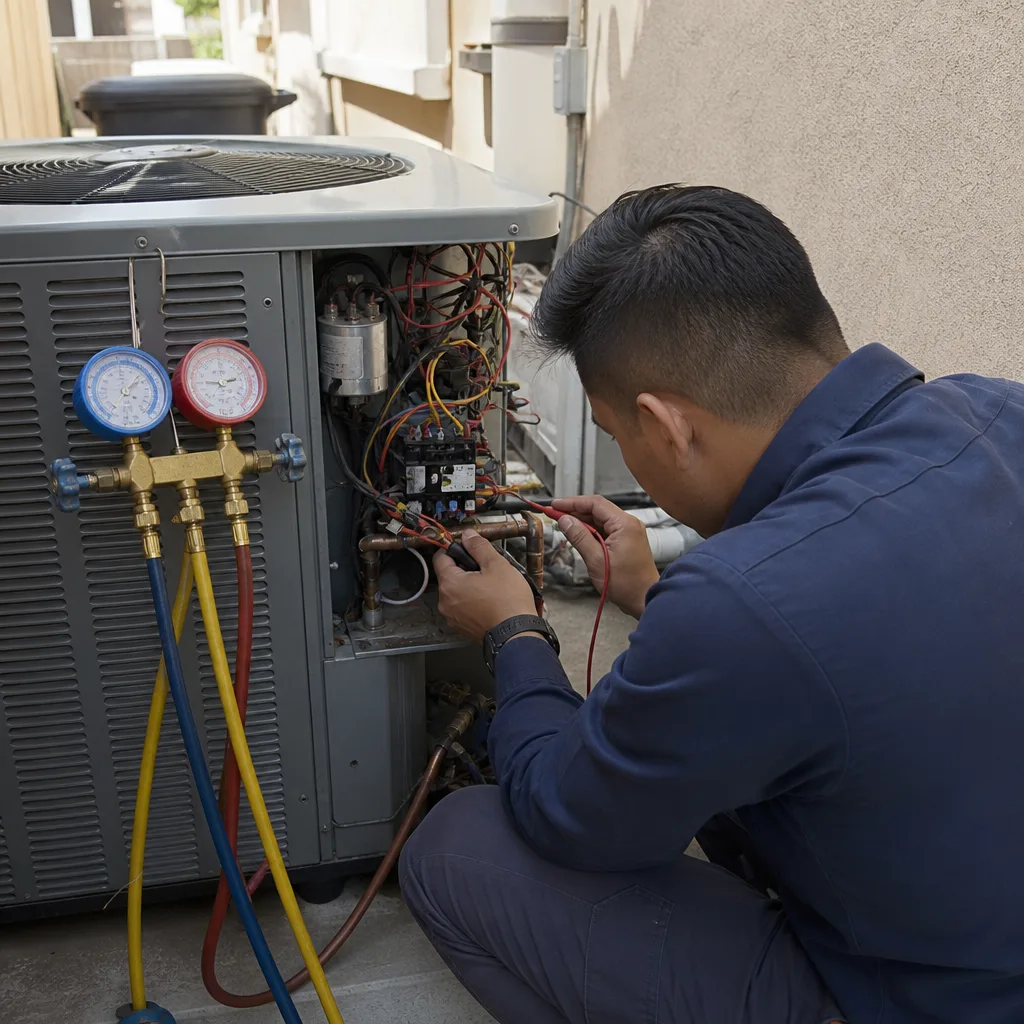
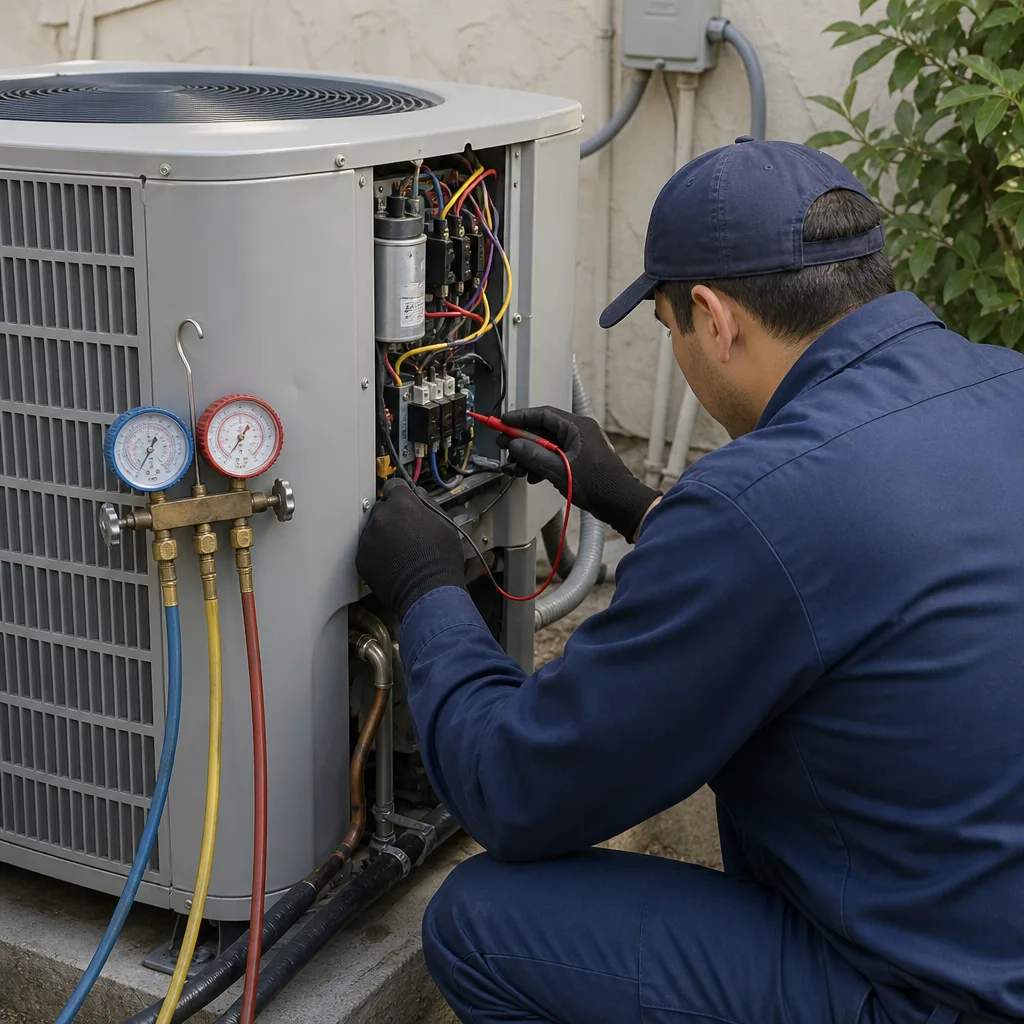
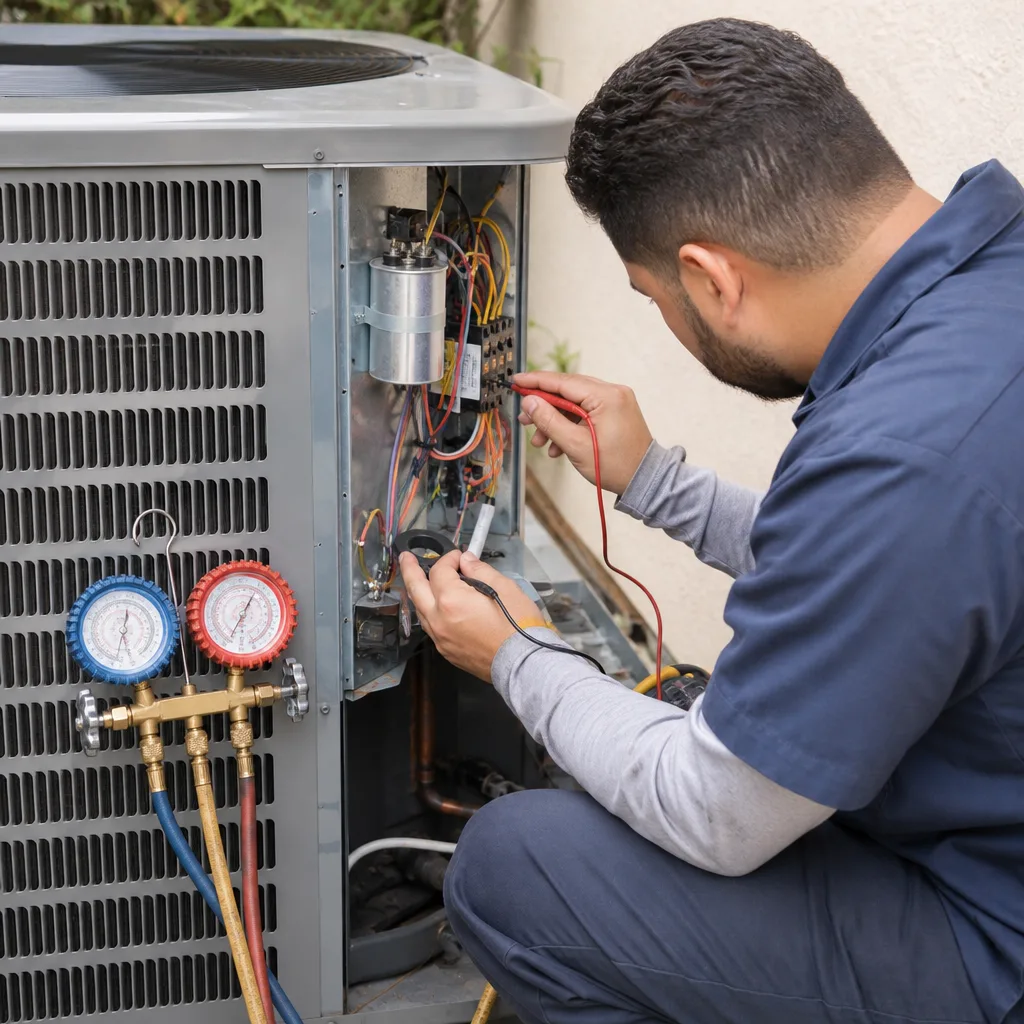
Seasonal tune-up and full diagnostic on your Carrier, Trane, or Goodman system - readings shown to you before any repair is proposed
Diagnosis first, numbers second - you approve the repair price before a single part goes in.
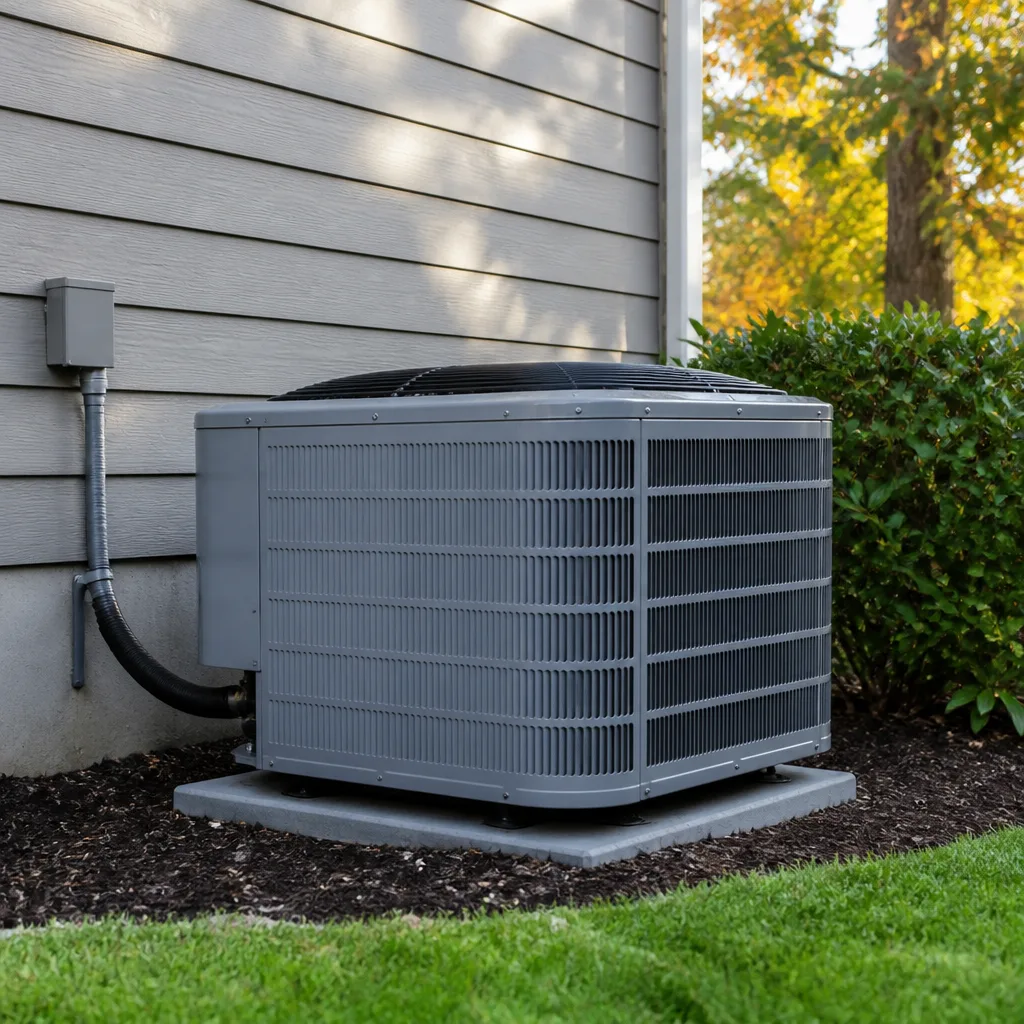
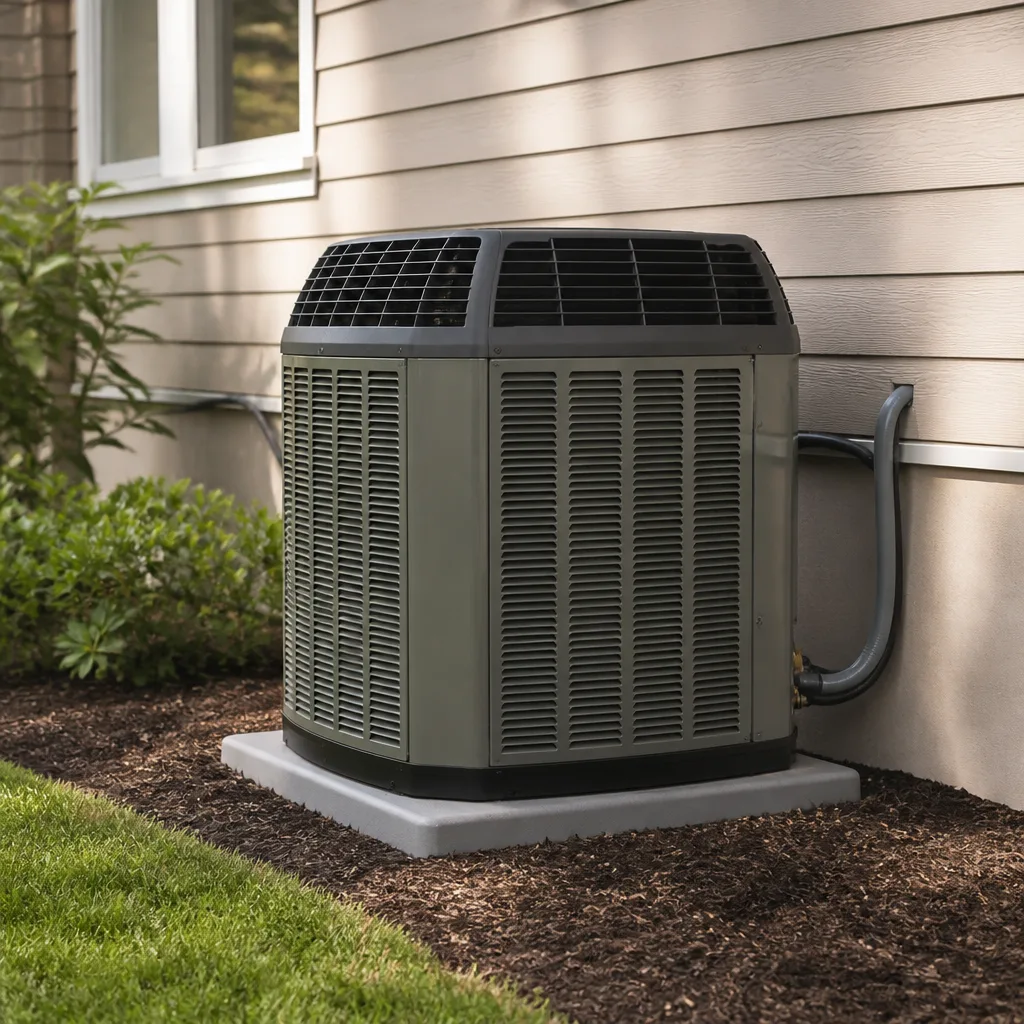
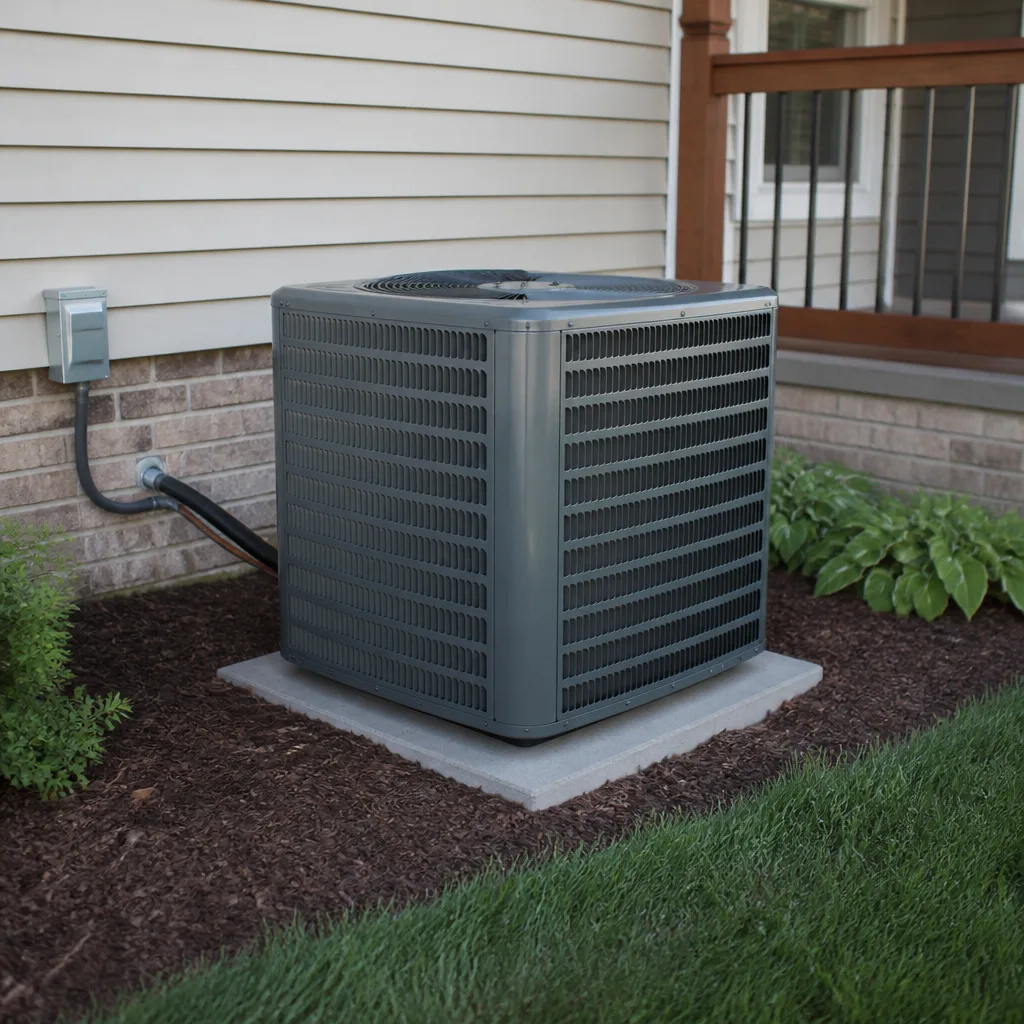
 Before
 After
After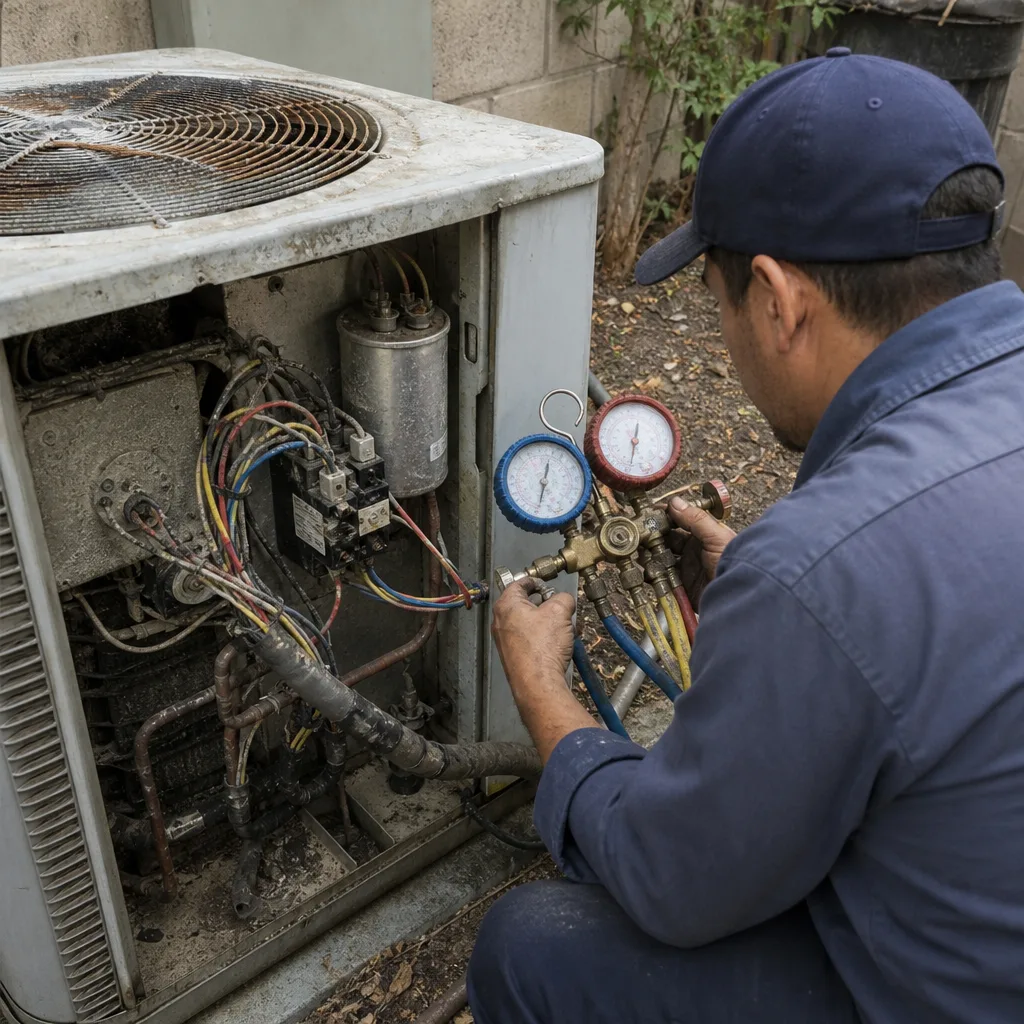 Before
 After
After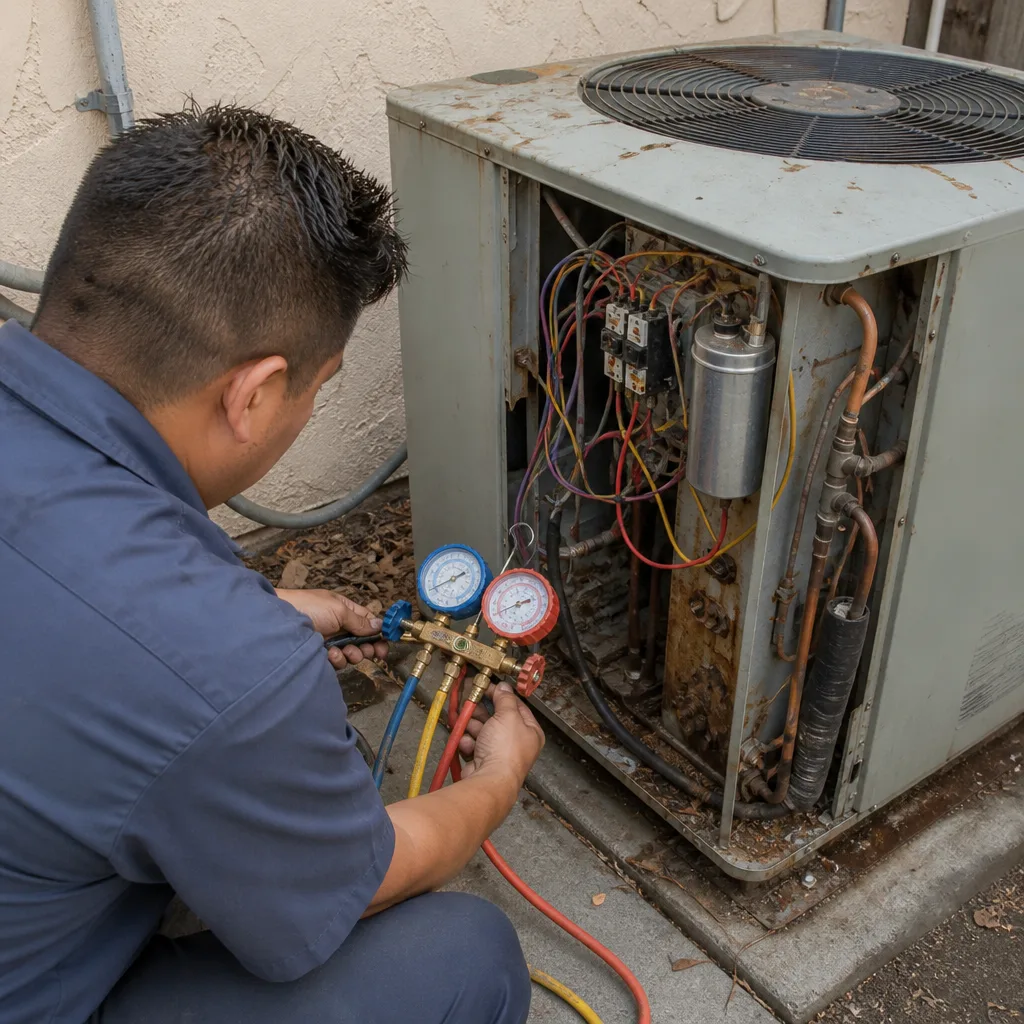 Before
 After
AfterSeasonal HVAC Care for Los Angeles: Year-Round Homeowner’s Guide
Telling a Los Angeles homeowner to “get their HVAC ready for winter” in November misses the point almost entirely. The real danger windows here aren’t calendar seasons. They’re the first heat spike of May, the Santa Ana winds of September and October, and the smoke that hangs over the basin after a wildfire 60 miles away. Los Angeles doesn’t have four HVAC seasons. It has six, and each one stresses your system in a different way. This guide maps those six windows, explains what to do in each, and shows you how to keep a residential HVAC system healthy in a climate that never quite lets it rest.
Quick Answer
Seasonal HVAC care in Los Angeles means scheduling maintenance around six local climate events, not four calendar seasons: the marine layer months, the first heat wave, peak summer, Santa Ana wind events, post-wildfire smoke, and the short heating season. Our AC Maintenance Maintenance Schedule: What to Do and When breaks this down in detail. Most LA homeowners should replace filters every 45-60 days during clear weather and every 2-3 weeks during active smoke or high AQI days, plus get a professional inspection twice a year: once before peak heat and once before Santa Ana season.
Table of Contents
- The Six LA Climate Windows That Actually Drive HVAC Maintenance
- Marine Layer Season (May through July): The Hidden Mold Window
- First Heat Wave (Usually May or June): The Startup Test
- Peak Summer (July through August): Runtime, Load, and Condenser Stress
- Santa Ana Season (September through November): Debris, Dry Air, and Static
- Post-Wildfire Smoke: Filter Management Tied to AQI, Not Calendar
- The Brief Heating Season (December through February): Ten Months of Dust
- What to Log After Every Seasonal Check
- Common Mistakes to Avoid
- When to Call a Professional
- Frequently Asked Questions
- The Bottom Line
The Six LA Climate Windows That Actually Drive HVAC Maintenance
Most of the country runs on a simple rhythm: cool the house for four months, heat it for four, shoulder seasons in between. Los Angeles has a different set of problems. The marine layer traps moisture against coastal homes from late spring into early summer. The first real heat wave tests every component that’s been sitting since October. Peak summer pushes compressors to their thermal limits. Santa Ana winds fill condenser coils with leaves, eucalyptus bark, and dust. Wildfire smoke forces a complete rethink of indoor air filtration. And the winter heating season, brief as it is, catches homeowners off guard because the furnace hasn’t fired in ten months.
Each window has its own maintenance trigger. The table below shows what’s happening and what to do.
- Marine layer season (May-July): High humidity, low temperatures, mold risk in ducts and on coils.
- First heat wave (May-June): The first sustained 90+ degree run tests capacitors, contactors, and refrigerant charge.
- Peak summer (July-August): Maximum runtime. Condenser coils work hardest. Energy bills peak.
- Santa Ana season (September-November): Dry, hot wind loads condenser fins with debris. Indoor humidity drops. Static electricity builds.
- Post-wildfire smoke (typically June-November): AQI spikes. Filters clog fast. Indoor air quality drops sharply.
- Heating season (December-February): The furnace runs for the first time after months of disuse. Heat exchanger cracks surface under thermal stress.
Marine Layer Season (May through July): The Hidden Mold Window
LA’s famous June Gloom is more than an inconvenience for beachgoers. It creates exactly the conditions mold needs: persistent humidity, moderate temperatures, and air that doesn’t move much. Indoor relative humidity can sit at 65-70% for weeks in coastal neighborhoods like Venice, Marina del Rey, and San Pedro. Mold spores settle in return ducts, on evaporator coils, and in the drain pan under any indoor air handler.
The problem sneaks up because the AC isn’t running hard. Temperatures stay in the 60s and 70s, so the system cycles rarely. That means less dehumidification and more standing moisture. We’ve opened units in Playa del Rey in July and found a half-inch of biofilm in the drain pan. Homeowners had no idea because the air still felt cool.
What to do during marine layer season:
- Check the condensate drain line monthly. If water pools in the drain pan or the line drips slowly, clear it now before it backs up. A backed-up condensate line is the most common cause of water damage from HVAC systems in coastal Los Angeles homes.
- Run the fan. Set the thermostat fan to “On” for 2-3 hours a day even if you don’t need cooling. Moving air across the coil and through the ducts reduces standing moisture.
- Consider a dehumidifier for coastal bedrooms. If you live within two miles of the ocean and your home is older construction without modern ventilation, a small standalone dehumidifier keeps sleeping spaces below the 60% humidity threshold mold prefers.
- Inspect return registers for musty odor. If you smell a damp, earthy note when the system starts, that’s mold in the ductwork or on the coil. Don’t wait until August to address it.
First Heat Wave (Usually May or June): The Startup Test
The first sustained 90-degree stretch in Los Angeles is the moment every marginal component declares itself. Capacitors that limped through last October crack. Contactors arc and pit. Refrigerant that leaked slowly over the winter drops below the critical charge point. This is when the AC repair calls in Los Angeles spike, and they spike for a predictable set of reasons.
Here’s what’s actually happening. A central air conditioner is an electrical machine before it’s a refrigerant machine. Components like capacitors and contactors take a beating every time the compressor starts. During mild weather, the compressor starts rarely and runs briefly. The first heat wave forces it to cycle rapidly under high load. It’s like asking a car that’s been parked since October to idle in Death Valley. Something’s going to surface. See our AC Maintenance Troubleshooting: Common Problems and How to Fix Them for what to check.
What to check before the first heat wave:
- Capacitor condition. A failing capacitor often shows as a bulge or oil stain on the cylinder-shaped component in the condenser unit. If the compressor hums but won’t start, the capacitor is the prime suspect. Replacement in Los Angeles typically runs $120-$200 parts and labor.
- Contactor points. The contactor is a relay that closes the circuit to the compressor. Arcing pits and blacks the contacts over time. If the unit clicks but doesn’t engage, test the contactor.
- Refrigerant charge. Most systems lose 1-3% of charge per year through microscopic leaks. After several years, the system runs longer and cools less. A professional check costs $80-$150 and tells you whether the system is cooling within spec.
- Air filter. Replace it the week before the first forecasted 90-degree run. A clean filter lowers static pressure and reduces strain on the blower motor.
Peak Summer (July through August): Runtime, Load, and Condenser Stress
By August in Los Angeles, the inland valleys are routinely hitting 100 degrees. The San Fernando Valley, Pasadena, Burbank, and Glendale put more stress on residential HVAC than any other part of the county. A properly sized central air system in Woodland Hills might run 10-12 hours a day through July and August. That’s the equivalent of driving a car continuously for two months. Wear accelerates.
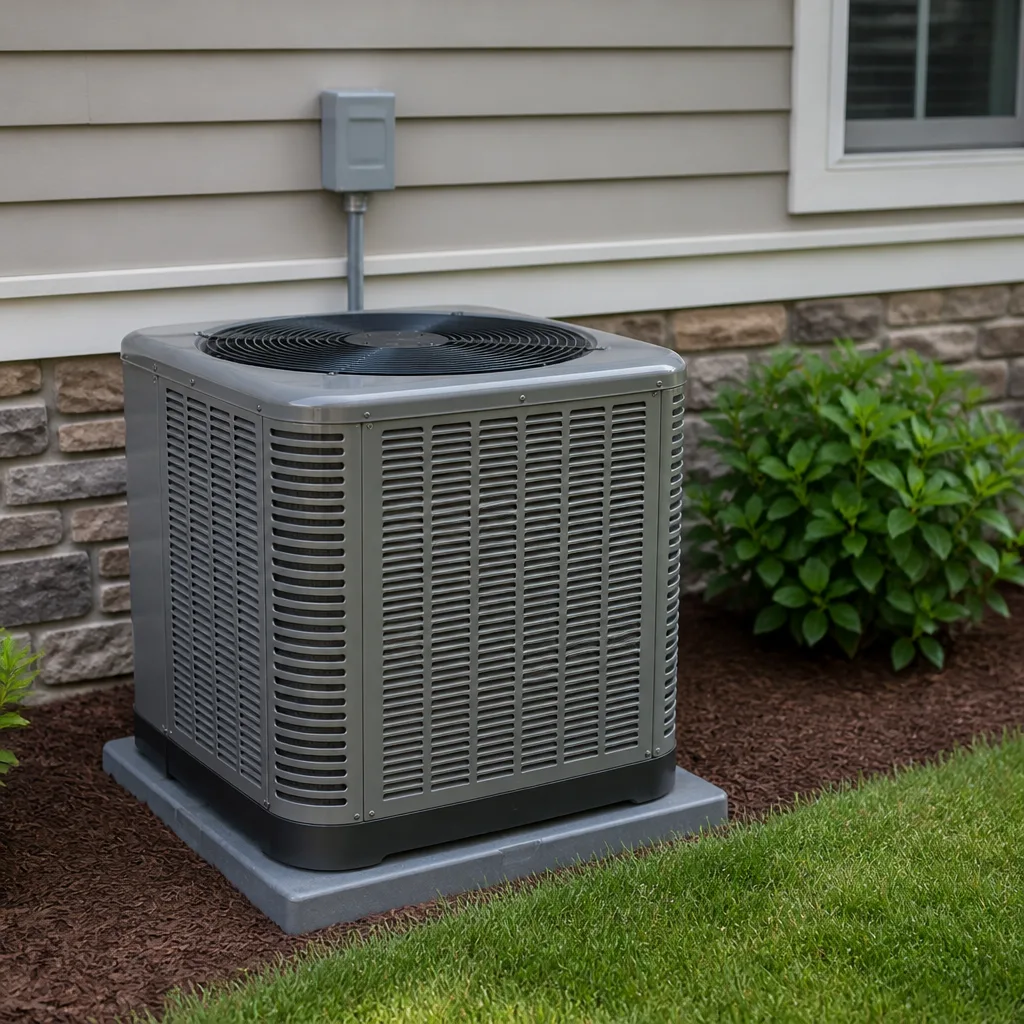
The condenser coil is the component most homeowners never think about until it’s the reason for a $400 repair or a $6,000 replacement. The coil’s entire job is to shed heat. When it’s packed with dirt, cottonwood fluff, or last year’s tree debris, the head pressure inside the system rises. The compressor runs hotter. Energy consumption climbs by 20-30%. In the worst cases, the compressor overheats and trips the thermal overload, or fails outright.
Peak summer maintenance checklist:
- Clean the condenser coil once, at the start of July. A garden hose with moderate pressure is enough for most residential units. Turn off power at the disconnect first. Spray from top to bottom, not straight sideways into the fins. If fins are bent or flattened, straighten them with a fin comb or leave it to a pro.
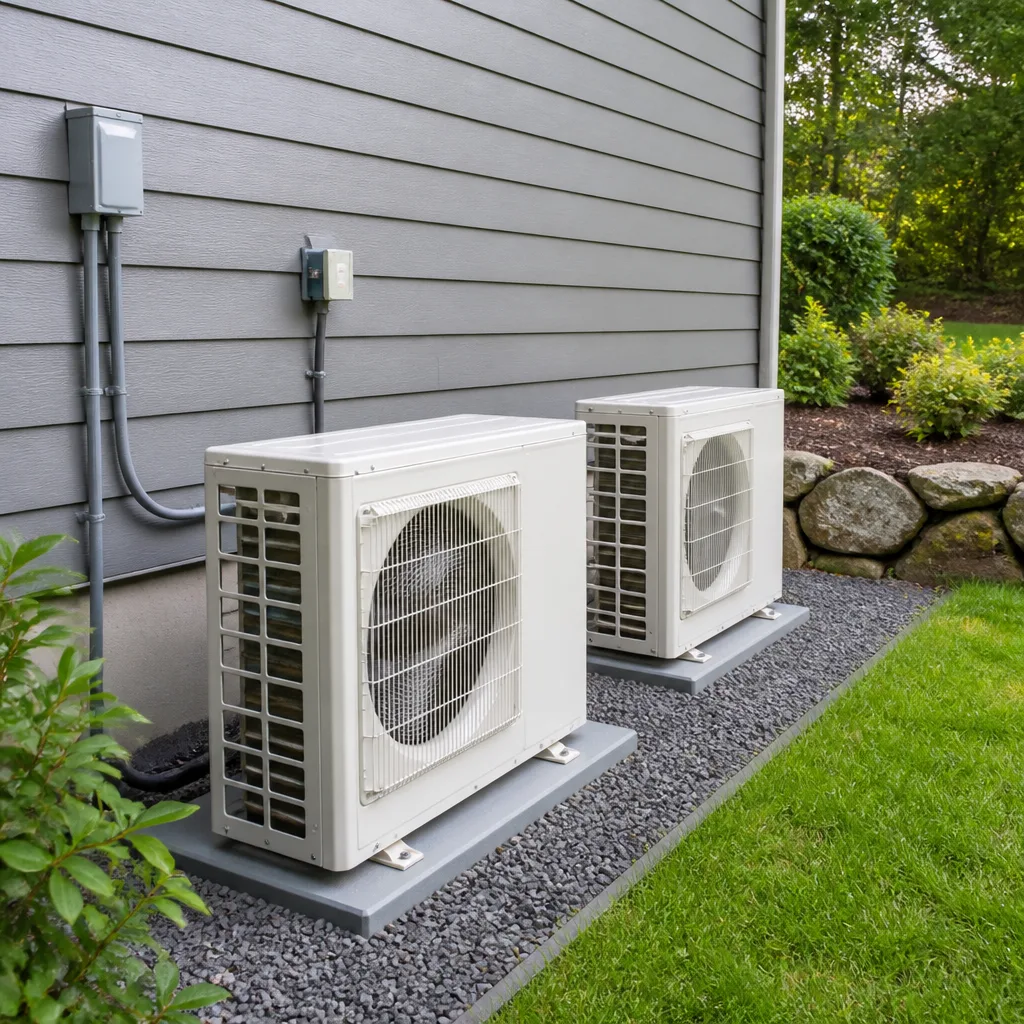
- Keep the area around the condenser clear. Two feet of clearance on all sides. Trim shrubs, remove stored boxes, and don’t stack anything against the unit. Restricted airflow over the coil is the fastest way to overheat a compressor in August.
- Listen for new noises. A grinding sound at startup usually means a bearing is going in the condenser fan motor. A hissing sound could be refrigerant leaking. Neither one gets better with time.
- Don’t lower the thermostat below 72. In a 105-degree heat wave, a system that’s properly sized can only pull about 20-25 degrees below outdoor temperature. Setting the thermostat to 68 won’t cool the house faster; it just makes the compressor run longer and hotter. Set it to where you want the air to land, not chase the number.
Santa Ana Season (September through November): Debris, Dry Air, and Static
Santa Ana winds are a unique Los Angeles problem. Hot, dry air descends from the high desert and funnels through the canyons at 30-50 miles per hour, gusting higher. The wind doesn’t just carry dust. It carries palm fronds, eucalyptus bark, sycamore leaves, and fine particulate sand. All of it goes straight into outdoor condenser coils. We’ve pulled handfuls of dried leaves out of units in Altadena and La Cañada Flintridge after a strong Santa Ana event.
The debris cuts airflow across the coil, which raises head pressure and electrical draw. A coil that was clean in August can be 40% blocked by November in a wind-exposed neighborhood. Efficiency drops sharply, and the system works harder to reach the same indoor temperature. That means higher SMUD and LADWP bills on top of added wear.
Post-Santa Ana condenser care:
- Inspect the coil after every major wind event. Look for visible buildup between the fins. If you can see a layer of debris from two feet away, it needs cleaning.
- Wash the coil before the next heat wave. Santa Anas can happen back-to-back with 90-degree weather in September and October. A clean coil makes a measurable difference in cooling speed and compressor temperature.
- Check the disconnect box. Wind-blown dust gets into the electrical disconnect near the condenser. A dirty disconnect can arc or fail to maintain contact. Wipe it down if you’re comfortable working around electricity, or have it checked during your fall tune-up.
- Address indoor static. Santa Ana humidity often drops below 10%. Static electricity builds on carpet and fabrics. That dry air also dries out wood floors and irritates sinuses. A whole-house humidifier, or even a single-room humidifier for a bedroom, makes the season more comfortable without overworking the HVAC system.
Post-Wildfire Smoke: Filter Management Tied to AQI, Not Calendar
Wildfire smoke has become a defining element of Los Angeles summers and autumns. When the AQI climbs above 150, the air outside isn’t safe for extended exposure, and indoor air quality depends entirely on how well your HVAC system filters what it pulls in. The standard advice to “change your filter every 90 days” fails completely in a smoke event. A MERV-8 filter can be clogged in a week when the AQI sits above 200 for several days in a row.
The choke point is the filter’s surface area. Every square inch of filter media traps particles. When that surface is saturated with smoke particulate, two things happen: less air gets through, and the blower motor works harder against higher static pressure. The system loses airflow at exactly the moment you need it to circulate clean air through the house.
How to manage filters during wildfire smoke:
- Switch to a MERV-13 filter during active smoke events. MERV-13 captures the fine particulate that makes wildfire smoke dangerous: particles in the 0.3 to 2.5 micron range. A standard MERV-8 filter lets most of that pass through. The filter in your return grille should be rated 13 whenever the AQI is above 100.
- Check the filter every 7 days during a smoke event. Hold it up to a light. If you can’t see light through the media, it’s done. Replace it. You will go through 2-4 filters in a month of bad air. That’s normal and far cheaper than a blower motor.
- Run the fan continuously. Set the thermostat fan to “On” rather than “Auto.” Continuous airflow means the filter is actively scrubbing the air in the house, not just when the AC or heat calls for it. Yes, it adds a little electrical usage. It’s the right trade during a smoke event.
- If you have a MERV-16 or HEPA media cabinet, use it. Homes with 4-inch or 5-inch media filters handle smoke far better than standard 1-inch filters. The deeper media holds more particulate and lasts longer before clogging.
- After the AQI drops below 50, replace the filter again. Smoke particles remain trapped in the media. A loaded filter still restricts airflow even when the air outside is clean. Start the next window fresh.
The Brief Heating Season (December through February): Ten Months of Dust
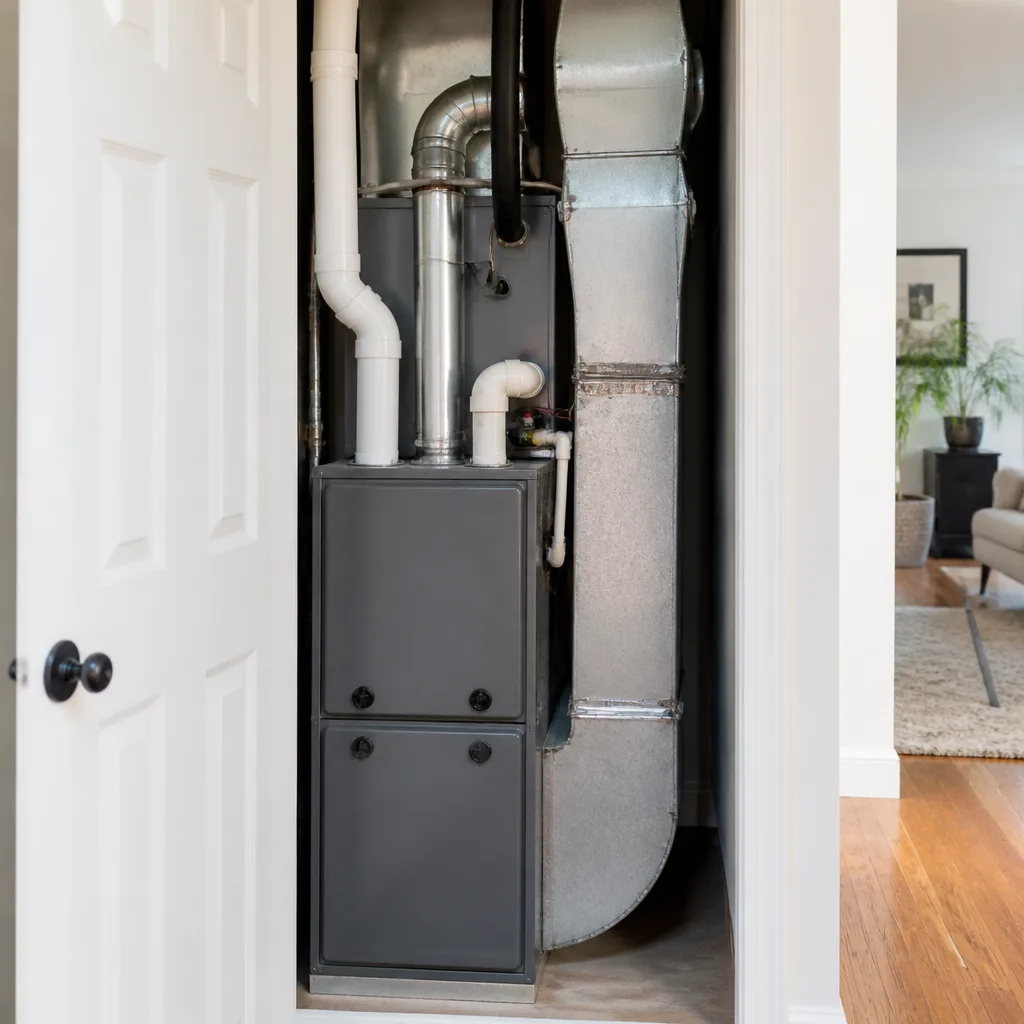
Los Angeles furnaces have a strange problem: they sit unused for ten months, then get asked to perform on the coldest nights of the year. A furnace in Chicago runs continuously from November to March. Any crack or failure surfaces within weeks. A furnace in Los Angeles can carry a cracked heat exchanger all through summer and fall, undetected, because the unit never lights. The first cold snap of December is when the problem announces itself. Learn the AC Maintenance Warning Signs Every Homeowner Should Know to catch issues early.
The risk isn’t just comfort. A cracked heat exchanger can leak carbon monoxide into the living space. That’s the serious end of the spectrum. Even on the mild end, a furnace that hasn’t been cleaned in years burns less efficiently and puts more carbon monoxide and soot into the exhaust stream. The furnace repair calls we get in Los Angeles in December and January are overwhelmingly for two things: heat exchangers and igniters.
Heating season checklist for LA homes:
- Schedule a furnace inspection in November, before the first cold snap. The inspection should include a visual check of the heat exchanger, a CO reading, a burner cleaning, and a check of the safety switches. Most Los Angeles HVAC companies charge $90-$150 for this as a standalone service.
- Test the furnace yourself in early November. Set the thermostat to heat with the target temperature 3-4 degrees above the current room temperature. Let it run for 20 minutes. Watch for delayed ignition, unusual smells, or rattling sounds.
- Replace the air filter before switching from cooling to heating. The same filter that ran all summer is full of dust and pollen. A clean filter in December is the cheapest upgrade you’ll make all year.
- Don’t ignore a burning smell on first startup. A dusty furnace will smell like burning dust for the first 15-20 minutes of the first cycle. That’s normal. A smell that persists after an hour, or a sulfur-like odor, is not. Shut it off and call a professional.
What to Log After Every Seasonal Check
Here’s a habit that separates homeowners who get ten years out of a system from those who get seven. Keep a simple log. One page. Every time you or a technician checks the system, write down three things: what was inspected, what was found, and what was replaced. Do this for five years and you’ll have a documented health history of your HVAC system that lets any technician work from a baseline instead of starting from scratch.
We see the difference this makes. A homeowner in Hancock Park keeps a small notebook next to the furnace. When the capacitor failed in August 2023, the log showed the same capacitor had been replaced in 2021 and 2019. That pattern told us the real problem wasn’t the capacitor – it was voltage fluctuation from the condenser fan motor. We fixed the root cause instead of throwing a third capacitor at a symptom. Total repair cost was $340 instead of what could have been a repeated $180 call every two years.
What to document:
- Date and outside temperature. Context matters. A system problem that appears only above 95 degrees is a different problem than one that appears at all temperatures.
- What was inspected. Coils, refrigerant, electrical, ductwork, filter, drain line. Write it down.
- What was found. Capacitor within spec, coil 30% blocked, filter dirty at 45 days, etc.
- What was replaced and the part number. Serial numbers help. Part numbers help more. A Goodman capacitor and a Rheem capacitor are not the same part.
- Any follow-up recommendation. If a tech says “watch the blower motor, it’s getting noisy,” write that down. Next season, that note gives you a head start.
Common Mistakes to Avoid
- Changing the filter on a calendar schedule instead of an AQI schedule. A 90-day calendar cadence assumes the air quality is stable. In Los Angeles, it’s not. Check your filter at least monthly from May through November and more often during smoke events.
- Letting the condenser coil go unchecked after Santa Ana winds. A wind-packed coil can raise your summer electrical bill by 25% or more. The coil is the system’s radiator. It needs to stay clean.
- Ignoring the furnace for ten months and expecting it to work perfectly in December. Thermal cycling is what surfaces heat exchanger cracks. If the furnace hasn’t been lit since February, the first cold night is the worst possible time to discover a problem. Schedule inspection in November.
- Dismissing the first heat wave as a fluke. The first 90-degree run is the single best diagnostic test your AC gets all year. Use it as a signal to listen, watch, and check. Don’t wait for it to pass and assume everything is fine.
- Replacing a filter with the highest MERV rating available year-round. High-MERV filters restrict airflow. They have a place during smoke season, but running them in clear weather year-round makes the blower work harder and shortens its life. Match filter rating to air quality conditions.
- Not documenting maintenance history. A repeated failure pattern says more than any single data point. Keep a log. It pays for itself the first time it prevents a misdiagnosis.
When to Call a Professional
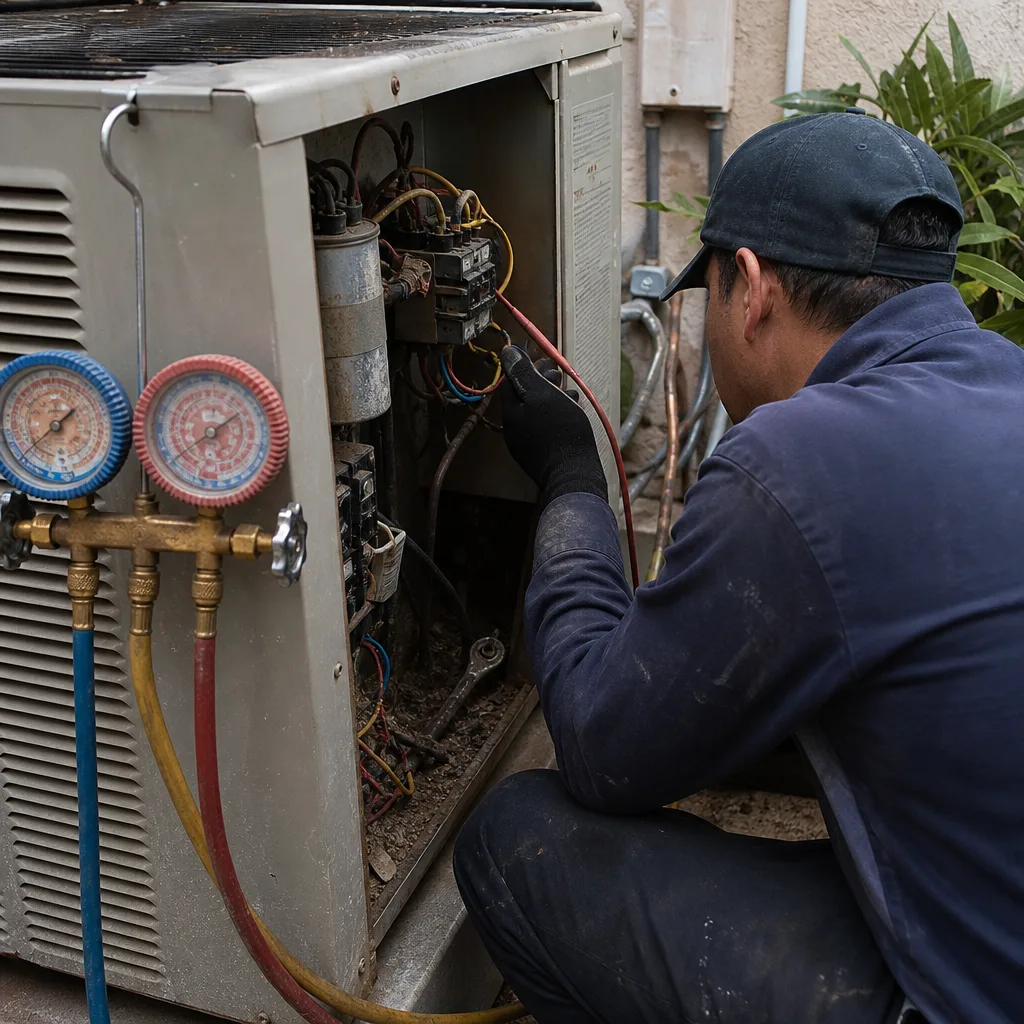
Some things are worth doing yourself: changing a filter, checking the drain line, clearing debris from around the condenser. Other things need a licensed technician with real diagnostic tools. If the compressor won’t start and you’ve confirmed the breaker is on, stop and call. If you smell gas or suspect a heat exchanger crack during heating season, shut the system off and get it checked before you run it again. If the AC is blowing warm air in a heat wave and your refrigerant charge might be low, the fix isn’t just “adding freon” – it’s finding the leak, which takes gauges, leak detector, and experience.
Brandt HVAC offers free estimates in Los Angeles. Call (984) 538-9003 and you’ll get a written price before any work starts, plus a written guarantee on every repair. That’s the standard we’ve been setting since 2003.
Frequently Asked Questions
During clear weather, every 45-60 days. During wildfire smoke or when the AQI is above 100, check the filter weekly and expect to replace it every 2-3 weeks. A MERV-13 filter clogs much faster than a MERV-8 under smoke load, and a clogged filter is what actually damages your blower motor.
Yes, and the reason is exactly that infrequent use. Thermal stress from cycling is what surfaces cracks in the heat exchanger, and a crack that would be caught immediately in a cold climate can go undetected in Los Angeles simply because the furnace never runs. An annual inspection is also the moment a technician checks for carbon monoxide leaks and verifies the safety switches work. Call (984) 538-9003 to schedule furnace service in Los Angeles and this is one of the things we check first.
Use MERV-13 if your system can handle it. Most central HVAC systems with a standard 1-inch filter slot can run MERV-13 during a smoke event without problems, but monitor airflow and replace it as soon as the AQI drops. Homes with a 4-inch or 5-inch media cabinet can take MERV-13 or MERV-16 comfortably. If you have a Lennox or Rheem system with a proprietary filter housing, check the manufacturer’s spec before swapping in a higher-rated filter.
A professional seasonal maintenance visit typically runs $80-$150 for a single system. That usually includes a coil inspection, electrical check, refrigerant measurement, drain line flush, and a filter change if needed. Some companies bundle it with repair discounts. At Brandt HVAC, every AC maintenance visit in Los Angeles includes a written report of what was actually found, and the price is agreed to before any work starts.
You can cover the top of the unit to keep leaves and rain out, but never wrap the sides. Side wrapping traps moisture inside the condenser, which accelerates corrosion and mold growth on the coil and electrical components. A simple piece of plywood on top, held down by a brick, is sufficient. The unit is designed to sit outside; it doesn’t need a tarp cocoon.
Yes, within limits. A properly sized central system should stop eventually when the indoor temperature reaches the setpoint. If it runs literally all day without satisfying the thermostat, you have one of three problems: the system is undersized for the heat load, the coil is dirty and restricting airflow, or the refrigerant charge is low. On a 100-degree day in the San Fernando Valley, a clean, properly sized system should still cycle off periodically. It may run 12-14 hours out of 24, but it should cycle. If you’re concerned, schedule a diagnostic check.
The Bottom Line
Los Angeles HVAC care is different because the climate doesn’t follow the calendar. The marine layer brings mold risk in May. The first heat wave tests electrical components in June. Santa Ana winds clog condenser coils in September. Wildfire smoke turns your air filter into a critical safety component in October. And the brief heating season in December requires a furnace that’s been sitting idle for ten months to fire safely. If you take one thing from this guide, take this: schedule two maintenance checks a year, one before the first heat wave and one before Santa Ana season, and manage your filter by AQI, not by date. For more guides & resources, visit our blog. The rest is just attention to the details.
Written by Devin Marlowe, Owner at Brandt HVAC, serving Los Angeles since 2003.