
Last updated October 9, 2026
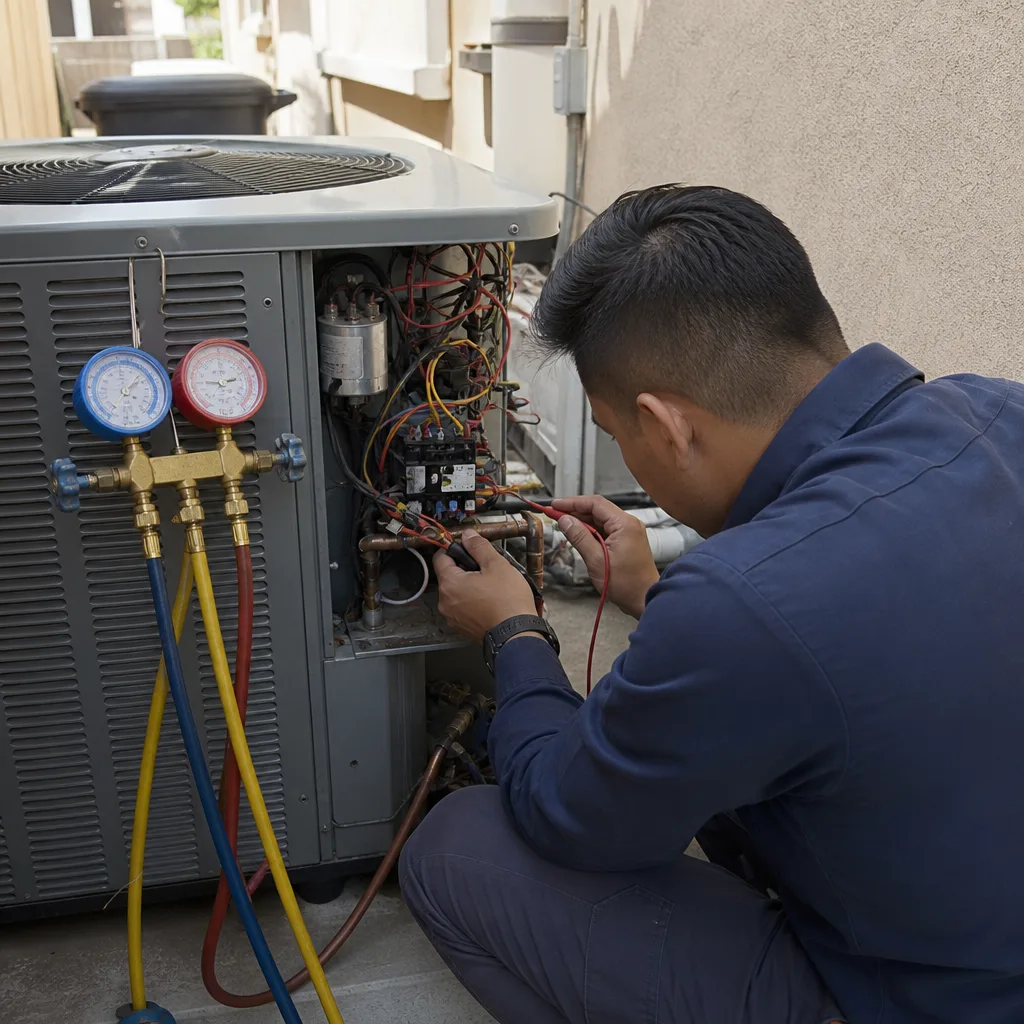
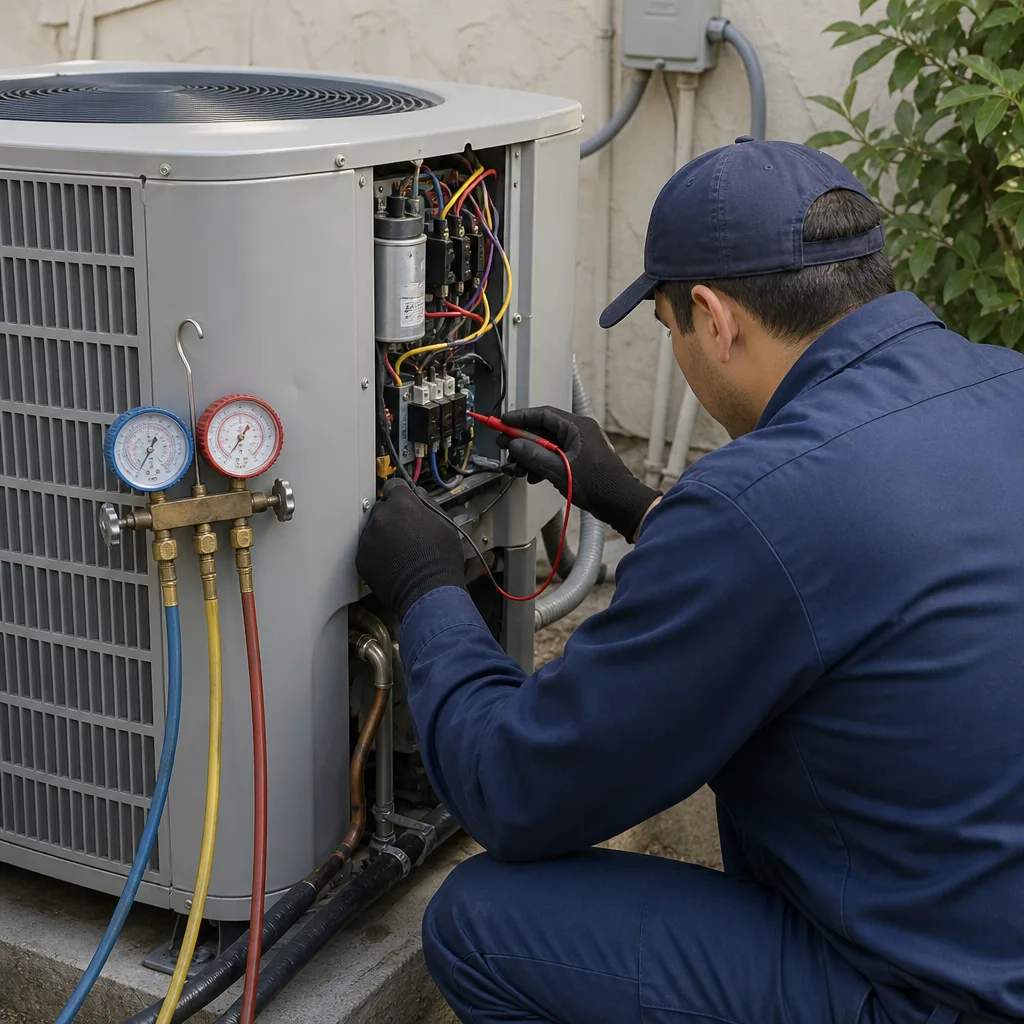
Seasonal tune-up and full diagnostic on your Carrier, Trane, or Goodman system - readings shown to you before any repair is proposed
Diagnosis first, numbers second - you approve the repair price before a single part goes in.
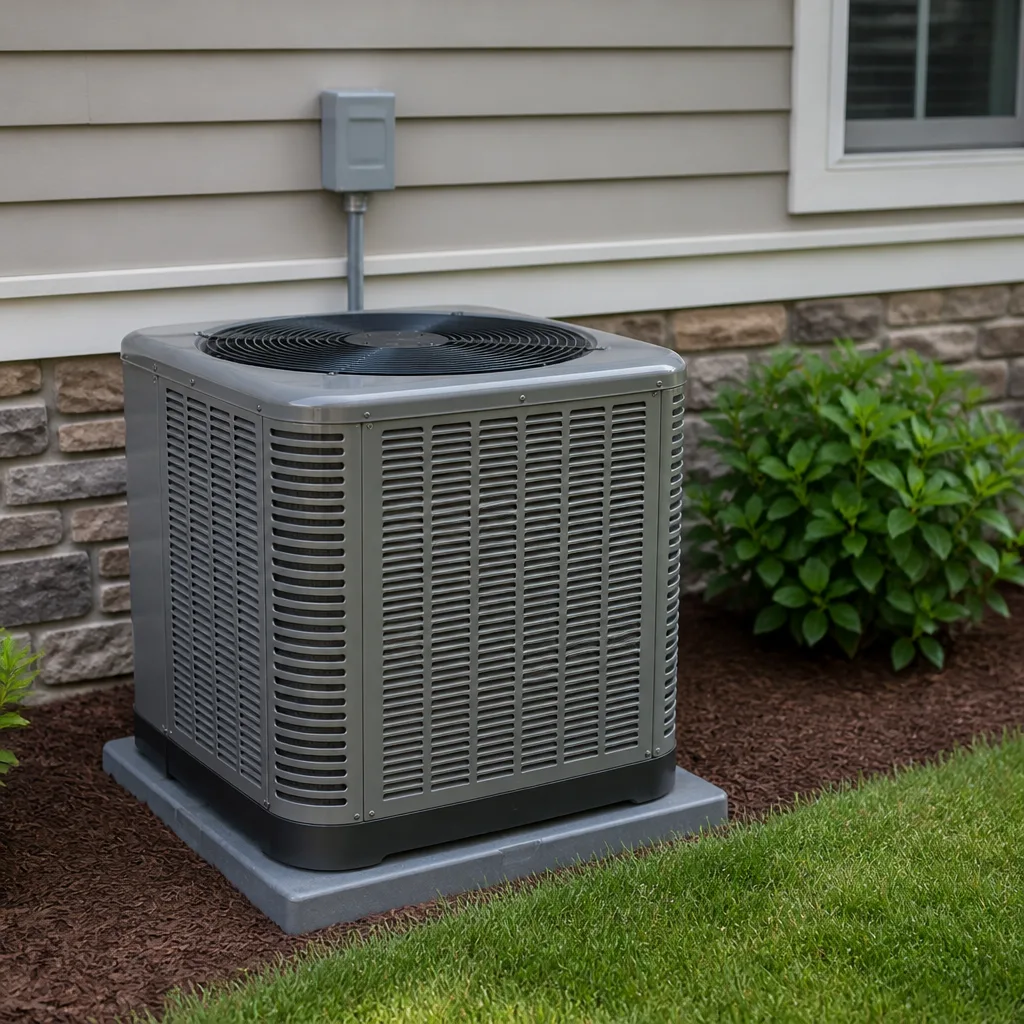
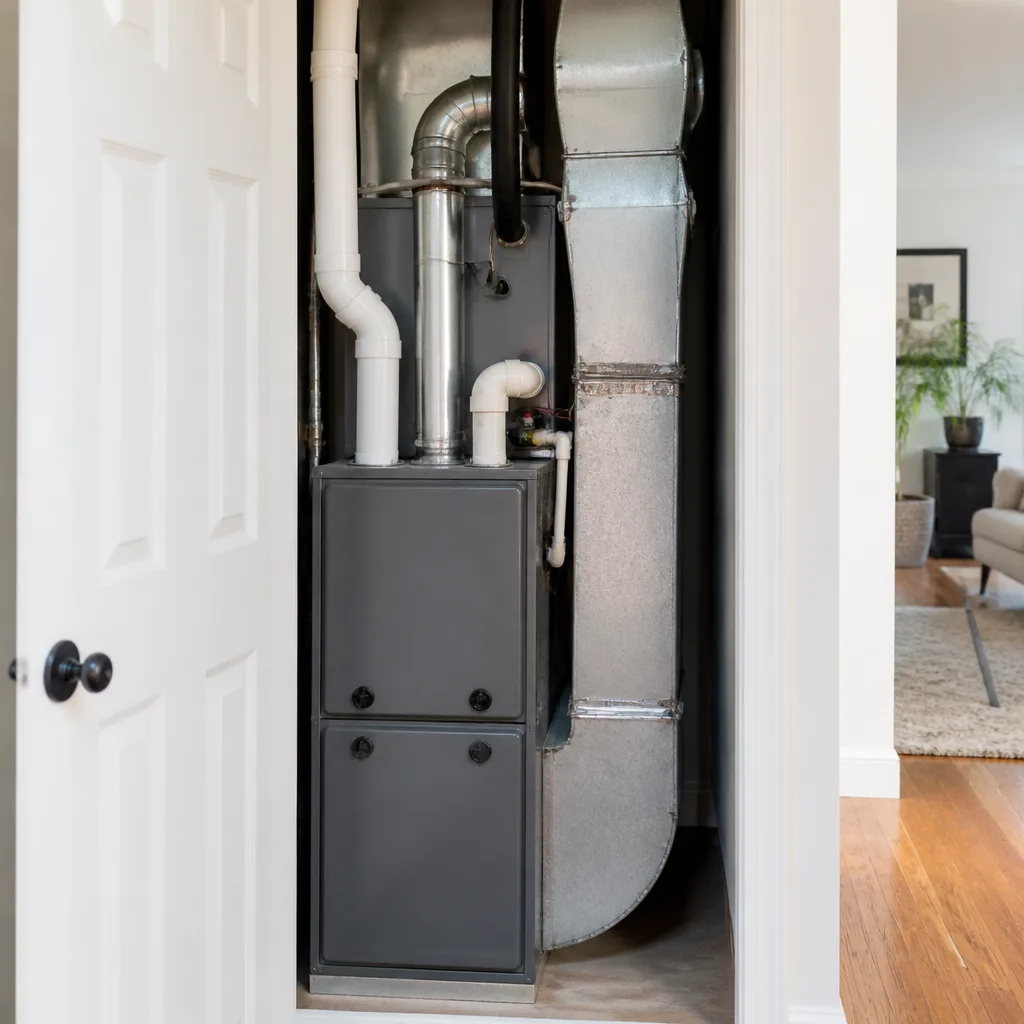
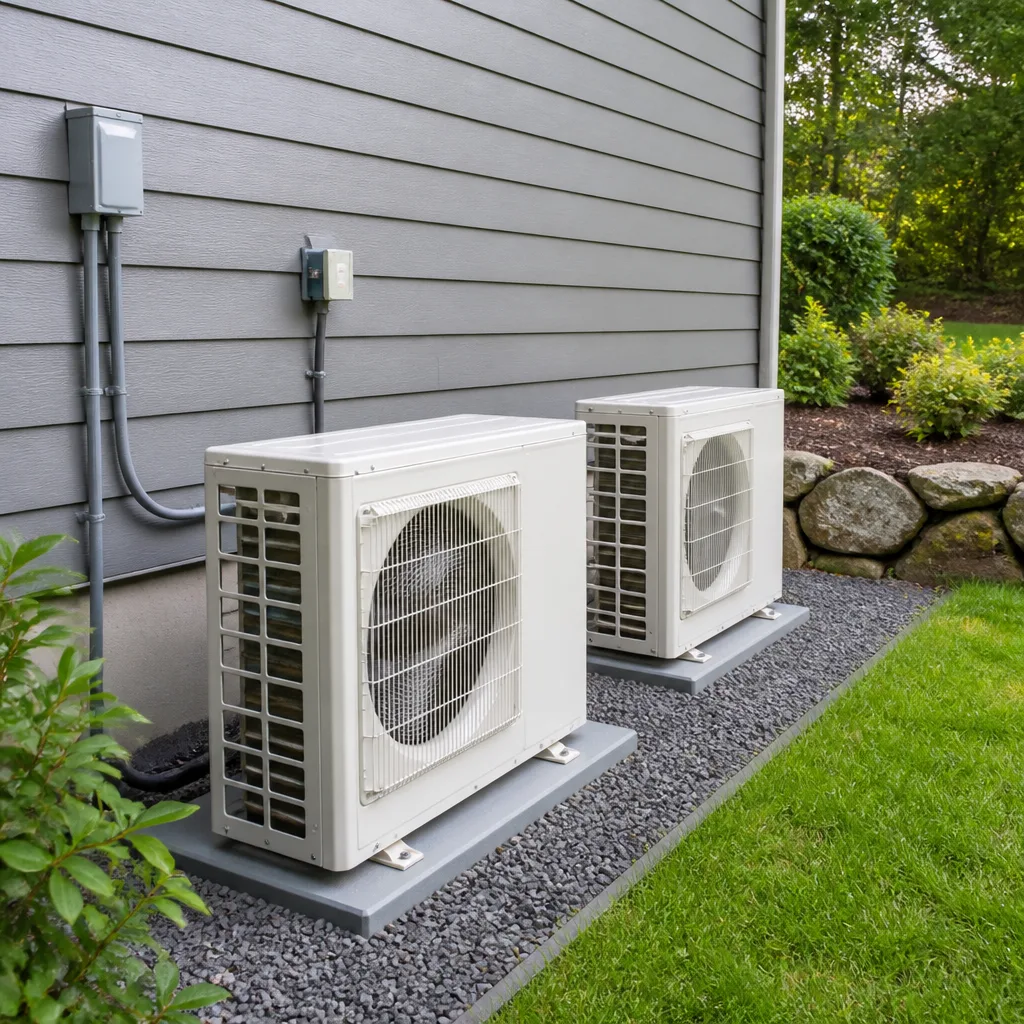
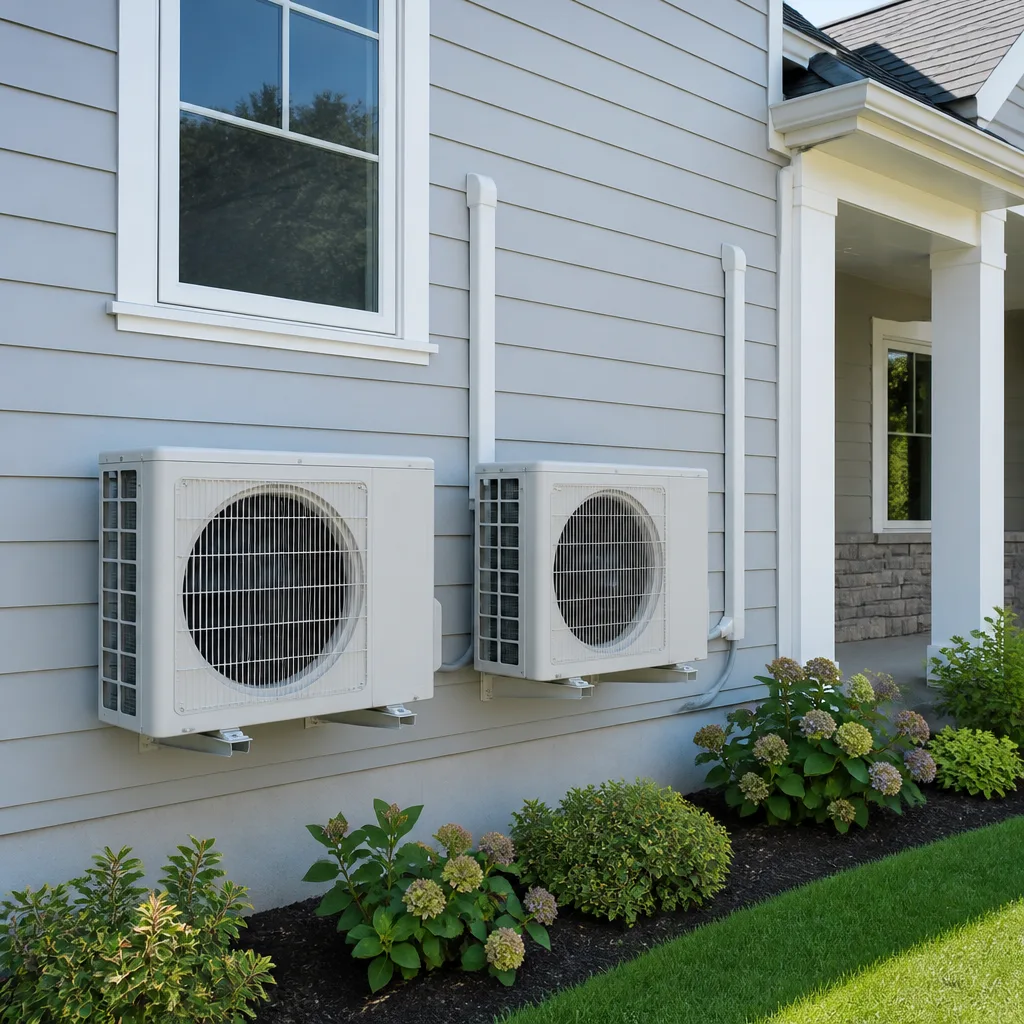
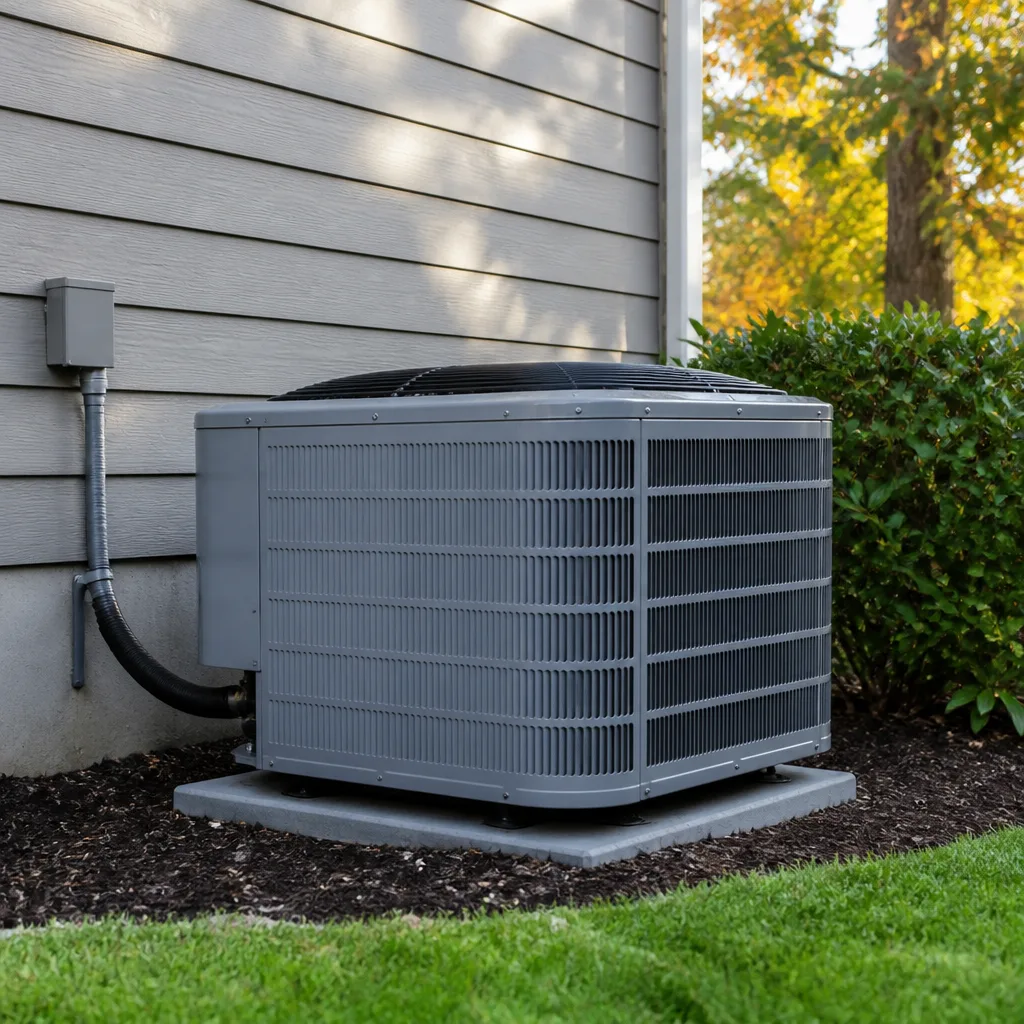
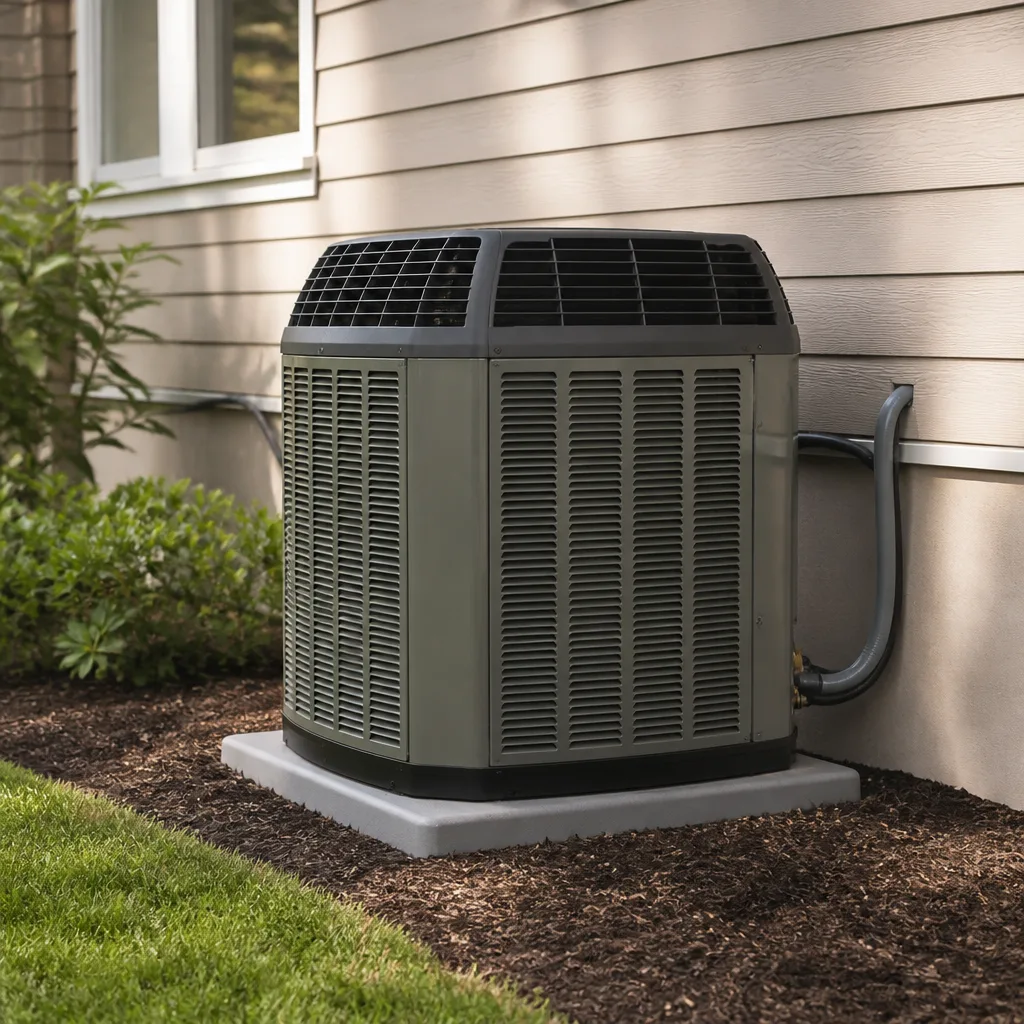
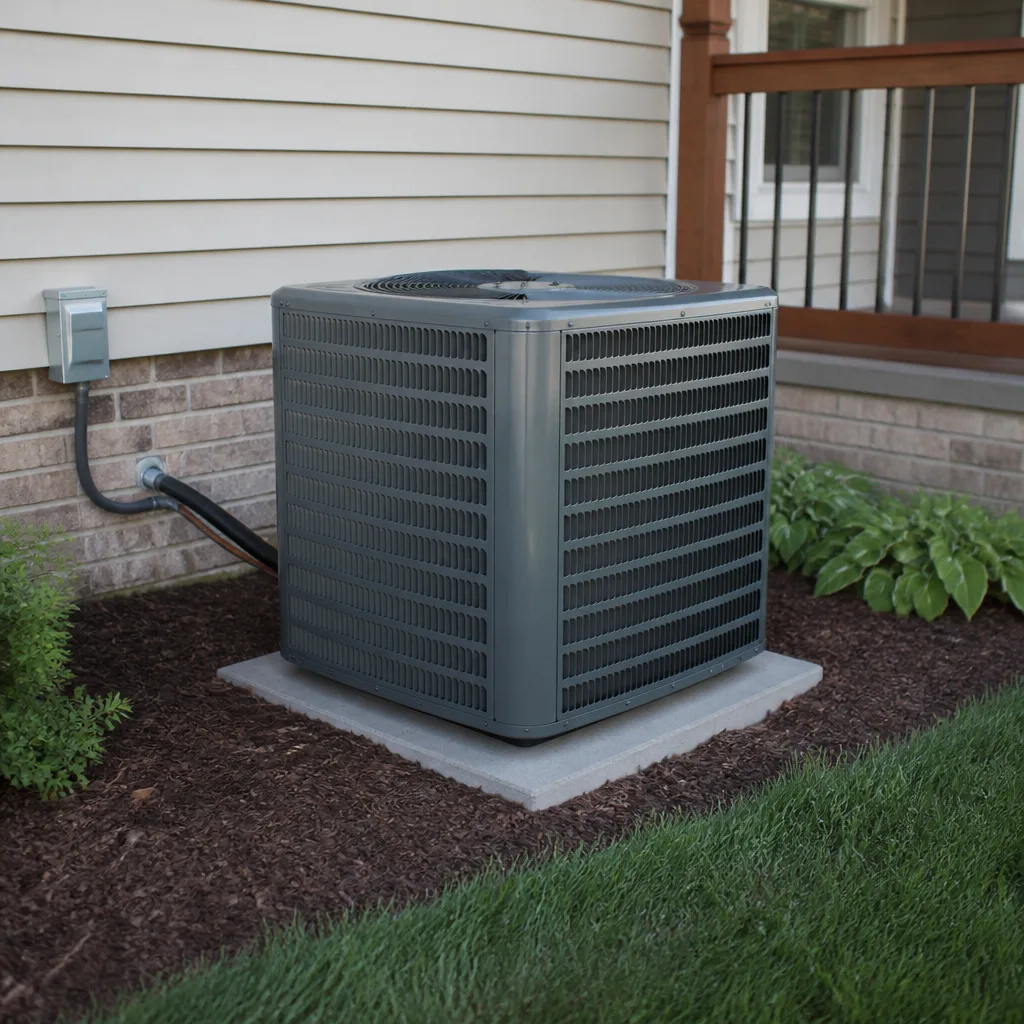
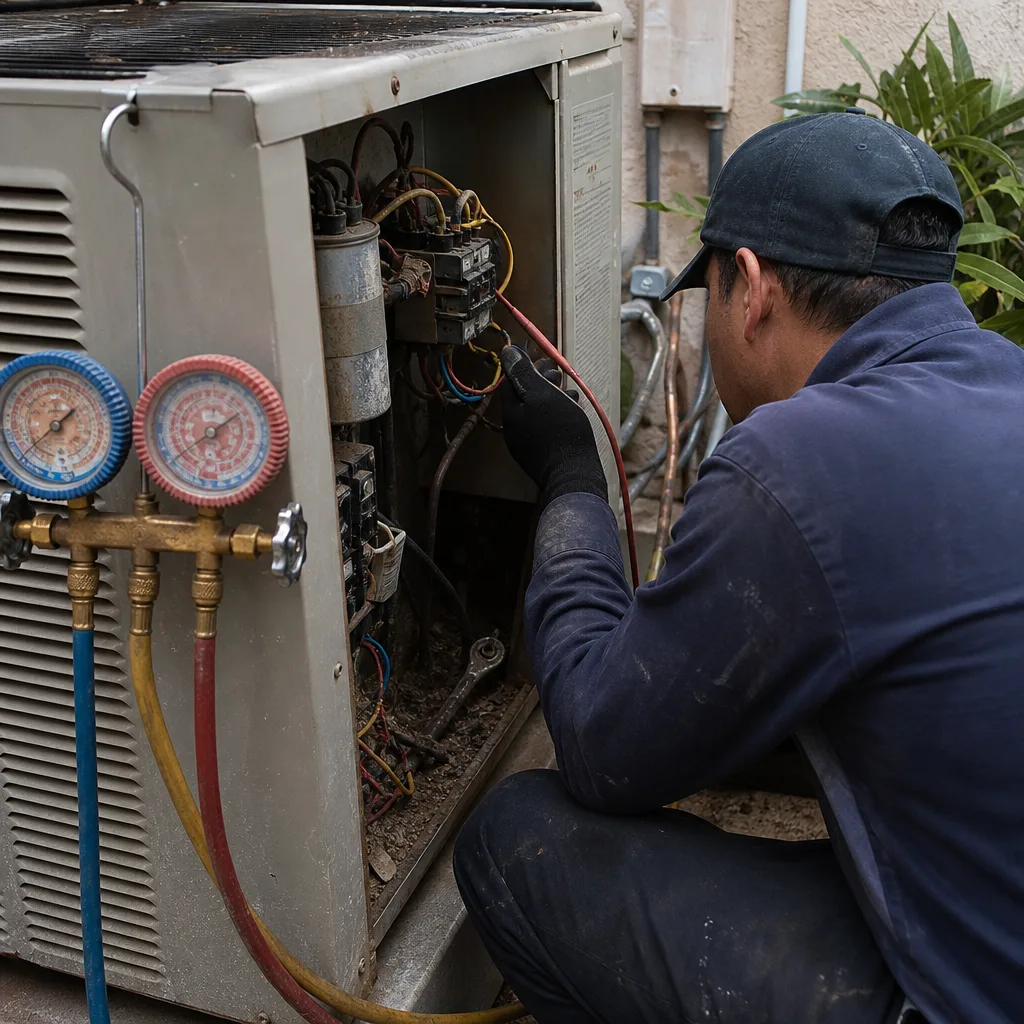 Before
 After
After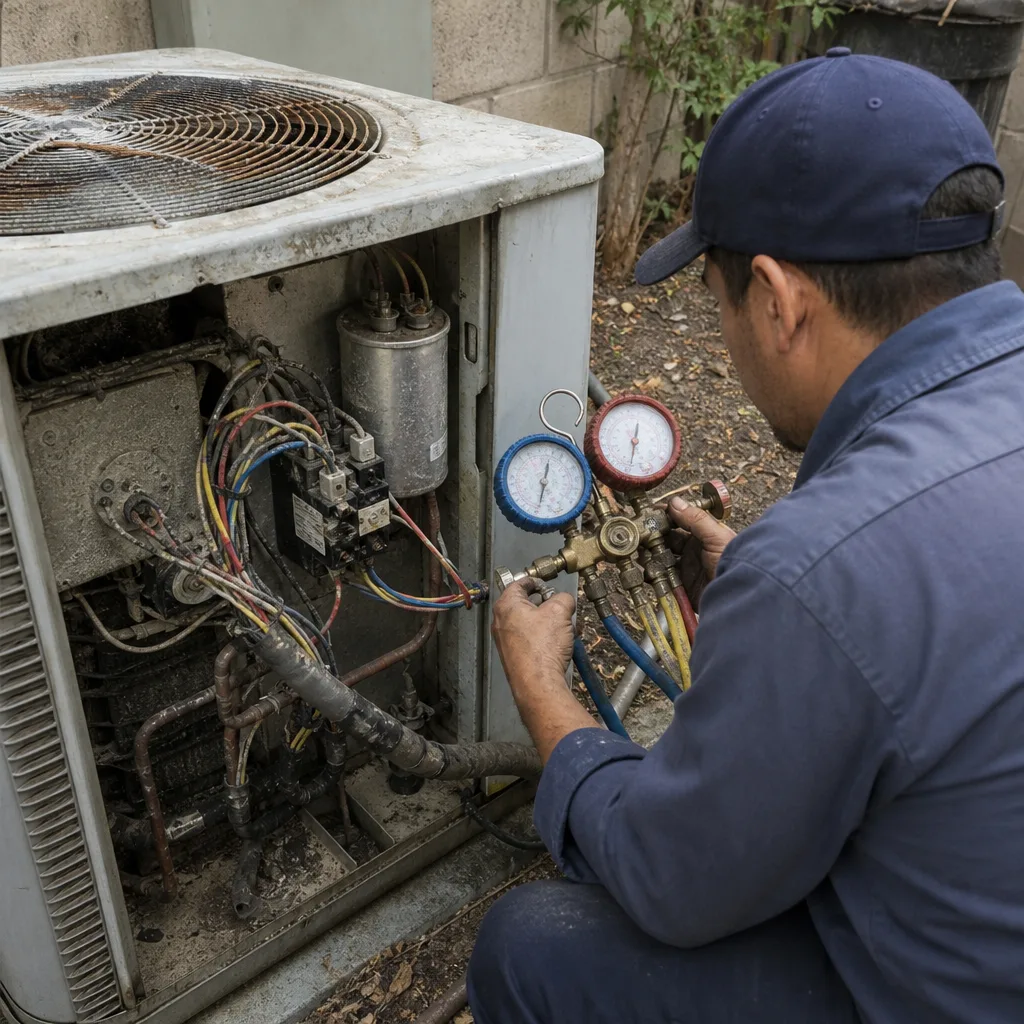 Before
 After
After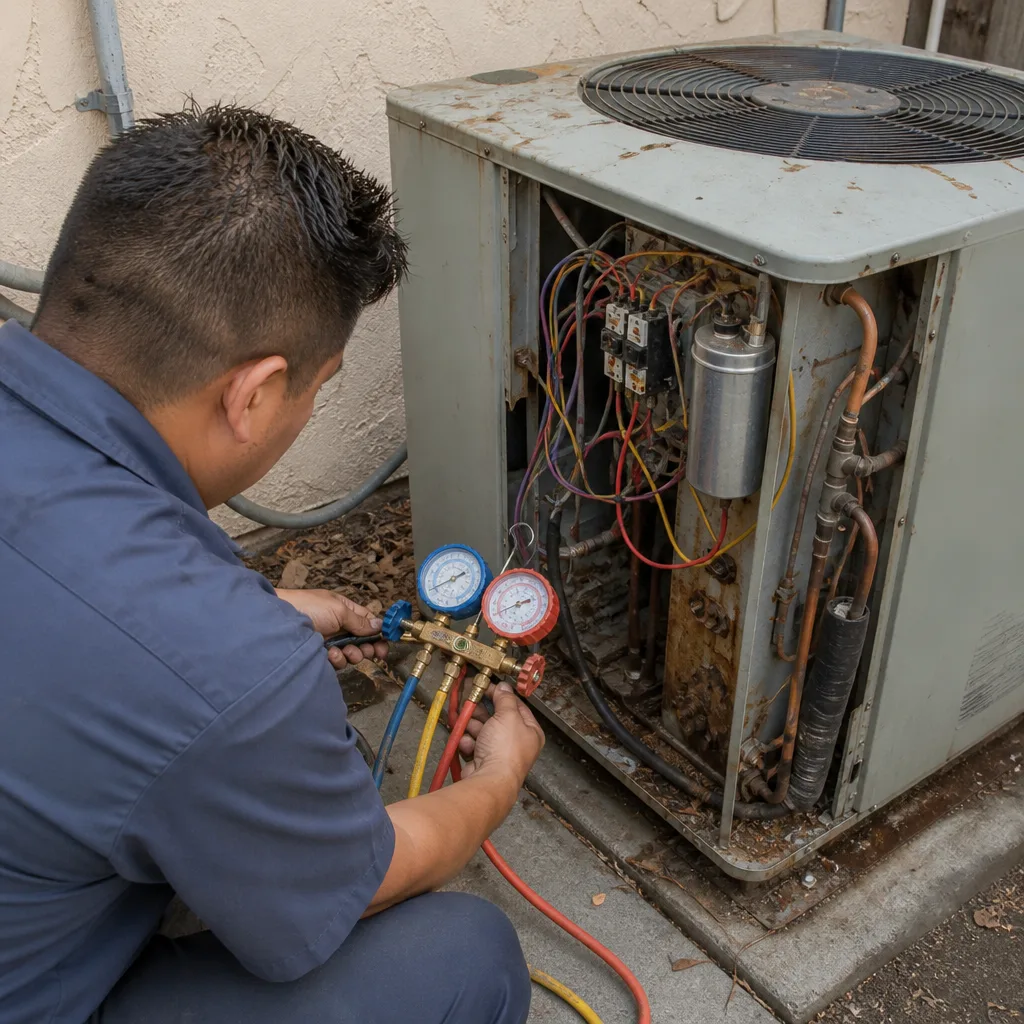 Before
 After
AfterDIY vs Professional HVAC: The Los Angeles Homeowner’s Decision Guide
Replacing a capacitor yourself is legal, saves about $150, and takes 20 minutes with a YouTube video. Recharging refrigerant yourself is a federal violation with fines up to $44,539 per day. Most DIY HVAC guides never tell you which side of that line you’re standing on, and that’s why this one exists. Los Angeles homes run their air conditioning hard from June through October, which means failures happen, and when they do, the first question is always the same: can I fix this myself? We’ll walk through exactly where the legal line sits, what insurance does when unpermitted work goes wrong, and which five repairs actually make sense to attempt.
Quick Answer
In Los Angeles, homeowners can legally handle basic HVAC maintenance like filter changes, thermostat batteries, and contactor or capacitor swaps. But anything involving refrigerant requires an EPA 608 certification, and anything involving gas lines, new ductwork, or system replacement requires a California C-20 license and a permit. The real decision isn’t skill level. It’s legal exposure.
Table of Contents
- Where the Legal Line Actually Sits
- The Insurance Voiding Risk of Unpermitted Work
- Real Cost Comparison: Five Common Los Angeles HVAC Jobs
- What’s Actually Safe to DIY (and What’s Not)
- How to Prep for a Professional Visit
- What to Require From Any Professional Before Work Begins
- Common Mistakes to Avoid
- When to Call a Professional
- Frequently Asked Questions
- The Bottom Line
Where the Legal Line Actually Sits
California draws three distinct lines through the DIY HVAC conversation, and they’re not based on how handy you are. They’re based on what the state and federal government say you’re allowed to touch. Understanding these boundaries before you open a panel or unscrew a fitting will keep you out of trouble that no amount of YouTube confidence can fix.
The first line is federal. The Clean Air Act, enforced by the EPA, prohibits anyone without an EPA 608 certification from handling refrigerant. That means you cannot legally add refrigerant, recover refrigerant, or even open a sealed system that contains it. The penalty structure is aggressive: up to $44,539 per day, per violation is the maximum civil penalty, and the EPA does pursue cases where refrigerant is vented into the atmosphere. In Los Angeles, where summer temperatures routinely push air conditioners to their limit, low refrigerant is one of the most common service calls we see. It’s also one of the most common places homeowners get themselves into legal trouble before they even realize it.
The second line is state-level. California requires a C-20 warm-air heating, ventilating, and air-conditioning contractor’s license for any HVAC work that involves installing, modifying, or repairing systems beyond basic homeowner maintenance. This includes furnace gas line work, heat exchanger replacements, new duct runs, and full system installations. The Contractors State License Board (CSLB) is explicit: unlicensed work over $500 in labor and materials combined is a misdemeanor on the first offense. Los Angeles adds its own layer with city permitting requirements for equipment replacements and some duct modifications.
The third line is the one most guides ignore: your homeowner’s insurance policy. Most standard policies in California contain language requiring that major mechanical work be performed by a licensed contractor and, where applicable, permitted. When that language exists, an unpermitted solar installation, water heater swap, or HVAC replacement doesn’t just risk a code violation. It risks claim denial if the work later causes damage.
The Legal Boundary Chart
- No certification or license required: filter replacement, thermostat battery replacement, thermostat programming, condensate line flushing with vinegar or water, cleaning debris from the outdoor condenser unit, replacing a contactor or run capacitor (with the power off), checking and replacing blown fuses.
- EPA 608 certification required: adding or recovering refrigerant, repairing or replacing any component in the sealed refrigeration system (evaporator coil, condenser coil, compressor, refrigerant lines), leak detection that involves opening the sealed system, brazing or soldering refrigeration lines.
- California C-20 license and permit required: gas furnace installation or replacement, gas line work of any kind, heat exchanger replacement, new ductwork installation, full HVAC system replacement, any new electrical circuit installation, moving or relocating HVAC equipment.
The pattern is clear when you look at it this way: electrical components you can reach without opening the refrigerant circuit are fair game for a careful DIYer. Anything involving pressurized refrigerant or combustion gas is not.
The Insurance Voiding Risk of Unpermitted Work
Here’s the scenario most Los Angeles homeowners never consider until it’s too late. You install a new heat pump yourself, or hire a handyman without a C-20 license to do it. Six months later, a wiring fault causes a fire in the attic. The insurance adjuster arrives, reviews the claim, and notices the equipment wasn’t permitted. Your claim gets denied, and now you’re personally liable for the full cost of the damage, plus the repair or replacement of the system.
This isn’t fearmongering. It’s how California insurers actually operate. Most standard homeowner policies include what’s known as a “concealment or fraud” provision and, separately, language requiring that major systems be installed to code by properly licensed contractors. Unpermitted work is a red flag that triggers deeper investigation into any related claim. Even when a claim isn’t fully denied, an insurer may reduce the payout to cover only what the damage would have been had the system been permitted and installed correctly, which in practice can mean a substantially smaller check.
The water damage scenario is just as common in Los Angeles, particularly in hillside neighborhoods like Mount Washington, Silver Lake, and the Hollywood Hills where homes are older and drain lines are long. An unpermitted mini-split installation that leaks condensate into a wall cavity for six months creates mold and rot. When the homeowner files a claim, the first question is who installed the system. If the answer is “a guy I found on Yelp,” the claim is often denied outright.
The practical takeaway: before you attempt any HVAC work that reasonably falls in the licensed-and-permitted category, read your insurance policy’s section on mechanical systems and licensed contractors. Or simply don’t attempt the work. The savings you’re chasing disappear instantly when an insurance claim gets denied over a $35 permit fee.
Real Cost Comparison: Five Common Los Angeles HVAC Jobs
The DIY conversation always starts with cost, so let’s be honest about the numbers. Here’s what these jobs actually cost in the Los Angeles market in 2026, including parts, tools you’ll need to buy, the value of your time, and the risk you’re carrying if something goes wrong.
1. Capacitor Replacement
DIY cost: $15 to $40 for the part, plus $20 for a multimeter if you don’t own one. Time: 30 to 45 minutes.
Professional cost in Los Angeles: $150 to $300, parts and labor included.
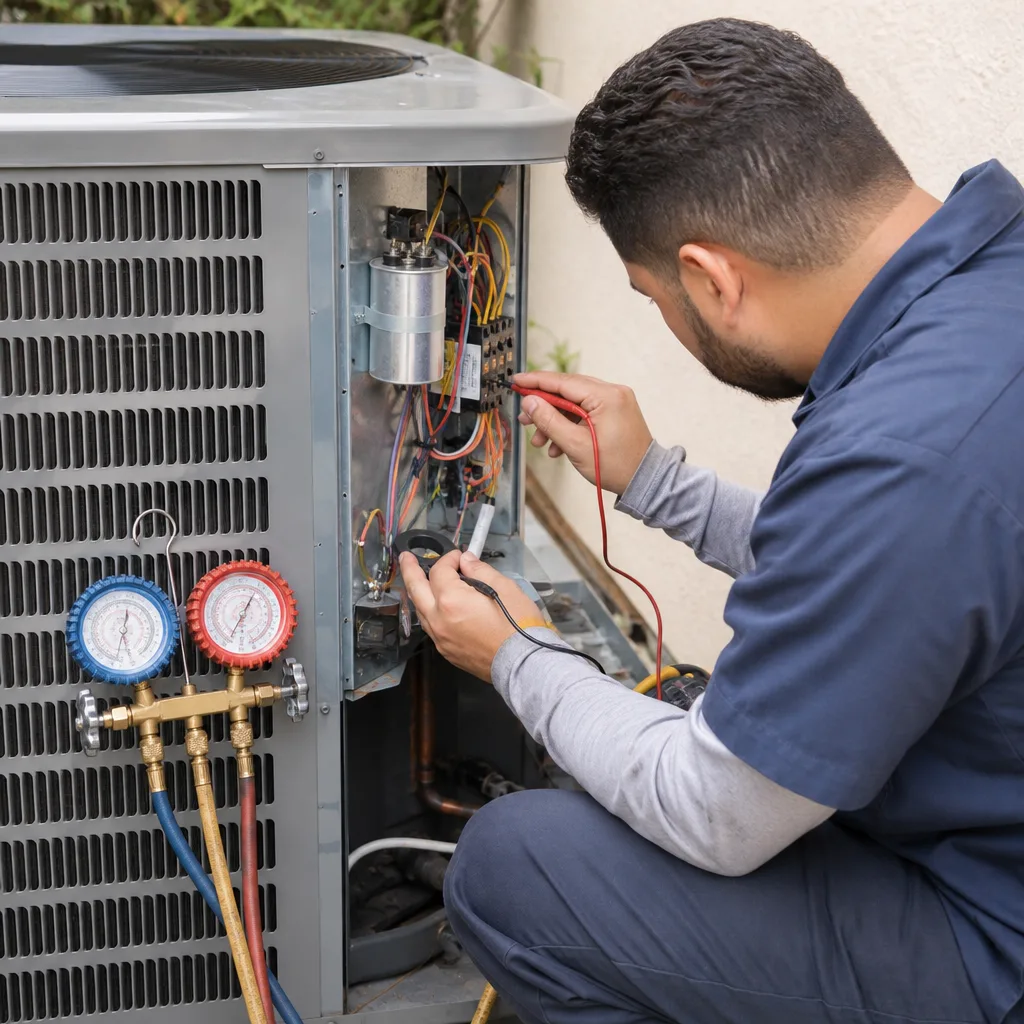
Verdict: This is the best DIY candidate on this list. You’re saving real money, the work is genuinely simple if you know how to discharge the old capacitor safely, and you’re not touching refrigerant or gas. The catch: you must match the microfarad (µF) rating exactly, and you must discharge the old capacitor before touching the terminals. A capacitor can hold a charge even with the power off, and getting shocked by one is painful enough to ruin your afternoon.
2. Thermostat Replacement or Upgrade
DIY cost: $40 to $250 for a smart thermostat, plus an hour of your time and possibly a common wire (C-wire) adapter for $25.
Professional cost in Los Angeles: $180 to $400, including the thermostat, installation, and setup.
Verdict: Most homeowners can handle this if their wiring is standard. Where it goes wrong: older Los Angeles homes, especially those built before 1980 in neighborhoods like Atwater Village and Eagle Rock, often lack a C-wire. Without it, smart thermostats won’t get constant power and will malfunction. If you open the wall and find only two wires, call a professional rather than trying to re-wire your furnace’s control board.
3. Condensate Drain Line Clearing
DIY cost: $10 for a wet/dry vacuum attachment or $0 if you own a shop vac, plus 30 minutes.
Professional cost in Los Angeles: $100 to $200 for a basic clearing, more if the line needs flushing with nitrogen or the drain pan needs replacement.
Verdict: Very reasonable DIY job. In Los Angeles, where air conditioners run constantly from June through October, drain lines clog with algae and dust more often than in cooler climates. The job involves attaching a vacuum to the drain line outlet outside your home and pulling the clog out. If the line stays blocked after two attempts, there’s a deeper clog in the evaporator coil area, and that’s a professional call.
4. Contactor Replacement
DIY cost: $20 to $50 for the part, plus the same multimeter you already bought for the capacitor job.
Professional cost in Los Angeles: $180 to $320.
Verdict: Another solid DIY candidate, but only if you’re comfortable working inside an electrical panel. The contactor is the switch that sends power to your compressor and condenser fan. Ants, common in many Los Angeles yards, love to crawl into contactors and get electrocuted, which burns the contacts. Replacing one requires turning off the disconnect at the outdoor unit, confirming zero voltage with your multimeter, and swapping wires one at a time. If you’re not confident with electrical work, this is not the place to learn.
5. Refrigerant Recharge (Low Refrigerant)
DIY cost: Not possible legally. The refrigerant itself (R-410A) costs $50 to $100 per pound, but without an EPA 608 certification, purchasing or handling it is a federal violation.
Professional cost in Los Angeles: $200 to $600 for a leak check and recharge, depending on the amount of refrigerant needed and the leak’s location.
Verdict: This is where the math flips completely. The DIY “savings” are negative, because the federal fine exposure dwarfs any possible savings. Beyond legality, low refrigerant isn’t the root problem. A system is low because it’s leaking. Adding refrigerant without finding and repairing the leak just means you’ll be low again next summer. And in Los Angeles, where AC season runs long, that leak will reappear at the worst possible time.
The pattern across these five jobs: electrical component replacements can be reasonable DIY territory for a careful homeowner with a multimeter. Anything involving refrigerant, gas, or your insurance policy is not.
What’s Actually Safe to DIY (and What’s Not)
Let’s separate the genuinely safe DIY tasks from the ones that only look safe. The dividing line isn’t difficulty. It’s what happens when you make a mistake.
Safe DIY Tasks (Low Risk of Injury or Damage)
- Filter replacement: Do this every 1 to 3 months in Los Angeles, more often during wildfire season when air quality drops. A clean filter is the cheapest insurance your system has.
- Thermostat programming and battery replacement: Straightforward in nearly any home and requires no tools beyond a screwdriver.
- Condensate line flushing: Pour a cup of white vinegar down the line every few months to slow algae growth, or use a wet/dry vacuum on the exterior outlet to clear blockages.
- Outdoor condenser coil cleaning: Turn off the disconnect, remove the fan guard, and gently rinse the coil fins from the inside out with a garden hose on low pressure. No chemicals needed in most cases, and this genuinely improves efficiency.
- Capacitor and contactor replacement: As covered above, legal and often simple, provided you discharge the capacitor and verify zero voltage with a multimeter before touching anything.
Not Safe DIY Tasks (High Risk of Injury, Legal Trouble, or Both)
- Anything involving refrigerant: Federal violation to handle without an EPA 608 certification. Fines are steep. Don’t do it.
- Gas furnace burner or gas valve work: Working on gas lines without a license is illegal in California and genuinely dangerous. A gas leak in a Los Angeles home can be catastrophic, and a carbon monoxide leak is a matter of life and death.
- Heat exchanger replacement: This requires disassembling the furnace, working near gas connections, and potentially creating a carbon monoxide hazard if the new heat exchanger is installed even slightly wrong. If your heat exchanger is cracked, shut the furnace off and call a professional.
- New electrical circuit installation: Adding a new breaker to your electrical panel is not a DIY job, full stop. Los Angeles Department of Building and Safety permits are required, and the risk of fire from an improperly sized breaker or loose connection is real.
- Any ductwork modification: Cutting into existing ducts changes airflow balance and can cause your system to work harder, freeze up, or short cycle. It also requires a permit in Los Angeles in many cases.
If the task involves refrigerant, gas, or your home’s main electrical panel, the DIY savings evaporate the moment you factor in the real risk.
How to Prep for a Professional Visit
When you do call a professional, the way you prepare for the visit determines how much you pay and how much control you have over the outcome. For Furnace Repair Maintenance Schedule: What to Do and When guidance, check our guide before scheduling. Here’s a step-by-step approach that reduces billable diagnostic time and keeps the technician focused on the actual problem.
- Document the symptoms in writing. Before you call, note what the system is doing: not cooling at all, cooling but not reaching the set temperature, making a specific noise, cycling on and off every few minutes, blowing warm air, or leaking water. Timestamps help. A technician diagnosing “it’s broken” wastes time. A technician diagnosing “the condenser fan runs but the compressor doesn’t start, and it started two days ago after a power flicker” gets to work.
- Check the obvious things first. Is the thermostat set correctly and in the right mode? Is the filter clean? Is the breaker tripped or the outdoor disconnect switched off? Is the condensate line backed up? If you’ve already checked these, tell the technician that. It saves an hour of diagnostic time.
- Clear access to the units. The technician needs room around the indoor air handler or furnace and around the outdoor condenser. Move bikes, storage boxes, yard equipment, and anything else that blocks access. In many Los Angeles homes, outdoor units are tucked into narrow side yards; clearing that space before the tech arrives saves time on the clock.
- Know where your main electrical panel and any subpanels are. If the technician needs to turn off a circuit or check a breaker, they shouldn’t have to search for the panel.
- Have your system’s history ready. When was it installed? What brand is it? Trane, Lennox, Goodman, and Rheem systems all have different failure patterns, and knowing the brand and approximate age helps the technician make faster, more accurate decisions. If any repairs have been done before, note what they were.
- Ask for the written price before work begins. This is the single most important step. Any reputable HVAC company in Los Angeles will provide a written price before starting work. If a company won’t put the price in writing, find a different company.
We serve Los Angeles homeowners every day, and in our experience, the customers who prepare this way pay less and get better outcomes than those who hand over the keys and hope for the best. Preparation isn’t about impressing the technician. It’s about controlling the clock.
What to Require From Any Professional Before Work Begins
This section isn’t about DIY at all, and that’s intentional. Part of being a smart homeowner in Los Angeles is knowing what to demand from the professionals you hire, whether you go with us or someone else. Here are the non-negotiable requirements that protect you regardless of who does the job.
1. Proof of Licensing
In California, any HVAC contractor performing work over $500 must hold a C-20 license from the Contractors State License Board. Ask for the license number. Look it up on the CSLB website while the technician is still at your door. If the number doesn’t check out, or the person at the door doesn’t match the license holder, do not let them start work. Los Angeles has no shortage of unlicensed operators, and the risk they carry is yours.
2. Identity Verification Before the Door Opens
This is where the industry standard is embarrassingly low, and where homeowners have to protect themselves. You’re about to let a stranger into your home. You deserve to know who that stranger is before they knock. The Threshold Verified standard is what we use at Brandt HVAC: every technician is background-checked and identity-verified, and we send you their name and photo before every visit. When they arrive, they show a photo ID badge at the door. If anyone arrives who you were not told to expect, that visit is on us and we make it right. Whether you hire us or not, demand this level of certainty from whoever you invite into your home.
3. A Written Price Before Work Starts
Never, under any circumstances, allow HVAC work to begin without a written price in your hand. Not a verbal estimate. Not a “rough idea.” A written price with the scope of work described in plain language. This is standard practice at any legitimate company in Los Angeles. If a technician hedges or says they’ll “figure it out as they go,” that’s your signal to end the visit.
4. A Written Guarantee on Repairs
Every repair should come with a written guarantee that states exactly what’s covered and for how long. Our repairs are guaranteed for a full 365 days under the AC Repair in Los Angeles standard we’ve built since 2003, and if a repair fails within that period, we return at no charge. No argument, no additional bill. If your contractor won’t put the guarantee in writing, assume it doesn’t exist.
5. No Pressure Tactics
Any technician who pressures you to decide immediately, or who pushes a full system replacement when you called for a repair, is not working in your interest. A capacitor replacement should never turn into a high-pressure sales pitch for a new unit. Legitimate companies diagnose, explain, quote, and let you decide.
The homeowner who demands these five things from every professional is never the one who gets taken advantage of. The standard you set at the door determines the outcome you get.
Common Mistakes to Avoid
- Attempting refrigerant work without an EPA 608 certification. This isn’t a cautionary suggestion; it’s a federal prohibition with penalties that can reach $44,539 per day. No DIY savings justifies that exposure.
- Letting an unlicensed handyman touch gas lines or install equipment. In Los Angeles, this is a misdemeanor for the handyman and a potential insurance claim denial for you. The $300 you save on installation can become $30,000 in uncovered damage.
- Replacing a capacitor without discharging the old one. Capacitors store electrical charge even when the power is off. Touching the terminals on a charged capacitor produces a shock that can range from painful to dangerous. Discharge it properly or don’t touch it.
- Mismatching a replacement capacitor’s microfarad rating. A 45/5 µF capacitor is not interchangeable with a 40/5 µF capacitor. Installing the wrong one can damage the compressor or fan motor and turn a $40 DIY job into a $900 professional repair.
- Ignoring a refrigerant leak by “topping off” the system. In Los Angeles, where air conditioners run hard for months at a time, a small leak becomes a big one. Low refrigerant means the compressor runs hotter and fails sooner. A proper leak repair now is always cheaper than a compressor replacement later.
- Skipping the permit on work that requires one. Los Angeles Department of Building and Safety requires permits for equipment replacement and major modifications. Unpermitted work is a cloud over your home that follows you to resale and follows you into every insurance claim that touches that system.
- Learning electrical work on live equipment. Always, always turn off the disconnect at the outdoor unit and confirm zero voltage with a multimeter before touching any electrical component. The 20 seconds it takes to verify is the difference between a DIY repair and an emergency room visit.
When to Call a Professional
Call a professional when the job involves refrigerant in any way, gas lines or gas burning equipment, your home’s main electrical panel, new ductwork, or any permit-required installation. Call a professional when you’ve checked the obvious DIY items and the system still isn’t working. Call a professional when you’re not confident in your ability to do the work safely, and there’s no shame in that. In Los Angeles, where summer temperatures routinely pass 100 degrees in the Valley and the inland neighborhoods, a failed air conditioner isn’t just uncomfortable. For elderly residents, young children, and people with health conditions, it’s a genuine health risk. AC Maintenance in Los Angeles is the kind of thing that prevents failures before they happen, and it’s worth scheduling before the heat hits. We answer the phone with a live person 24 hours a day, 7 days a week, and Furnace Repair in Los Angeles is available the same way when winter nights drop into the 40s and the heat won’t kick on. Brandt HVAC offers free estimates in Los Angeles. Call (984) 538-9003.
Frequently Asked Questions
A homeowner can legally replace filters, change thermostat batteries, program a thermostat, flush a condensate drain line with vinegar or water, clean debris from the outdoor condenser unit, and replace a contactor or run capacitor with the power off. Anything involving refrigerant requires an EPA 608 certification, and anything involving gas lines, new ductwork, or system replacement requires a California C-20 license and a permit. If you’re unsure which category a task falls into, call a professional and ask before you start. The question costs nothing; the fine for guessing wrong costs thousands.
Yes, most Los Angeles homeowners can replace a thermostat, especially in homes built after 1990 where wiring is standard. The most common obstacle in older Los Angeles homes is a missing C-wire, which smart thermostats need for constant power. If you open the wall and find only two or four wires, or if you’re not comfortable working with low-voltage wiring, a professional installation typically runs $180 to $400 in the Los Angeles market, including setup. For an exact quote on your home, call (984) 538-9003.
No. Adding refrigerant without an EPA 608 certification is a violation of the Clean Air Act, with civil penalties up to $44,539 per day. This isn’t a gray area and it isn’t enforced “only in theory.” The EPA does pursue cases, and the penalties are deliberately high because venting refrigerant damages the ozone layer. If your system is low on refrigerant, it has a leak, and that leak needs to be found and repaired by a certified technician. Call us at (984) 538-9003 for a leak check and written quote.
A capacitor replacement in Los Angeles typically costs $150 to $300 for a professional service call, parts and labor included. The DIY cost is $15 to $40 for the part, plus $20 for a multimeter if you don’t have one. This is one of the few HVAC repairs where DIY genuinely makes sense for a careful homeowner who knows how to discharge the old capacitor safely. The key is matching the microfarad rating exactly. A wrong capacitor can damage your compressor motor.
It depends on the work and the damage, but unpermitted or unlicensed work creates a genuine risk of claim denial. Most California homeowner policies require major mechanical work to be performed by a licensed contractor and, where applicable, permitted. If a fire or water damage claim is linked to unpermitted HVAC work, the insurer may deny the claim entirely or reduce the payout. Before you attempt any work that might require a permit, check your policy language or call your agent. The five-minute phone call could save you a six-figure loss.
Ask for their C-20 license number and verify it on the CSLB website. Ask for proof of identity before the door opens, not after, because you’re letting a stranger into your home and you have the right to know who that stranger is. Ask for a written price before any work begins, on every job, with no exceptions. Ask what the guarantee covers and for how long, in writing. We built Brandt HVAC around these exact standards because they’re what we’d want if the roles were reversed, and we answer the phone with a live person 24 hours a day if you want to ask us directly at (984) 538-9003.
The Bottom Line
The DIY vs. professional HVAC decision isn’t really about saving money. It’s about which side of the legal line you’re standing on. In Los Angeles, homeowners can safely and legally handle filter changes, thermostat programming, drain line flushing, and careful electrical component swaps like capacitors and contactors. Everything beyond that, from refrigerant to gas lines to permits, belongs in the hands of a licensed professional. The cost difference on the safe DIY jobs is real and worth taking. The cost difference on the legal DIY jobs is an illusion, and the fine, the insurance denial, or the carbon monoxide exposure will make that illusion vanish. Know where the line is, and when you need a professional, call one who shows you exactly who is coming, puts the price in writing before work starts, and guarantees the repair for 365 days. For more guides & resources on HVAC maintenance and repair, explore our blog. That’s the standard. Call (984) 538-9003 for a free estimate in Los Angeles.
Written by Devin Marlowe, Owner at Brandt HVAC, serving Los Angeles since 2003.