
Last updated October 9, 2026
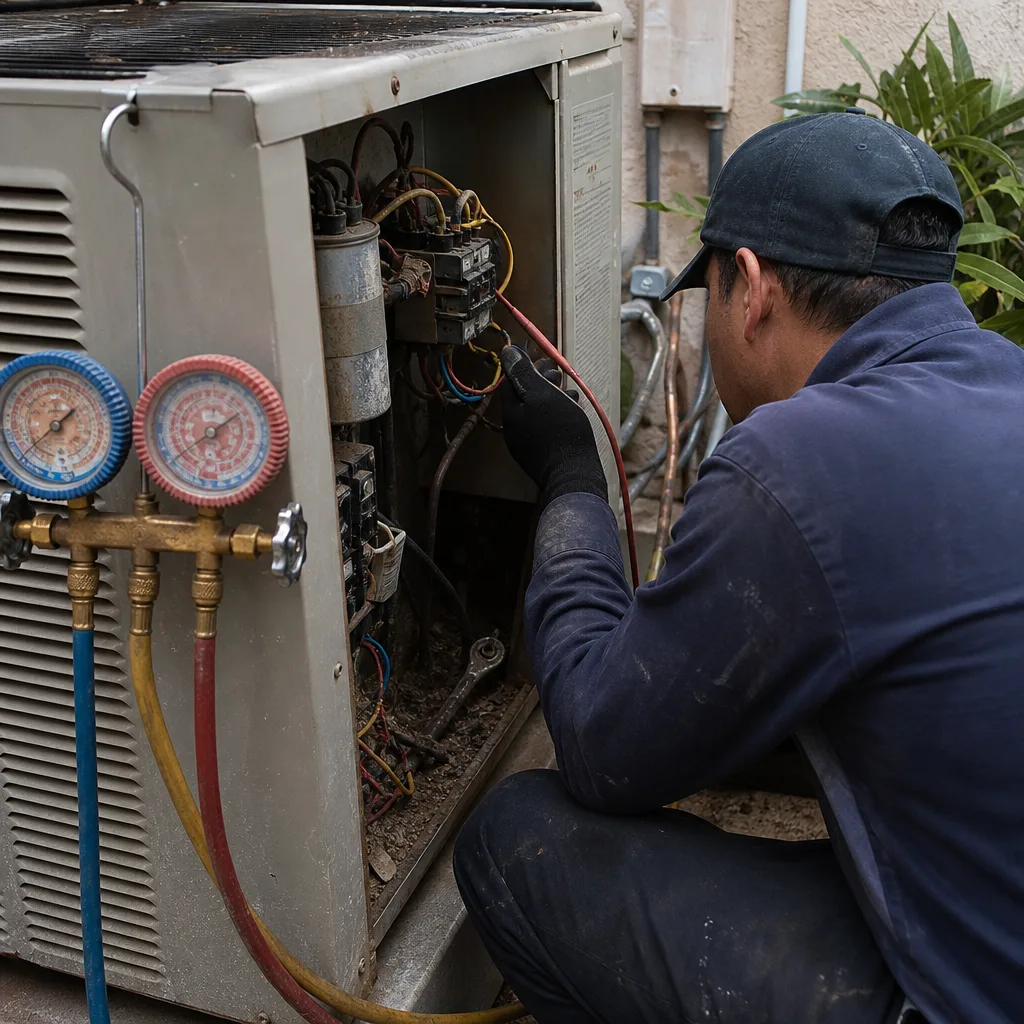
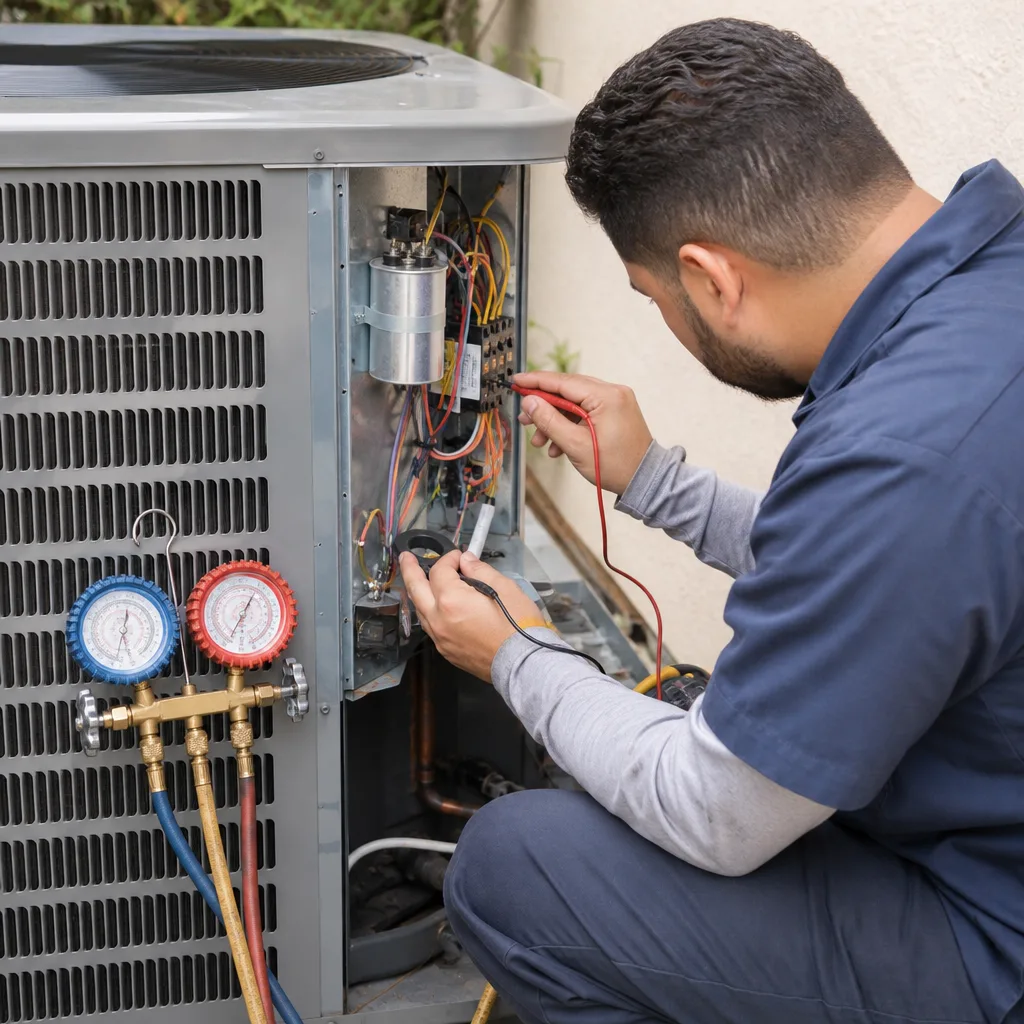
Seasonal tune-up and full diagnostic on your Carrier, Trane, or Goodman system - readings shown to you before any repair is proposed
Diagnosis first, numbers second - you approve the repair price before a single part goes in.
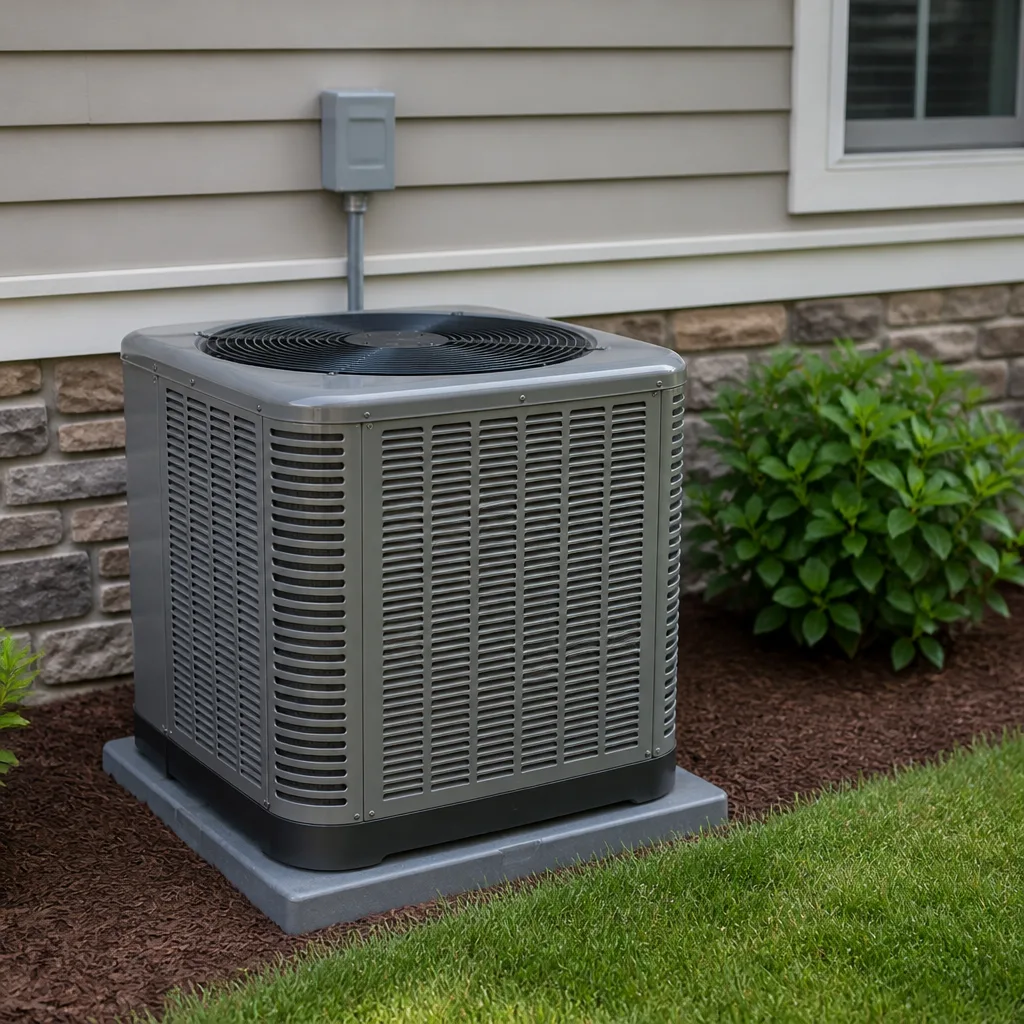
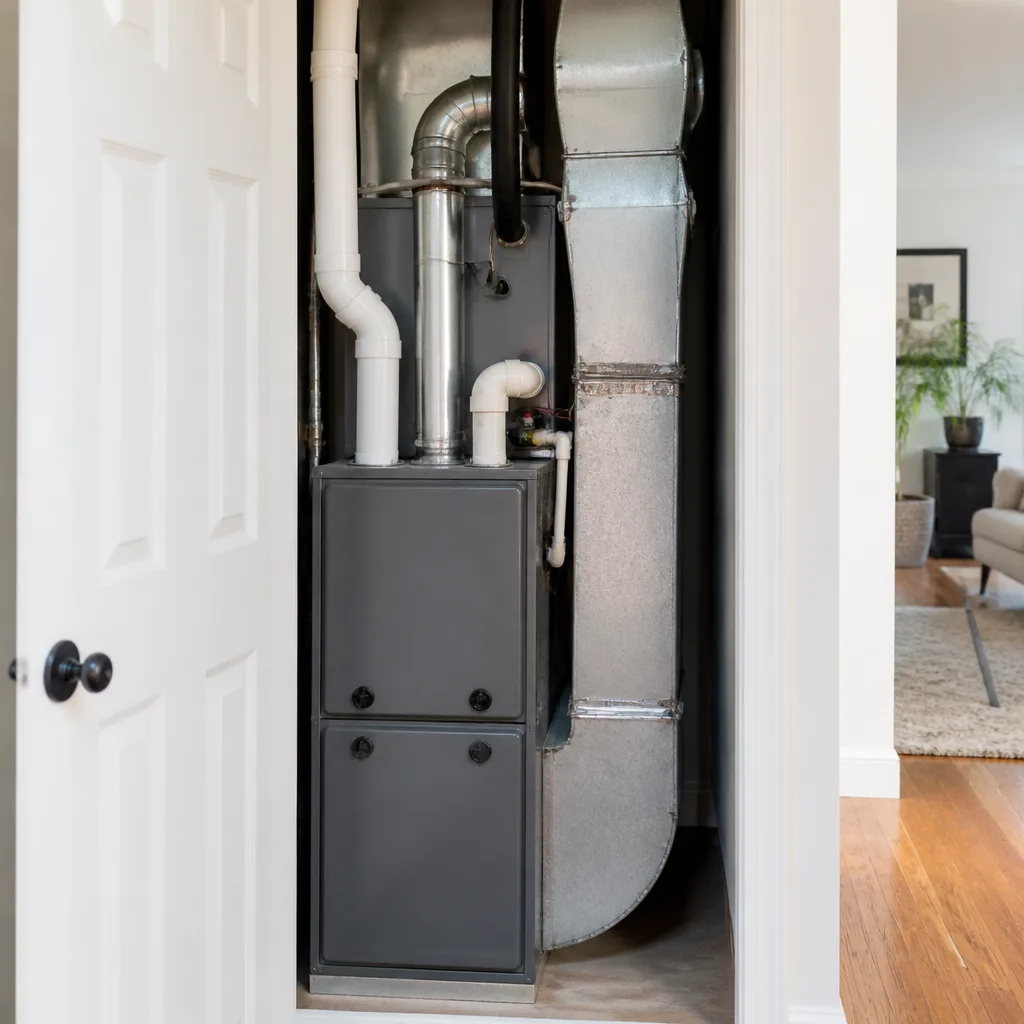
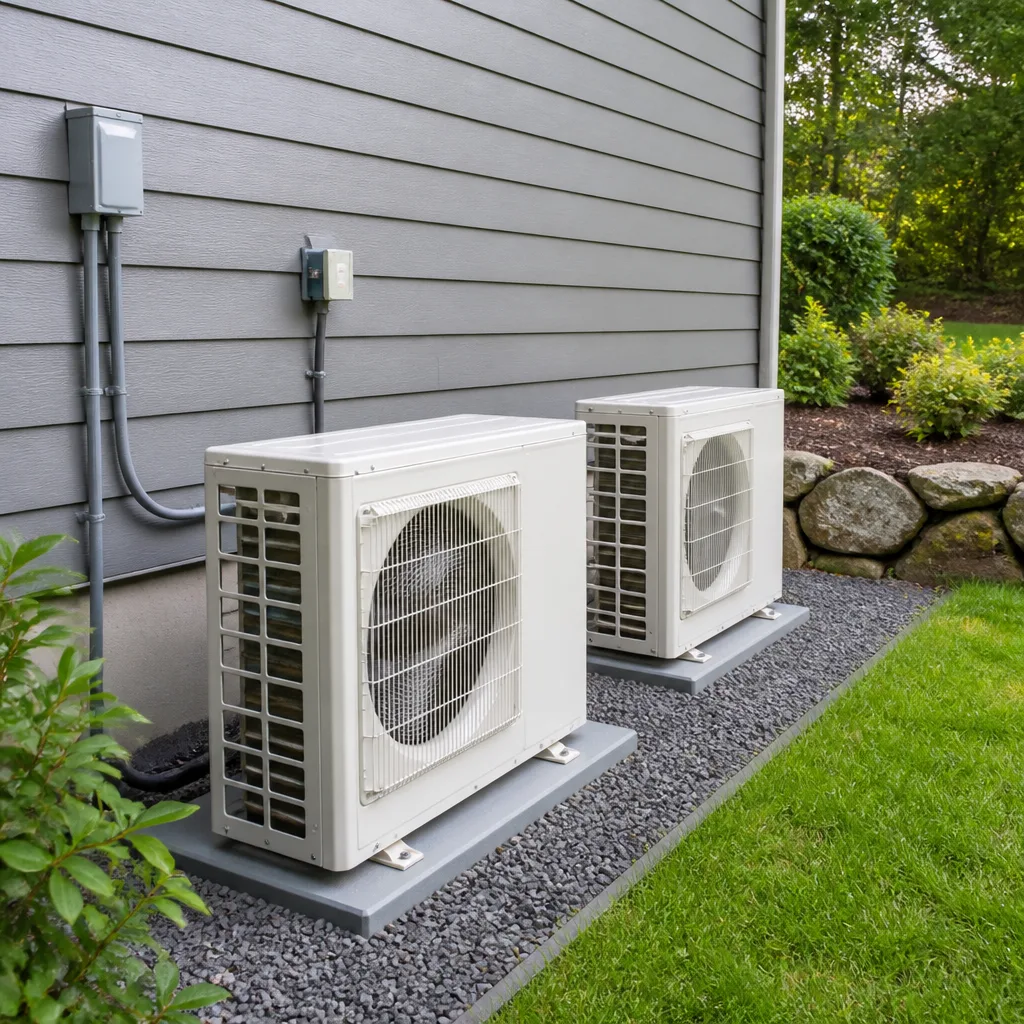
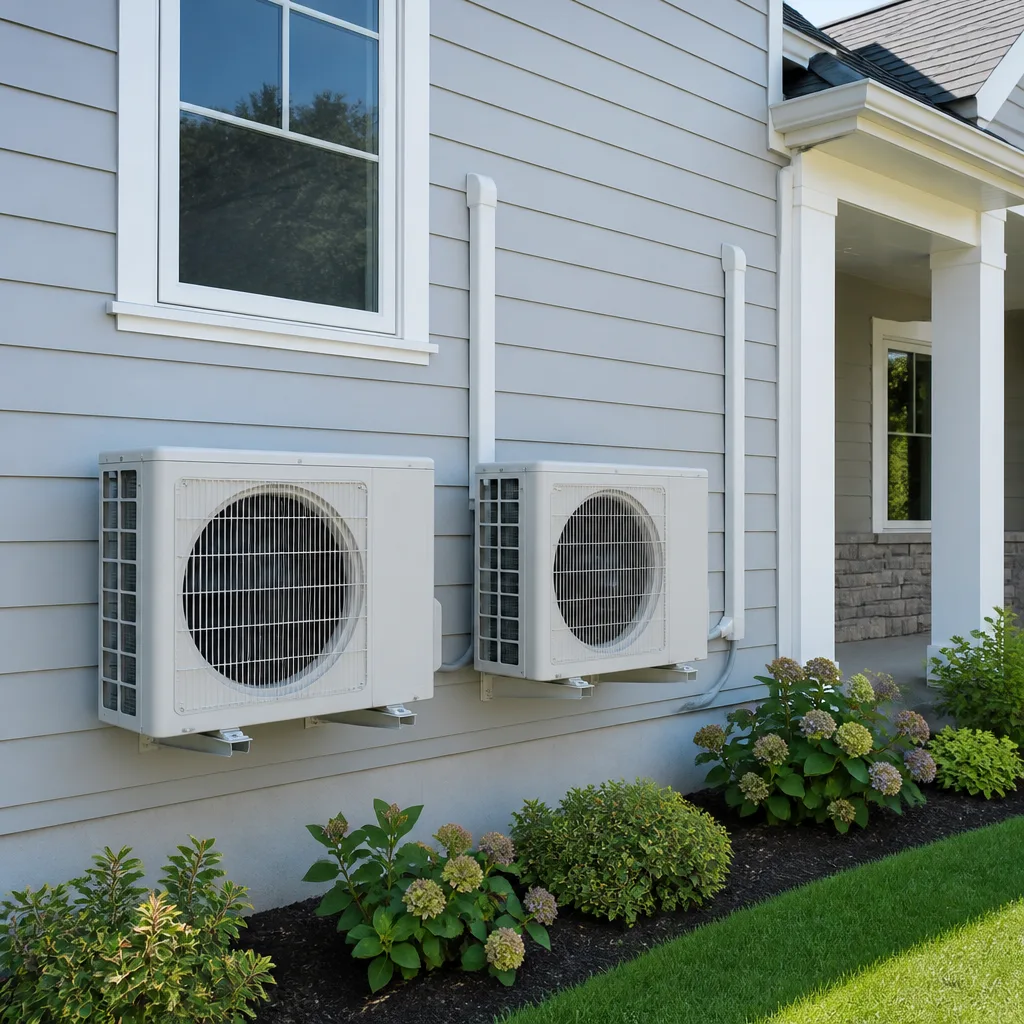
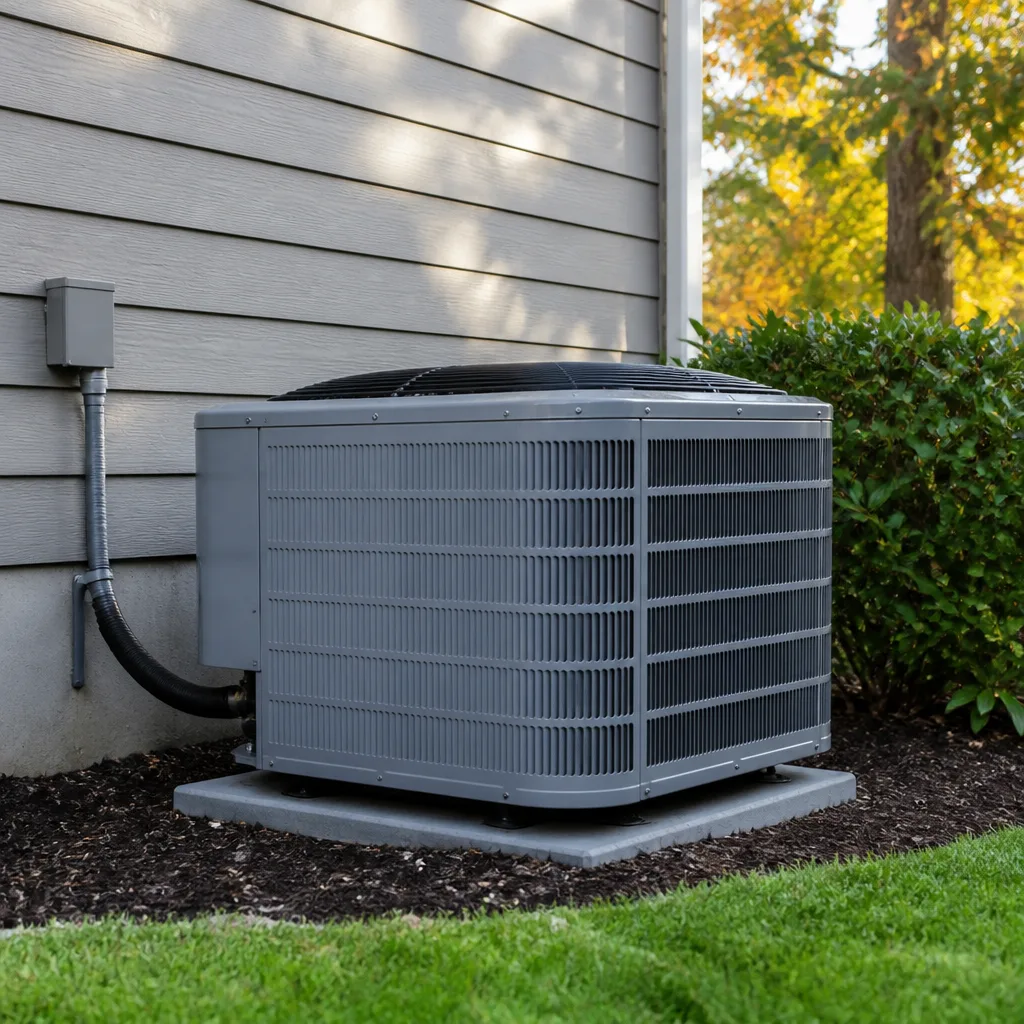
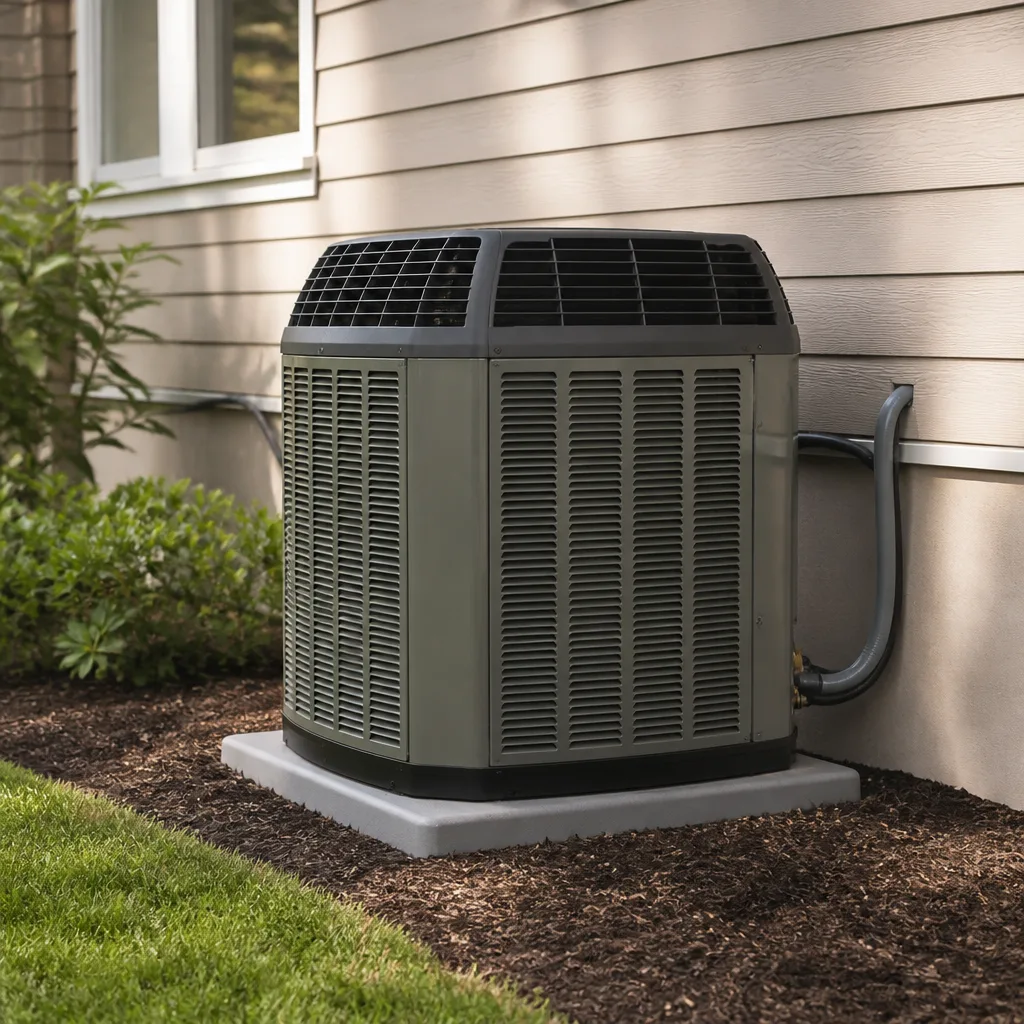
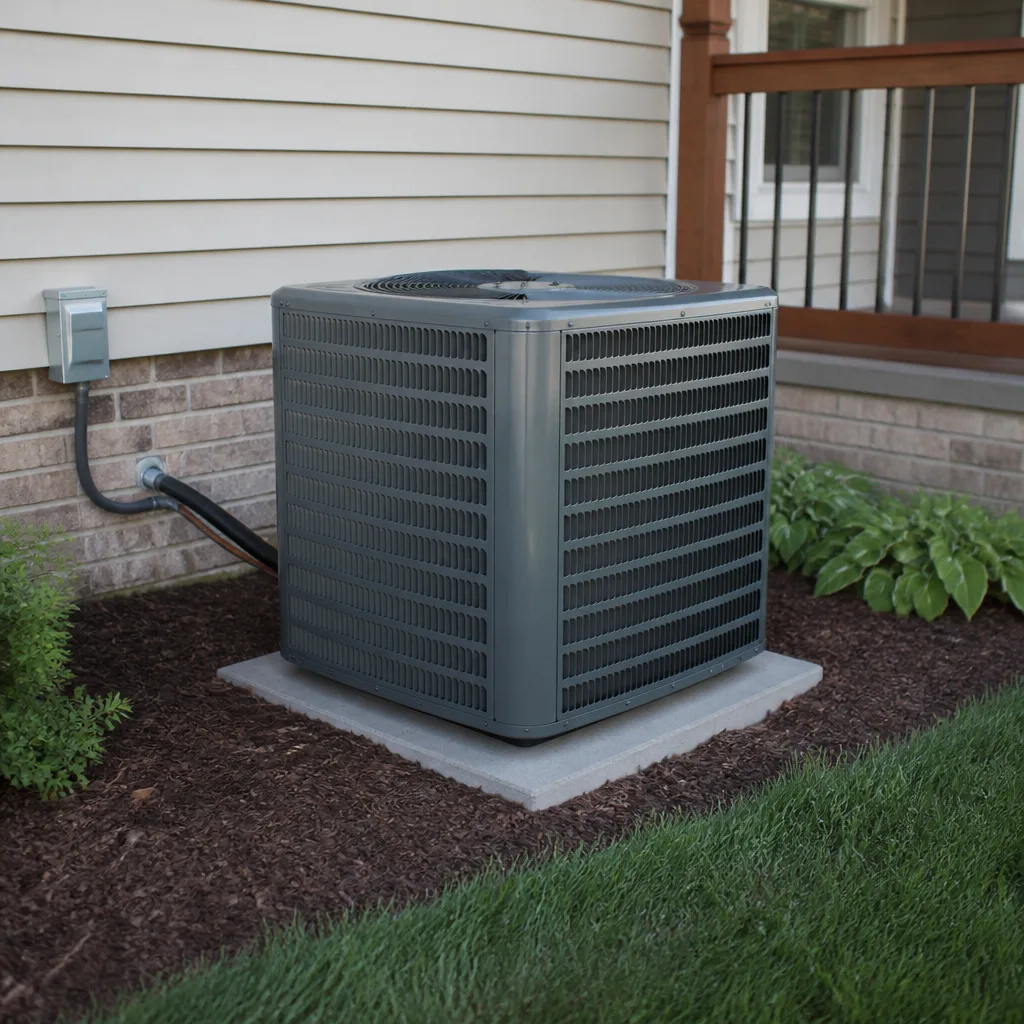
 Before
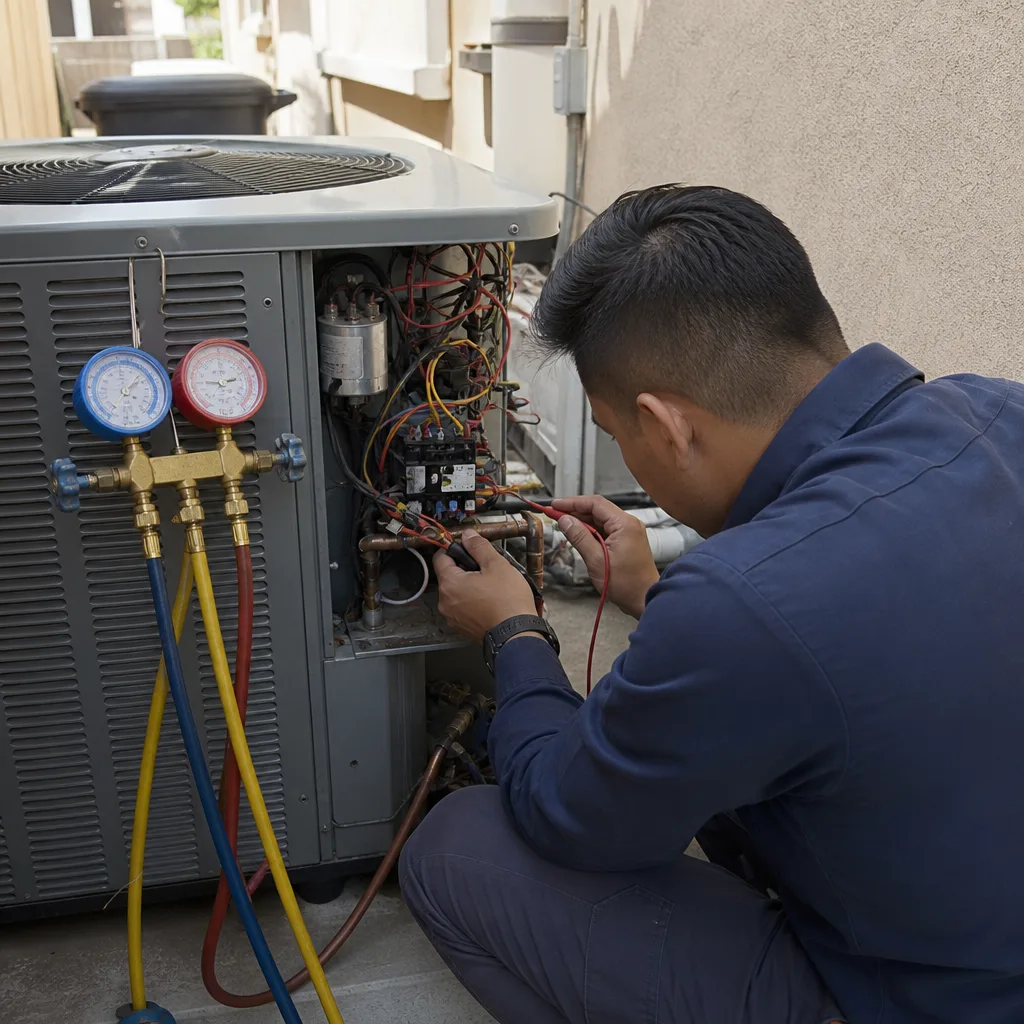 After
After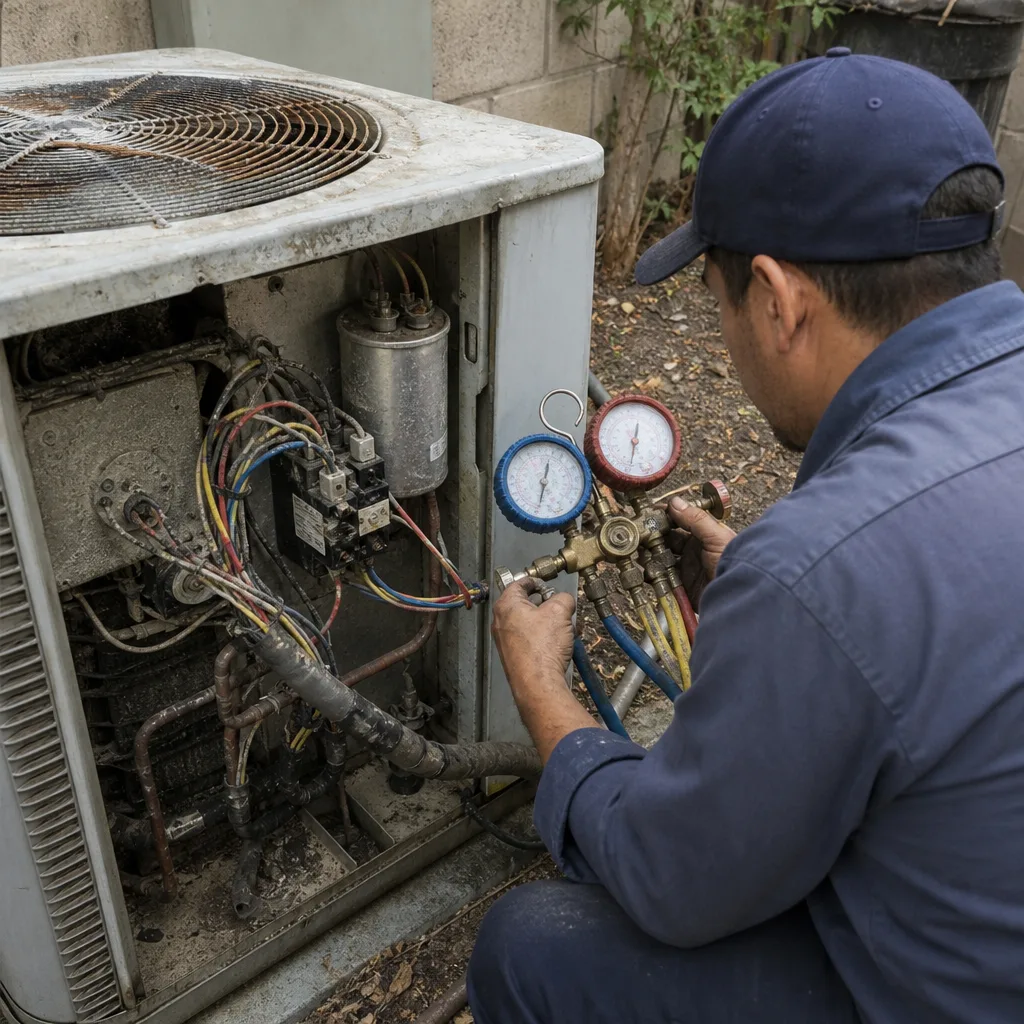 Before
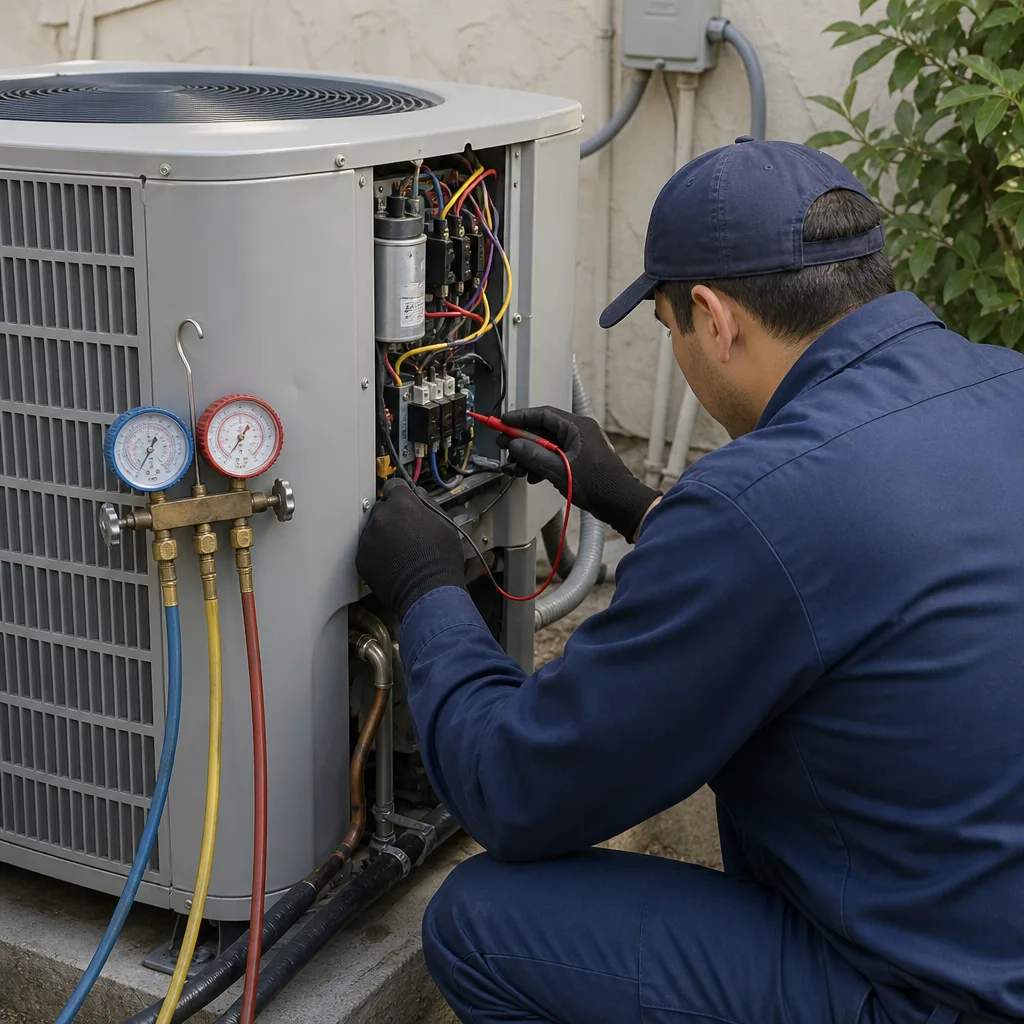 After
After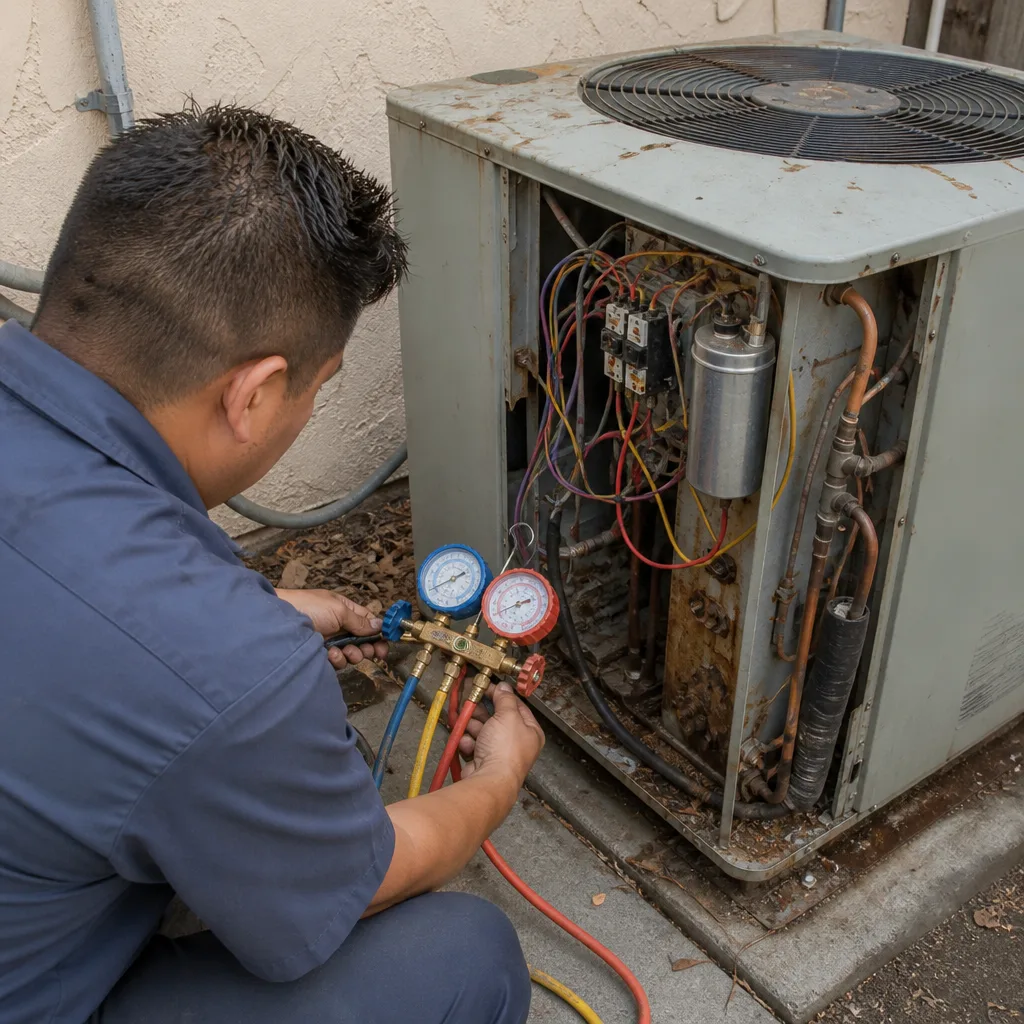 Before
 After
AfterChoosing the Right HVAC Brand: A Buyer’s Guide for Los Angeles
Here’s something most homeowners in Los Angeles never hear: the brand your contractor recommends is often the brand that makes their business run smoother, not the brand that will serve your house best. Contractors develop distributor relationships, earn volume discounts, and get comfortable with certain product lines. None of that has anything to do with how well a particular unit will hold up on a 105°F day in Woodland Hills or how quickly parts can reach a tech working in Echo Park. This guide will give you a different way to choose, one built around what actually matters in Los Angeles: local parts availability, warranty service density, and real-world performance in our specific climate, not national advertising or contractor incentives. For more guides & resources on keeping your system running, explore our blog.
Quick Answer
The best HVAC brand for your Los Angeles home isn’t a single name, it’s the brand with the strongest local distributor network, the densest warranty service coverage in LA County, and proven performance at the high ambient temperatures we experience every summer. Bryant, American Standard, and Carrier all maintain solid Los Angeles service infrastructure, but the right choice for your house depends on which one has the best local support footprint for your specific neighborhood and equipment type.
Table of Contents
- Why Local Parts Availability Beats National Reputation
- Warranty Service Coverage: The Map Most Buyers Never See
- Los Angeles Performance: SEER2 Ratings vs. Real Heat
- Manufacturer Warranty vs. Contractor Labor Warranty
- Why Brand Loyalty Can Cost You Money
- Questions That Reveal a Contractor’s Real Motive
- How to Research Local Service Coverage Yourself
- Common Mistakes to Avoid
Why Local Parts Availability Beats National Reputation
When your AC fails in August, the only brand spec that matters is how fast a replacement part can reach your neighborhood. Los Angeles is served by several major HVAC distributors, but their coverage is not evenly distributed across the county. A brand with excellent distribution in Orange County might have thin coverage in the San Fernando Valley, and that gap translates directly into how many days you wait without cooling.
In our experience running AC repair calls across Los Angeles, we’ve seen identical failures take one day or one week to resolve depending entirely on whether the part sat in a warehouse in Commerce or had to be shipped from a regional hub in Phoenix. That’s not a brand quality issue. It’s a logistics issue, and it should weigh heavily in your decision.
Here’s what to look for:
- Distributor count: How many authorized distributors does the brand operate within 25 miles of your ZIP code? More locations usually means faster parts access.
- Local inventory depth: Some distributors stock only common parts. Less common components, like variable-speed control boards, may still need to be ordered regardless of how close the warehouse is.
- Contractor familiarity: A brand with many active contractors in Los Angeles means many technicians who know the equipment well and many shops stocking its parts. That network effect matters more than most buyers realize.
Before you commit to any brand, call two or three Los Angeles HVAC supply houses and ask a simple question: “If I need a compressor for a [Brand] unit, do you have one on the shelf today?” Their answer will tell you more than any brochure.
Warranty Service Coverage: The Map Most Buyers Never See
Every major HVAC brand offers a warranty on parts, usually 5 to 10 years depending on the model line and whether you register the equipment. What they don’t advertise is how many authorized warranty service providers actually operate in Los Angeles County, and how long it takes to get a warranty claim approved and the part dispatched.
This is the hidden map that matters. A brand could have the best warranty in writing and the slowest warranty fulfillment in practice. When your compressor fails under warranty, the replacement part is free, but the labor to install it typically is not. And if the brand’s only authorized warranty processor for Southern California is backed up two weeks, that free part is costing you fourteen nights of 85°F indoor temperatures.
Here’s the specific risk in Los Angeles: we have a sprawling, dense county with millions of installed units. Peak summer failure rates hit every brand at once. The warranty service network that handles 500 claims in May can be overwhelmed by 3,000 claims in July. Brands with more authorized service partners in LA County absorb that surge better. Brands with fewer, larger processors fall behind.
Our team has worked on HVAC systems throughout Los Angeles, and we’ve learned to check warranty service density before recommending equipment. Ask your contractor: how many authorized warranty providers does this brand have within 30 miles of my home? If they can’t answer, that’s information worth finding out before you sign.
Los Angeles Performance: SEER2 Ratings vs. Real Heat
The SEER2 number on an AC unit’s label is a lab result. It measures efficiency under standardized test conditions: 82°F outdoor temperature, specific indoor setpoints, and humidity levels that don’t match what we experience in Los Angeles from June through September.
What matters for a Los Angeles home is how the equipment performs at 95°F, 100°F, and 105°F ambient temperatures, for hours on end, day after day. Some units hold their efficiency well as outdoor temperatures climb. Others lose significant cooling capacity precisely when you need it most. The difference doesn’t show up on the box, but it absolutely shows up on your electricity bill and in how hard the system runs.
Here’s what to evaluate instead of the headline SEER2 number:
- High-ambient degradation curve: Ask for the manufacturer’s published performance data at 95°F and 105°F. If a brand won’t provide it, that’s a signal.
- Compressor design: Units with variable-speed or two-stage compressors typically manage high-heat conditions better than single-stage units, because they can run longer at lower output rather than cycling hard on and off.
- Coil surface area: Larger condenser coils dissipate heat more effectively in extreme temperatures. This is a spec you can compare directly between brands.
- Defrost and cooling logic: Some brands tune their control boards for humid climates like Houston or Miami. Those settings can cause short-cycling and poor dehumidification in our dry heat.
Los Angeles heat is not like Phoenix heat or Houston heat. It’s moderate temperature, low humidity, and long late-afternoon peaks. The best brand for this climate is the one whose equipment maintains capacity when the ambient temperature rises faster than the unit can shed heat.
Manufacturer Warranty vs. Contractor Labor Warranty
This is the distinction that separates informed buyers from everyone else. A manufacturer warranty covers parts. It does not cover labor. When a part fails, you get a replacement component for free. You still pay the contractor for the time to diagnose, remove the failed part, install the replacement, and test the system.
That labor can run $400 to $900 or more depending on the repair, and in Los Angeles, where labor rates are higher than most of the country, it can be the majority of your out-of-pocket cost on a “free” warranty repair. Some compressor replacements under manufacturer warranty still cost the homeowner $1,500 or more in labor charges.
What you want is both:
- Manufacturer parts warranty: 10 years is standard on most major brands when you register the equipment within 60 to 90 days of installation. Unregistered equipment often drops to a 5-year parts warranty.
- Contractor labor warranty: This is a written promise from the installing company covering their workmanship for a specified period. If their installation error causes a failure, they cover the labor to fix it, not just the parts.
Before any equipment is ordered, get both warranties in writing. The manufacturer warranty should specify the parts coverage period, the registration deadline, and what voids it. The contractor labor warranty should specify the duration, what it covers, what it excludes, and what happens if the contractor goes out of business. Do not accept a verbal assurance on either one.
At our AC maintenance visits across Los Angeles, we routinely see homeowners who can’t find their warranty paperwork and don’t know whether their equipment was ever registered. That’s a situation you don’t want to be in when a $1,800 variable-speed motor fails.
Why Brand Loyalty Can Cost You Money
Lots of homeowners assume that if a Carrier unit lasted 16 years in their house, the replacement should be another Carrier. That’s reasonable logic, but it fails in three specific ways that matter for Los Angeles homeowners.
First, brands change. The Carrier that built your 2009 unit is not the same Carrier building units today. Product lines get redesigned, manufacturing shifts between factories, and quality control standards evolve. A brand’s track record from 15 years ago is not evidence of how their current equipment will perform. The same is true across Trane, Lennox, and every other major name.
Second, efficiency standards moved. The Department of Energy raised minimum efficiency requirements in 2023, and the SEER2 testing standard changed how efficiency is measured. Your old unit was built to one standard. New units are built to another. The model line you loved may not exist anymore, or may exist in a fundamentally different form.
Third, parts compatibility is rarely backward. Just because your old unit shares a brand name with a new unit doesn’t mean the new unit was designed by the same engineering team or built in the same facility. Brand names get licensed, product lines get sold, and “Bryant” today means something different than “Bryant” in 2010.
The better approach is to evaluate every brand as if you’ve never owned an HVAC system before. Judge current equipment on current criteria: local service coverage, high-ambient performance, warranty terms, and the quality of the contractor who will install and support it.
Questions That Reveal a Contractor’s Real Motive
Contractors are not neutral parties in brand selection. They have distributor relationships, volume incentives, training certifications, and personal preferences all shaping what they recommend. That doesn’t make them dishonest. It means you need to know what’s driving the recommendation before you accept it.
Here are the questions that separate a recommendation built around your house from one built around their supply chain:
- “Which brands do you offer, and which do you actually stock parts for?” A contractor who recommends exactly one brand is telling you something about their distributor relationship, not about your needs. Tell me they offer three brands and prefer one for reasons they can explain, that’s a different conversation.
- “What did my load calculation show, and how did that drive the brand and model selection?” If they didn’t do a load calculation, the brand choice is likely based on inventory and habit, not on what your house actually needs. In Los Angeles, where homes range from 1940s bungalows in Highland Park to glass-walled moderns in the hills, one-size-fits-all brand recommendations are a red flag.
- “How many authorized warranty service providers does this brand have within 30 miles of my home?” A contractor who knows this number is thinking about your long-term service experience. One who doesn’t is thinking about the sale.
- “What’s your labor warranty on installations, and what happens if you’re not available when the equipment fails?” This tells you whether they plan to stand behind the equipment they’re recommending or pass you off to the manufacturer’s warranty network the moment something fails.
- “Can you show me the manufacturer’s performance data at 100°F for this specific model?” If they can produce it and explain what it means, you’re working with someone who understands engineering, not just sales.
One more note on this. In our work repairing furnaces and air conditioners around Los Angeles, we’ve found that the best contractor recommendations come with reasons attached: “I recommend this brand because their compressor design holds capacity better in canyon heat,” not “I recommend this brand because it’s what we install.” If the reasoning is thin, ask more questions.
How to Research Local Service Coverage Yourself
You don’t need to take a contractor’s word on warranty service density. You can check it yourself in about an hour, and the information you’ll gather is more valuable than any brand comparison chart.
Step 1: Make a list of candidate brands. Start with two or three that you’re considering. For this exercise, let’s use Bryant, American Standard, and Carrier, all three of which have distribution in Southern California.
Step 2: Find the brand’s authorized distributor locator. Each manufacturer maintains a dealer and distributor locator on their website. Search for authorized distributors within 25 miles of your ZIP code. Count them. Note their locations. A brand with three distributors in LA County has a different parts reality than a brand with one.
Step 3: Check the warranty service provider network. Look up how many authorized warranty service companies in Los Angeles County handle that brand. This is different from the distributor network, and it’s the number that matters when your unit fails at 7 PM on a Saturday in August.
Step 4: Call one distributor and ask about part availability. Pick a common failure part, like a condenser fan motor or compressor, and ask: “If I needed this for a [Brand] unit this week, would you have it in stock or would you have to order it?” Their answer will tell you what the parts reality actually looks like.
Step 5: Check the brand’s warranty registration requirements. Every brand has a registration deadline and process. Find out what it is before you buy. Some brands drop the parts warranty from 10 years to 5 years if registration is missed by even a single day.
Step 6: Ask for the performance data. Contact the manufacturer or ask a contractor for the engineering performance tables for the specific model you’re considering. Look for capacity and efficiency ratings at 95°F and 105°F outdoor temperature. This data exists for every major brand, but almost no homeowner ever asks to see it.
That six-step process will give you more useful information than a hundred online reviews. You’ll know who has parts, who has warranty service, and who actually performs in Los Angeles heat.
Common Mistakes to Avoid
- Choosing based on national review scores. Reviews from homeowners in Florida, Texas, or Arizona tell you nothing about how a unit will perform in Los Angeles. Different climates, different failure patterns, different service networks. Context matters.
- Trusting the brand the contractor recommends without asking why. Contractors recommend brands they know, brands they get good distributor terms on, and brands their techs are trained on. None of those automatically mean it’s the right brand for your house. Ask for the reasoning.
- Focusing on SEER2 rating alone. The headline efficiency number is measured at one test condition. It says nothing about high-ambient performance, part-load efficiency, or how the unit handles Los Angeles dry heat. Dig deeper.
- Ignoring warranty service density. A 10-year parts warranty is worthless if the only authorized warranty provider in your area is backed up three weeks during peak season. Check the service network before you buy.
- Assuming brand loyalty transfers to new equipment. The brand that built your reliable 2012 unit is not the same company in 2025. Evaluate current equipment on current criteria, not nostalgia.
- Not getting both warranties in writing. The manufacturer parts warranty and the contractor labor warranty are separate things. You need both, in writing, with specific terms, before any equipment is ordered.
- Skipping the load calculation. If your contractor recommends a brand without doing a proper load calculation for your specific Los Angeles home, the recommendation is based on something other than what your house needs.
When to Call a Professional
Some HVAC decisions you can research on your own. Others need an experienced set of eyes on your actual house, your existing ductwork, your electrical panel, and your specific comfort needs. If you’re installing a new system in a home you plan to live in for more than five years, if you’re replacing a unit that’s more than 15 years old and the ductwork hasn’t been inspected, or if you’re debating between a full replacement and a significant repair, get a professional assessment before you commit. The brand decision comes after the load calculation, the duct inspection, and the honest conversation about how you use your home. If you’re in the Los Angeles area, Brandt HVAC offers free estimates on system replacements, with a written price before any work starts. Call (984) 538-9003 to schedule one.
Frequently Asked Questions
There is no single best brand for every Los Angeles home. Bryant, American Standard, and Carrier all maintain strong distributor and warranty service networks in LA County, and all three produce equipment that performs well in our climate. The right choice depends on which brand has the best local service coverage for your specific neighborhood and which model line matches your home’s load calculation. Call (984) 538-9003 for a free consultation that puts brand selection in the context of your actual house.
Not necessarily. SEER2 measures efficiency at a single test condition that doesn’t match a Los Angeles summer afternoon. What matters more is how well the unit maintains capacity and efficiency at 95°F and above, which varies between brands and model lines. Ask to see the manufacturer’s high-ambient performance data before you decide.
With proper maintenance, most residential systems in Los Angeles last 12 to 18 years. Coastal areas with mild temperatures and salt air corrosion can shorten that range, while inland areas with extreme summer heat can shorten compressor life. Regular maintenance visits are the single biggest factor in lifespan, regardless of brand.
The manufacturer warranty covers parts only. When a part fails within the warranty period, you get the replacement component free, but you still pay for the labor to install it. For a deeper look at what to expect, read The Complete AC Repair Guide for Los Angeles Homeowners. A contractor labor warranty covers the workmanship of the installation itself. You want both, in writing, with specific terms, before any equipment is ordered.
Sometimes, but not for the reasons most people think. The premium isn’t just about the brand name, it’s about what you get with it: denser warranty service coverage, better high-ambient performance, and often a more robust contractor network. If those things are important to you, and they should be in Los Angeles, the premium may be justified. If you’re paying more only for the name on the cabinet, you’re overpaying.
You can, but it’s usually a bad idea. Modern outdoor units are designed to work with matching indoor coils at specific efficiency ratings. Mismatching the two typically reduces efficiency, shortens component life, and in some cases voids the manufacturer warranty. The brand decision and the system design decision are linked, which is another reason to work with a contractor who does a proper load calculation and selection.
The Bottom Line
Brand selection in Los Angeles should never start with a logo. It starts with questions: Who stocks parts near me? Who services warranty claims in my ZIP code? Which model holds capacity when the temperature climbs past 95°F? The answer to “what’s the best HVAC brand” is always “it depends on your house, your neighborhood, and the service network behind the name.” Get your load calculation done. Get both warranties in writing. Ask for the performance data. And if you want a straight answer about what will work best in your home, call Brandt HVAC at (984) 538-9003. The estimate is free, and the conversation is honest.
Written by Devin Marlowe, Owner at Brandt HVAC, serving Los Angeles since 2003.