
Last updated October 9, 2026
Seasonal tune-up and full diagnostic on your Carrier, Trane, or Goodman system - readings shown to you before any repair is proposed
Diagnosis first, numbers second - you approve the repair price before a single part goes in.
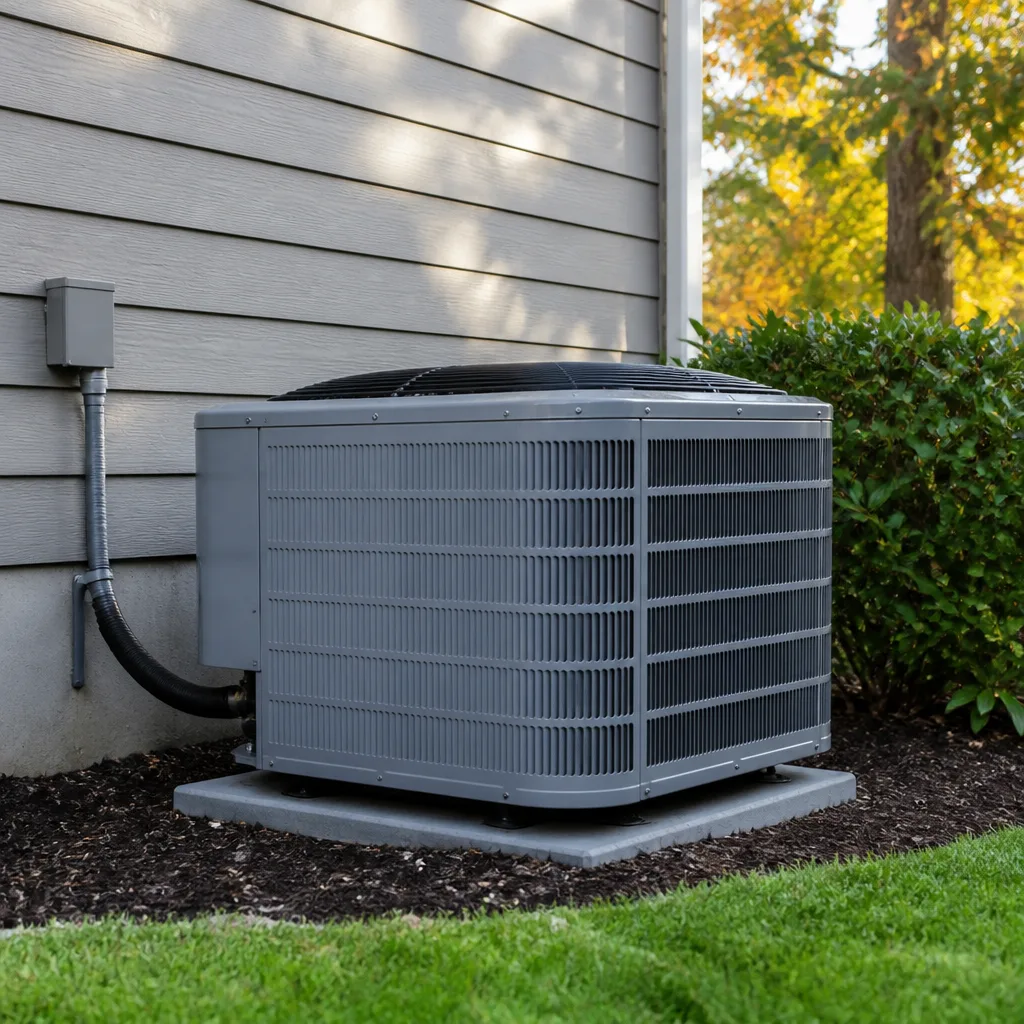
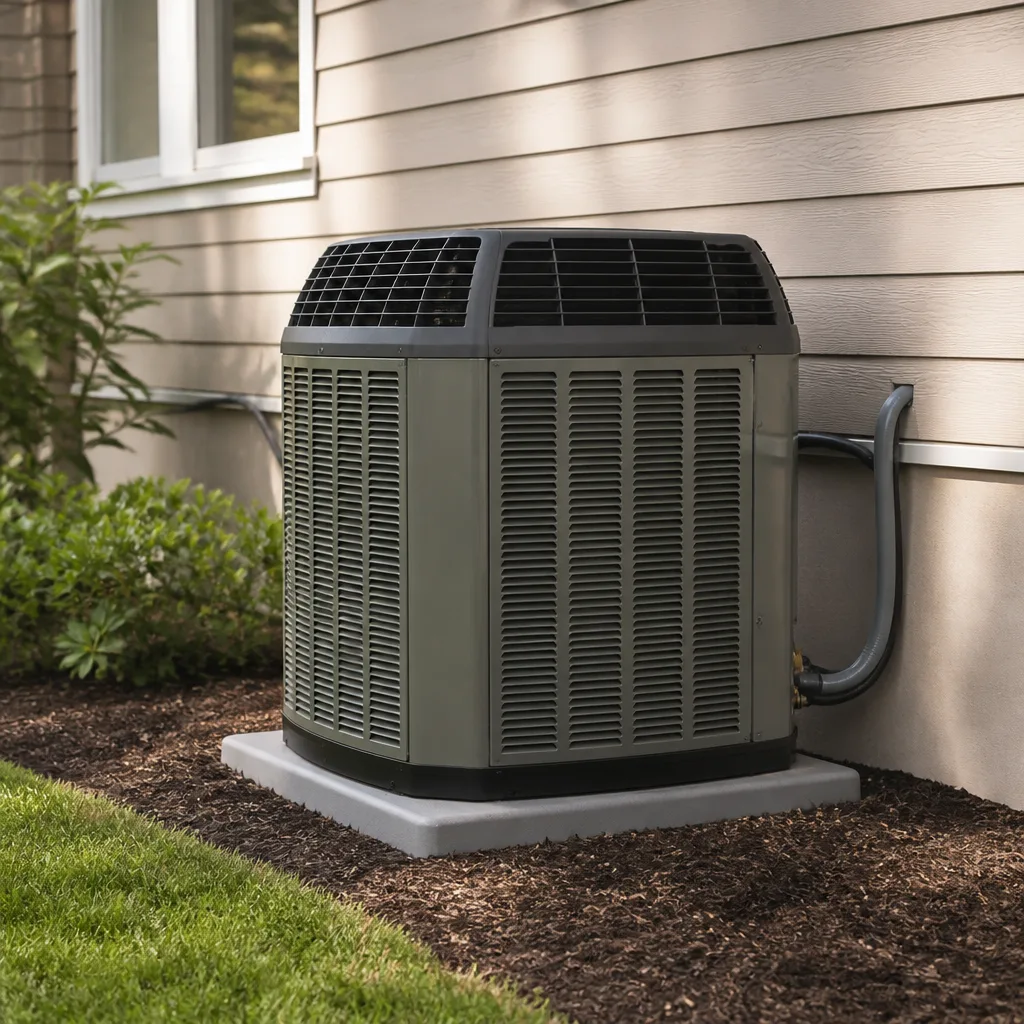
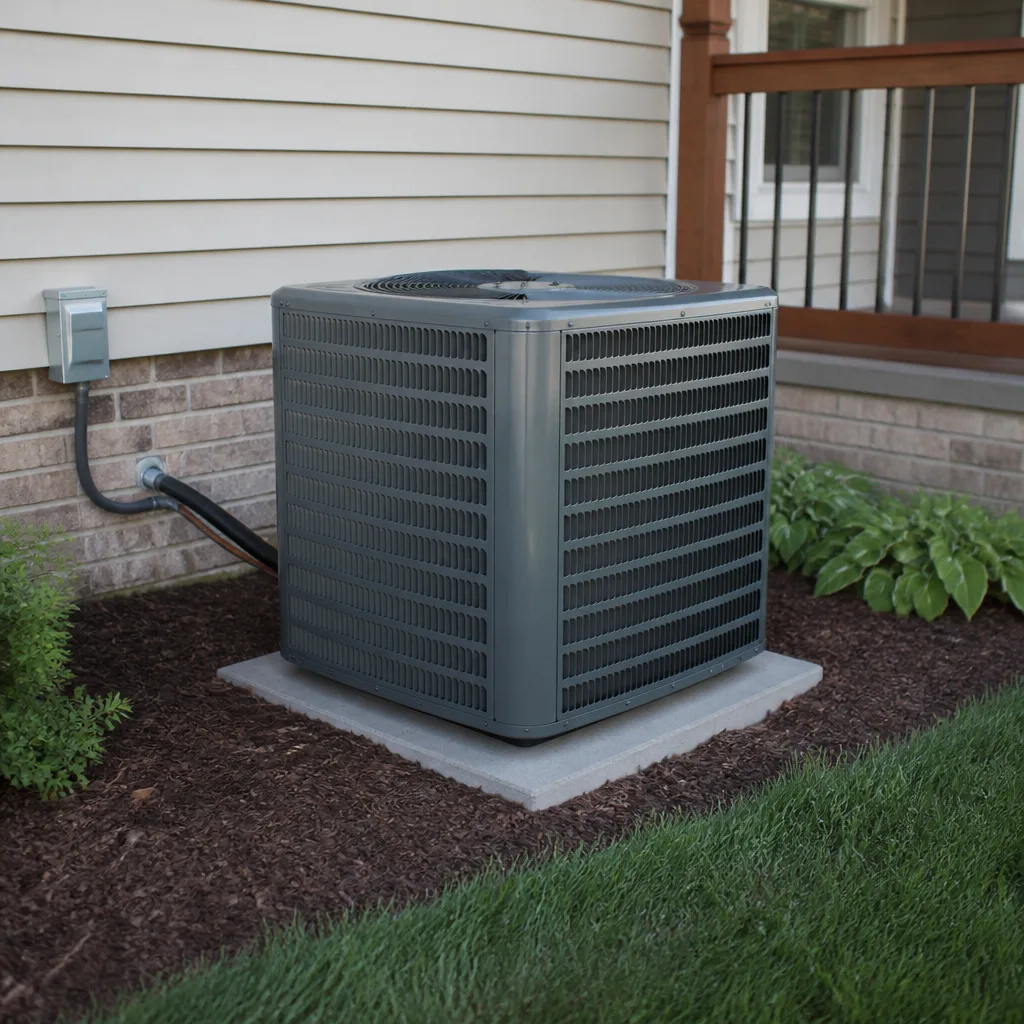
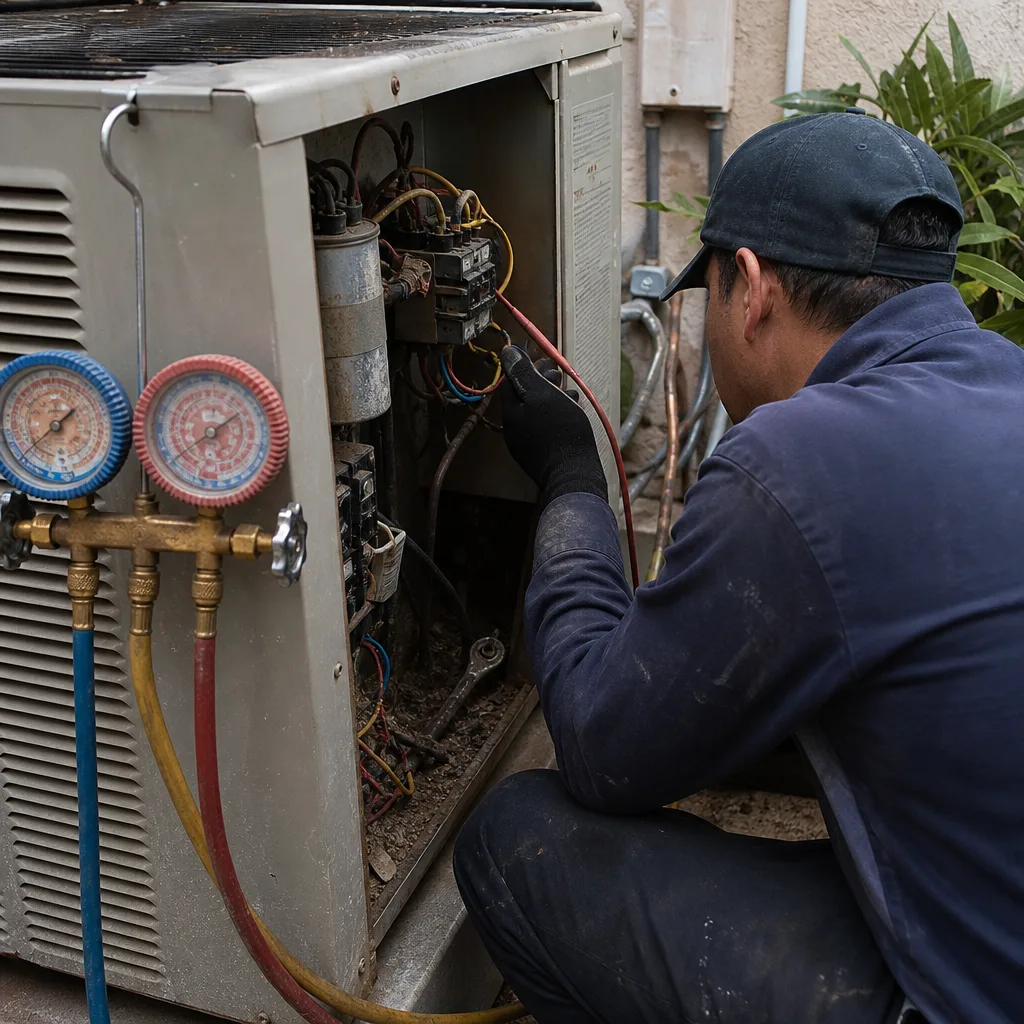 Before
 After
After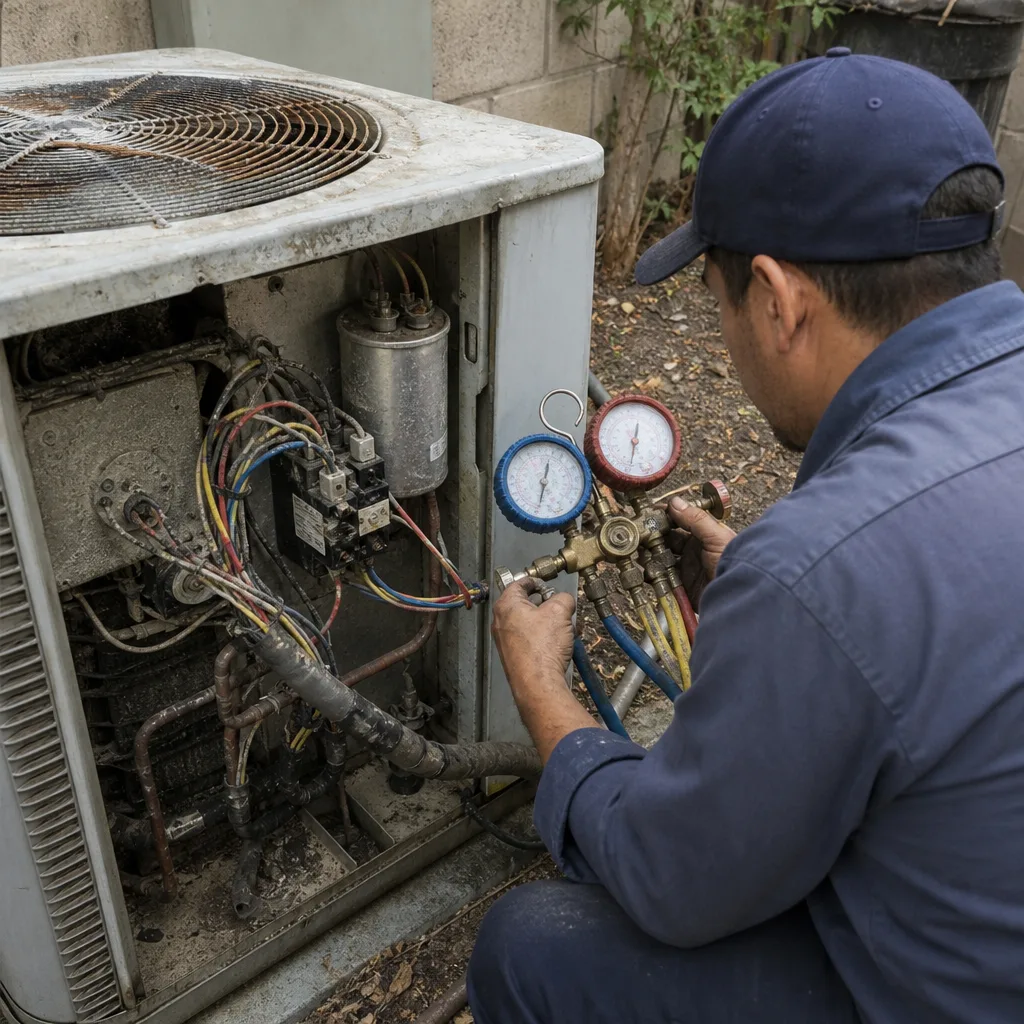 Before
 After
After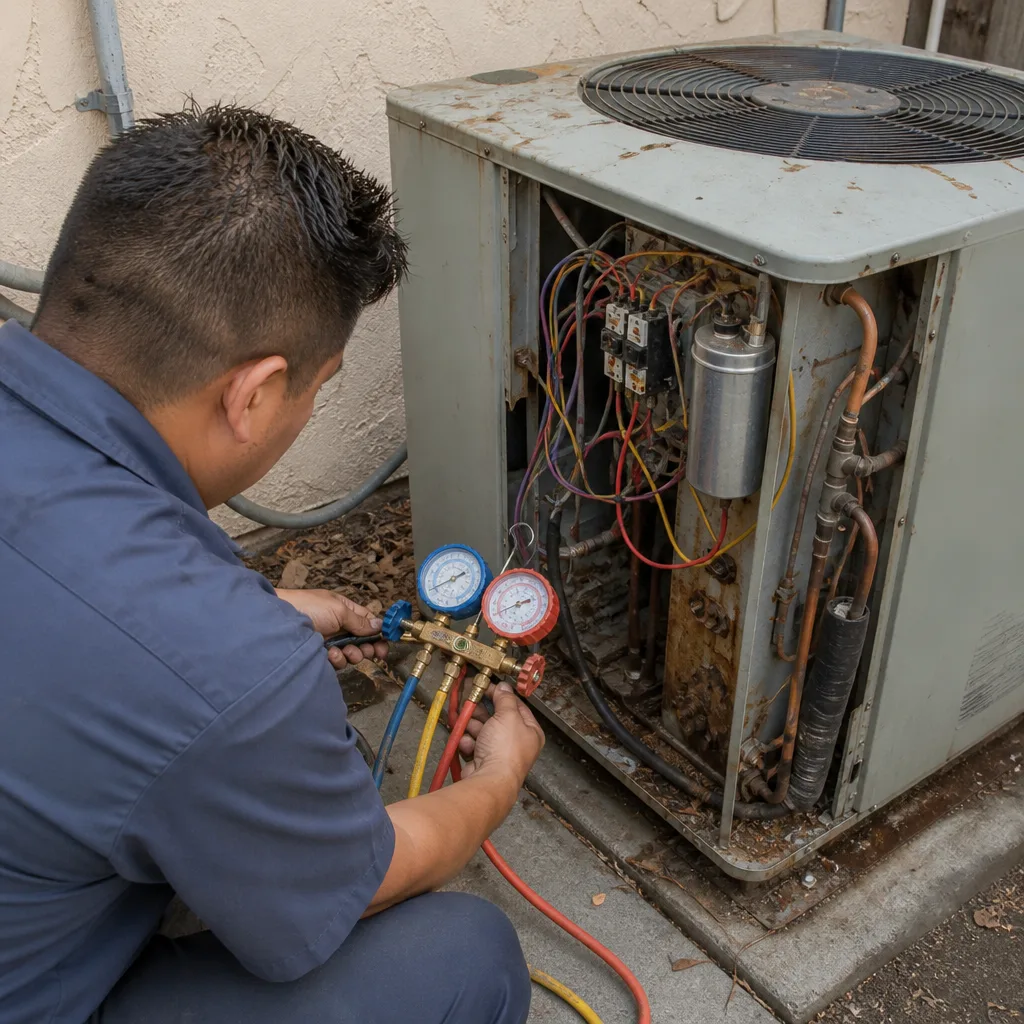 Before
 After
AfterThe Complete AC Maintenance Guide for Los Angeles Homeowners
Here’s something most national AC maintenance guides get wrong about Los Angeles: our equipment doesn’t die from overuse. It dies from shock. Your AC sits dormant for months while the marine layer keeps things cool, then a Santa Ana event pushes the Valley to 97 degrees in an afternoon. The compressor that fired up fine last October now has to go from zero to full load overnight. That start-stop pattern, repeated year after year, is harder on equipment than a Phoenix unit running continuously all summer. This guide explains how Los Angeles weather actually affects your system, what AC Maintenance services prevent the most common failures we see, and exactly what a professional visit should include.
Quick Answer
AC maintenance in Los Angeles should be performed twice per year: once in early spring (March – April) to clear marine-layer moisture damage from winter dormancy and prepare for first heat, and once in early fall (September – October) before Santa Ana wind season. A full professional visit costs $85 – $180 in the LA market and includes coil cleaning, refrigerant check, electrical inspection, and filter replacement. Coastal homes (Venice, Santa Monica, Playa del Rey) need more frequent coil cleaning due to salt air corrosion, while inland homes (San Fernando Valley, Pasadena, Glendale) need more frequent filter changes due to particulate load.
Table of Contents
- The Los Angeles AC Maintenance Calendar: Two Visits, Not One
- Marine Layer Moisture: The Silent Coil Killer
- Santa Ana Season Prep: Why October Maintenance Matters
- What a Full Maintenance Visit Should Include: A Line-by-Line Checklist
- Homeowner Tasks Between Professional Visits
- Coastal vs. Inland Los Angeles: Different Systems, Different Needs
- LA Air Quality and Your AC: Why Filters Clog Faster Here
- How Much Does AC Maintenance Cost in Los Angeles?
- Common Mistakes to Avoid
- When to Call a Professional
- Frequently Asked Questions
- The Bottom Line
The Los Angeles AC Maintenance Calendar: Two Visits, Not One
In most of the country, the standard advice is one maintenance visit per year, usually in spring. Los Angeles breaks that rule. Our climate has two distinct stress periods that require two distinct checkups. Missing either one means running your system through a season it wasn’t prepared for.
Here’s what the Los Angeles maintenance calendar actually looks like:
- Early spring (March – April): Post-dormancy startup. Your AC has been off or nearly off since November. Moisture from winter’s marine layer has settled on the evaporator coil. Dust has accumulated on the condenser fins. Electrical connections have been sitting in damp air. Before the first heat wave, a technician should inspect, clean, and verify the system runs at full capacity.
- Early fall (September – October): Pre-Santa Ana prep. This is the one most homeowners skip, and it is the one that matters most in Los Angeles. Santa Ana winds arrive with dust, dry heat, and sudden 15 – 20 degree temperature spikes. Your system needs clean coils and a clean filter to handle that load. If the capacitor is weak, the first 95-degree October day will expose it.
- Optional mid-summer check (July): For inland Valley homes that run nonstop from June through September, a quick filter change and condensate drain flush mid-summer prevents the majority of mid-season breakdowns.
In our experience, the homes that skip the fall visit end up calling for AC repair in Los Angeles during the first Santa Ana event, not before it. A known weak part is a plan. An unknown weak part is an emergency.
Marine Layer Moisture: The Silent Coil Killer
If you live west of the 405, you know the morning routine: fog, damp air, everything outside slightly wet even though it didn’t rain. That moisture isn’t just on your car windshield. It is on your condenser coil, all night, every night, for months at a time.
What happens next is chemistry. Moisture sitting on aluminum fins combines with airborne salt and particulate matter to form a slightly acidic film. That film corrodes the fins, reduces airflow through the coil, and drops your system’s efficiency by 5 – 15% over a few years. Left unchecked, it shortens the life of the condenser itself.
What we find on coastal units differs from what we find inland:
- Venice, Santa Monica, Marina del Rey, Playa del Rey: Salt-heavy air corrosion. Fins become brittle faster. Coil cleaning is the single most important maintenance task for these homes.
- El Segundo, Westchester, Culver City: Moderate marine exposure with higher soot from airport traffic. Coil fouling combined with particulate buildup.
- South Bay (Manhattan Beach, Hermosa Beach, Redondo Beach): Salt air plus warm microclimate. Systems run more in summer and face more corrosion stress.
A professional maintenance visit should include chemical coil cleaning, not just a water rinse. The film left by marine layer moisture doesn’t rinse off. It needs a proper cleaning solution designed for evaporator and condenser coils. Most Carrier and Bryant units have aluminum fins that tolerate standard commercial cleaners, but some older Lennox and Rheem coils need a gentler approach. If you’re doing any homeowner-level cleaning, plain water is safest. Never use a pressure washer.
Santa Ana Season Prep: Why October Maintenance Matters
Santa Ana winds are the most predictable weather pattern in Southern California that nobody schedules for. The National Weather Service issues red flag warnings. The humidity drops into the single digits. Temperatures spike 10 to 20 degrees above normal in a matter of hours. And your AC gets asked to do something it hasn’t done in six months: work at full capacity, continuously, in dry, dusty air.
Here’s what that actually does to equipment:
- Dry air carries more suspended particulate. The Santa Ana wind picks up dust from the high desert and pushes it into the LA basin. That dust gets pulled directly onto a wet condenser coil where it bakes into mud. We have opened condenser units during Santa Ana events and found the coil surface 60% blocked by a single afternoon’s dust load.
- Sudden heat spikes test capacitors. Capacitors degrade slowly, and a marginal capacitor will start the compressor fine on a 78-degree day. The same capacitor fails on a 95-degree October day. Fall maintenance catches this before it becomes a breakdown.
- Low humidity dries out condenser fan bearings. Most systems run in humid air most of the year in Los Angeles. Santa Ana air strips that lubrication effect away, and a dry bearing spins louder, runs hotter, and eventually seizes.
The solution is straightforward: schedule the second maintenance visit in late September or early October, before the first red flag warning. A technician can identify a weak capacitor, clean the coil, and check fan bearing play in one visit. When Santa Ana season hits, your system has already been through its preflight check. Most AC maintenance in Los Angeles plans we offer include this fall visit as a standard part of the package, not an upsell.
What a Full Maintenance Visit Should Include: A Line-by-Line Checklist
A lot of maintenance contracts in Los Angeles are thin. A guy shows up, changes a filter, sprays the outside unit with a hose, and hands you an invoice. That is not maintenance. That is a filter change with a service call fee. Here’s what a full professional visit should include, item by item, so you can verify you received what you paid for:
- Thermostat calibration check. The technician should verify the thermostat reads accurately and cycles the system correctly. If your thermostat is off by 3 degrees, your system works harder than it needs to.
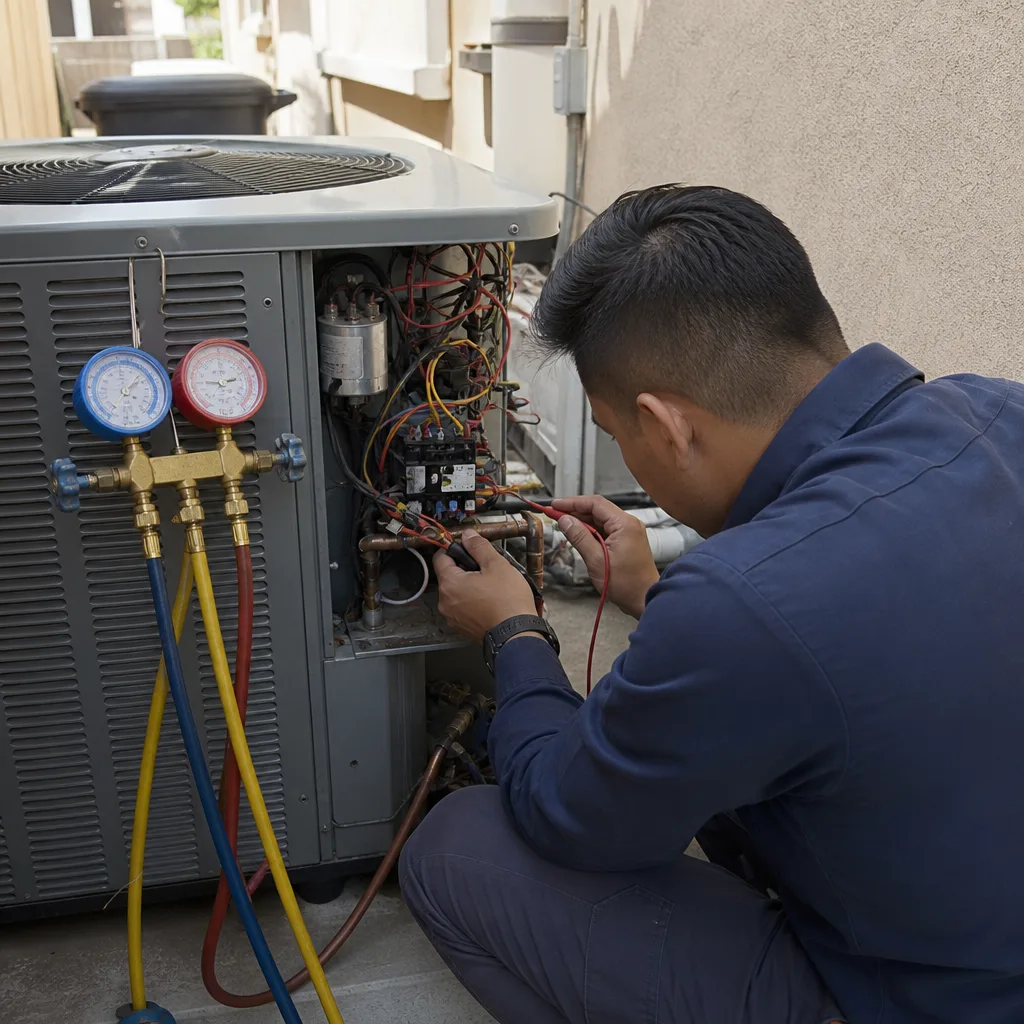
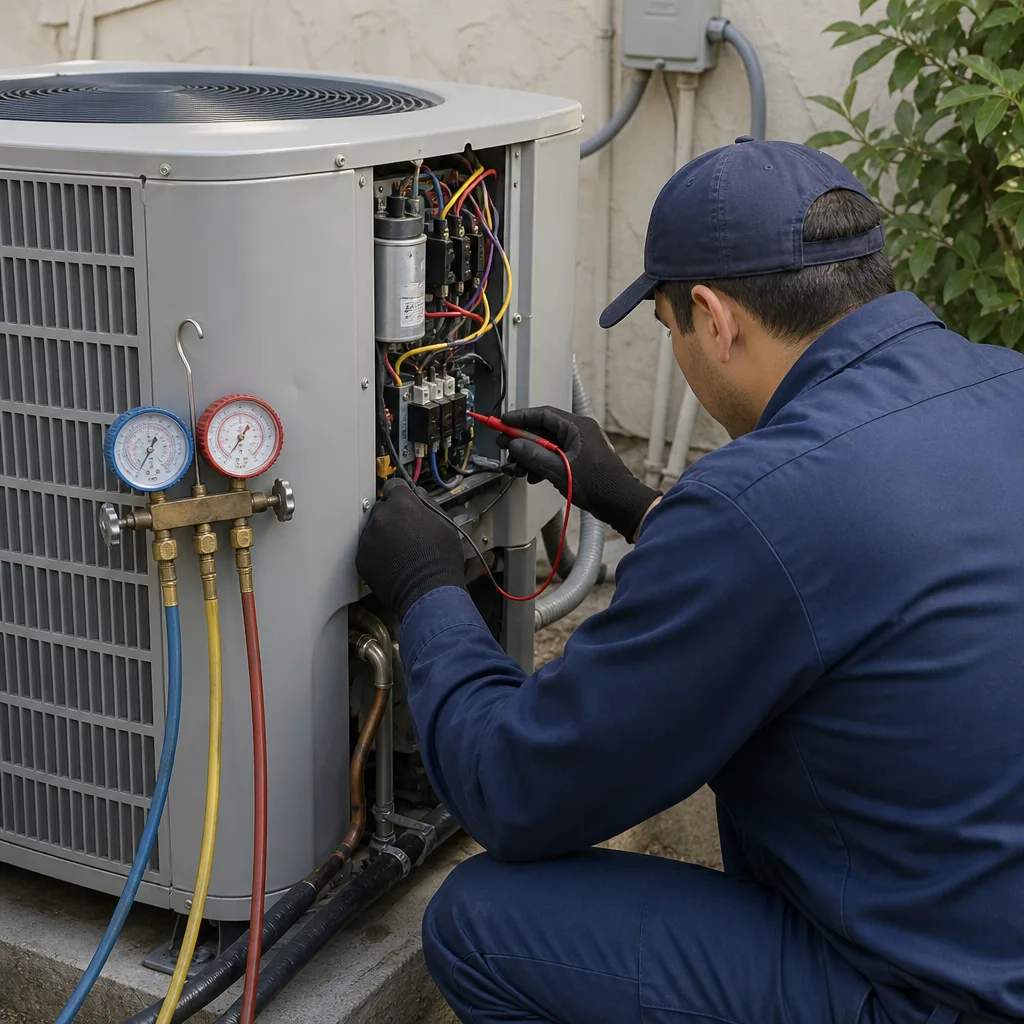
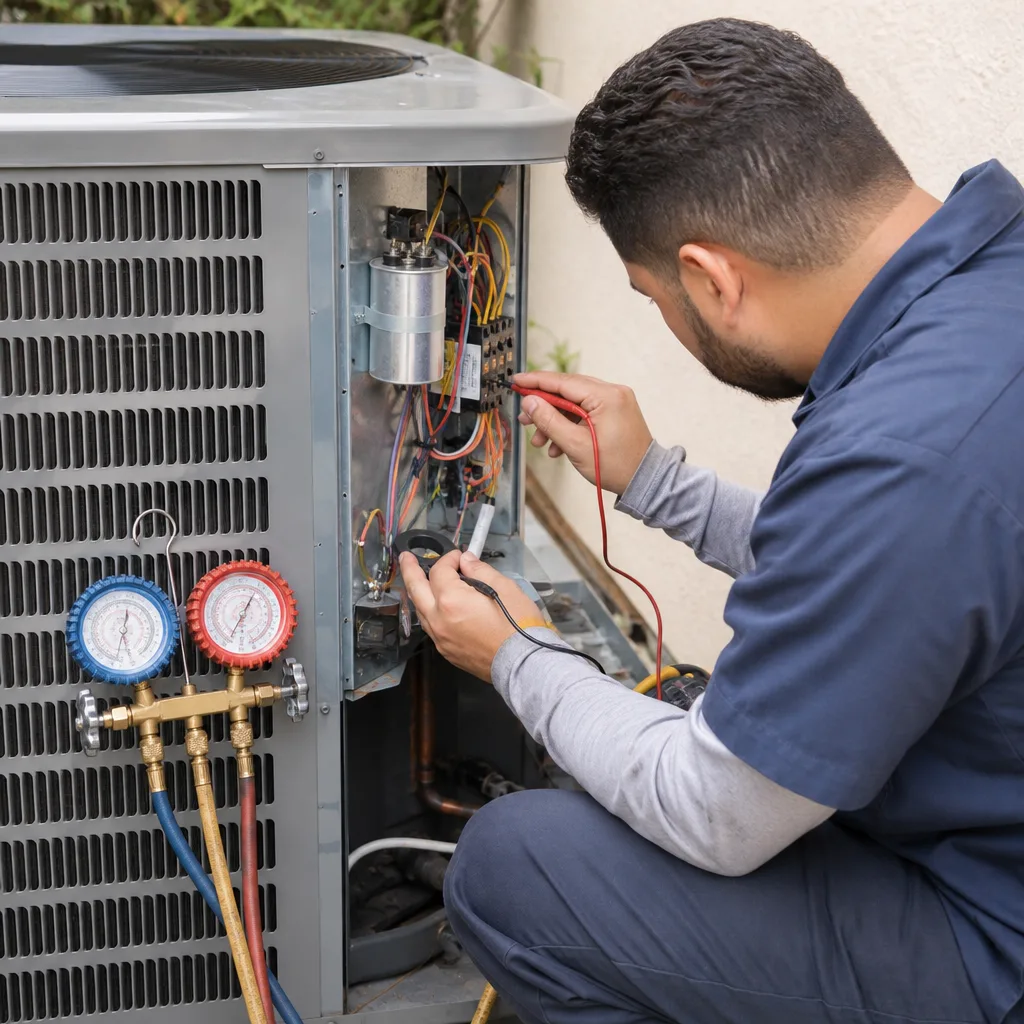
- Electrical inspection of all connections and contacts. Loose connections create resistance and heat. The technician should tighten terminal connections, inspect contactors for pitting, and test capacitors with a multimeter.
- Refrigerant level check. This is not a “top-off.” A proper check measures superheat and subcooling against manufacturer specifications. If the level is low, there is a leak that needs to be found and fixed, not just refilled.
- Evaporator coil inspection and cleaning. This is the indoor coil. It should be inspected for corrosion, mold, and blockage, then cleaned with an appropriate coil cleaner.
- Condenser coil cleaning. The outdoor coil gets brushed, chemically cleaned, and rinsed. This is where marine-layer film and Santa Ana dust settle, so it matters disproportionately in Los Angeles.
- Condensate drain line flush. The drain line carries moisture from inside the house to outside. In Los Angeles, mineral buildup in our hard water accelerates clogging. A clogged drain line causes water damage and triggers the float switch, which shuts the system down entirely.
- Blower motor and fan inspection. Blower wheel should be cleaned, fan blades checked for damage, and motor amp draw measured. High amp draw indicates a motor nearing failure.
- Air filter replacement. Not a check. A replacement. Every visit.
- System cycle test. The technician should run the system through a full cooling cycle and measure temperature differential. You should see 15 – 20 degrees between return and supply air. If you don’t, something is wrong.
- Written report. You should get a written summary of what was checked, what was found, and what was done. If a company doesn’t give you this, you paid for a visit you can’t verify.
Our maintenance visits include all ten of these items, with a written price agreed before we start and a written report when we leave. If a repair is needed that’s outside maintenance scope, we show you the cost in writing before any work begins.
Homeowner Tasks Between Professional Visits
There are things you can do yourself between professional visits that make a real difference. These are safe, simple, and don’t void manufacturer warranties. None of them involve opening the electrical panel or touching refrigerant lines.
- Check and change the air filter monthly during high-use months. In Los Angeles, that means June through October for inland homes and July through September for coastal homes. During the rest of the year, every 60 days is sufficient for most 1-inch filters. If you have pets, check more often. A dirty filter restricts airflow, which makes the evaporator coil freeze, which makes the system work harder, which shortens its life.
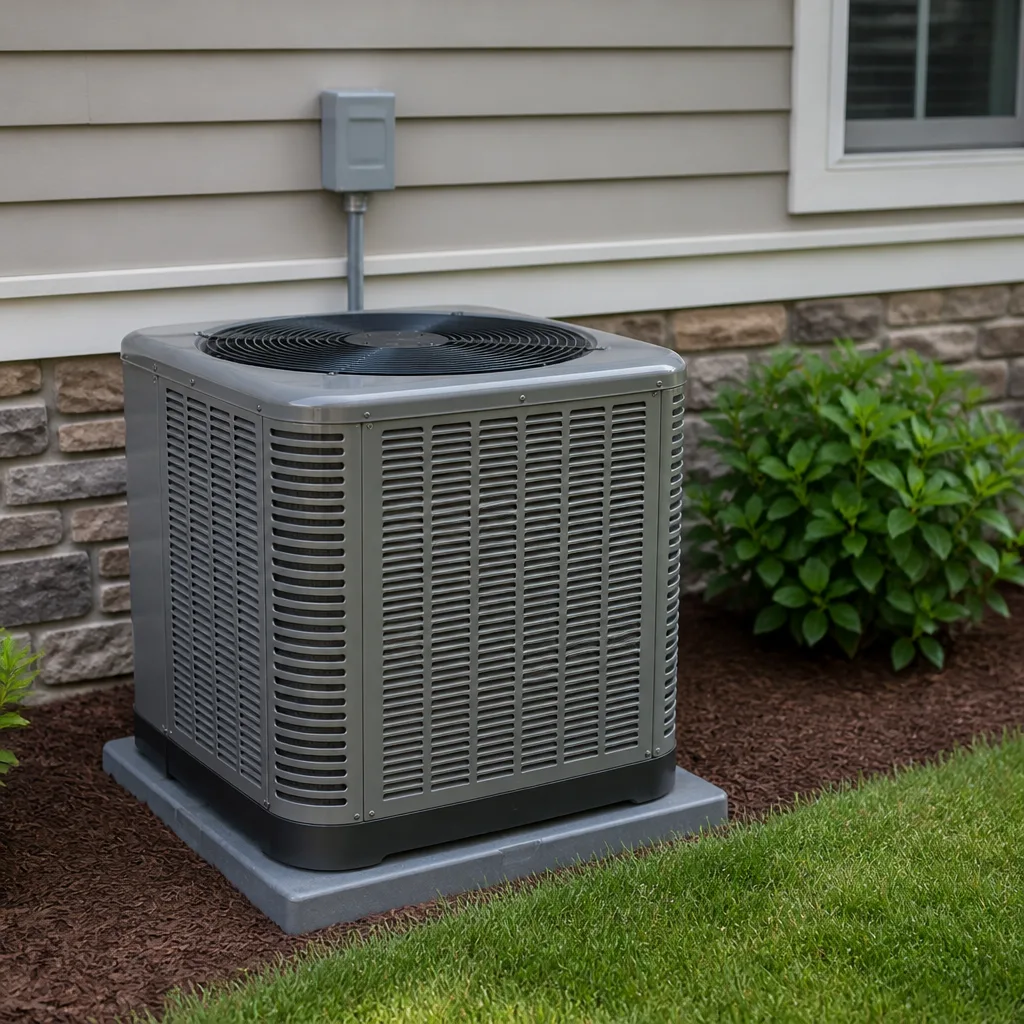
- Keep the area around the outdoor unit clear. Maintain at least two feet of clearance on all sides. Trim back plants, move stored items, and clear leaves or debris. Restricted airflow around the condenser is the fastest way to kill efficiency.
- Inspect the condenser fins visually. Look for bent fins, accumulated dirt, or anything stuck to the coil. If you see visible buildup, call for a cleaning. Do not attempt to clean the coil yourself with a pressure washer. That bends fins and drives debris deeper.
- Check the condensate drain line for signs of backup. If you see the overflow pan under your interior unit has water in it, or if water is pooling near the indoor unit, the drain is clogged. You can try clearing the line with a wet-dry vacuum on the exterior drain opening, but if that doesn’t resolve it, call a professional. A backed-up drain can overflow and wreck drywall.
- Listen. When the system runs, stand near it for a minute. You should hear a smooth hum. Clicking, grinding, squealing, or banging sounds are early warning signs. Catching a failing condenser fan bearing in March costs a few hundred dollars to fix. Catching it after it seizes in August costs more and leaves you without AC for a day or more.
- Run the system for 10 minutes once during winter dormancy. This is a Los Angeles-specific task. Units here sit idle from November through February, and seals and bearings can dry out. Running the system briefly once a month during cool weather keeps internal components lubricated and catches problems early, while the stakes are low.
Coastal vs. Inland Los Angeles: Different Systems, Different Needs
Los Angeles County contains at least five distinct microclimates, and they demand different maintenance strategies. A Venice Beach home and a Van Nuys home might be 15 miles apart, but they are functionally in different climate zones.
Coastal LA (Venice, Santa Monica, Pacific Palisades, Playa del Rey, El Segundo, the Beach Cities):
- Temperate summers, but salt-laden air year-round.
- Coils corrode here even when the AC barely runs.
- Maintenance focus: coil cleaning and corrosion prevention.
- Systems last longer mechanically but the condenser fins fail first.
- Filters stay cleaner than inland, so monthly changes are less critical.
Inland LA (San Fernando Valley, Pasadena, Glendale, Burbank, North Hollywood, Studio City):
- Hot summers with regular 95+ degree stretches, plus Santa Ana heat events.
- Systems run hard from June through October.
- Maintenance focus: refrigerant charge, capacitor condition, and filter changes.
- Filters clog two to three times faster than coastal homes due to Valley particulate.
- Compressors and capacitors fail more frequently here than anywhere else in the county.
In-between zones (West LA, Culver City, Mid-City, Silver Lake, Echo Park):
- Moderate everything: some marine influence, some inland heat, moderate particulate.
- Follow the two-visit calendar and monitor filters monthly during summer.
If you are not sure which category your home falls into, a quick rule of thumb: if you can walk to the beach in under 30 minutes, you’re coastal. If you need to get on the 405 to get there, you’re inland. Either way, the company you hire for maintenance should know the difference and adjust their checklist accordingly.
LA Air Quality and Your AC: Why Filters Clog Faster Here
Los Angeles air carries more particulate matter than most major American cities. A combination of geography (the basin traps air), traffic density, wildfire smoke events, and the port complex means the air outside your home is working against your AC year-round, not just during smog season.
What that means for your equipment:
- Filters capture more. A standard 1-inch filter rated MERV 8 in an LA inland home can be visibly dirty in 30 days during summer. National filter-change advice says every 90 days. For most Los Angeles homes, that’s twice too long.
- Wildfire smoke changes everything. During smoke events in the San Gabriel Valley and the Foothills, a filter can clog in under two weeks. We tell homeowners to check filters every two weeks during wildfire season, regardless of their normal schedule.
- Fine particulate settles on coils. What the filter misses lands on the evaporator coil. Los Angeles coils consistently show more fine-particulate fouling than national service data. Daikin and American Standard systems with microchannel coils are particularly sensitive to this because their narrower passages clog more quickly.
- Port and freeway proximity matters. Homes near the 710, the 405, or the port corridors of Long Beach and Wilmington see heavier particulate load from diesel traffic. Those systems benefit from high-MERV filters, but only if the system’s airflow can handle the additional restriction. A technician can verify this during a maintenance visit.
The fix is simple but only works if you actually do it: check your filter monthly, change it when it’s dirty, and don’t wait for a scheduled visit. Filters are cheap. Evaporator coil replacements are not.
How Much Does AC Maintenance Cost in Los Angeles?
Maintenance pricing in the Los Angeles market varies by scope, not just by company. A single maintenance visit from a reputable company typically costs between $85 and $180, depending on whether it includes chemical coil cleaning or just a basic inspection and filter change. The low-end price point almost always excludes coil cleaning, which is the single most important task for Los Angeles homes.
- Basic inspection visit: $75 – $120. Often includes filter change, visual inspection, and thermostat check. Usually does not include coil cleaning. This is not sufficient maintenance for a coastal home.
- Full maintenance visit: $120 – $180. Includes all ten checklist items above, including coil cleaning and electrical inspection. This is what most Los Angeles homes should be getting.
- Maintenance plan (two visits per year): $180 – $300 annually. Includes spring and fall visits, priority scheduling, and reduced diagnostic fees when repairs are needed. Pays for itself if it prevents even one emergency service call during a heat wave.
We write the price before any work starts, on every maintenance visit, with no exceptions. You will see exactly what is included and what it costs before we touch your system. If we find a repair, we show you the written price and get your approval before doing anything beyond the agreed maintenance scope.
For exact pricing on a maintenance visit, call Brandt HVAC home at (984) 538-9003. Estimates are free, and we’ll tell you exactly what the visit includes.
Common Mistakes to Avoid
- Skipping the fall visit. Spring maintenance gets all the attention, but the pre-Santa Ana check in September or October is the one that prevents emergency breakdowns. The first red flag event of the season is the single busiest time for AC repair calls in Los Angeles.
- Paying for maintenance that doesn’t include coil cleaning. If your maintenance visit didn’t include chemical coil cleaning, it wasn’t maintenance. Especially in coastal Los Angeles, where coil corrosion is the number one system killer.
- Using the wrong filter for the wrong reasons. High-MERV filters capture more particulate but also restrict airflow. Installing a MERV 13 filter in a system designed for MERV 8 can starve the blower and freeze the coil. Match the filter to the system’s airflow spec.
- Closing vents in unused rooms. This is common advice that’s wrong for modern systems. Closing vents raises static pressure, which restricts airflow across the coil. The system works harder and the compressor runs hotter.
- Ignoring sounds. A clicking contactor or a squealing fan is a service call that costs a few hundred dollars. The same problem, left alone for a season, becomes a compressor replacement that costs thousands.
- Waiting until the first heat wave to schedule maintenance. Every Los Angeles HVAC company is booked solid during the first 90-degree stretch. Schedule maintenance when the system is running fine, not when you’re desperate for a visit.
- Recharging refrigerant without finding the leak. Refrigerant doesn’t get used up. If a technician “tops off” the system, there is a leak. A proper fix finds and repairs the leak first, then recharges. Recharging without finding the leak means you’ll be back in the same spot next year.
When to Call a Professional
Some situations go beyond what homeowner maintenance can address, and several are urgent. If your system trips the circuit breaker more than once, that is an electrical problem, not a maintenance issue. If you see ice on the evaporator coil or refrigerant lines, the system is low on refrigerant or has an airflow restriction. If your condensate drain line is backing up despite clearing efforts, the blockage is deeper in the line. If you hear grinding or smell a burning odor, shut the system down and call immediately.
Any of these can be diagnosed during a maintenance visit if the system is still running. If the system has already stopped, that is a repair call. Brandt HVAC offers free estimates on repair and maintenance throughout Los Angeles, and every job starts with a written price before any work begins. If you need furnace repair in Los Angeles during cold months, the same written-price-and-written-guarantee standard applies. Call (984) 538-9003 to schedule a visit, and we’ll tell you exactly what we found, exactly what it costs, and exactly what we’re going to do before we do it.
Frequently Asked Questions
Twice a year: once in early spring (March – April) for post-dormancy startup, and once in early fall (September – October) before Santa Ana wind season. Los Angeles’s two distinct stress periods are why the national once-a-year advice falls short here. Call (984) 538-9003 and we’ll help you schedule both visits at once.
If the repair costs less than 30% of a replacement and the system is under 10 years old, repair almost always makes sense. If the compressor has failed and the system is over 12 years old, replacement is usually the better long-term decision. We’ll show you both options in writing, including repair cost, replacement cost, and realistic remaining life expectations, before you decide.
You can change filters, keep the outdoor unit clear, listen for unusual sounds, and run the system briefly during winter dormancy. You cannot safely clean coils, check refrigerant, or inspect electrical connections without training and equipment. Those tasks require a licensed professional.
A full system replacement in the LA market typically runs $7,500 – $14,000, depending on system size, efficiency rating, and installation complexity. Coastal homes with corrosion-resistant condenser coatings cost more. We give a written fixed price before any work begins, not an estimate range you have to worry about later.
No. In fact, most manufacturers including Carrier, Trane, Lennox, and American Standard require proof of annual maintenance to honor their warranty terms. Skipping maintenance can void your manufacturer’s warranty. Keeping maintenance records protects it.
Most maintenance visits can be scheduled within a few days during normal demand periods. During heat waves or Santa Ana events, repair calls get prioritized. We staff our phones with a live person 24/7, so you’ll get a real answer when you call, not a voicemail queue. Call (984) 538-9003 and we’ll give you an honest availability window.
The Bottom Line
AC maintenance in Los Angeles is a twice-per-year discipline, keyed to our actual weather patterns: once in spring to clear marine-layer moisture out after winter dormancy, once in fall to prepare for Santa Ana season. Coastal homes fight salt corrosion. Inland homes fight particulate and heat stress. Both need coil cleaning, electrical inspection, and filter replacement by a professional who knows which microclimate they’re working in. Homeowners can handle filters, clearance, and listening for unusual sounds between visits; find more guides & resources on our blog. Everything else should be on a written checklist with a written price before the work starts. That is how a maintenance visit actually protects your system, your warranty, and your money.
Written by Devin Marlowe, Owner at Brandt HVAC, serving Los Angeles since 2003.