
Last updated October 9, 2026
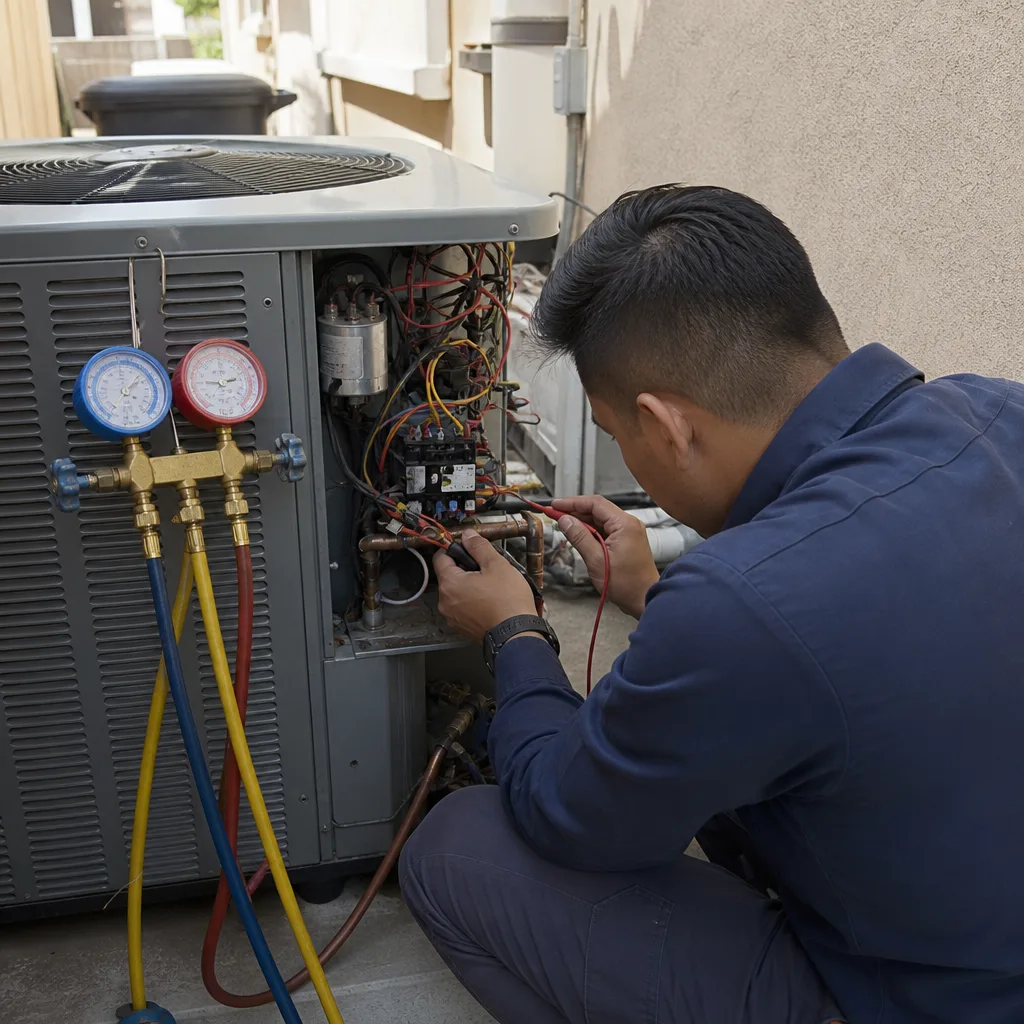
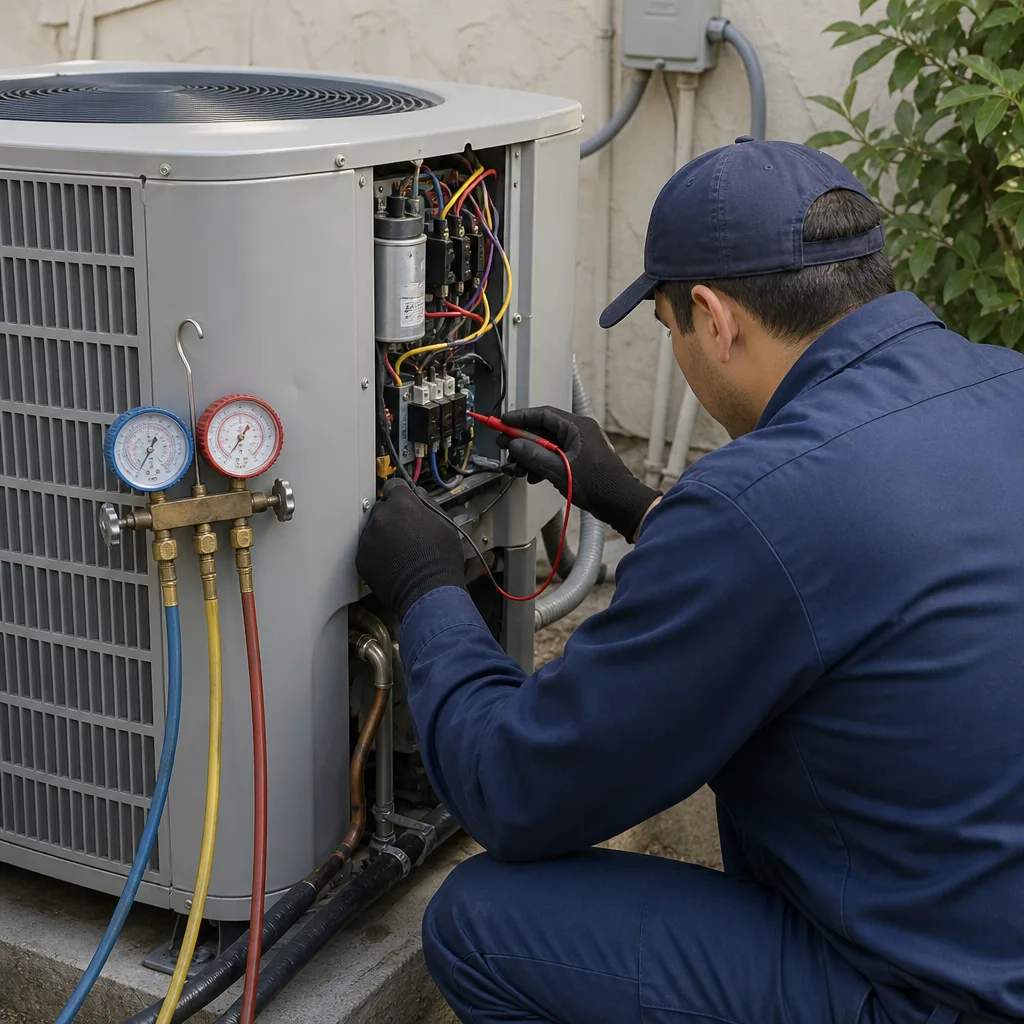
Seasonal tune-up and full diagnostic on your Carrier, Trane, or Goodman system - readings shown to you before any repair is proposed
Diagnosis first, numbers second - you approve the repair price before a single part goes in.
 Before
 After
After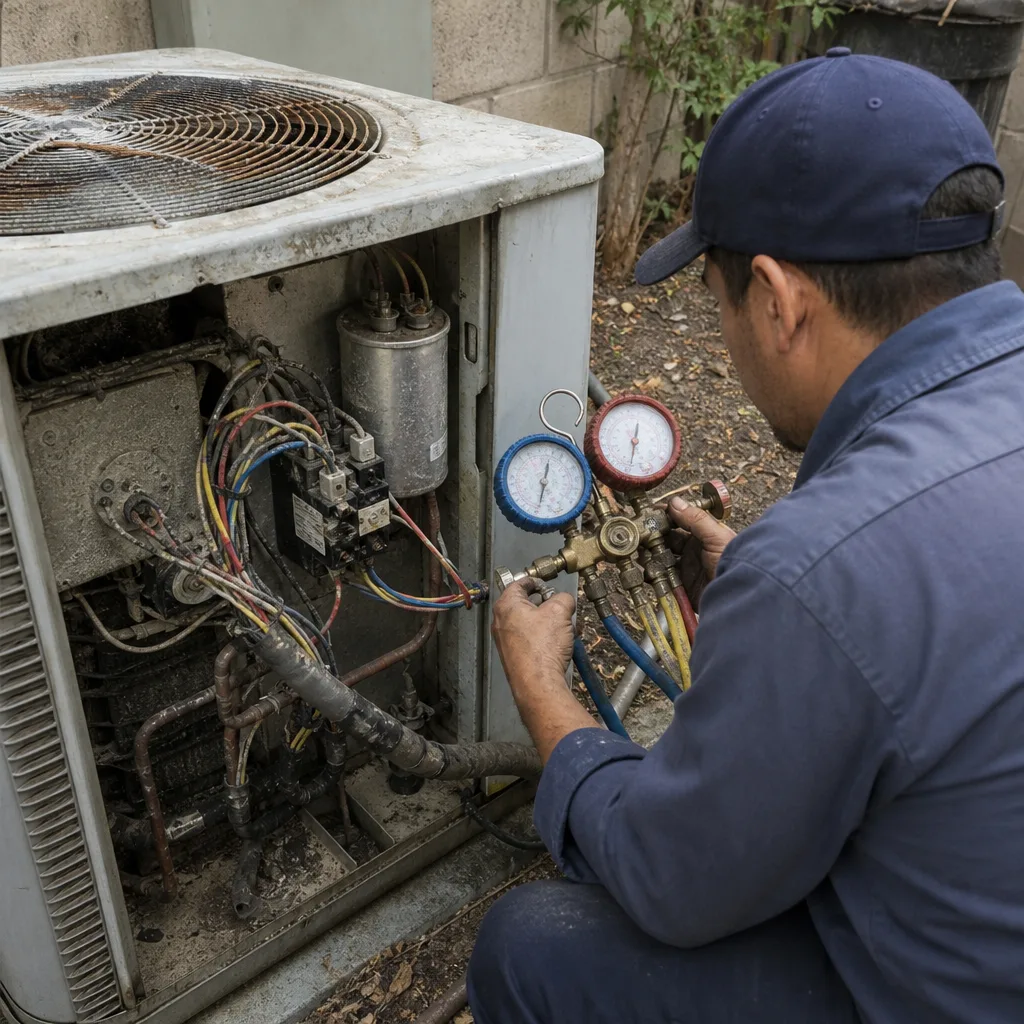 Before
 After
After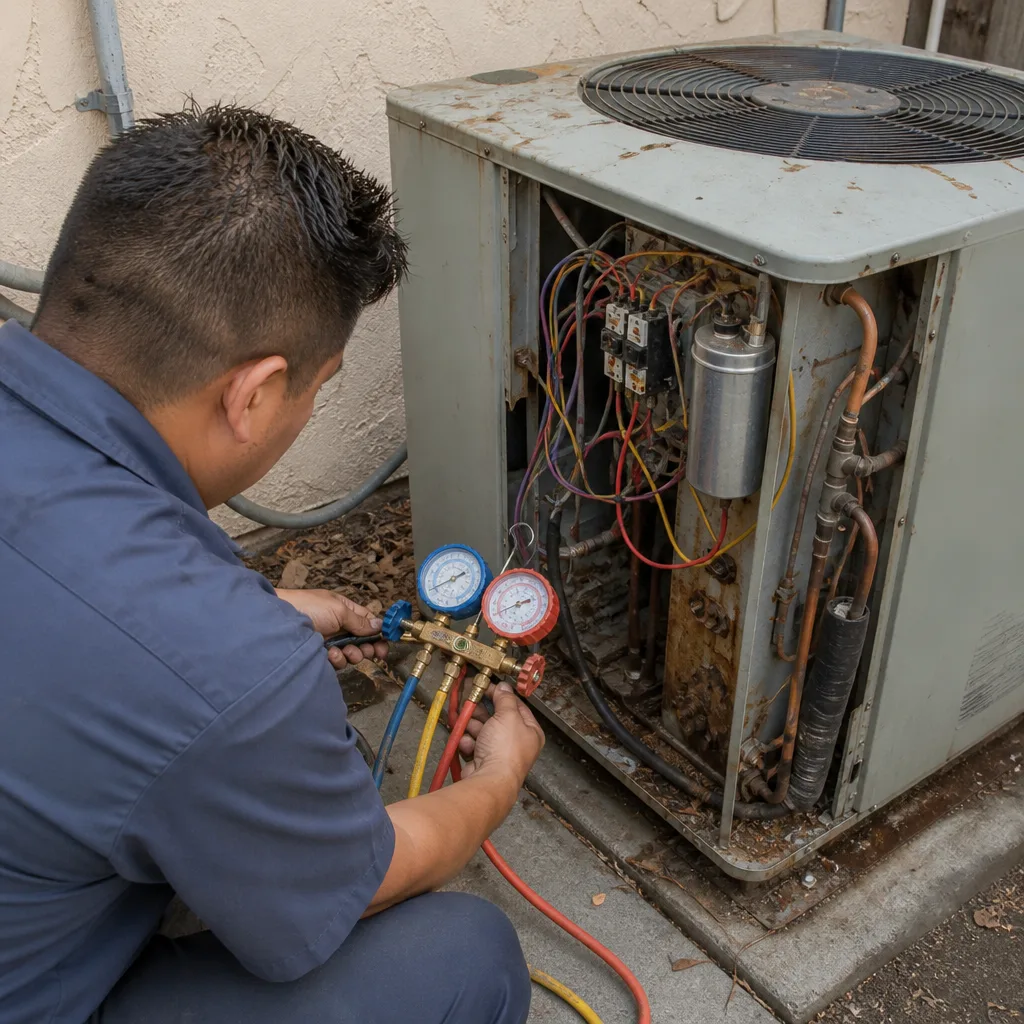 Before
 After
AfterAC Maintenance Maintenance Schedule: What to Do and When
The filter change reminder on your phone doesn’t tell you that in a dusty Los Angeles home with two dogs, you needed to change it six weeks ago. A calendar isn’t a maintenance schedule. A usage-based checklist is. Most homeowners in Los Angeles run their air conditioning from April through October, sometimes longer during heat waves that push into November. That means the generic “spring and fall” maintenance template you see everywhere online doesn’t match how your system actually works here. This guide gives you a task-by-task schedule built around real usage patterns: monthly owner tasks, annual professional service, and event-triggered maintenance that most people skip until something breaks. For AC Maintenance Warning Signs Every Homeowner Should Know, see our companion guide.
Quick Answer
An effective AC Maintenance schedule has three tracks: monthly owner tasks (filter checks, drain line inspection, clearing debris around the outdoor unit), annual professional service (coil cleaning, refrigerant check, electrical inspection, capacitor testing, full system performance verification), and event-triggered maintenance after specific events like Santa Ana winds, power outages, or long dormancy periods. Most manufacturers require annual professional maintenance to keep warranty coverage valid, so document every visit. In Los Angeles, we recommend professional service in early spring before the first heat wave, with owner-level checks monthly during peak cooling season.
Table of Contents
- Why Generic Maintenance Schedules Fail in Los Angeles
- Monthly Owner Tasks: The 15-Minute Routine
- Annual Professional Service: What Actually Happens
- Event-Triggered Maintenance: Santa Anas, Power Outages, and Dormancy
- Warranty Requirements: What Skipping Maintenance Costs You
- The Compounding Cost of Skipped Steps
- The Technician Verification Checklist
- Common Mistakes to Avoid
Why Generic Maintenance Schedules Fail in Los Angeles
Most AC repair maintenance checklists for Los Angeles homeowners assume four seasons. Los Angeles doesn’t have four seasons. We have a long cooling season, a short shoulder season, and a mild winter that sometimes gets cold enough to run a heat pump or furnace at night. A schedule that says “service your AC in spring and your furnace in fall” ignores that many Los Angeles homes run cooling systems nine months out of the year. That means your filter loads up faster, your coils collect more dust from the dry air, and your outdoor unit gets hammered by debris from Santa Ana wind events multiple times per year.
The fix is to anchor maintenance to usage patterns, not calendar dates. If your AC runs daily from April through November, you need monthly filter checks during that window, not the every-90-days recommendation you’ll find on a filter package. If a heat wave pushes temperatures past 100 in September, that’s another 30 days of heavy runtime that most homeowners forget to account for. Usage-based scheduling means checking the filter by hours of runtime, not weeks on a wall calendar. A smart thermostat can track runtime hours. So can a simple habit: check the filter on the first Saturday of every month during cooling season. That takes 90 seconds, and it’s the single most effective maintenance task a homeowner can do.
We’ve also seen how geography within Los Angeles changes the equation. Homes in the San Fernando Valley, Pasadena, and inland areas accumulate dust faster than coastal neighborhoods like Santa Monica or Playa del Rey. If your home is near a freeway, construction, or open land that kicks up dust, your filter and coil cleaning intervals need to shorten. There’s no one-size-fits-all routine, which is exactly why a generic template fails.
Monthly Owner Tasks: The 15-Minute Routine
These are tasks any homeowner can do safely. No tools beyond a screwdriver and a phone camera. Total time: about 15 minutes per month during cooling season. Skip these tasks and you’re borrowing against the lifespan of your compressor.
- Check and replace the air filter (2 minutes). Hold the filter up to a light. If you can’t see light through it, it’s done. In dusty Los Angeles neighborhoods with pets or high foot traffic, expect to replace a 1-inch filter every 30 to 45 days during peak season. A 4-inch media filter can go 3 to 4 months, but don’t trust the packaging. Trust the light test.
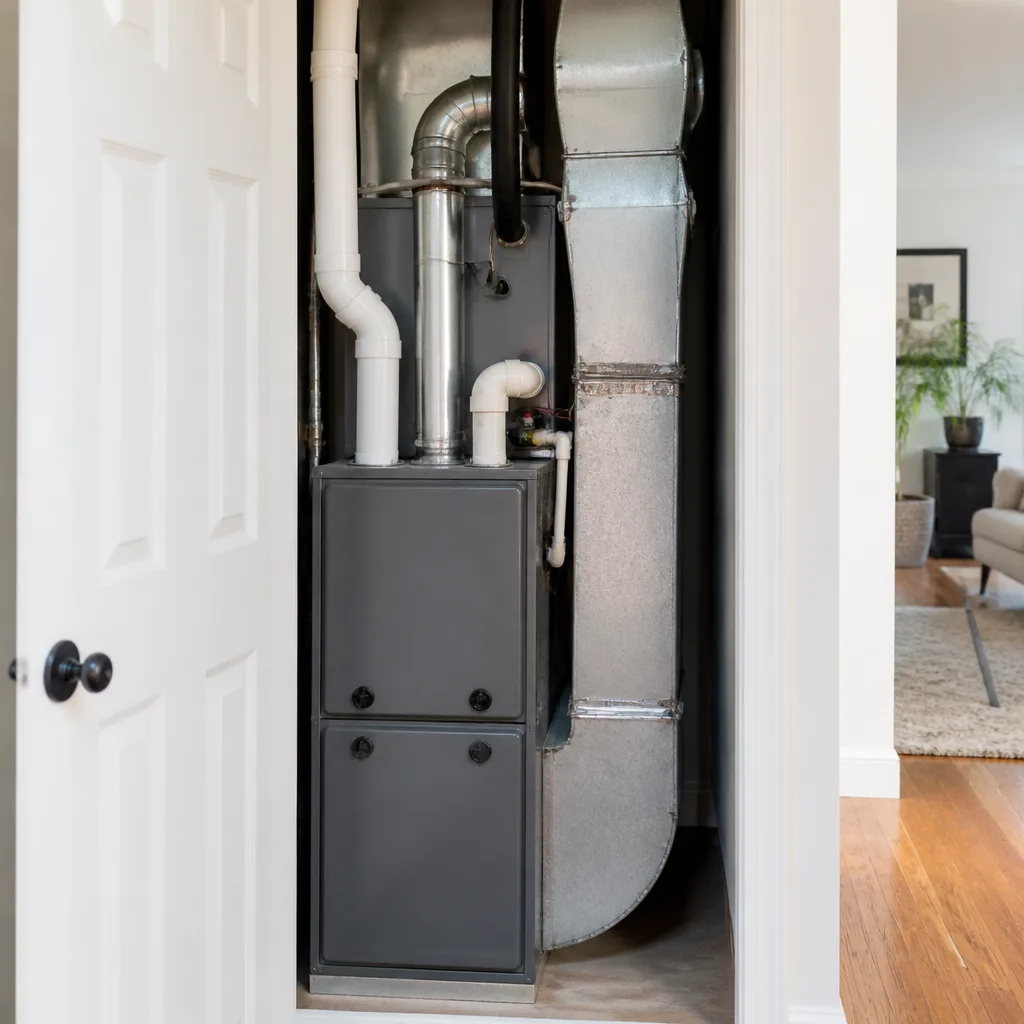
- Inspect the condensate drain line (3 minutes). Find the PVC pipe near your indoor air handler. Look for water stains, standing water, or a musty smell. Pour a cup of white vinegar down the line monthly to break up algae and sludge. In Los Angeles humidity swings, drain lines clog fast. A clogged line backs water into your home and trips a float switch that shuts your system down on the hottest day of the year.
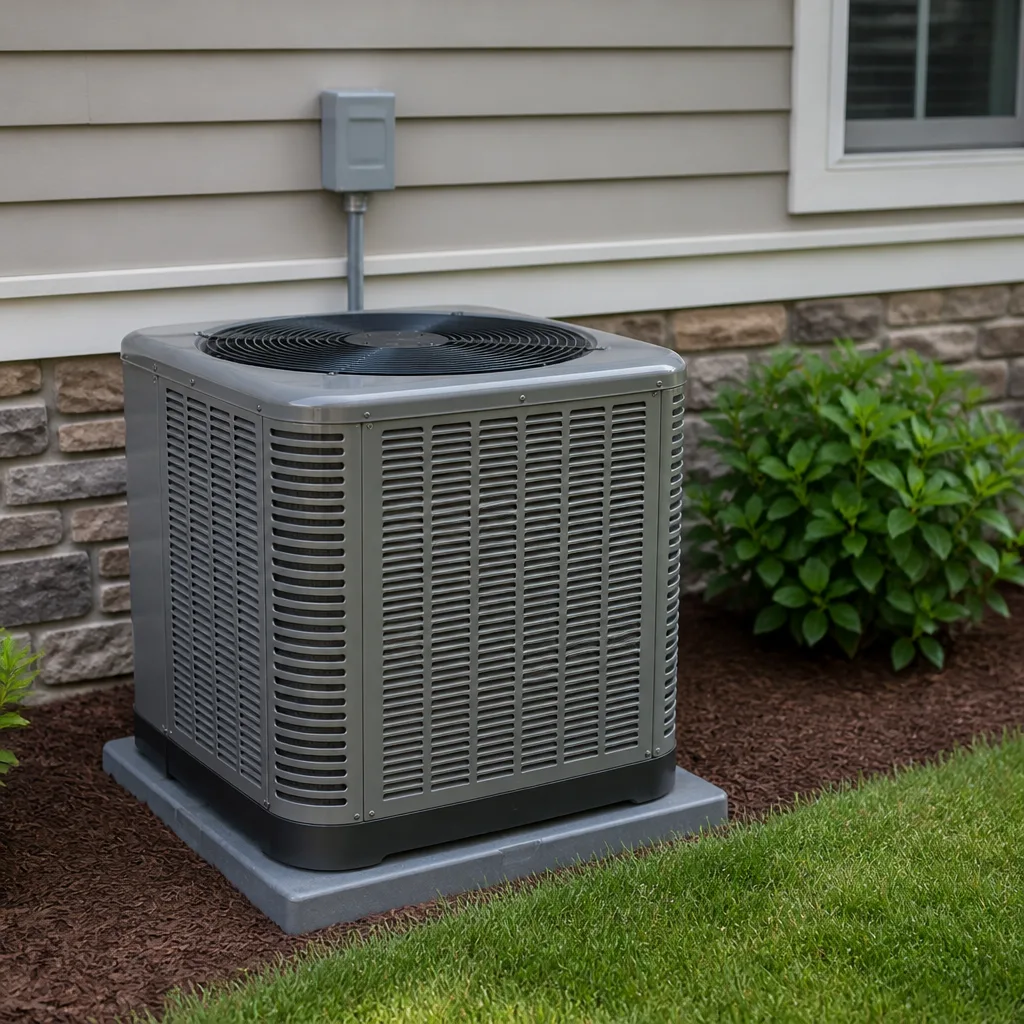
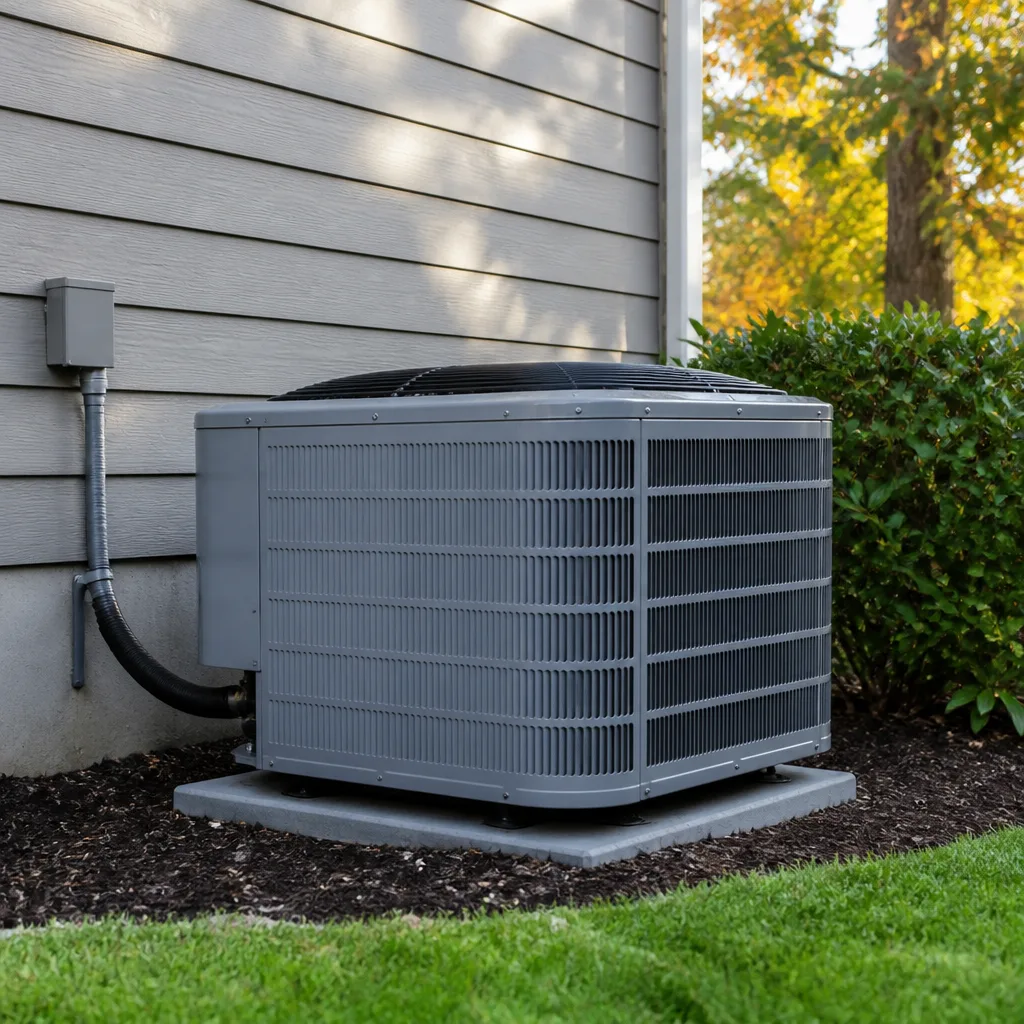
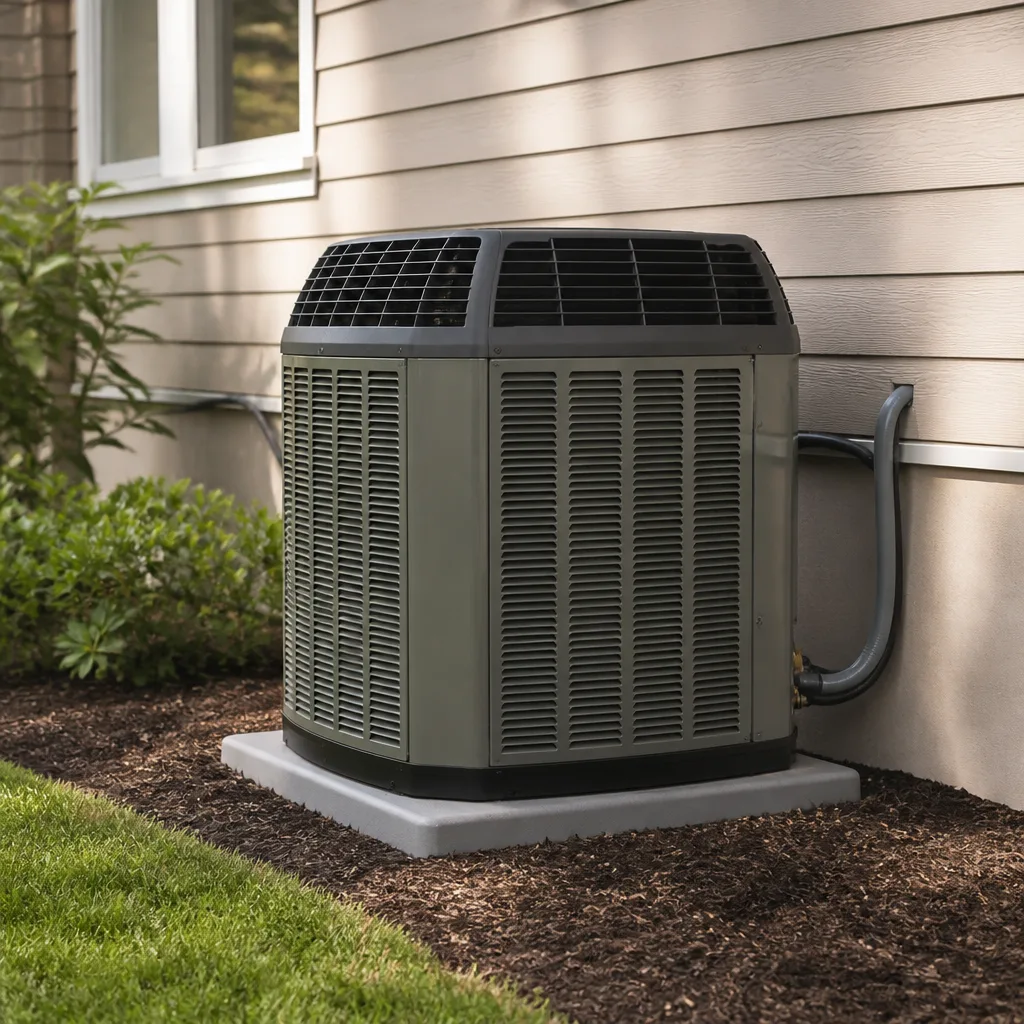
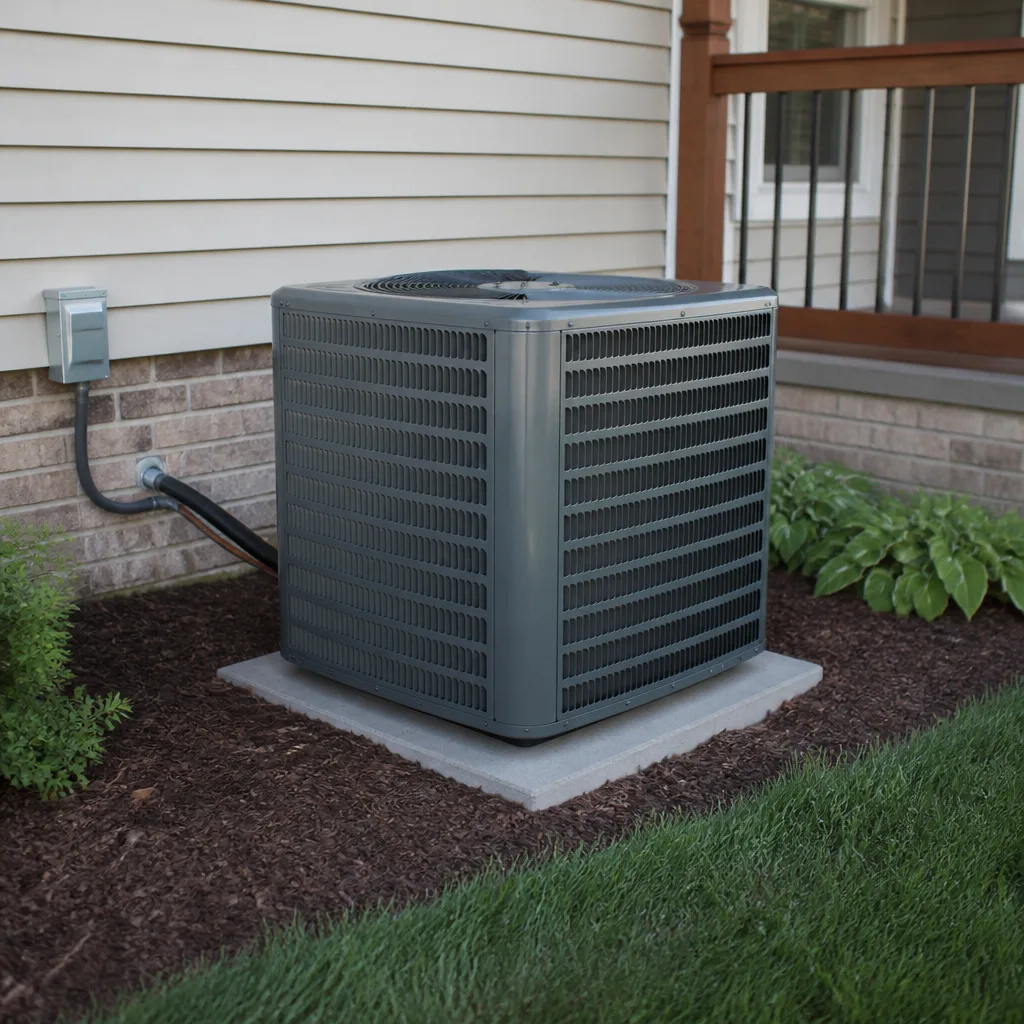
- Clear debris from around the outdoor unit (5 minutes). Keep a 2-foot clearance on all sides. Pull leaves, grass clippings, palm fronds, and anything else that blocks airflow. Los Angeles yards with bougainvillea, jasmine, and fast-growing vines will choke a condenser coil by midsummer. Trim plants back and check again after windy days.
- Listen for unusual sounds during startup (2 minutes). When the system kicks on, stand near the outdoor unit for 30 seconds. A grinding, squealing, or rattling sound is a problem now, not later. The same goes for the indoor blower. You’re listening for changes from baseline, not perfect silence.
- Check thermostat batteries and settings (1 minute). If your thermostat runs on batteries, swap them once a year and test the system after. A dead battery in July in Los Angeles is a preventable no-cool call. If you have a smart thermostat, verify the schedule still matches your actual routine. Many homeowners change schedules for a vacation and forget to revert them, running the system harder than needed.
- Glance at the outdoor coil for dirt buildup (2 minutes). If the fins look caked with gray fuzz or you can’t see the metal through the debris, the coil needs cleaning. Don’t spray it with a garden hose at full pressure. That bends the fins. Call for a professional coil cleaning with the right chemicals and rinsing method.
One thing we tell every homeowner in Los Angeles: write the date on the filter when you install it. It sounds trivial, but six weeks from now you won’t remember when you changed it last. The date on the filter frame is the simplest documentation system there is.
Annual Professional Service: What Actually Happens
Once a year, a professional maintenance visit handles the tasks that require training, tools, and safe handling of electrical and refrigerant components. In Los Angeles, the right time is early spring, typically March or April, before the first sustained heat wave hits. This gives you time to address any issues before you’re relying on the system daily.
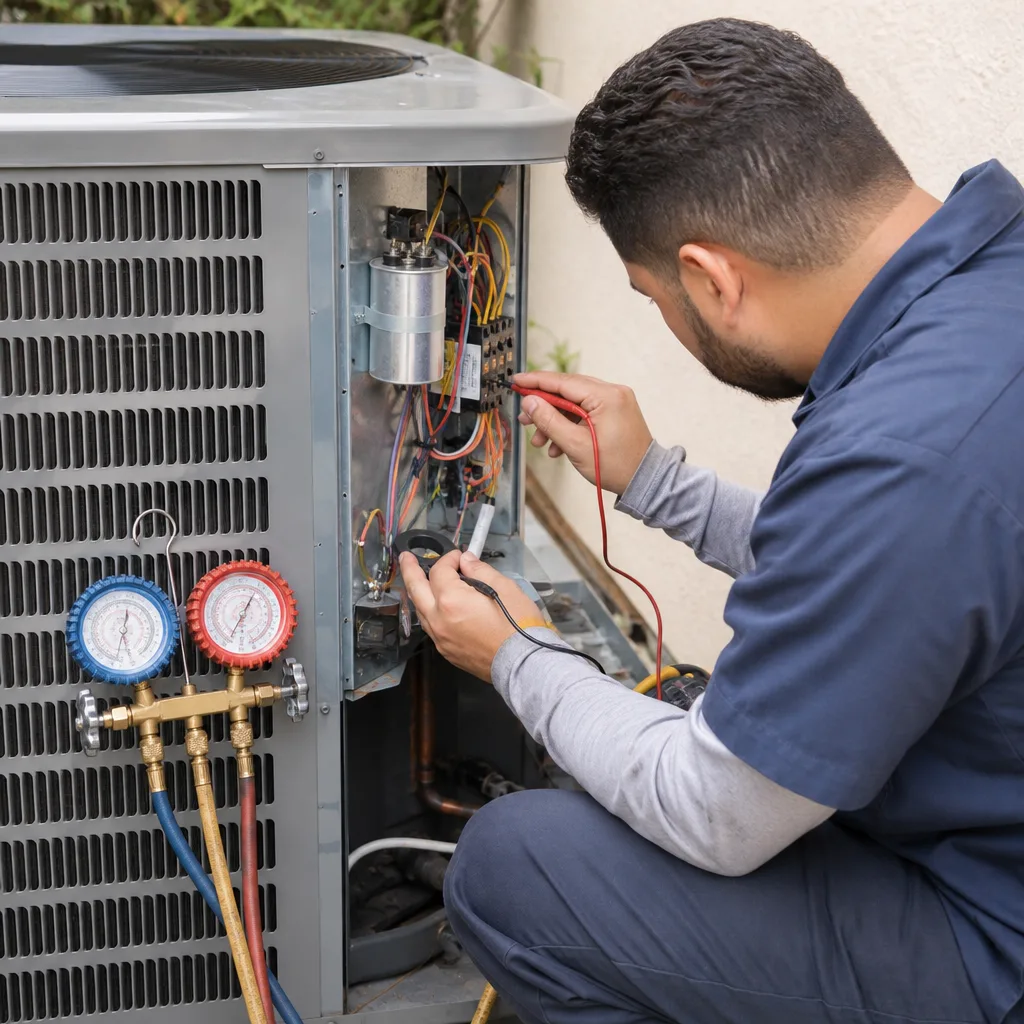
A complete professional maintenance visit should take 60 to 90 minutes. Here’s what a thorough visit covers, in the order a competent technician works through it:
- Thermostat calibration and function check. The technician verifies the thermostat reads room temperature accurately and commands the system correctly through cooling, fan, and off cycles.
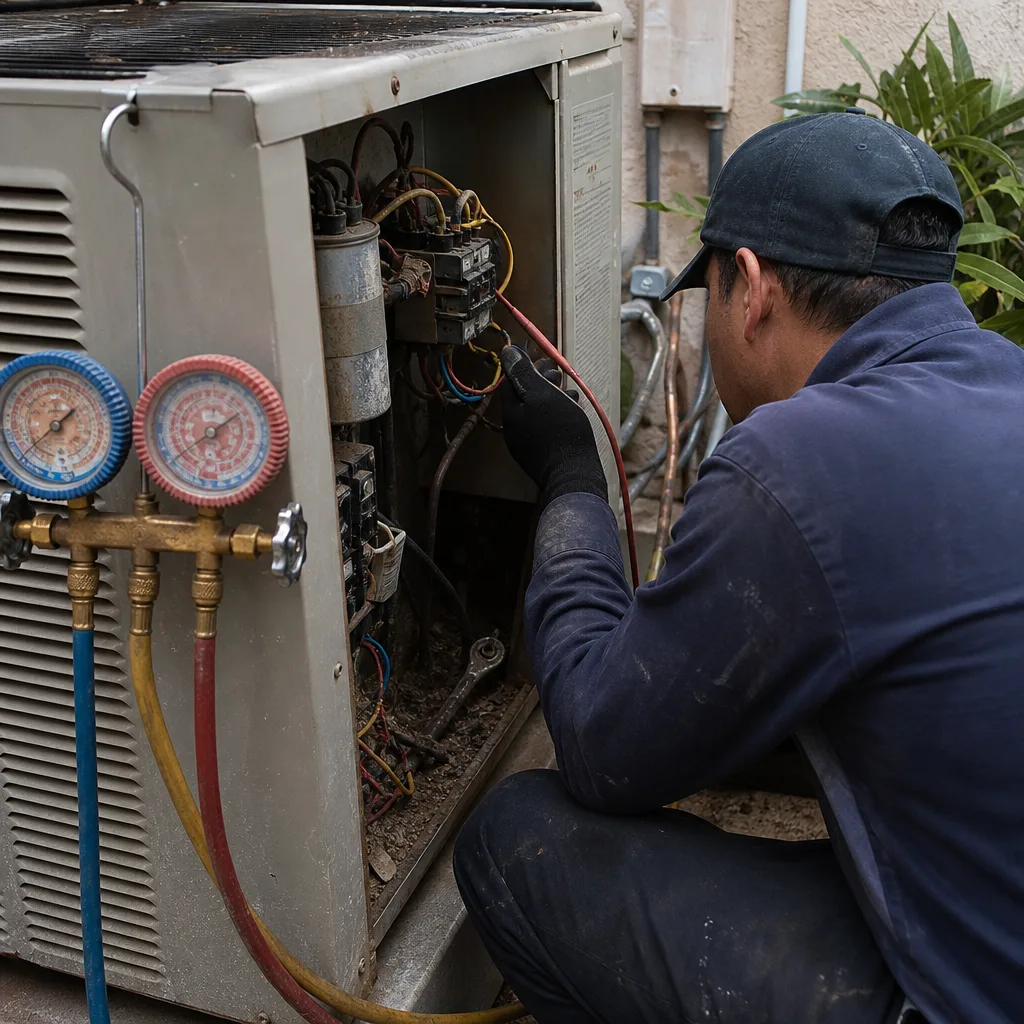
- Electrical inspection and tightening. Loose connections cause arcing, heat, and component failure. The technician tightens all connections at the contactor, capacitor, and terminal blocks, and tests voltage and amperage draw against manufacturer specs.
- Capacitor testing. The capacitor is the little cylinder that gives the compressor and fan motor a starting jolt. In Los Angeles heat, capacitors fail frequently. A technician tests microfarad readings. If the value sags below 10% of rated spec, replacing it now costs $150 to $250. Waiting until it fails means a no-cool call on a 105-degree day, often at emergency rates.
- Refrigerant level check. Low refrigerant means a leak, and leaks don’t fix themselves. A technician checks superheat and subcooling values against the manufacturer’s charging chart. If the level is low, the leak needs to be found and repaired. Simply topping off refrigerant without finding the leak is against EPA rules and a waste of your money.
- Coil cleaning, both indoor and outdoor. Dirty coils reduce heat transfer and force the compressor to work harder. A technician cleans the outdoor condenser coil with a proper coil cleaner and rinses the indoor evaporator coil if accessible. In Los Angeles, where dust and smog accumulate on coils, this step alone can drop your cooling bill 5 to 15%.
- Condensate drain cleaning and flush. The technician clears the line, flushes it with water or a mild cleaning agent, and verifies the float switch works if your system has one.
- Blower motor and fan inspection. The technician checks the blower wheel for dust buildup and the motor for wear, lubrication needs, and proper airflow. Low airflow is the single most common cause of frozen coils in Los Angeles homes with restricted ducts or dirty blowers.
- Duct and plenum check. A visual inspection for disconnected ducts, crushed flex runs, and leaks at the plenum connection. Leaky ducts can waste 20 to 30% of conditioned air.
- System performance test. The technician measures the temperature drop across the coil. A healthy system delivers 15 to 20 degrees of cooling between the return and supply. Anything less signals an airflow or refrigerant problem.
At Brandt HVAC, every maintenance visit ends with a written report of what was measured, what was cleaned, what was adjusted, and what the technician recommends for next year. You should expect the same from any company you hire. If a technician can’t tell you the microfarad reading on your capacitor or the temperature split across your coil, they didn’t do a real maintenance.
Event-Triggered Maintenance: Santa Anas, Power Outages, and Dormancy
Some maintenance tasks can’t go on a calendar because the events that require them don’t happen on a schedule. Los Angeles has specific environmental events that should trigger immediate action. Here are the three big ones:
After a Santa Ana Wind Event
Santa Ana winds blow dry, dusty air through Los Angeles canyons and neighborhoods, sometimes for days at a time. That dust ends up in two places: your filter and your outdoor coil. After a significant Santa Ana event, walk outside and look at your condenser. If you can wipe a layer of dust off the top with your finger, the coil needs attention. Change the filter sooner than your normal interval. For homes in wind-prone corridors like the foothills of the San Gabriel Valley, the Inland Empire passes, and canyon communities, these events can cut filter life in half.
After a Power Outage
Power outages in Los Angeles happen during heat waves when the grid strains, and they can damage AC components. When power flickers or drops, the compressor can short-cycle, which stresses the capacitor and contactor. After any outage longer than a few minutes, run the system and listen. If the outdoor unit hums but the fan doesn’t spin, or if the system trips the breaker, you’ve got a damaged capacitor or contactor. These are $150 to $350 repairs, but only if you catch them before the compressor burns out trying to start against a failed component.
After a Long Dormancy Period
If you shut your system down for a month or more, whether for travel or a mild winter, run it for 30 minutes and check for odd smells, sounds, or water. Dust settles in the blower and on the coil during dormancy. A musty smell on startup means mildew in the evaporator or drain pan, and that’s a sign the drain line or coil needs cleaning before you run the system for a full season.
Warranty Requirements: What Skipping Maintenance Costs You
Here’s the part most maintenance guides skip: your AC warranty is conditional. Manufacturers including Carrier, Daikin, Bryant, and American Standard all state in their warranty documentation that failures caused by lack of proper maintenance are not covered. That means if your compressor fails and you can’t show maintenance records, the manufacturer can deny a $1,500 to $2,500 compressor warranty claim and leave you with the full bill.
Most residential AC warranties have two parts:
- Parts warranty: Typically 5 to 10 years on the compressor and major components. Some brands offer 10-year parts coverage if you register the system within 60 to 90 days of installation. Unregistered systems often drop to a 5-year base warranty.
- Labor warranty: Usually 1 to 2 years, and it comes from the installing contractor, not the manufacturer. After that, labor is on you even if parts are covered.
What documentation do manufacturers actually require for a warranty claim? In practice, this usually means:
- Proof of purchase and installation date. Your invoice or contract from the installation counts.
- Warranty registration confirmation. If you bought a new system and didn’t register it, do it now. You may still be able to register late, depending on the brand and how much time has passed.
- Annual maintenance records. A receipt or work order from a licensed HVAC contractor showing the date of service and the work performed. A homeowner’s log of filter changes helps, but a professional maintenance record is what holds up in a dispute.
- Proof that repairs were made promptly. If a small problem becomes a big one because you kept running a failing system, the manufacturer may attribute the damage to neglect rather than a defect.
The takeaway: one skipped annual maintenance may not void your warranty automatically, but a pattern of neglect documented by a manufacturer’s inspector will. In 20 years of service calls across Los Angeles, we’ve seen compressor claims denied because the homeowner couldn’t produce a single maintenance record in eight years of operation. Don’t be that homeowner.
The Compounding Cost of Skipped Steps
Every maintenance task you skip has a cost. The costs stack. Here’s the chain reaction that plays out across Los Angeles every summer:
A $15 filter that should have been changed in June runs through July and August plugged solid. The blower motor strains against restricted airflow, drawing higher amperage and running hotter. The evaporator coil ices up because there’s not enough warm air moving across it. The ice melts, water overflows the drain pan, and now you’ve got water damage plus a frozen coil. The compressor, starved of airflow and refrigerant return, runs hot. By September, the compressor windings degrade. Next summer, it fails. The repair bill: $300 for a coil cleaning, $400 for a blower motor, or $1,200 to $2,500 for a compressor replacement. All from a $15 filter.
In our experience across Los Angeles, the most common repair pattern is a failed capacitor that takes out the contactor that damages the compressor. Three components, three separate failures, one cause: years of running hot and dirty. A capacitor replacement catches the problem for $200. A compressor replacement after the cascade costs ten times that.
The same logic applies to the condensate drain line. A $15 bottle of vinegar poured down the line monthly prevents algae and sludge. Skip it for a season, and a $150 drain clearing becomes a $1,000 ceiling repair when the line clogs and water backs up into your drywall.
The Technician Verification Checklist
When a maintenance tech finishes, you should know exactly what was done. Here’s a checklist you can hand to any HVAC technician in Los Angeles before a maintenance visit. If they look confused, find another company.
- Capacitor reading: “What is the microfarad reading on the run capacitor, and how does it compare to the rated value?” A healthy reading is within 10% of spec.
- Temperature split: “What is the temperature drop across the coil?” A healthy system shows 15 to 20 degrees of cooling between the return and supply.
- Refrigerant levels: “What are the superheat and subcooling readings, and do they match the manufacturer’s charging chart?” If the technician can’t answer, they didn’t check.
- Drain line condition: “Did you flush the condensate drain line and test the float switch?” You want a yes and a yes.
- Coil condition: “Did you clean the outdoor coil and inspect the indoor evaporator coil?” The answer should include what they found and what they did about it.
- Electrical connections: “Did you tighten all electrical connections and check the contactor for pitting?” A pitted contactor is a future failure point.
- Airflow measurement: “What is the static pressure or airflow reading on the blower?” You want a number, not a shrug.
At Brandt HVAC, we train our technicians to expect these questions and to answer them in plain language. A homeowner who asks these questions gets a better maintenance visit, and a technician who can answer them is a technician doing the job to standard.
Common Mistakes to Avoid
- Trusting the filter package’s “90 days” claim. That rating assumes low dust, no pets, and moderate runtime. In Los Angeles with daily summer cooling, a 1-inch filter often needs replacement every 30 to 45 days. Use the light test, not the calendar.
- Closing supply vents in unused rooms. This increases static pressure and reduces airflow across the coil. The system works harder to cool less space, which drives up energy use and strains the blower.
- Running the system after it starts making noise. A grinding or screeching sound is a component failing. Every hour of runtime after that sound starts is an hour of additional damage to surrounding parts.
- Skipping maintenance in year one of a new system. Homeowners assume a new unit doesn’t need service. It does. New systems develop loose electrical connections as they settle, and the first annual check catches problems that would otherwise snowball.
- Hosing down the outdoor coil with a garden hose. High water pressure bends the aluminum fins, reducing airflow and making the problem worse. Coil cleaning needs the right chemicals and a controlled rinse.
- Buying a filter with too high a MERV rating. A MERV 13 filter may sound better, but it restricts airflow on systems not designed for it. Most residential systems are built for MERV 8 to 11. Anything higher can freeze the coil.
- Not documenting maintenance. If you can’t prove the system was maintained, the manufacturer can deny a warranty claim. Keep every invoice and work order in a folder, even if it’s just digital photos on your phone.
When to Call a Professional
Some maintenance tasks are owner-level. Others need a licensed pro. Call for professional service if you see any of these: the system runs but doesn’t cool, the outdoor unit makes a humming sound but the fan doesn’t spin, you see ice forming on the copper lines or indoor coil, the breaker trips when the AC kicks on, water is leaking from the indoor unit, or the system hasn’t been professionally maintained in over 12 months. For step-by-step help, see our AC Maintenance Troubleshooting: Common Problems and How to Fix Them. Electrical and refrigerant work is not DIY territory. A mistake with a capacitor or a refrigerant line can cause serious injury or destroy the compressor. Brandt HVAC offers free estimates in Los Angeles for any of these situations. Call (984) 538-9003 and a live person will answer, 24/7.
Frequently Asked Questions
During cooling season, check a 1-inch filter every 30 days and replace it when you can’t see light through it. Homes with pets, dust-prone locations like the Valley or foothill neighborhoods, or daily runtime may need replacement every 4 to 6 weeks. A 4-inch media filter typically lasts 3 to 4 months, but verify with the light test rather than trusting the package.
In Los Angeles, a professional annual maintenance visit typically costs $120 to $250, and it’s the single most effective thing you can do to prevent a mid-summer breakdown and protect your warranty. The cost is less than a single emergency service call, and it extends the life of a system that may otherwise need replacement years earlier.
Owner-level tasks include filter replacement, drain line vinegar flushes, debris clearing around the outdoor unit, and visual inspections. Anything involving refrigerant, electrical components, coil cleaning, or performance testing needs a licensed technician with the right tools and training. Never attempt to open the electrical panel or handle refrigerant lines yourself.
Schedule professional maintenance in early spring, typically March or April, before the first sustained heat wave arrives. This gives you a window to fix any issues before you depend on the system daily. Many Los Angeles homeowners also schedule a quick check before an expected heat wave if the system hasn’t run in a while.
The system doesn’t fail immediately. It degrades. Filters clog, coils collect dust, capacitors weaken, and the compressor runs hotter. Eventually a component fails, often during a heat wave when the system is under maximum strain. The repair is more expensive than years of maintenance would have been, and if the failure is traced to neglect, the manufacturer can deny warranty coverage.
Ask for the numbers: capacitor microfarad reading, temperature split across the coil, refrigerant superheat and subcooling values. A thorough technician can provide these measurements and explain what they mean. A vague “everything looks good” without any data means the visit was a visual glance, not a real maintenance. Call (984) 538-9003 if you want a maintenance visit that includes a full written report.
The Bottom Line
An AC maintenance schedule only works when it matches how you actually use your system. For more guides & resources tailored to Los Angeles homeowners, visit our blog. In Los Angeles, that means monthly owner-level checks during a long cooling season, annual professional service before the heat arrives, and event-triggered attention after Santa Anas, power outages, and dormancy periods. The tasks are simple, the time commitment is small, and the alternative is a cascade of failures that starts with a $15 filter and ends with a $2,500 compressor. Document everything, ask for real numbers from your technician, and don’t treat maintenance as optional if your warranty matters to you.
Written by Devin Marlowe, Owner at Brandt HVAC, serving Los Angeles since 2003.