
Last updated October 9, 2026
Seasonal tune-up and full diagnostic on your Carrier, Trane, or Goodman system - readings shown to you before any repair is proposed
Diagnosis first, numbers second - you approve the repair price before a single part goes in.
 Before
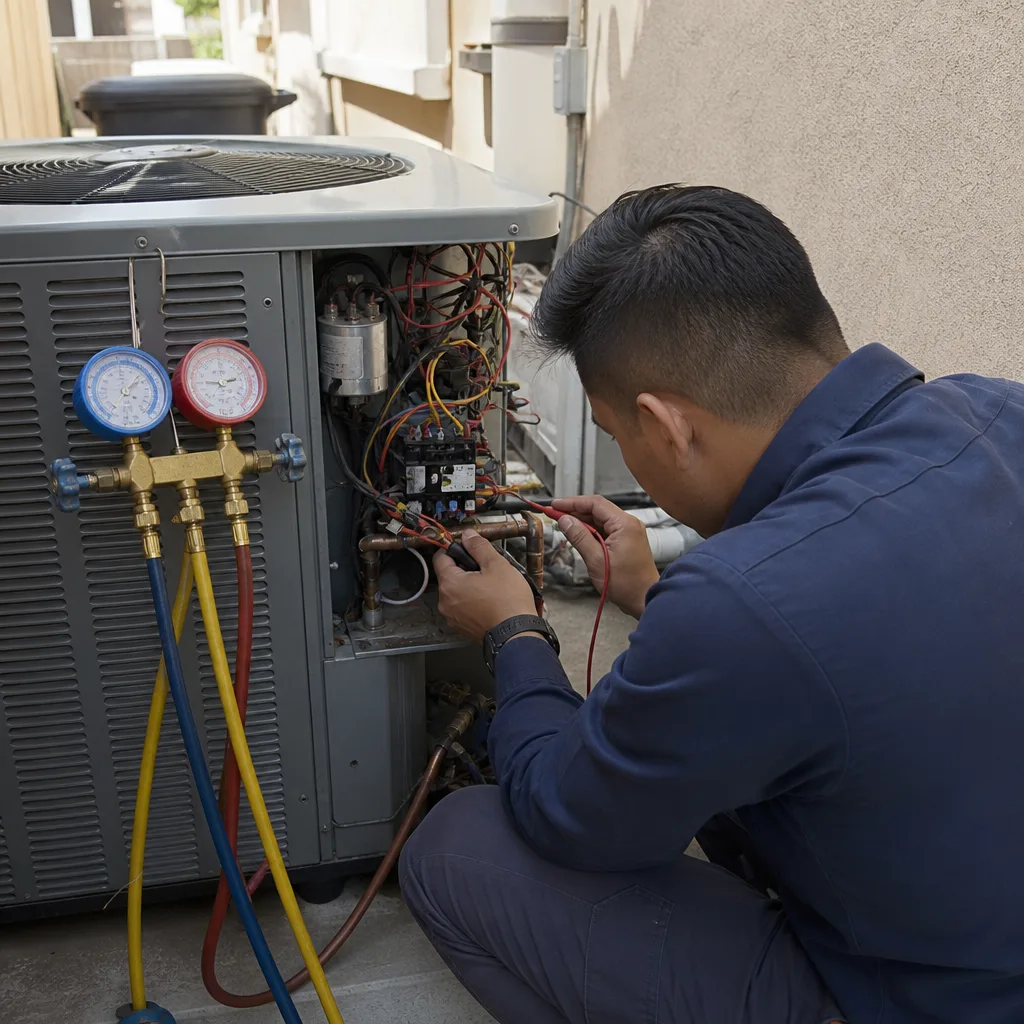 After
After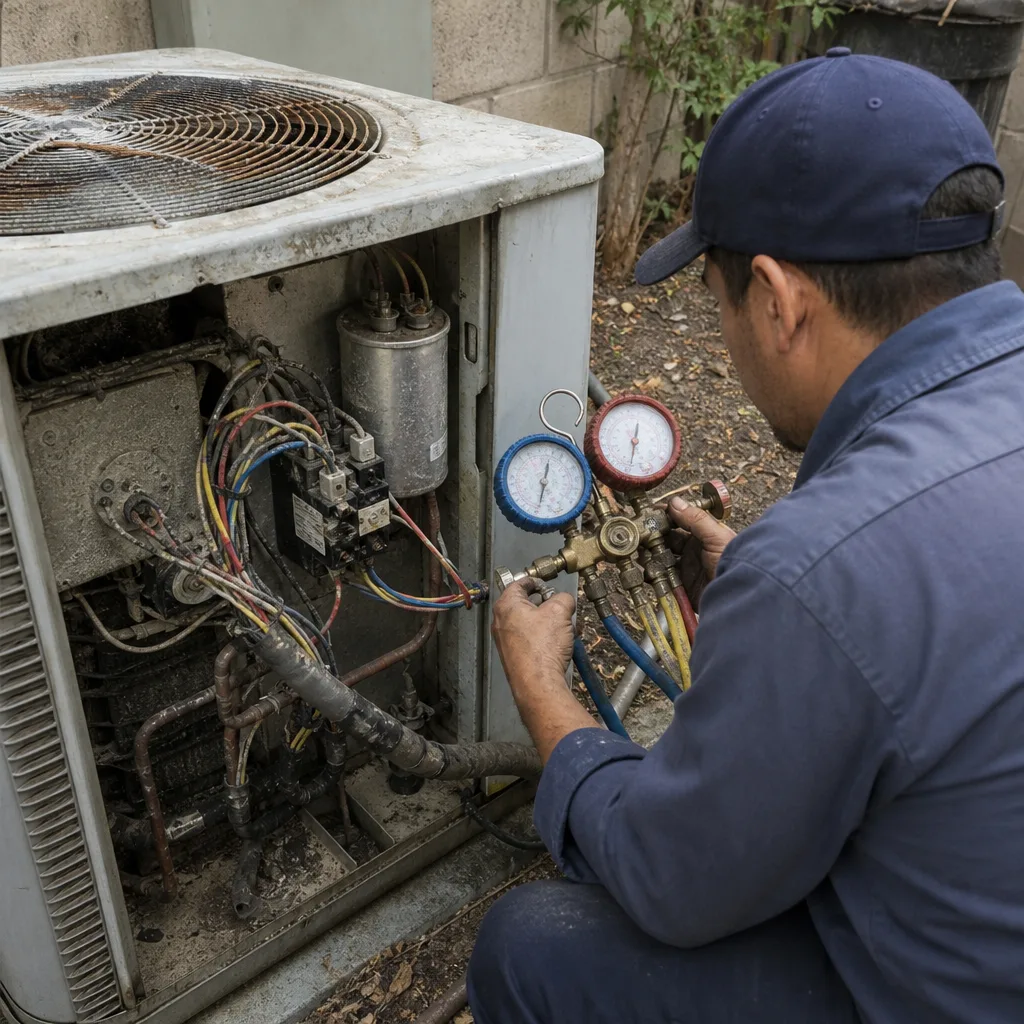 Before
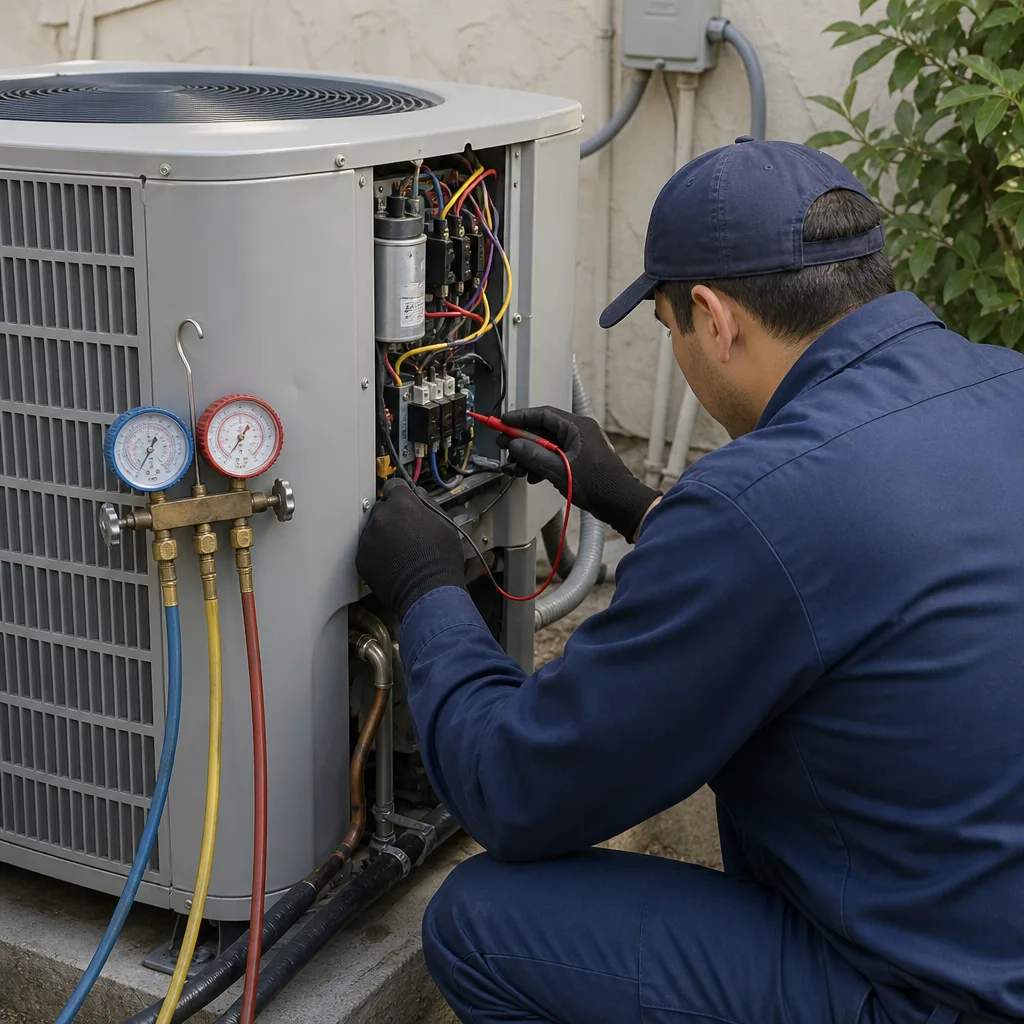 After
After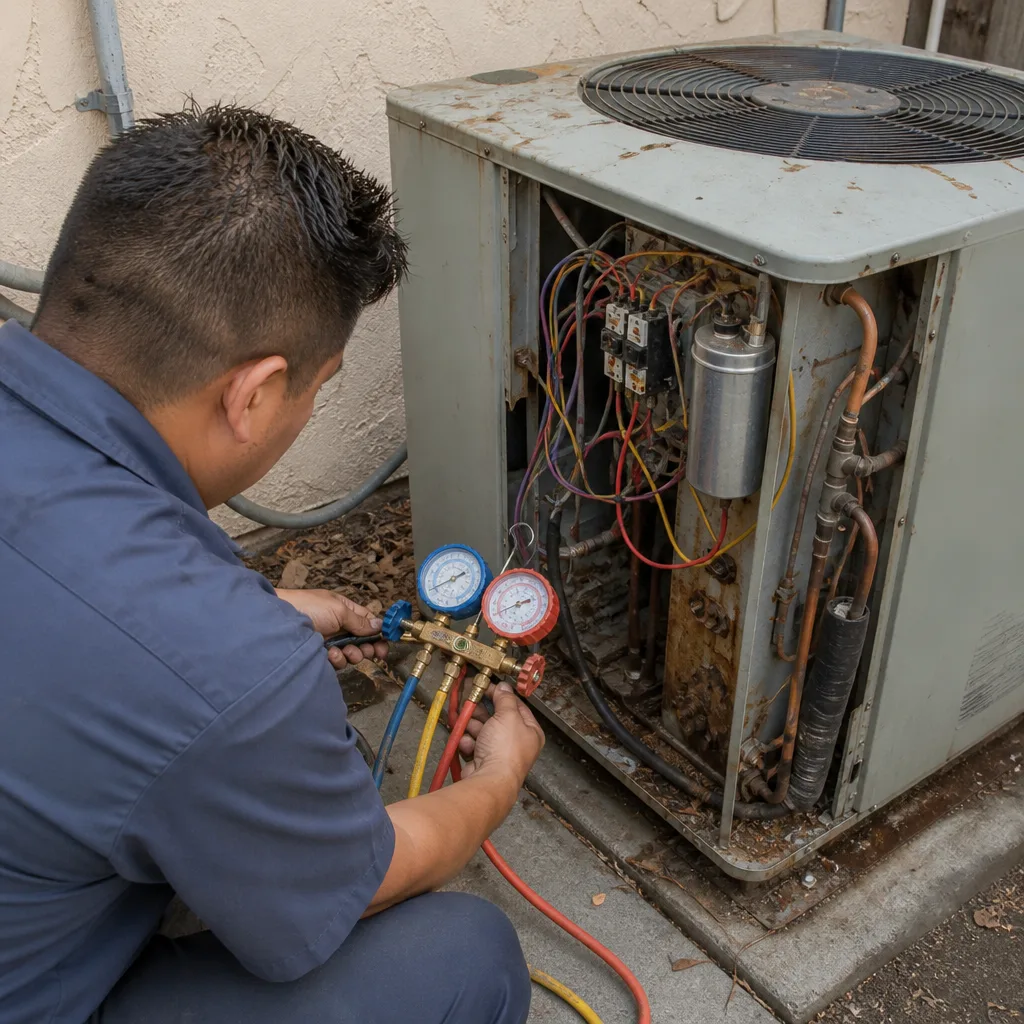 Before
 After
AfterDIY vs Professional AC Maintenance: What’s Safe to Do Yourself
Here’s a fact most homeowners in Los Angeles never hear until it’s too late: handling the refrigerant inside your air conditioner without an EPA 608 certification is a federal violation, not just a safety warning. That single regulation draws a hard legal line through the middle of our AC Maintenance services, and it separates the tasks you can safely own from the ones that belong to a licensed professional. This guide gives you that line in plain language, along with the warranty fine print, the actual dollar savings on safe DIY work, and what to require from any technician before they step through your door.
Quick Answer
Homeowners can safely handle filter changes, coil fin straightening, drain line clearing, thermostat checks, and outdoor unit debris clearing. Refrigerant handling, electrical component testing, compressor work, and anything requiring EPA 608 certification is off-limits by law. Most manufacturer warranties also require documented professional maintenance annually, which means skipping professional service can cost you far more than it saves.
Table of Contents
- The Legal Landscape: What Federal Law Actually Says
- Safe DIY Tasks: What You Can Do This Weekend
- The Warranty Fine Print Most Homeowners Miss
- Real DIY Savings: The Actual Dollar Math
- Professional-Only Tasks: The Hard Stop List
- What to Require From Any Professional: The Credential Checklist
- What Los Angeles Homeowners Face That Others Don’t
- Common Mistakes to Avoid
The Legal Landscape: What Federal Law Actually Says
Section 608 of the Clean Air Act, enforced by the EPA, makes it illegal for anyone without Section 608 certification to handle, add, remove, or dispose of refrigerant. The law exists because refrigerant chemicals deplete the ozone layer and contribute to climate change when released into the atmosphere. The fines are real: the EPA can levy penalties of over $40,000 per day per violation. And this is not a gray area like some home improvement rules. If a technician shows up at your Los Angeles home and starts connecting gauges to your AC without EPA 608 certification, that person is committing a federal offense in your backyard.
Why does this matter for the DIY question? Because it means the debate is not really about skill or confidence. A homeowner can be perfectly capable of understanding refrigerant pressures and still have no legal path to work on that part of the system. The line between DIY vs Professional AC Repair: What’s Safe to Do Yourself is drawn by regulation, not by aptitude. Most of us at Brandt HVAC have fielded calls from homeowners who watched a YouTube video on recharging refrigerant and wanted to know which gauge set to buy. The honest answer: none. That task belongs to a certified technician, full stop.
This also explains why the “neighborhood handyman” who offers to top off your refrigerant for fifty bucks is a risk on multiple levels. If he lacks Section 608 certification, he is breaking federal law while working on your equipment. If he causes a refrigerant leak or mishandles the charge, you inherit the repair bill and the liability. In Los Angeles, where AC systems run hard from May through October, the temptation to save money on a quick refrigerant top-off is real. But the legal exposure is not worth the short-term savings.
Safe DIY Tasks: What You Can Do This Weekend
The good news is that a meaningful portion of AC maintenance is genuinely yours to handle. These tasks require no special licensing, no dangerous tools, and no interaction with sealed system components. They also happen to be the tasks that prevent the most common causes of reduced cooling output and higher energy bills.
- Replace or clean the air filter. This is the single highest-impact maintenance task, and it takes five minutes. In Los Angeles, where wildfire smoke and dry dust are seasonal realities, filters clog faster than in most markets. We recommend checking monthly during peak cooling season and replacing or cleaning every 30 to 90 days depending on the filter type and your household conditions. A clogged filter restricts airflow, forces the system to work harder, and can cause coil freeze-up on humid days.
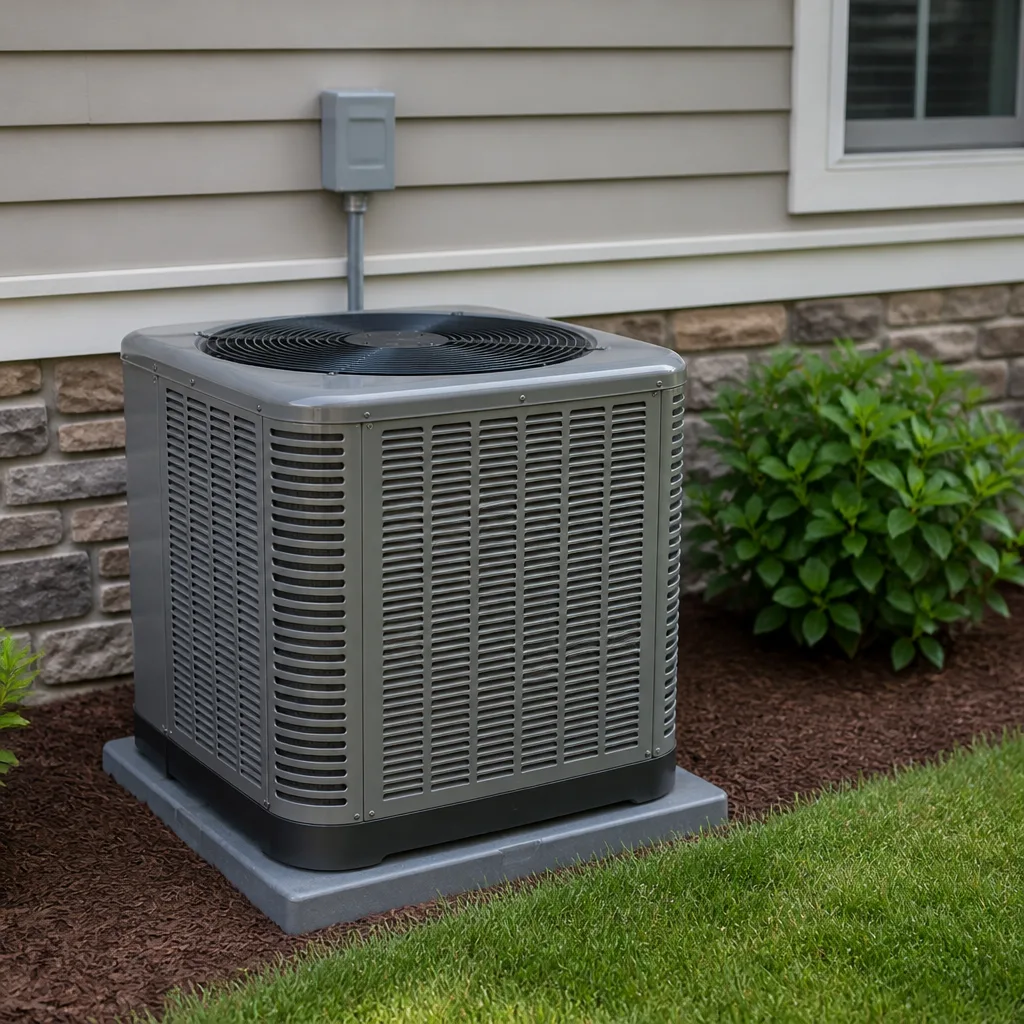
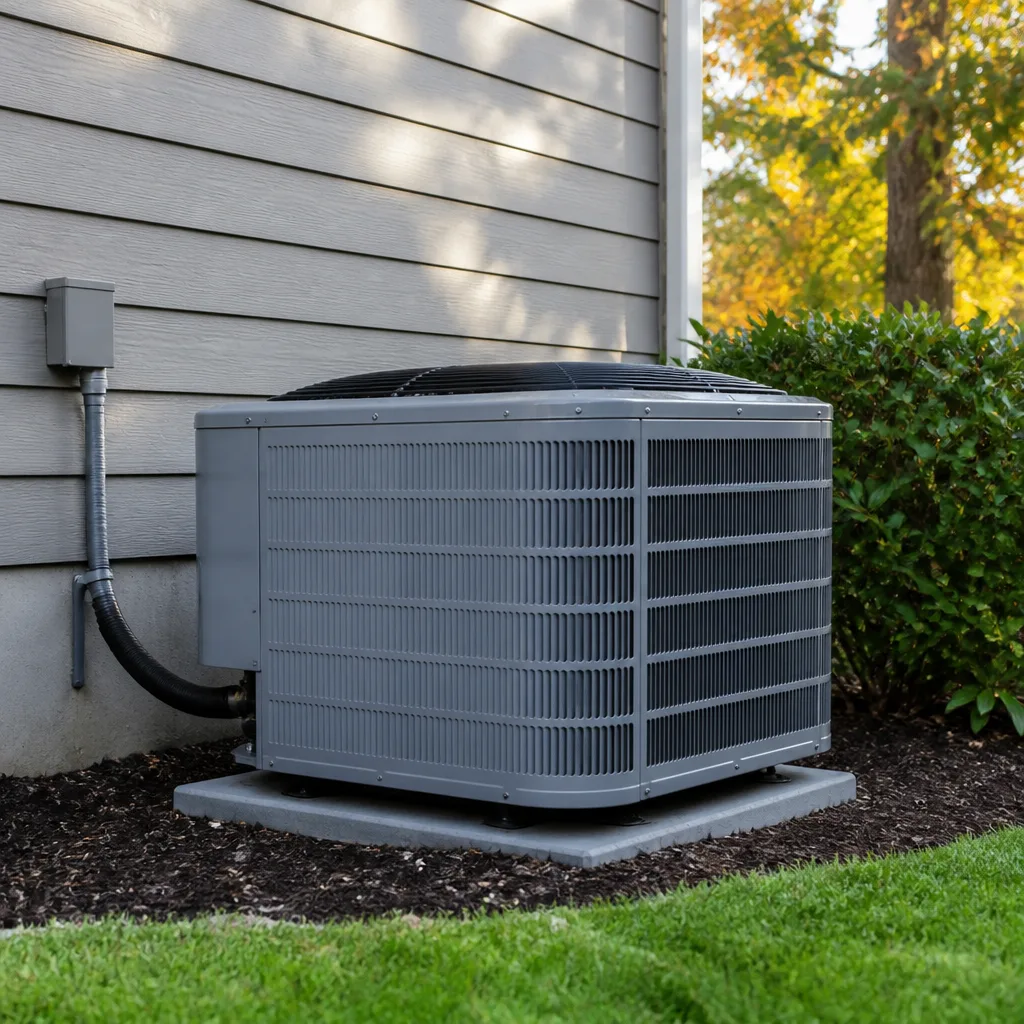
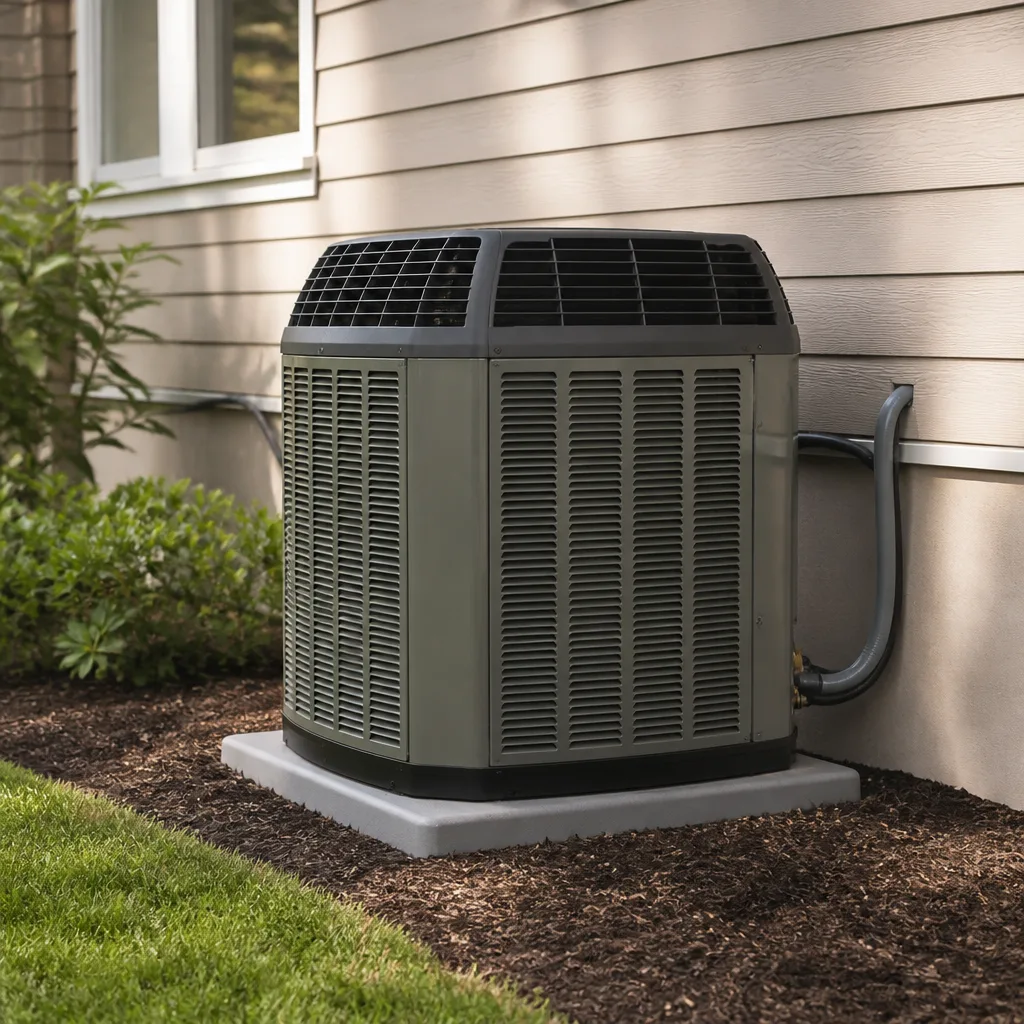
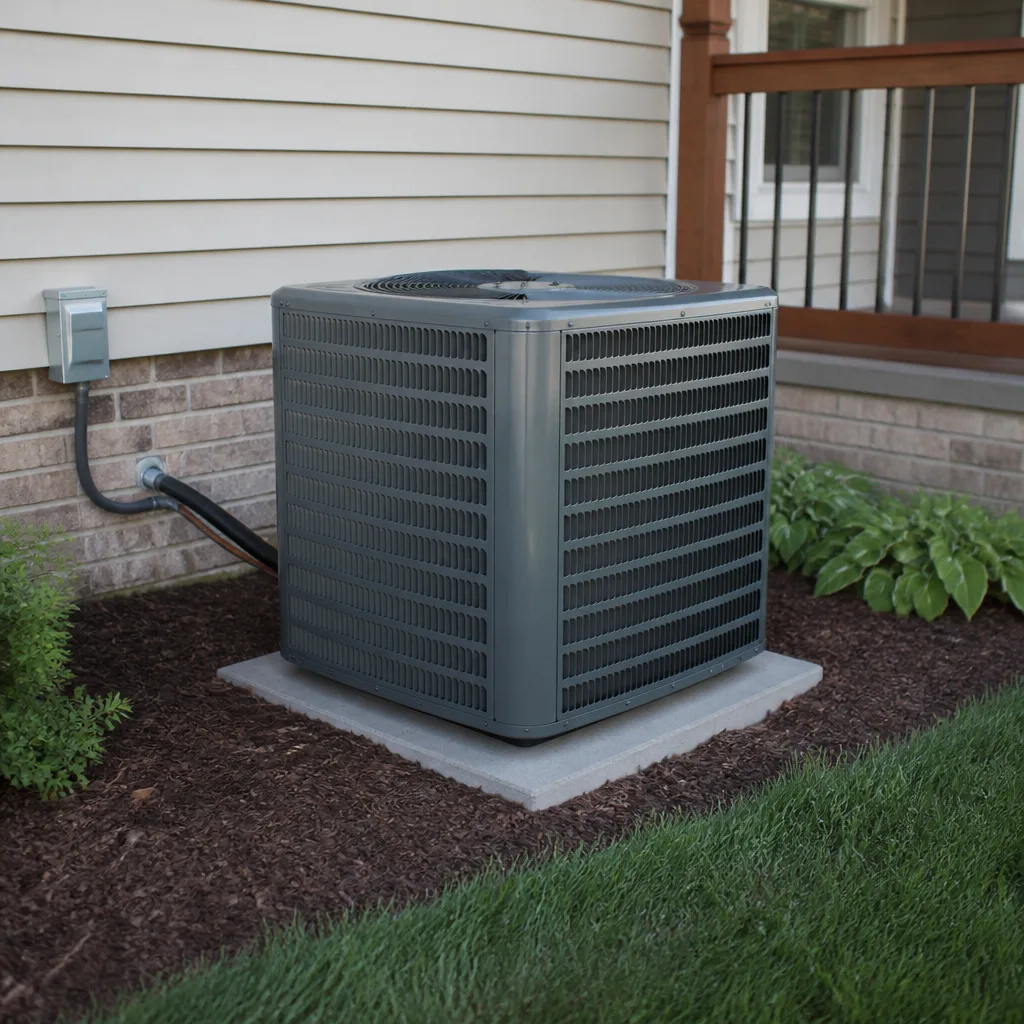
- Clear debris from the outdoor condenser unit. Leaves, grass clippings, cottonwood fluff, and general city grime accumulate on the condenser fins and block heat transfer. Turn off the disconnect switch near the unit, then gently remove visible debris from the exterior. Do not use a pressure washer. A garden hose with a gentle spray is enough, sprayed from the inside out if the unit design allows access.
- Straighten bent condenser fins. Fins are the thin metal strips on the outdoor coil. They bend easily from hail, lawn equipment, or even a stray soccer ball. A fin comb, available for under twenty dollars at most hardware stores, lets you straighten them carefully. This restores proper airflow and is entirely safe when the unit is powered down.
- Clear the condensate drain line. The drain line carries moisture away from the indoor coil. In humid Los Angeles late-summer conditions, algae and mold can build up inside and cause clogs. A wet/dry vacuum applied to the drain line opening can often clear minor blockages. Pouring a cup of white vinegar through the line monthly helps prevent buildup.
- Inspect and recalibrate the thermostat. If your thermostat runs on batteries, replace them annually. Check that the temperature reading matches a separate thermometer placed nearby. Clean the thermostat housing gently and make sure it is not exposed to direct sunlight or a heat source that skews readings.
- Check and clean accessible air registers and returns. Vacuum dust from return grilles and supply registers. Make sure furniture, rugs, or curtains are not blocking return airflow. Closed returns are a common cause of uneven cooling in older Los Angeles homes.
None of these tasks require opening the sealed refrigeration system, touching high-voltage wiring, or removing the cabinet panels that protect electrical components. That is the practical boundary line, and it aligns almost perfectly with the legal one.
The Warranty Fine Print Most Homeowners Miss
Here is a section of the AC maintenance conversation that rarely comes up in casual advice: your manufacturer warranty contains requirements that can void coverage if you skip professional service. This applies to systems from Carrier, Trane, Lennox, Rheem, York, Daikin, Bryant, and American Standard, and the language is remarkably consistent across brands.
Most residential AC warranties include a clause stating that the system must receive documented professional maintenance at least once per year. The key word is documented. A homeowner who changes filters diligently but never has a professional inspection cannot prove to a manufacturer that the system was maintained to the required standard. When a compressor fails in year six of a ten-year warranty, the manufacturer will ask for service records. If those records do not exist, the claim gets denied, and the homeowner pays for a four-figure repair out of pocket.
This is not a scare tactic. We have seen this exact scenario play out with systems from Daikin and Carrier, where the homeowner assumed the warranty was automatic and discovered otherwise only after the compressor failed. The warranty is a contract with conditions attached, and one of those conditions is proof of professional care. DIY maintenance can supplement professional service, but it cannot replace it without putting the warranty at risk. See more guides & resources for related topics.
There is also a secondary warranty issue: some manufacturers require that maintenance be performed by a licensed HVAC contractor, not merely a “qualified individual.” Homeowners who use an unlicensed handyman for annual maintenance may find that the visit does not satisfy the warranty requirement even if a checklist was completed. This is one more reason the legal line matters: licensed professionals provide documentation that actually protects your investment.
Real DIY Savings: The Actual Dollar Math
Let’s talk about what safe DIY maintenance actually saves you in Los Angeles dollars. The premise behind the DIY argument is financial, so the numbers deserve honest treatment.
- Air filter replacement: A quality pleated filter runs $15 to $30 depending on size and MERV rating. Paying a professional to replace it during a service visit adds maybe $10 to $20 in parts cost and no meaningful labor if done during scheduled maintenance. DIY savings: roughly $10 per filter change, or $40 to $80 per year if you change quarterly.
- Fin straightening: A fin comb costs under $20 and lasts for years. The same task billed by an HVAC company during a diagnostic visit might add $50 to $100 in labor. DIY savings: $30 to $80 per occurrence.
- Drain line clearing with vinegar: A gallon of white vinegar costs about $4 and covers an entire season of monthly treatments. A professional drain line clearing service call in Los Angeles typically costs $150 to $250. DIY savings: $150 to $250 per avoided service call.
- Thermostat battery replacement: Two AA batteries cost about $3. A no-cooling service call caused by a dead thermostat battery is a common Los Angeles dispatch that runs $100 to $200 for what amounts to a battery swap. DIY savings: $100 to $200 per avoided call.
So the realistic annual savings for diligent DIY maintenance is somewhere between $150 and $400, depending on how many avoided service calls you would have otherwise made. That is real money, and it is worth doing.
Now look at the other side. A refrigerant leak that goes undetected because no professional ever checked pressures can reduce efficiency by 20 to 30 percent, adding hundreds of dollars to a Southern California summer electric bill. A failed compressor due to inadequate maintenance costs $1,500 to $3,500 to replace, and if the warranty is voided due to missing service records, every dollar of that is yours. The DIY savings are real, but they are modest compared to the risk cost of neglecting professional maintenance.
Professional-Only Tasks: The Hard Stop List
We have referenced the legal line throughout this guide. Here is the definitive list of AC maintenance and repair tasks that homeowners should never attempt, with the reason for each.
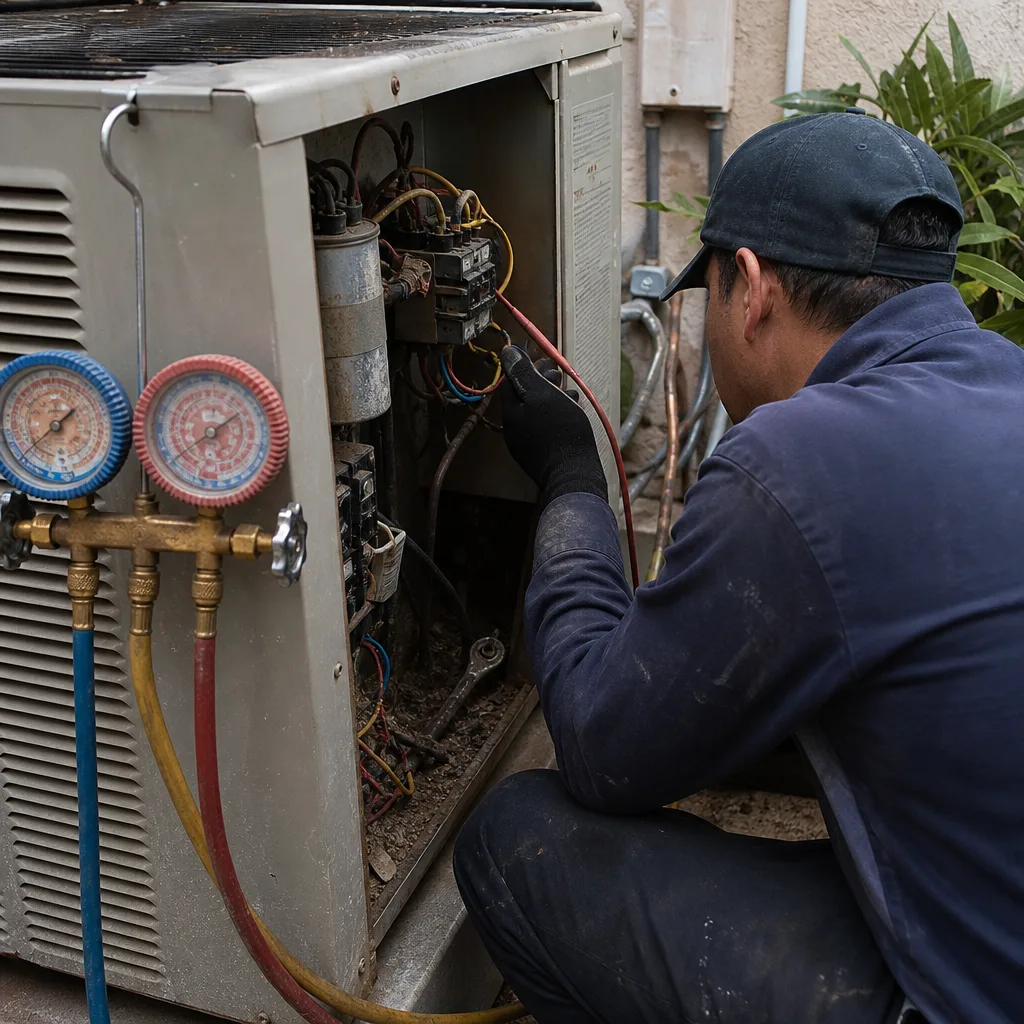
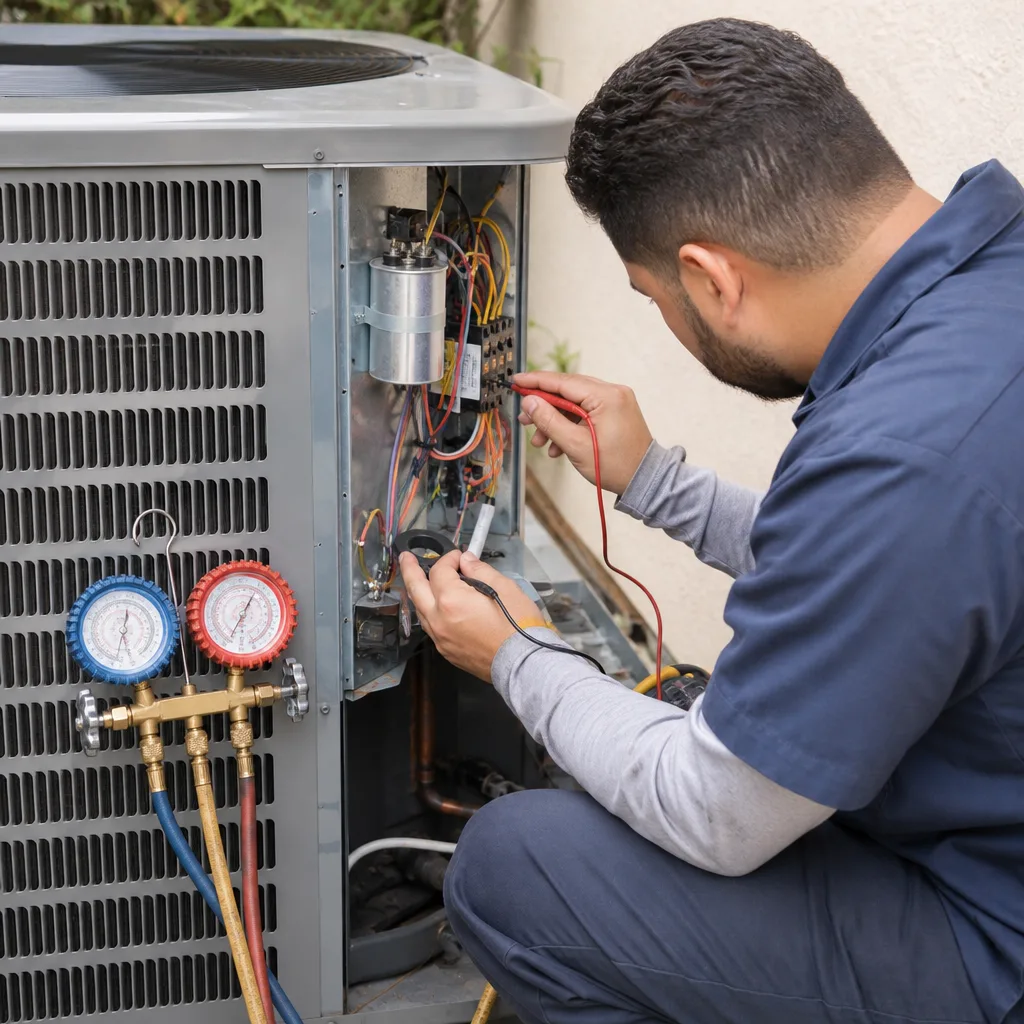
- Refrigerant handling of any kind. Adding, removing, recovering, or recharging refrigerant requires EPA Section 608 certification. This includes attaching manifold gauges to the service ports. The law applies to everyone, regardless of skill level or confidence. No exceptions.
- Sealed system repair. Repairing a refrigerant leak inside the evaporator coil, condenser coil, or line set requires opening the sealed system, which means refrigerant recovery first and recharge after. This is licensed work end to end.
- Electrical component testing or replacement. Capacitors, contactors, circuit boards, and fan motors involve high voltage. A capacitor can hold a lethal charge even when the system is off. This is not a skill-level issue; it is a safety issue. Testing and replacing these components requires training and proper tools.
- Compressor diagnosis or replacement. The compressor is the heart of the system and the most expensive single component. A misdiagnosis can destroy a perfectly good system. Compressor work also requires refrigerant handling, which circles back to the legal issue.
- Ductwork modification. Altering or repairing ductwork changes system airflow balance and can damage equipment if done wrong. It also involves sheet metal work and sealing standards that affect indoor air quality and system efficiency.
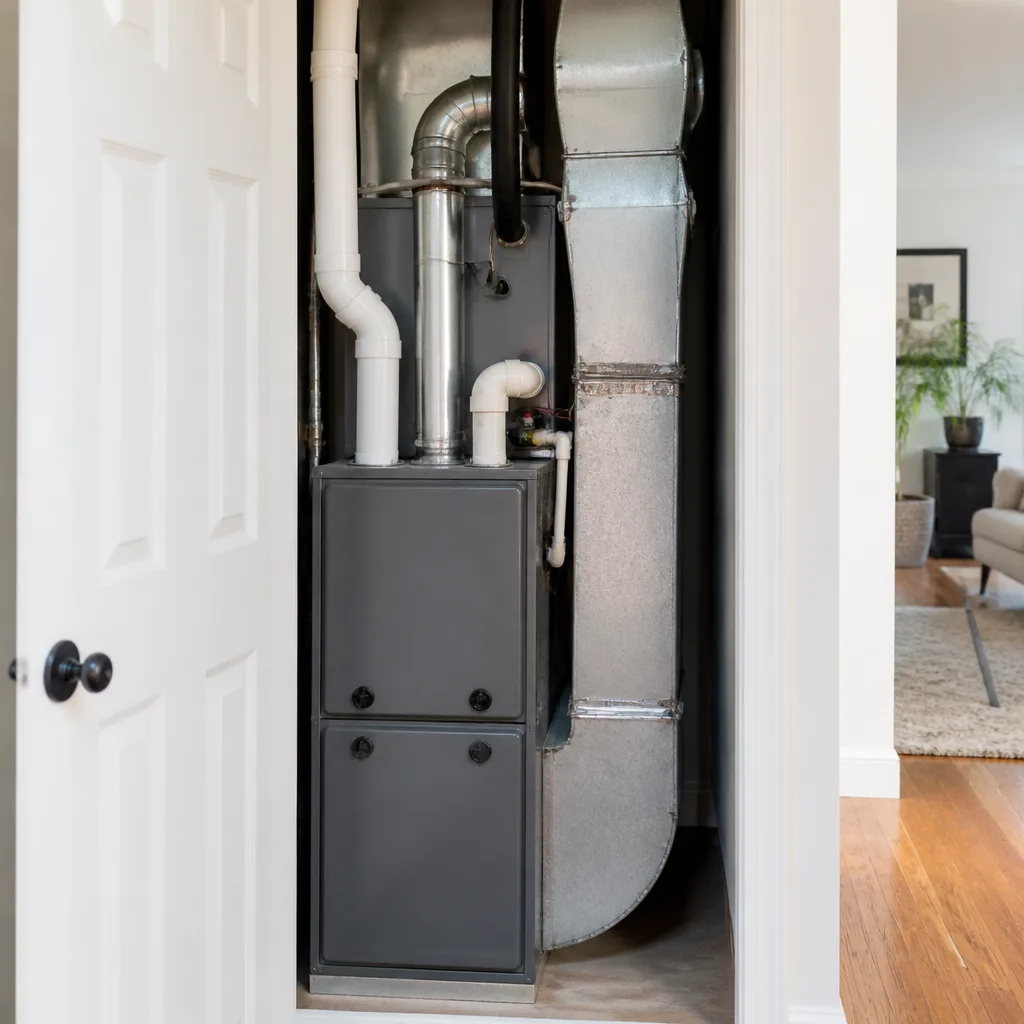
- Any maintenance task that requires removing the cabinet panels on the indoor air handler or outdoor condenser. The panels exist to protect against electrical shock and moving parts. Removing them exposes high-voltage connections and spinning fan blades. If the panel removal is necessary to reach a component, that task belongs to a professional.
In our experience at Brandt HVAC, the most expensive repairs we see in Los Angeles are not the result of neglect. They are the result of a well-intentioned homeowner or unlicensed handyman attempting something on this list, making the problem worse, and then calling us to undo the damage before fixing the original issue.
What to Require From Any Professional: The Credential Checklist
When you do hire a professional for the tasks on the hard stop list, the verification standard matters as much as the technical skill. In Los Angeles, the HVAC market is crowded, and homeowners cannot always tell a licensed professional from an unlicensed operator with a truck and a convincing pitch. Here is the checklist to run before anyone touches your system.
- Ask for the license number and verify it. California requires HVAC contractors to hold a C-20 license from the Contractors State License Board. The number should be on the business card, the website, and the invoice. You can verify it online in under a minute.
- Confirm EPA Section 608 certification for anyone handling refrigerant. This is a federal requirement, and any legitimate technician has the card. Do not be shy about asking to see it. A professional will show it without hesitation.
- Require a written price before any work starts. This is non-negotiable. A legitimate company provides a written quote that states exactly what will be done and what it will cost, with no gray areas. If a technician wants to start work before showing you numbers, end the visit.
- Ask who, specifically, will be at the door. This is where the Threshold Verified standard comes in. Every Brandt HVAC technician is background-checked and identity-verified. You receive the technician’s name and photo before the visit. When the technician arrives, they show a photo ID badge at the door. If anyone arrives who you were not told to expect, that visit is on us and we make it right. That standard exists because opening your door to a stranger should never be a leap of faith.
- Require a written guarantee on every repair. Any repair should come with a guarantee that states exactly what it covers and for how long. At Brandt HVAC, every repair includes a written guarantee, and if a repair fails within the guarantee period, we return at no charge under the 365-Day Done Right Promise. No argument, no fine print.
The credentials conversation matters in Los Angeles specifically because the market is large enough to attract unlicensed operators who price low and disappear when problems surface. The verification steps above cost nothing and take minutes. They are the difference between hiring a professional and gambling on a stranger.
What Los Angeles Homeowners Face That Others Don’t
Los Angeles is the second-largest HVAC market in the country, and it comes with conditions that change the maintenance calculus. The climate is moderate compared to Phoenix or Las Vegas, but the cooling season stretches from April through October, and coastal humidity varies dramatically by neighborhood. A system in Santa Monica faces salt air corrosion. A system in the San Fernando Valley runs harder in triple-digit summer heat. A system in the hills above Los Angeles may accumulate wildfire ash on condenser coils, especially during fall Santa Ana conditions.
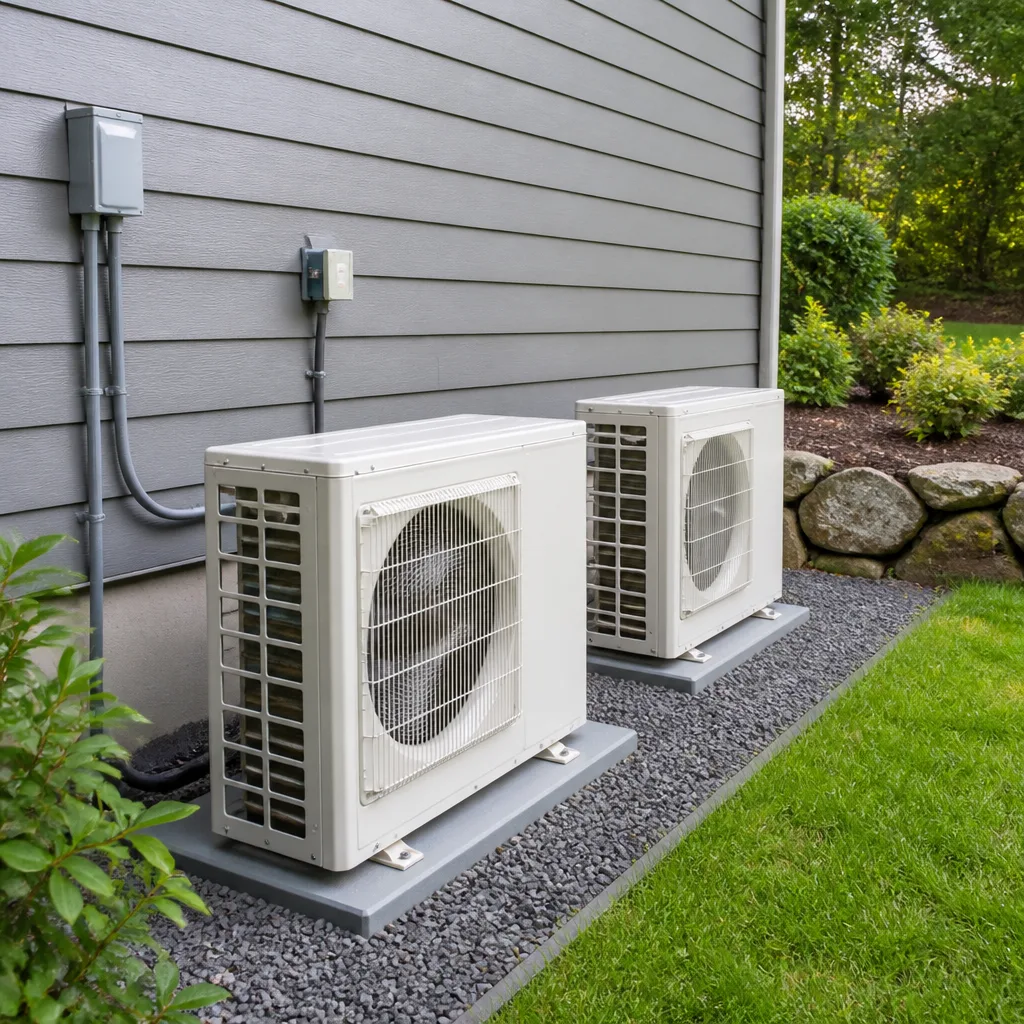
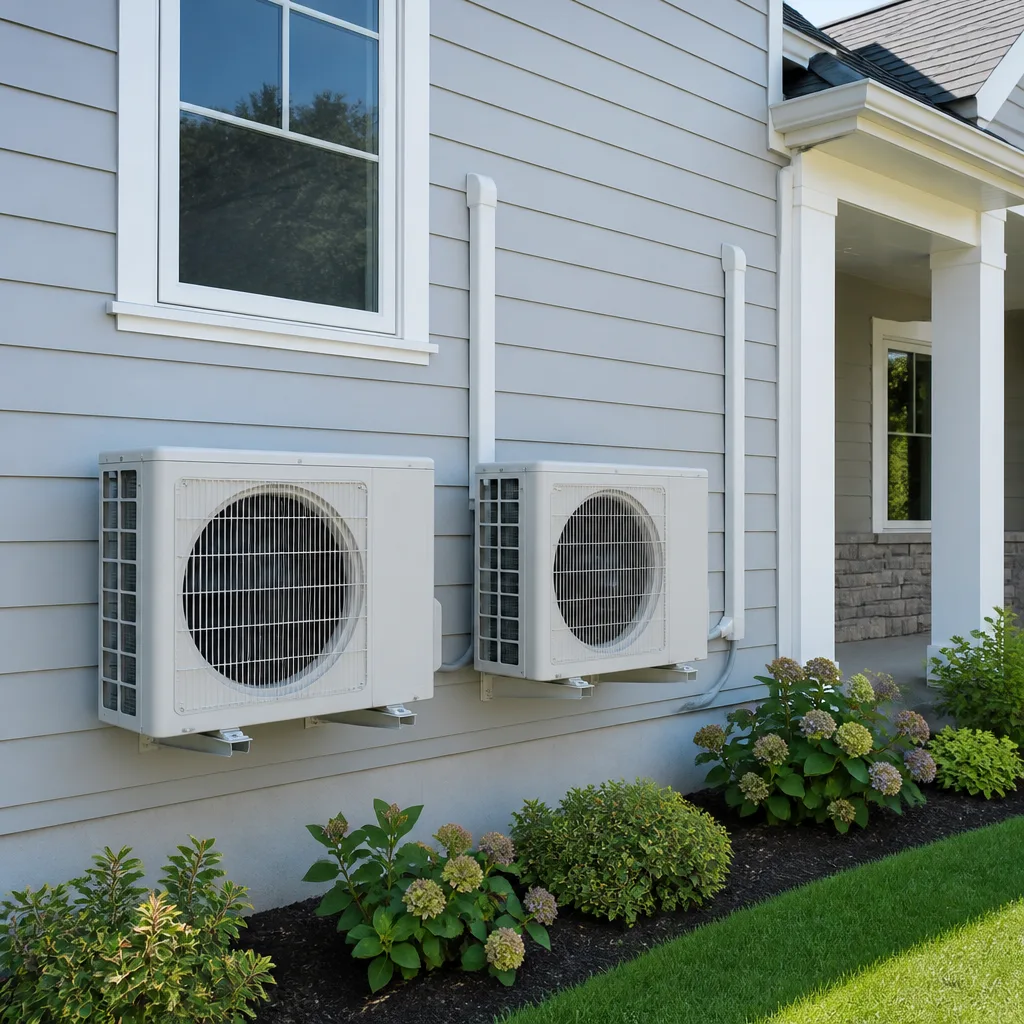
These microclimates mean that one-size-fits-all maintenance advice breaks down fast. A maintenance schedule that works for a Westside condo near the ocean looks different from one for a Valley ranch house. Homes in older Los Angeles neighborhoods, from Echo Park to Silver Lake to West Adams, often have aging electrical panels and undersized ductwork, which puts additional strain on AC equipment. Newer construction in Playa Vista or downtown high-rises may have ductless mini-splits with different maintenance requirements than traditional split systems.
Energy costs are also a factor. Southern California electricity rates are among the highest in the nation, and a poorly maintained AC system in Los Angeles can add $50 to $100 per month to a summer electric bill. The efficiency loss from a dirty condenser coil alone can run 10 to 15 percent. That means professional AC maintenance is not just about preventing breakdowns; it is about keeping the system efficient enough to justify running it through a long cooling season.
Finally, Los Angeles has some of the strictest building and energy codes in the country, and HVAC work is subject to Title 24 energy standards. That affects installation and major repairs more than routine maintenance, but it reinforces the point: this is a regulated market, and the professionals who work here should know the local requirements as well as the federal ones.
Common Mistakes to Avoid
- Using a pressure washer on the condenser coil. High-pressure water bends fins, forces water into electrical compartments, and often does more damage than the debris it removes. Use a garden hose with a gentle spray only, and only after the unit is powered off.
- Replacing a filter with the wrong MERV rating for the system. A filter that is too restrictive reduces airflow and can cause coil freeze-up. The MERV rating on the filter you buy should match or closely match the manufacturer’s recommendation for your specific system.
- Running the system with a frozen evaporator coil to “thaw it out.” A frozen coil is a symptom of restricted airflow or low refrigerant, not a minor inconvenience. Running the system while frozen can damage the compressor. Turn the system off and call a professional who can diagnose the actual cause.
- Hiring an unlicensed handyman to “top off” refrigerant. This is the single most common corner-cutting shortcut in the Los Angeles market, and it is both illegal and dangerous. An overcharged or undercharged system runs inefficiently and can destroy a compressor.
- Skipping professional maintenance because DIY tasks are getting done. The warranty requirement stands regardless of how diligent you are with filters and drain lines. Documented professional service is the only thing that satisfies the manufacturer.
- Blocking the outdoor condenser unit with landscaping or storage. The unit needs at least two feet of clearance on all sides for proper airflow. Fences, bushes, and stacked patio furniture all reduce efficiency and shorten equipment life.
- Ignoring unusual sounds or smells for more than a day. A grinding noise, a burning smell, or a hissing sound from the indoor unit each indicate specific problems that get more expensive the longer they run. Shut the system down and call for service.
When to Call a Professional
Call a professional when the system is producing warm air, when refrigerant pressures are suspect, when any electrical component fails, when the compressor makes unusual noise, when the indoor coil freezes, when water is pooling around the indoor unit, or when any maintenance task requires removing panels that protect high-voltage components. These are not judgment calls; they are hard stops. Brandt HVAC offers free estimates in Los Angeles. Call (984) 538-9003 and a live person answers, 24 hours a day, every day of the week. No voicemail, no phone tree, no callback queue.
Frequently Asked Questions
No. Federal law under EPA Section 608 prohibits anyone without Section 608 certification from handling refrigerant. This applies to adding, removing, recovering, or recharging refrigerant in any amount. Violations carry fines of over $40,000 per day. This is not a guideline or a best practice; it is a federal regulation, and it applies to every homeowner in Los Angeles and nationwide.
Changing or cleaning the air filter on schedule is the most important DIY task, and in Los Angeles specifically, wildfire smoke and dry dust make filters clog faster than in most other markets. We recommend checking the filter monthly during the April-to-October cooling season and replacing or cleaning it every 30 to 90 days depending on conditions. A clogged filter is the leading cause of reduced cooling output, frozen coils, and higher energy bills.
DIY maintenance itself does not void a warranty. What voids a warranty is the absence of documented professional maintenance. Most manufacturer warranties from brands like Carrier, Daikin, Bryant, and American Standard require annual professional service with records to prove it. If you DIY the filter changes but never have a professional inspection, and then the compressor fails, the manufacturer can deny the claim because you cannot produce the required service documentation.
Professional AC maintenance in Los Angeles typically runs $100 to $250 for a standard tune-up visit, depending on system type, age, and the scope of the service. This generally includes a full inspection, coil cleaning, electrical component testing, drain line clearing, and a written report of findings. Given that a single avoided compressor failure saves $1,500 to $3,500, annual maintenance is one of the better returns on investment in home upkeep. Call (984) 538-9003 for a specific quote. Estimates are free.
Verify the California C-20 HVAC contractor license number, confirm EPA Section 608 certification for anyone handling refrigerant, require a written price before any work begins, and ask who will arrive at your door before the visit. The Threshold Verified standard used by Brandt HVAC addresses that last point specifically: every technician is background-checked, you receive their name and photo before arrival, and they show a photo ID badge at the door. If someone shows up who you were not told to expect, that visit is on us and we make it right.
Once per year is the minimum required by most manufacturer warranties, and that frequency works for most Los Angeles homeowners. Homes in areas with heavier wildfire ash exposure, such as hillside communities, or systems that run continuously through extreme Valley summers, may benefit from twice-yearly service. The small additional cost of a second visit is usually offset by lower energy bills on a system that runs efficiently through a long cooling season.
The Bottom Line
The DIY vs professional AC maintenance debate has a straightforward answer when you look at the actual boundaries. Homeowners can safely and legally handle filters, fins, drain lines, thermostats, and debris clearing, saving a few hundred dollars a year when done consistently. Refrigerant handling, electrical work, and sealed system repair are off-limits by federal law, warranty requirements, or both. The smart approach is to do the safe tasks diligently and hire a verified professional for the rest. Documented annual service protects your warranty, catches problems before they become expensive, and keeps an older system running at reasonable efficiency. And when you do call a pro, require the same standard you would want for anyone entering your home: verified identity, a written price, and a written guarantee.
Written by Devin Marlowe, Owner at Brandt HVAC, serving Los Angeles since 2003.