
Last updated October 9, 2026
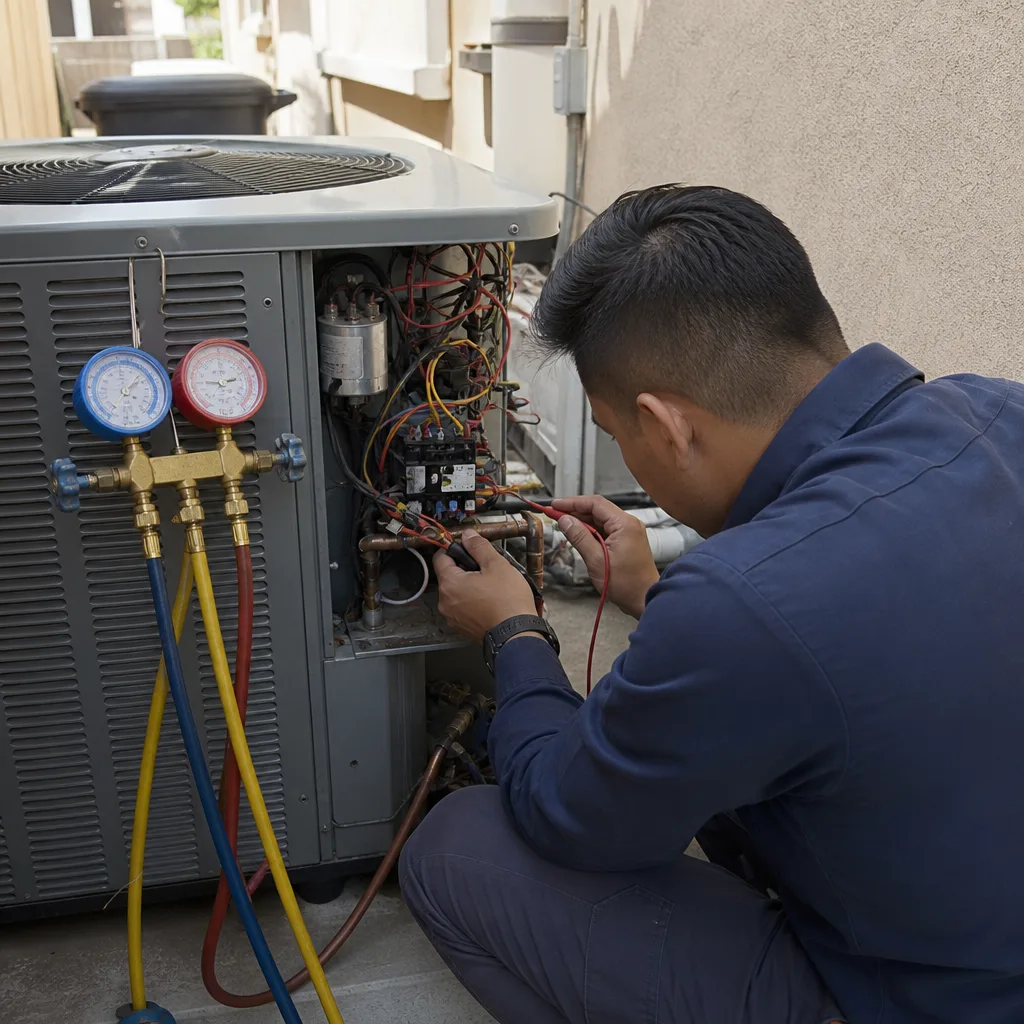
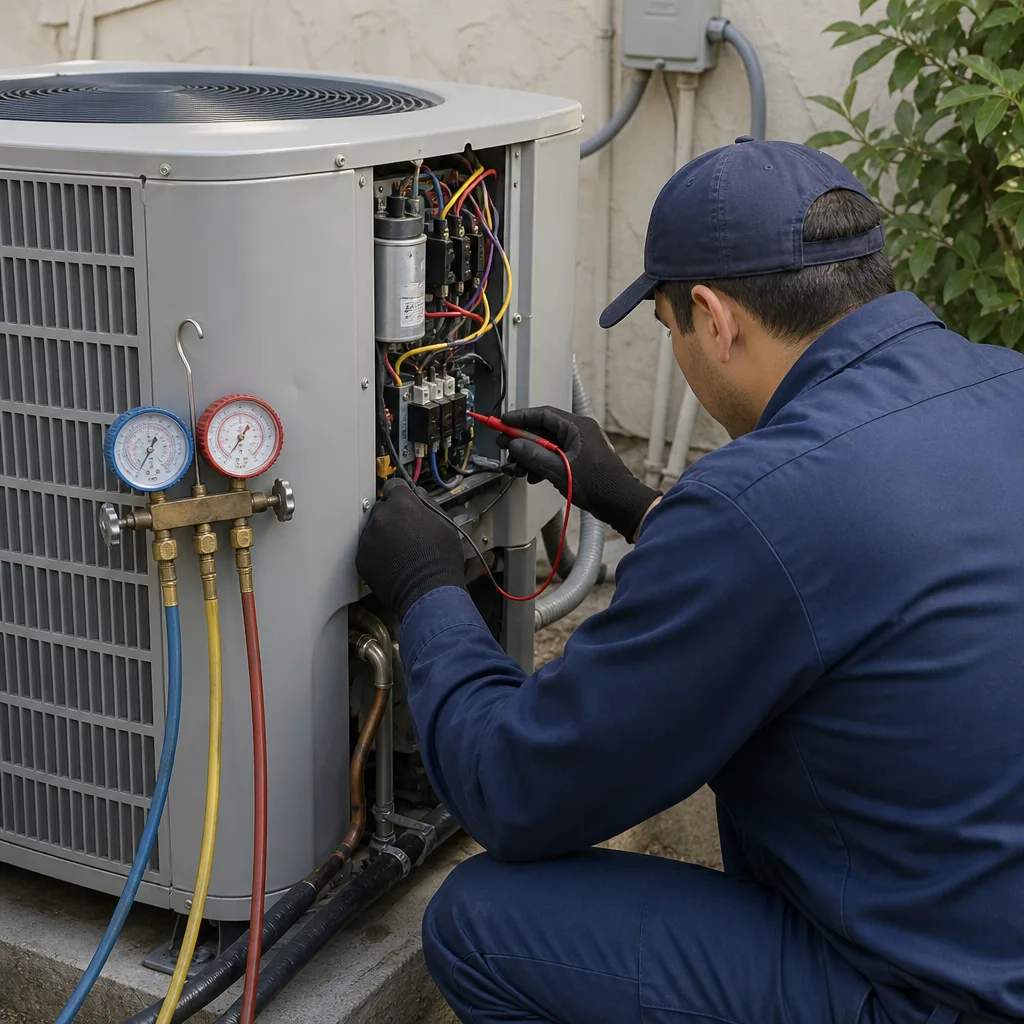
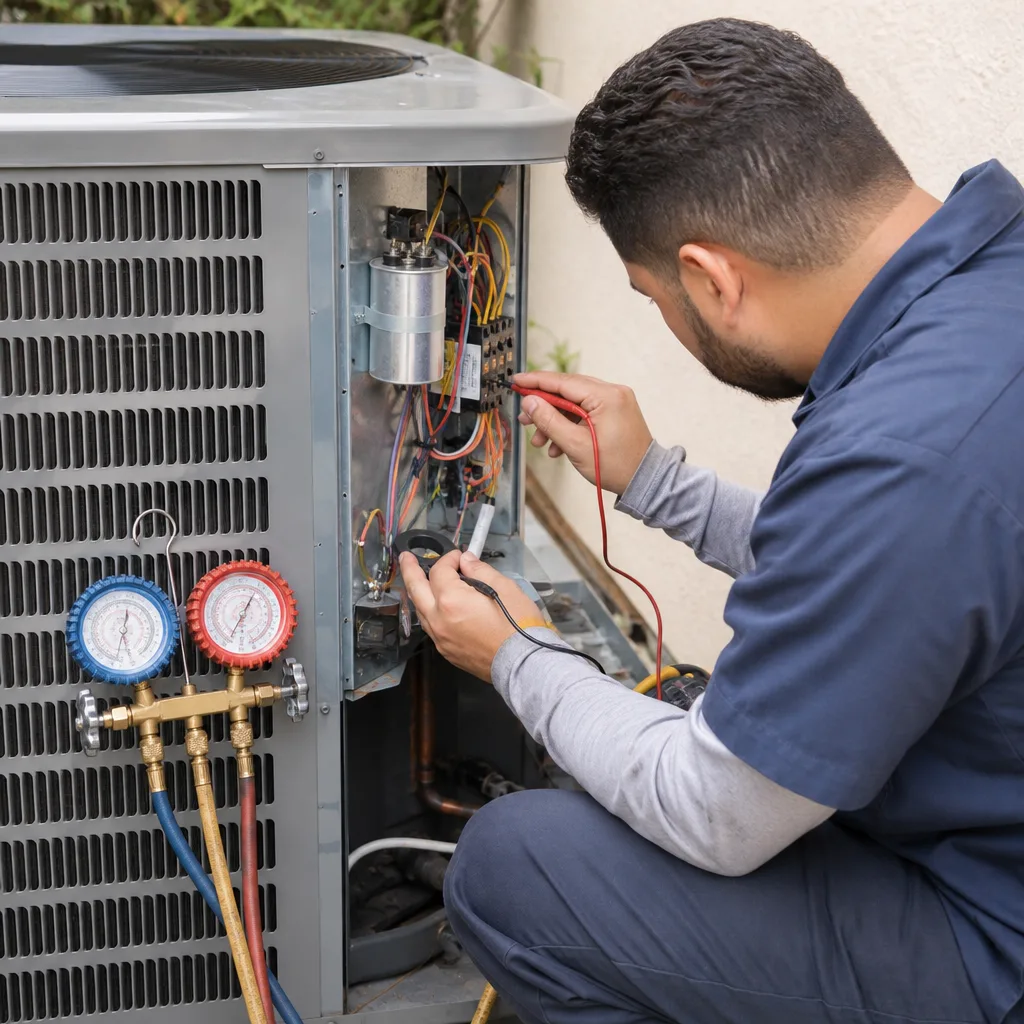
Seasonal tune-up and full diagnostic on your Carrier, Trane, or Goodman system - readings shown to you before any repair is proposed
Diagnosis first, numbers second - you approve the repair price before a single part goes in.
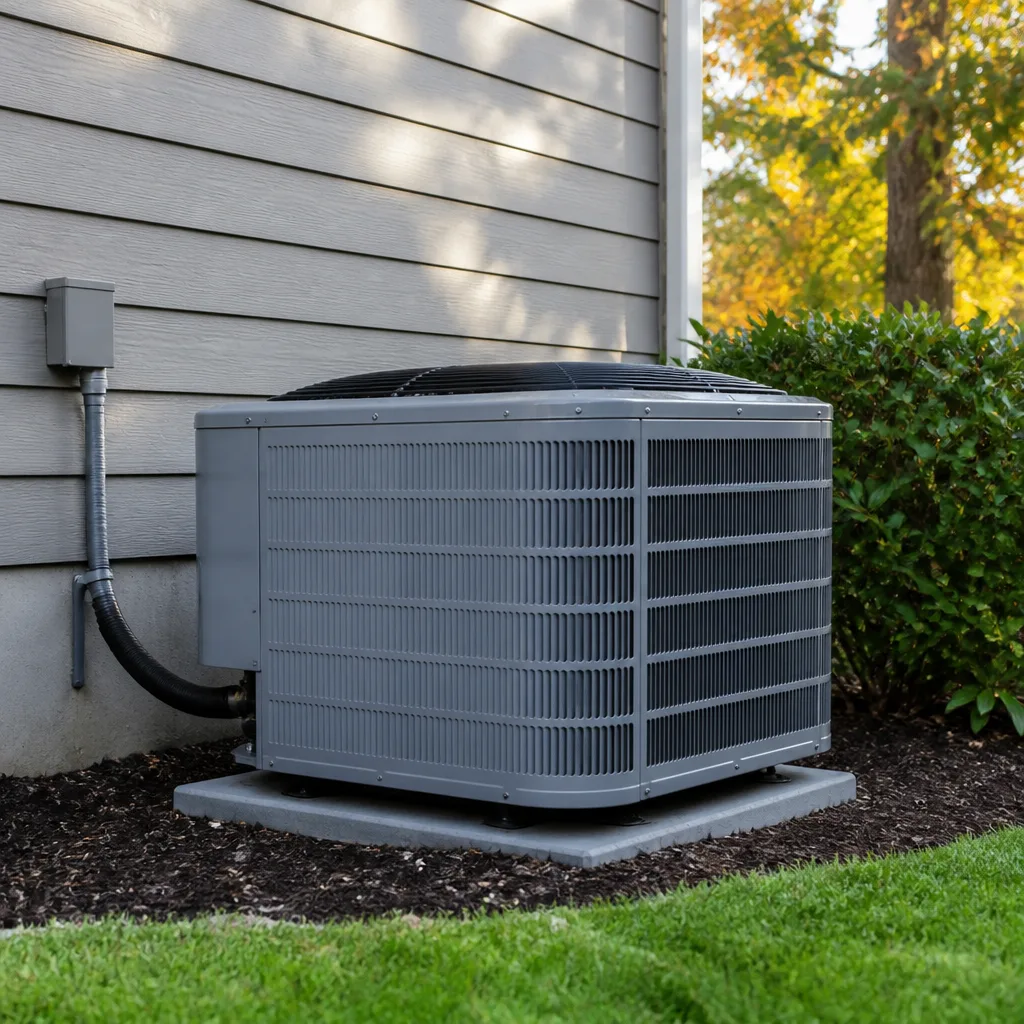
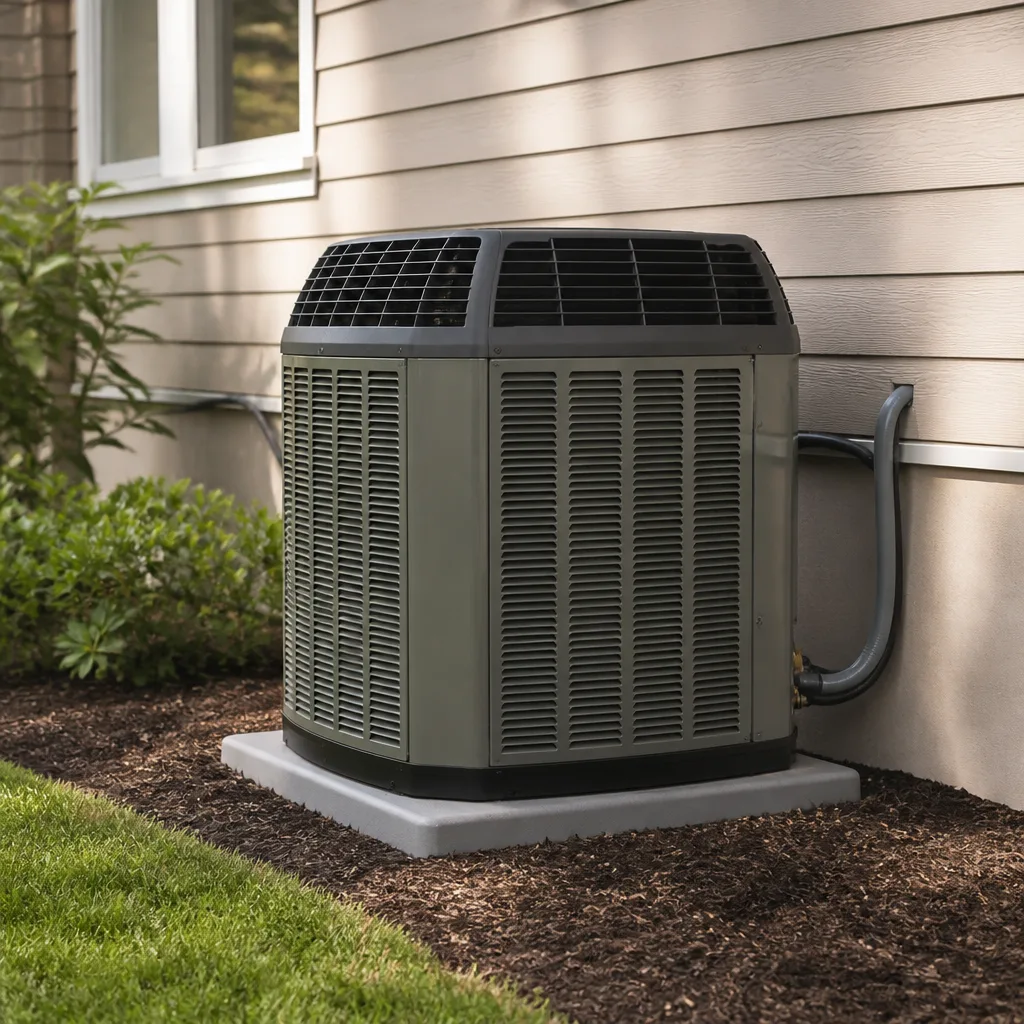
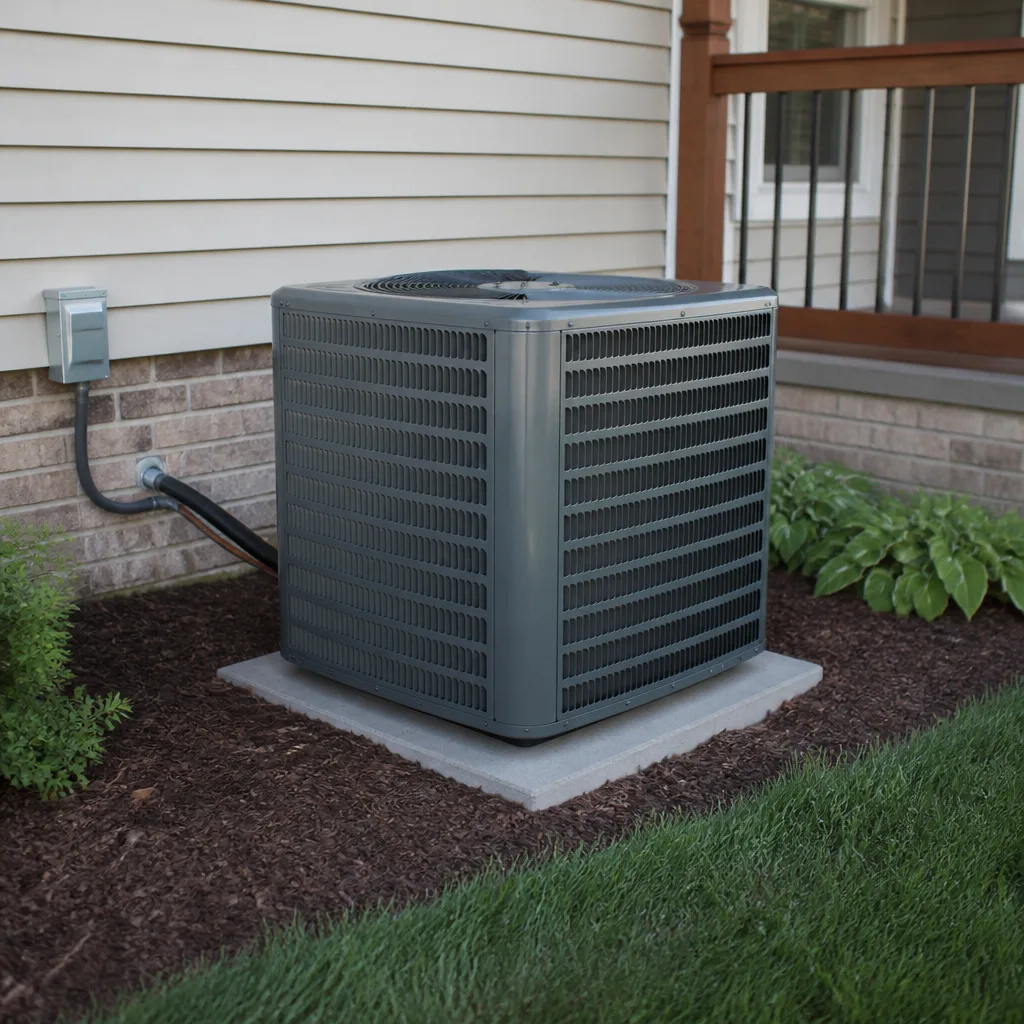
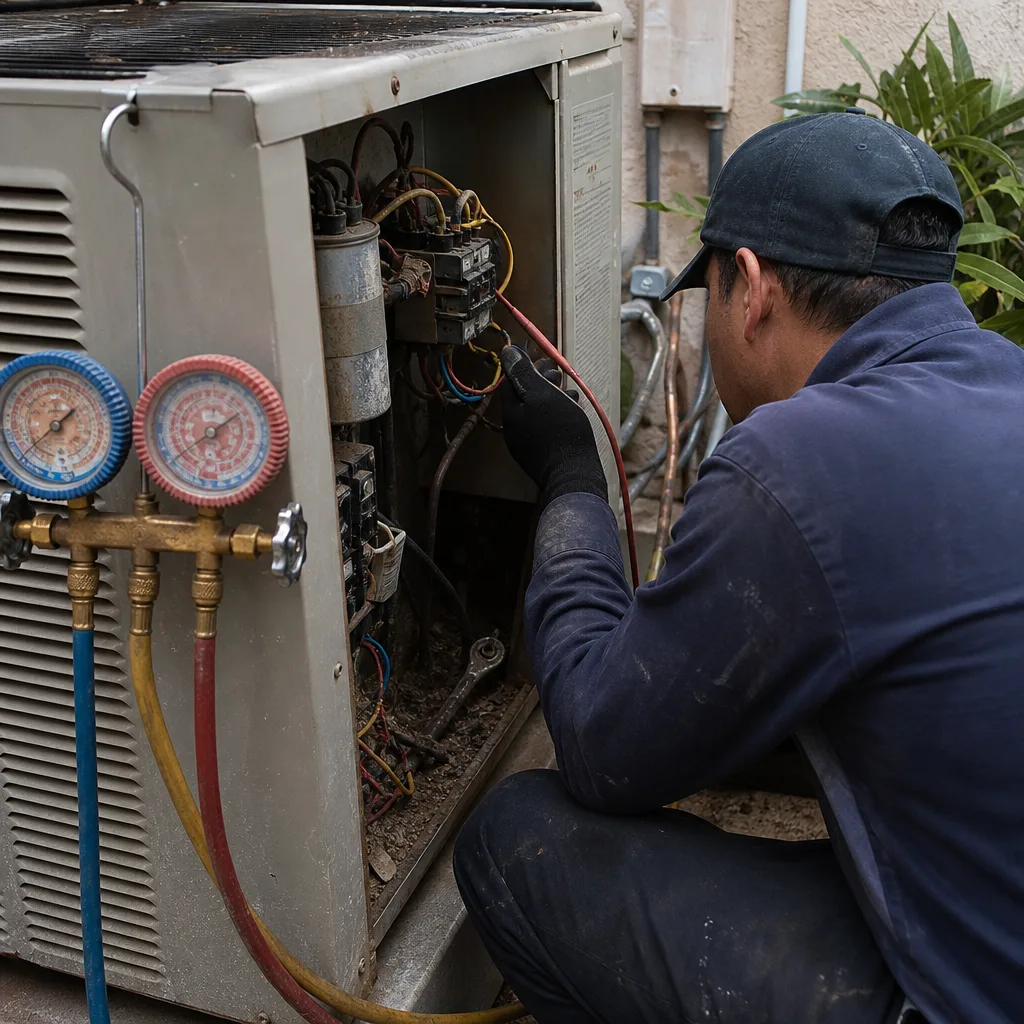 Before
 After
After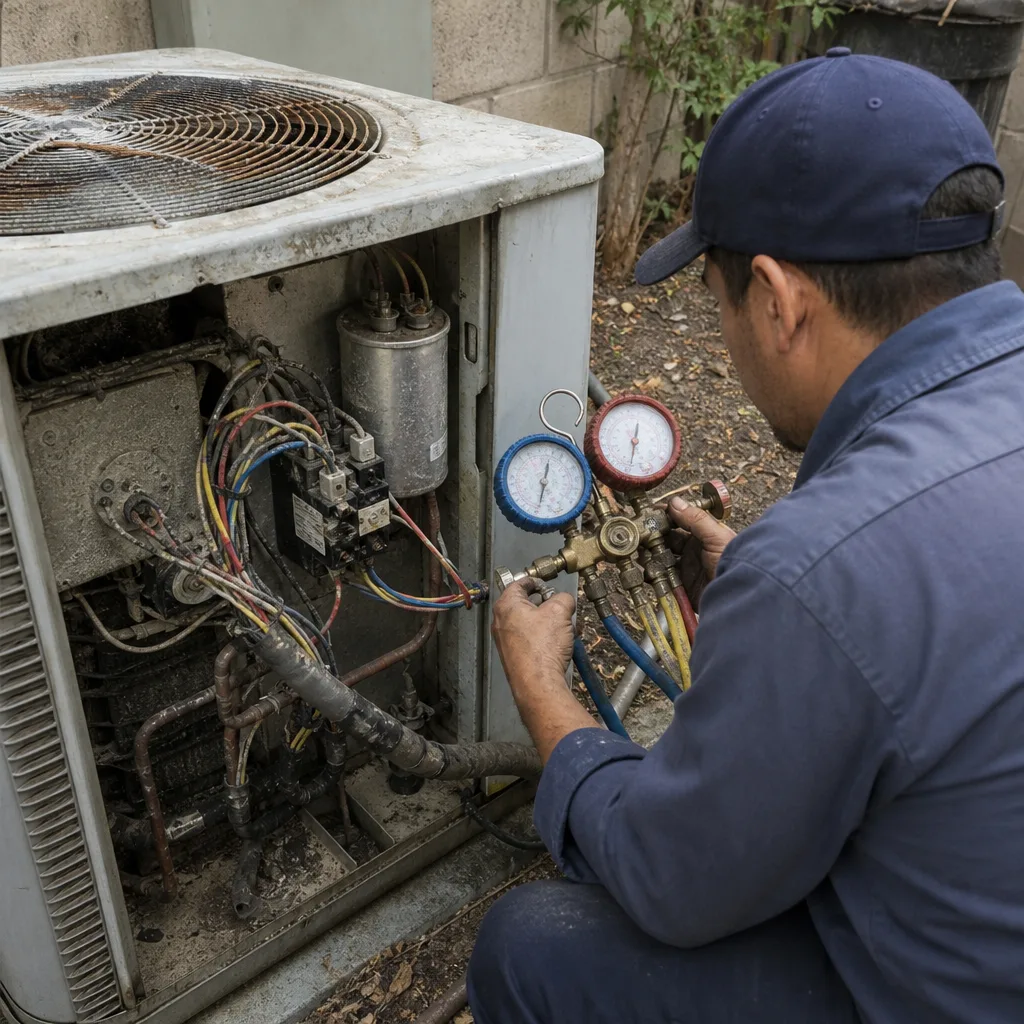 Before
 After
After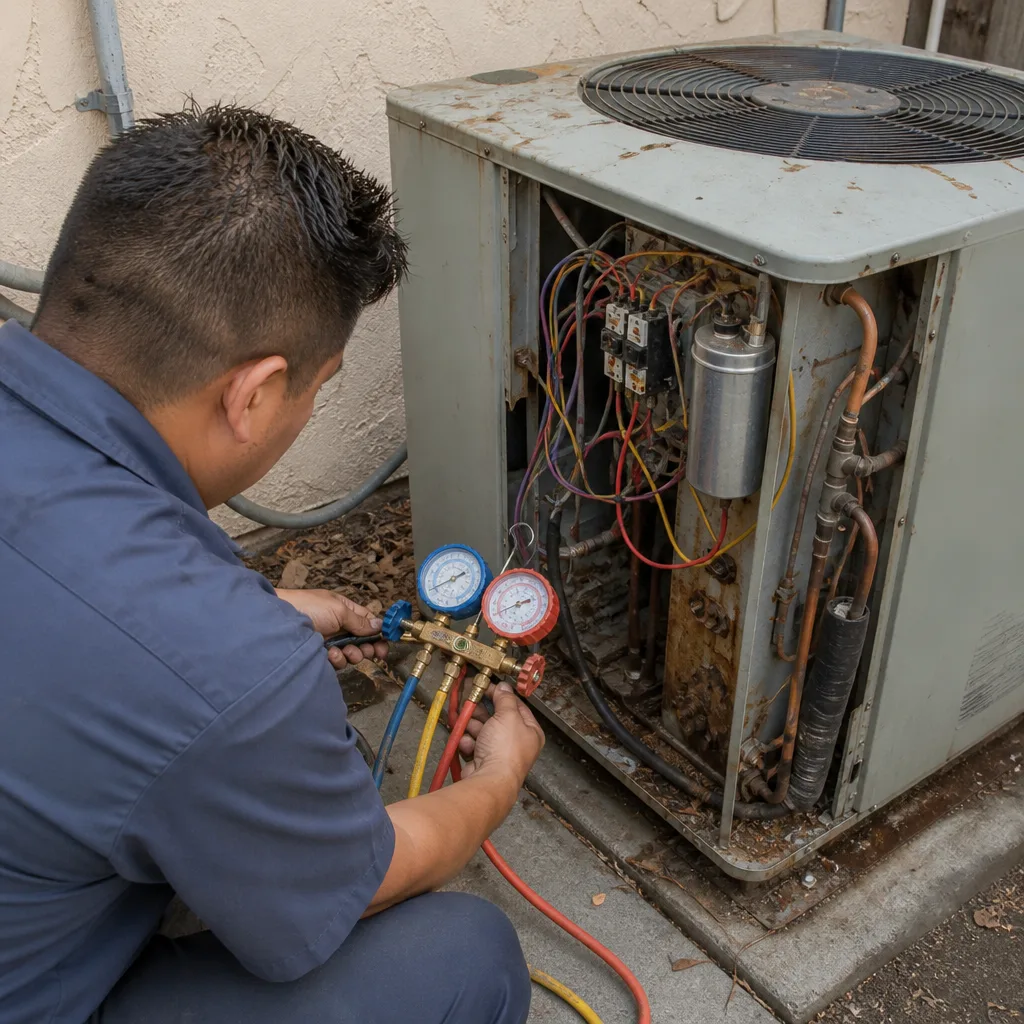 Before
 After
AfterHVAC Permits, Codes & Inspections in CA: What You Need to Know
An HVAC contractor who tells you “we don’t need a permit for a like-for-like replacement” in California is wrong. Flat wrong. And in Los Angeles, that mistake doesn’t just disappear after the work is done. It sits inside your walls and your property records, waiting to surface at the worst possible moment: escrow. This guide explains what actually triggers a permit, what an inspector looks at, what Title 24 energy rules mean for your equipment swap, and what unpermitted HVAC work costs you when you sell. For more on keeping your system healthy year-round, see our Seasonal HVAC Care for Los Angeles: Year-Round Homeowner’s Guide. If you own a home in Los Angeles or elsewhere in California, here’s what you need to know before anyone touches your heating or cooling system.
Quick Answer
In California, nearly every HVAC installation or replacement that involves new equipment, ductwork, or circuit changes requires a building permit. A permit triggers an independent city or county inspection, which verifies that the work meets current mechanical, electrical, and Title 24 energy codes. Skipping the permit transfers liability to you: if you sell the home with unpermitted HVAC work, the buyer can demand you bring it to code or reduce the sale price. In Los Angeles, both LA County and the City of LA have their own permitting rules, and which one applies depends on your exact address.
Table of Contents
- What Actually Triggers an HVAC Permit in California
- LA County vs. City of Los Angeles: Which Rules Apply to You
- Title 24 Compliance: Why “Like-for-Like” Is Not Always Legal
- What a HERS Rater Does and When California Law Requires One
- How to Check Whether a Permit Was Pulled on Your Current System
- The Liability Chain: Permitted vs. Unpermitted Work at Escrow
- What Permits and Inspections Actually Cost in Los Angeles
- Common Mistakes to Avoid
- When to Call a Professional
- Frequently Asked Questions
- The Bottom Line
What Actually Triggers an HVAC Permit in California
Under the California Building Standards Code, any installation, alteration, or replacement of a heating, ventilation, or air conditioning system requires a mechanical permit. That’s the blanket rule. It applies whether you’re installing a brand-new system in a new house or swapping a 25-year-old furnace for a newer model of the same size. The reason is simple: HVAC equipment connects to gas lines, electrical circuits, and venting systems, and all three of those connections can fail in ways that hurt people. A permit ensures a second set of eyes checks the work.
Here’s what requires a permit in practice:
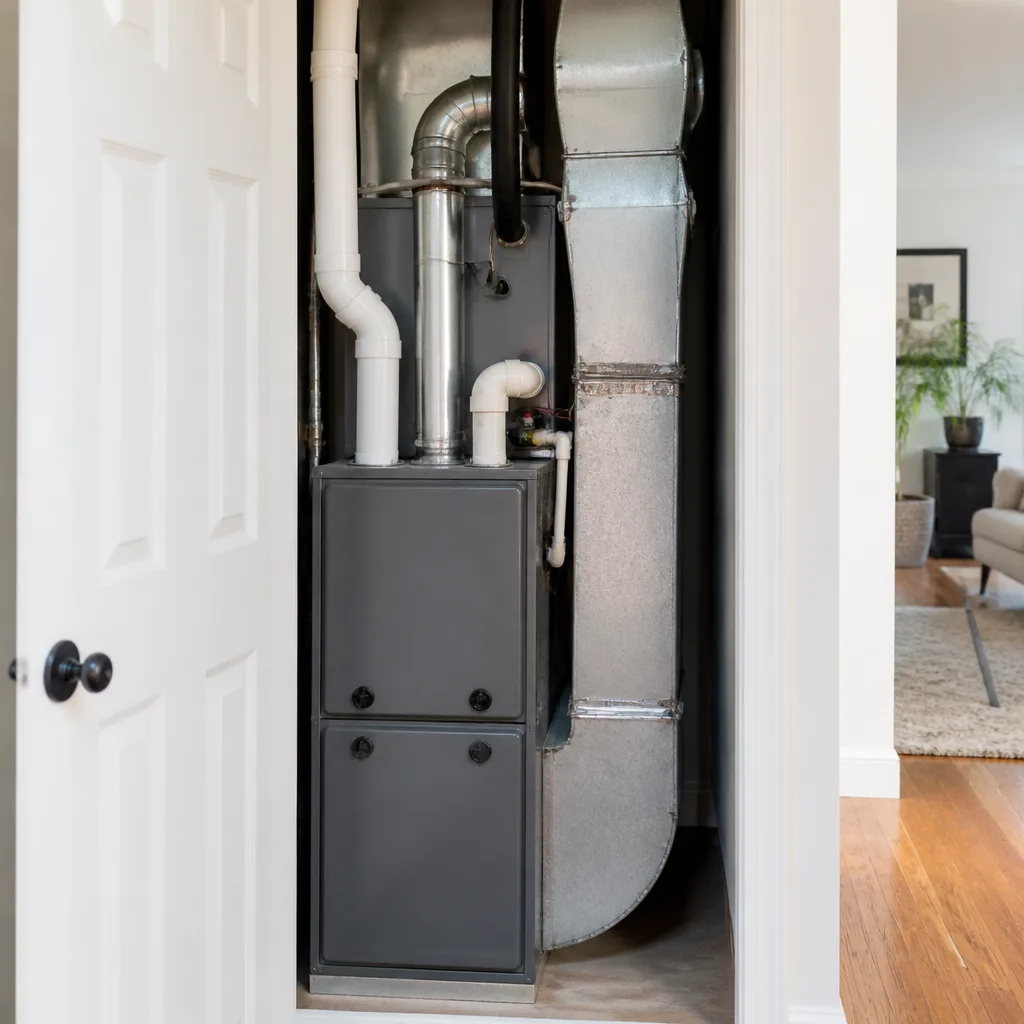
- Furnace replacement: Any new furnace, even the same BTU rating as the old one, requires a mechanical permit. The venting, gas connection, and condensate drainage all have to meet current code.
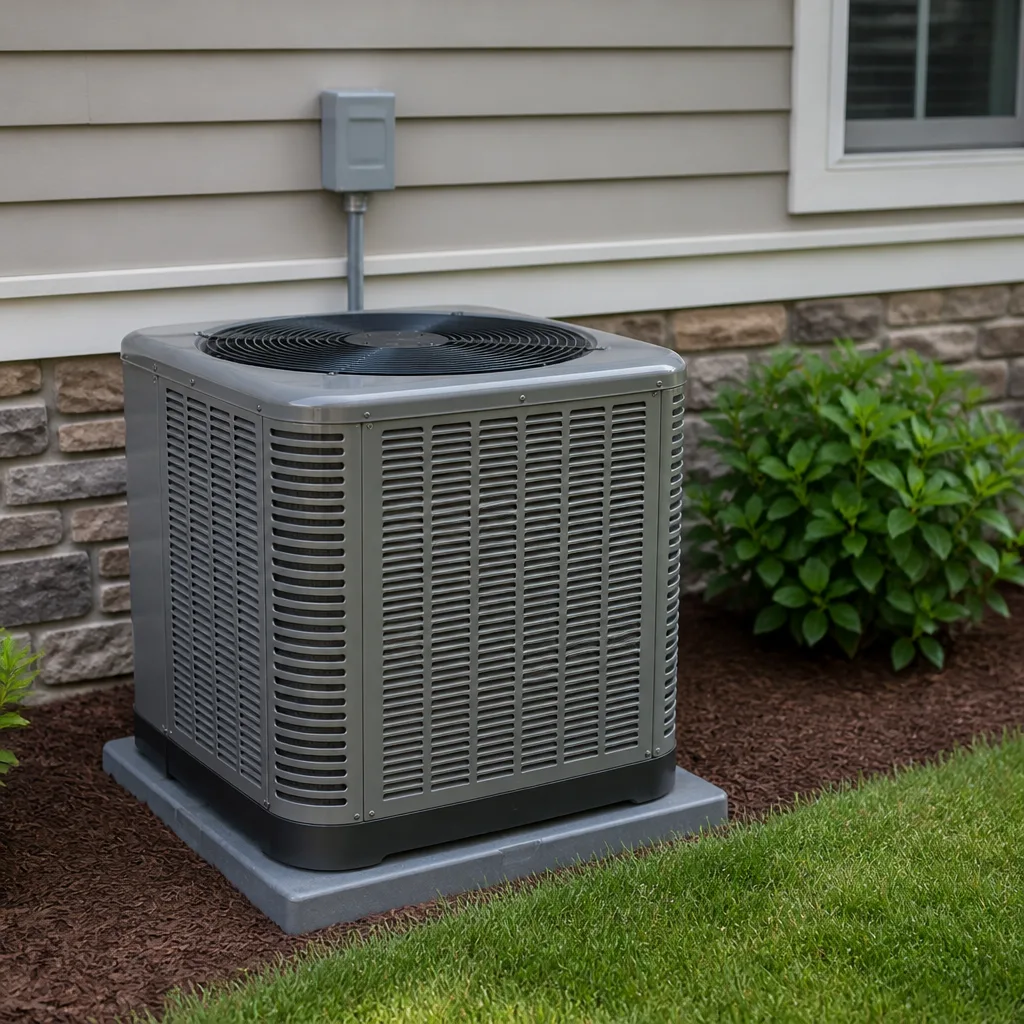
- Air conditioner or heat pump replacement: Any new condensing unit, coil, or heat pump triggers a permit. The electrical disconnect, refrigerant lines, and pad anchoring are inspected.
- Ductwork installation or modification: Adding new ducts, replacing more than a small section of existing duct, or moving supply and return registers requires a permit.
- Electrical circuit changes: If the new equipment needs a different breaker size or a new circuit, that’s an electrical permit in addition to the mechanical permit.
- Gas line changes: Any modification to natural gas piping feeding the furnace requires a permit. In Los Angeles, gas piping work may also require a separate pressure test witnessed by an inspector.
The one common exception is basic repairs that don’t change the system configuration. Replacing a failed igniter, a worn blower motor, a contactor, or a capacitor on an existing system doesn’t require a permit, because you’re restoring the equipment to its original operating condition rather than altering it. That distinction matters: at Brandt HVAC, we handle furnace repair in Los Angeles on systems of every age, and we’ll tell you plainly when a repair crosses the line into replacement territory that needs a permit. A good rule: if the old equipment leaves your property and new equipment takes its place, assume a permit is required.
LA County vs. City of Los Angeles: Which Rules Apply to You
Here’s something most homeowners in the Los Angeles area never learn until they’re mid-project: LA County and the City of Los Angeles are separate permitting jurisdictions, with their own forms, fees, and inspection procedures. Your address determines which one governs your HVAC work. If you live within the incorporated City of Los Angeles, you deal with the Los Angeles Department of Building and Safety, known as LADBS. If you live in an unincorporated area, or in one of the 87 other incorporated cities within Los Angeles County, you deal with LA County Building and Safety or your local city’s building department.
This matters more than most people think. In the City of Los Angeles, HVAC permit applications are typically filed online through the LADBS ePermit system, and a simple furnace or AC swap can often be issued over the counter without plan review. In LA County, the process usually requires submitting a building permit application that specifies the equipment type, location, and basic specs, and the permit fees are calculated differently. In some smaller cities within the county, like Pasadena or Glendale, local amendments may add stricter energy or noise requirements on top of the state code.
We’ve seen this catch homeowners off guard in neighborhoods from Sherman Oaks to El Segundo. A contractor pulls a county permit when the address is actually inside the City of Los Angeles, or vice versa. The result is a permit that’s invalid for the work performed, and the homeowner learns this only when they try to sell and the escrow company runs a permit history check. Here’s the practical step: type your address into the LADBS online permit search if you’re in the City, or into the LA County Building and Safety search if you’re not. If the search doesn’t recognize your address as Los Angeles city, you’re under county or local city jurisdiction.
Title 24 Compliance: Why “Like-for-Like” Is Not Always Legal
Title 24 is the California Building Standards Code section that governs energy efficiency. It’s the reason you can’t always swap an old furnace for a new one of the same size without additional work. Since the current Title 24 standards took effect, replacement HVAC equipment in California must meet minimum efficiency ratings, and in many cases must satisfy a whole-house energy calculation before the permit is issued.
Here’s the practical version of what that means. When a contractor replaces an air conditioner, the new equipment must meet the minimum seasonal energy efficiency ratio (SEER) required for your climate zone. Most of Los Angeles falls in California’s Climate Zones 6 and 9, which have their own minimum efficiency thresholds. If your existing ductwork is in an attic, Title 24 may also require that ducts be sealed and tested, and in some cases insulated to a minimum R-value, before the new system gets signed off. An older home with uninsulated ducts in an attic can require hundreds of dollars of additional duct work just to bring the replacement into compliance.
This is where a contractor’s expertise shows. A knowledgeable HVAC technician will check not just the equipment size but the duct configuration, the attic insulation, and the refrigerant type before quoting a replacement. Refrigerant is another Title 24 trigger: R-22, the refrigerant used in most pre-2010 AC systems, is no longer manufactured in the United States, and installing new equipment that uses R-22 is illegal. If your old system ran on R-22, a replacement means going to R-410A or a newer refrigerant, which often means replacing the refrigerant lines as well. That’s not the contractor upselling you. That’s code compliance.
What a HERS Rater Does and When California Law Requires One
HERS stands for Home Energy Rating System. A HERS rater is a state-certified independent inspector who verifies that energy-related construction and installation work meets Title 24 standards. California law requires a HERS rater on many HVAC projects, and that requirement surprises a lot of homeowners who have only ever dealt with a city building inspector.
A city inspector checks that the work is safe and matches the permit. A HERS rater checks that the work is efficient. For HVAC work, HERS verification is most often required for duct sealing and air leakage testing. On a typical furnace or AC replacement in Los Angeles where the ducts are modified or the equipment efficiency is part of the permit’s compliance path, the Title 24 compliance form may list HERS verification as a mandatory field. That means the contractor cannot close the permit until a third-party HERS rater performs the test, records the results, and submits them to a HERS registry.
The cost of a HERS test typically runs $200 to $500 in the Los Angeles area, and it’s usually listed as a separate line item on your quote. A contractor who quotes a full system replacement without any mention of possible HERS testing either doesn’t intend to permit the job or doesn’t understand California code. Both are reasons to keep looking. For AC Maintenance Maintenance Schedule: What to Do and When, see our maintenance checklist. The brands that show up most often in permitted Los Angeles change-outs on HERS-verified homes include Goodman, Rheem, and Daikin, all of which we service and install, and all of which have equipment lines designed to meet current Title 24 requirements when paired with properly sealed ducts.
How to Check Whether a Permit Was Pulled on Your Current System
If you’re buying a home in Los Angeles, or if you’re not sure whether the system already in your home was installed legally, you can check the permit history yourself. The process takes about 15 minutes online, and it’s worth doing before you close on any house.
Here’s the step-by-step for Los Angeles and the surrounding county:
- Determine your jurisdiction. If you’re in the City of Los Angeles, you’ll use LADBS. If you’re in an unincorporated area or another city in LA County, use the LA County Building and Safety portal or your city’s own building department site.
- Search by address. LADBS has an online “Building Records” search where you enter the street number and street name. The county system works similarly. No login is required.
- Look for mechanical permits. In the records, look for permits labeled “Mechanical,” “HVAC,” “Heating,” or “Air Conditioning.” The record will show the date the permit was issued and whether it was finaled, meaning the inspection was completed and the permit was closed.
- Check for open permits. An open permit that was never finaled is a problem too. It means the work started on the books but was never inspected and signed off. Escrow companies flag open permits routinely.
- If nothing shows up, and the furnace or AC looks newer than the rest of the house, the work was likely unpermitted. That’s common, especially in Los Angeles neighborhoods where homes changed hands during the 2000s boom and flippers cut corners.
What do you do if you discover unpermitted work? You have two basic paths. You can negotiate with the seller to either pull a retroactive permit or reduce the price to cover the cost of bringing the system to code. Or you can accept the risk and budget for a future repair or replacement, understanding that you’ll face the same problem when you sell. Neither path is enjoyable. Both are worse than simply ensuring the work is permitted in the first place.
The Liability Chain: Permitted vs. Unpermitted Work at Escrow
A building permit is not an expense. It’s a paper trail. When a contractor pulls a permit, the work enters a public record. The city or county inspects it. The inspection notes what was done and confirms it met code at that moment. That record protects you in three ways: it proves the work was done legally, it shifts compliance liability to the contractor who performed it, and it gives you a document to show a buyer when you sell.
Unpermitted work breaks that chain at the first link. The contractor who skipped the permit saved you a few hundred dollars, but they also left no record of what they did. When you sell, the buyer’s home inspector may flag the system. The escrow company’s permit search may show no mechanical permit for equipment that’s clearly newer than the house. At that point, the entire liability lands on you. California’s standard residential purchase agreement requires sellers to disclose all work done without permits, and failing to do so opens you to post-sale legal claims. If the buyer discovers unpermitted HVAC work after closing, they can sue for the cost of bringing the system to code, plus attorneys’ fees in many cases.
We’ve seen this play out in escrow disputes from Woodland Hills to Long Beach. A homeowner is about to close, the escrow report shows an unpermitted furnace installed in 2019, and the seller has to either complete a retroactive permit process (which costs more than the original permit) or knock thousands of dollars off the sale price. The retroactive process isn’t always possible: if the equipment doesn’t meet current code, the seller may have to replace it entirely before the sale can close. A $250 permit turns into a $6,000 replacement. That’s the real cost of “we don’t need a permit.”
What Permits and Inspections Actually Cost in Los Angeles
Permit fees in the City of Los Angeles and LA County are based on the valuation of the work, not a flat rate. For a typical furnace or AC replacement, here are the price ranges we see regularly in the Los Angeles market:
| Item | Typical Cost Range | Notes |
|---|---|---|
| Mechanical permit (furnace or AC swap) | $150-$300 | Based on work valuation; varies by jurisdiction |
| Electrical permit (if circuit changes) | $80-$200 | Required when breaker size or wiring is altered |
| HERS duct sealing verification | $200-$500 | Third-party cost if Title 24 requires it |
| Re-inspection fee | $75-$150 | If the first inspection fails and requires a return visit |
| Retroactive permit (for unpermitted work) | 2-3x original permit fee | Plus any code compliance work required |
These are the honest numbers. The permit itself is rarely the most expensive part of the job. What costs more is the compliance work a permit sometimes triggers: duct sealing, new refrigerant lines, a condensate drain rerouted to current code, or an electrical disconnect upgraded to meet modern safety standards. That’s not bureaucracy running up your bill. That’s the difference between work that passes an inspection and work that looks fine from the outside but wouldn’t survive a serious problem.
At Brandt HVAC, every quote you receive is a written price before any work starts. If a permit is required, the permit fee is listed as its own line item. You’ll never get a surprise “city fee” added after the fact. That’s how the Brandt HVAC home standard works, and it’s how we’ve done things in Los Angeles since 2003.
Common Mistakes to Avoid
- Believing “like-for-like means no permit.” In California, replacing a furnace with another furnace still triggers a permit. The only exception is repair work that keeps the existing equipment in place. If your HVAC company tells you a full replacement doesn’t need a permit, they’re either misinformed or they don’t want the inspection.
- Letting the contractor handle the permit “later.” A contractor who says they’ll pull the permit after the work is done is planning to never pull it. Permits are filed before work begins, not after. The inspection can’t be backdated.
- Paying cash for unpermitted work to save money. The savings is the permit fee, typically under $300. The liability you inherit is the full cost of bringing the system to code at escrow, which can run into the thousands. It’s a bad trade every time.
- Assuming the city inspector checks energy compliance. City inspectors in Los Angeles check safety and code compliance. Title 24 energy verification is separate, often requiring a HERS rater. A passed city inspection doesn’t mean the project meets energy code.
- Not checking the permit’s “finaled” status. A permit that was issued but not finaled is still an open permit. When you sell, escrow will flag it. Always verify the final inspection was completed and the permit is closed, not just pulled.
- Replacing a furnace without checking the existing venting. Older Los Angeles homes often have venting that doesn’t meet current code. A permitted replacement may require upgrading the vent pipe or flue, and a contractor who doesn’t mention this upfront isn’t preparing you for what the inspector will require.
When to Call a Professional
There are times when calling a licensed contractor is the only sensible move, and not because you can’t watch a YouTube video. If your system is older than 15 years and you’re facing a major repair, you need someone who can tell you honestly whether repair or replacement makes more sense under current Los Angeles code. If you bought a home and discovered unpermitted HVAC work, you need someone to assess what bringing the system to code will actually cost before you decide whether to pursue the seller. If your ducts are in an attic and you’ve never had them sealed, a Title 24-compliant replacement will likely require a HERS test, and you need a contractor who schedules that as part of the job rather than dropping it on you mid-project. Brandt HVAC offers free estimates in Los Angeles. Call (984) 538-9003 and you’ll get a written price, an honest assessment of what your project requires for permits, and a straight answer on whether your current system is worth repairing. For a full rundown of what ongoing care looks like for a permitted system, see our guide to AC maintenance in Los Angeles.
Frequently Asked Questions
Yes. Any replacement of an air conditioner, heat pump, or furnace in California requires a mechanical permit, even if the new unit is the same size as the old one. The permit triggers an inspection that verifies the electrical connection, refrigerant lines, and equipment anchoring meet current code. The only exception is repair work that doesn’t remove the existing equipment. Call (984) 538-9003 if you’re not sure which category your project falls into.
If the buyer discovers unpermitted HVAC work before closing, you may be required to pull a retroactive permit or compensate the buyer for the cost of code compliance. If they discover it after closing, you can face a lawsuit for failure to disclose. Unpermitted work typically reduces the sale price by the full cost of replacement, and it can delay closing by weeks. The safe move is to disclose it and negotiate rather than hope no one notices.
Search your address in the LADBS online building records system if you’re in the City of Los Angeles, or the LA County Building and Safety portal if you’re outside the city. Look for mechanical or HVAC permits that were issued and marked finaled. If you see no mechanical permit for equipment that’s newer than the rest of the house, the work was likely unpermitted.
A HERS rater is a state-certified third-party inspector who verifies that energy efficiency work meets Title 24 standards. On HVAC projects, HERS testing most often covers duct sealing and air leakage. The rater measures how much conditioned air escapes from your duct system and submits the results to a state registry. A typical HERS test in Los Angeles costs $200 to $500.
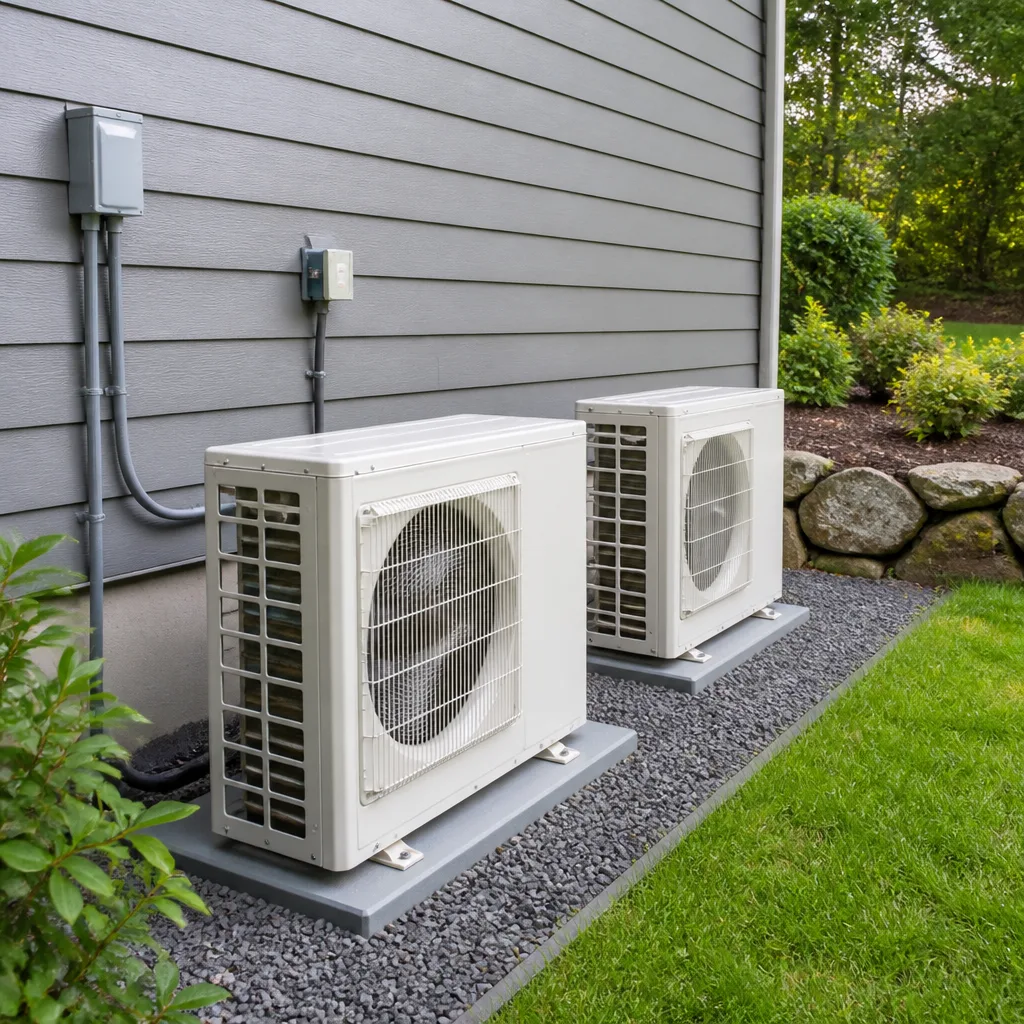
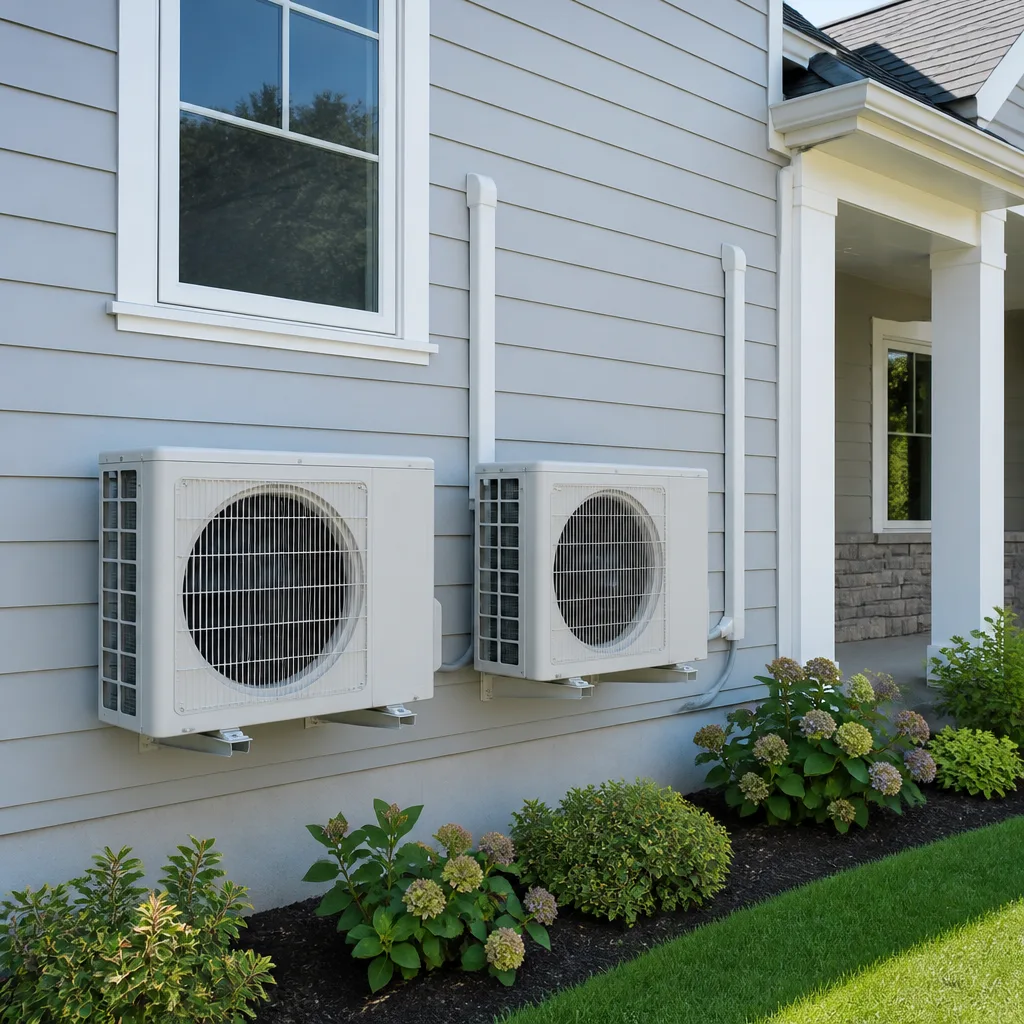
Yes. A ductless mini-split is considered a new heating and cooling system, and installing one requires a mechanical permit plus an electrical permit for the new circuit feeding the indoor and outdoor units. The permit ensures the refrigerant lines, condensate drainage, and electrical disconnect meet current California code. Some Los Angeles jurisdictions add noise restrictions on outdoor units that are checked during the inspection.
In most Los Angeles jurisdictions, the property owner can pull their own permit for work on a home they occupy. But here’s the catch: by pulling the permit yourself, you assume the legal responsibility for the work passing inspection, and in many cases the person performing the work must be listed on the permit. If you’re not a licensed contractor, you can’t legally hire an unlicensed person to do the work under your permit. This is one of the most common ways homeowners end up with unpermitted work they didn’t intend to have.
The Bottom Line
HVAC permits in California are the only legal mechanism that triggers an independent inspection of work inside your walls. In Los Angeles, the rules differ by jurisdiction, the energy standards keep tightening, and the cost of skipping the process lands on you at the worst possible moment. A permitted job creates a paper trail that protects you when you sell. An unpermitted job creates liability that compounds with every year it goes undisclosed. The permit fee is a few hundred dollars. The alternative can run into thousands at escrow or in court. For more guides & resources, visit our blog. When you’re ready for work that’s done right and documented properly, call Brandt HVAC at (984) 538-9003. We’ll give you a written price, explain exactly what your project requires for permits and inspections, and stand behind the work for 365 days. That’s the standard we’ve kept in Los Angeles since 2003.
Written by Devin Marlowe, Owner at Brandt HVAC, serving Los Angeles since 2003.