
Last updated October 9, 2026
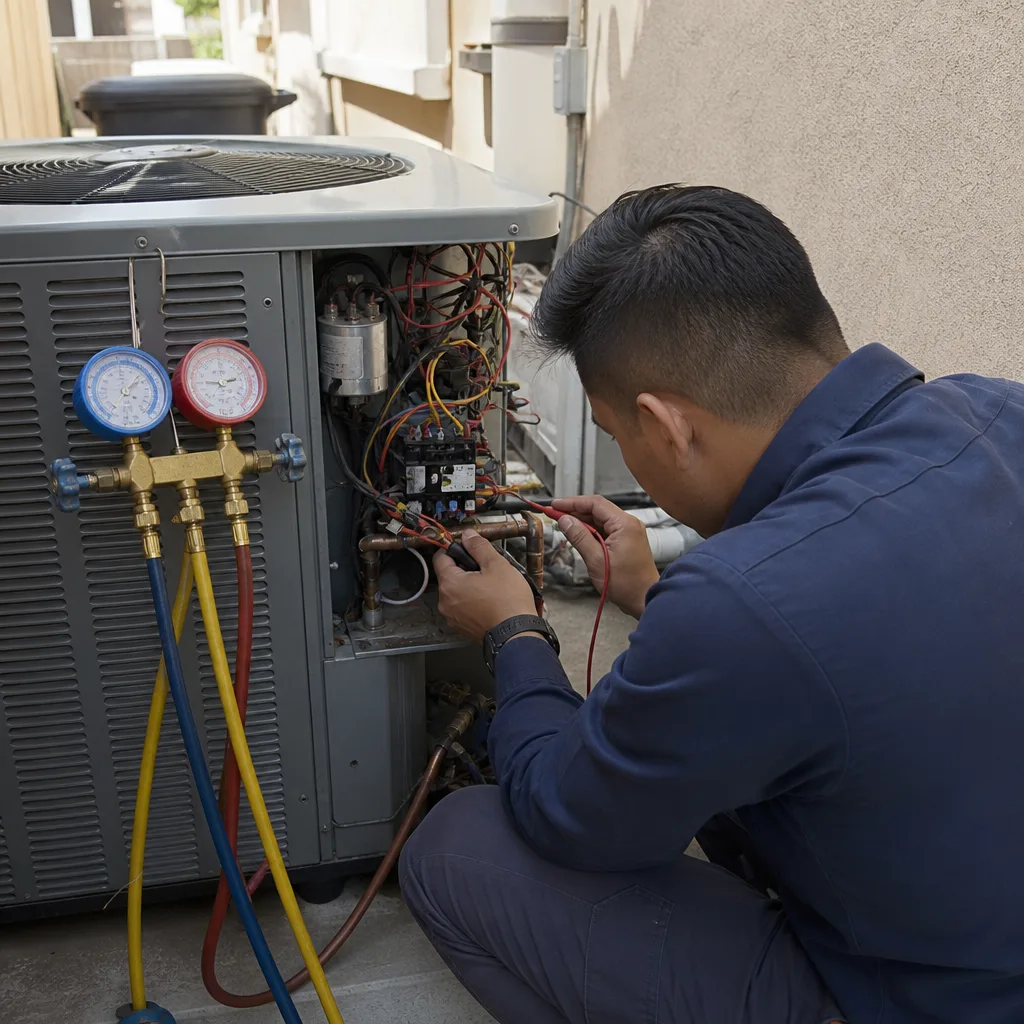
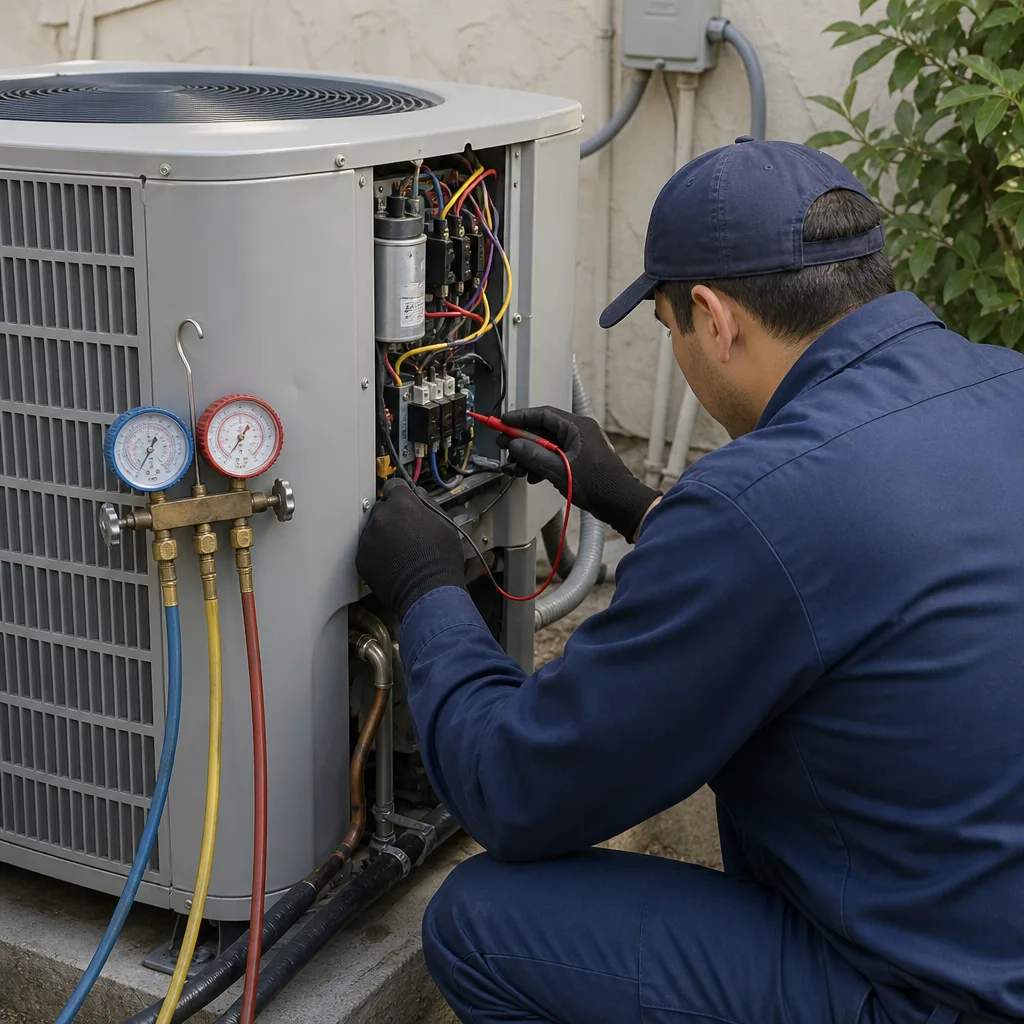
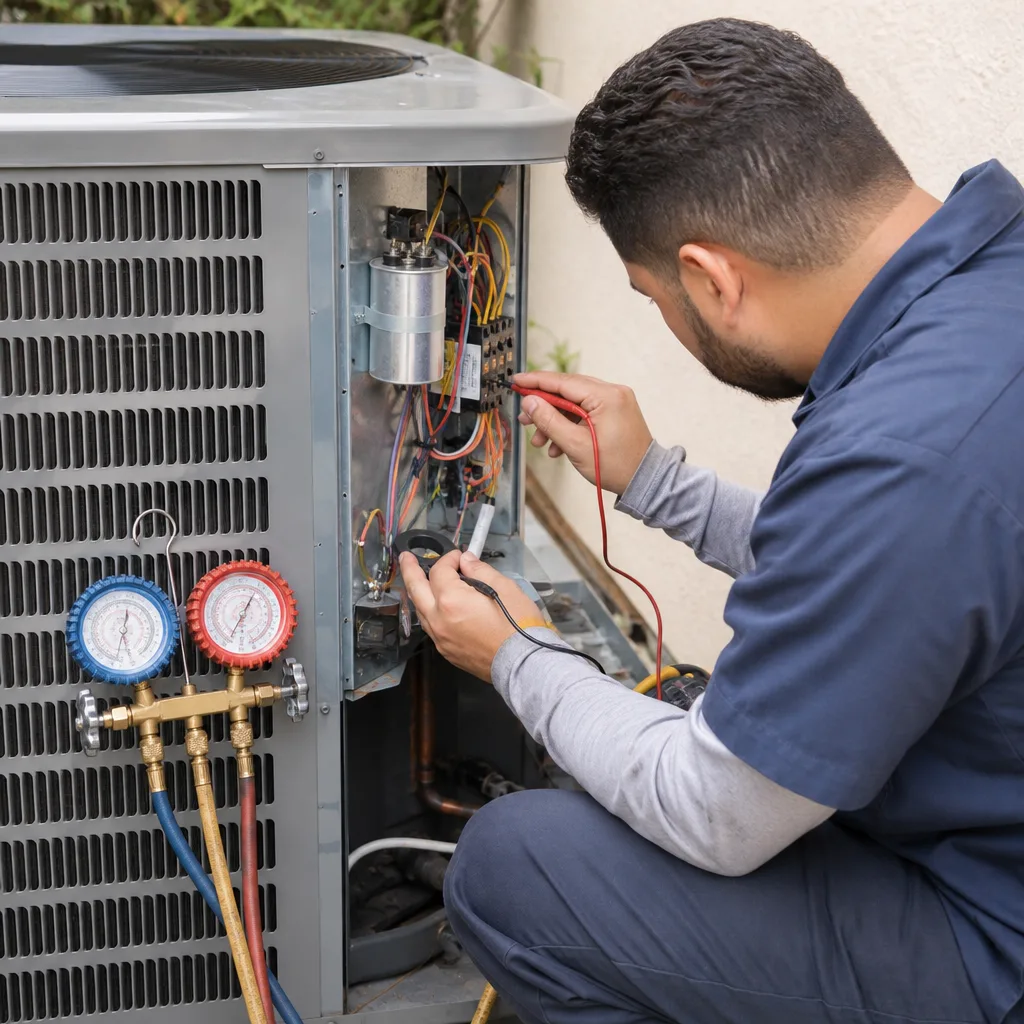
Seasonal tune-up and full diagnostic on your Carrier, Trane, or Goodman system - readings shown to you before any repair is proposed
Diagnosis first, numbers second - you approve the repair price before a single part goes in.
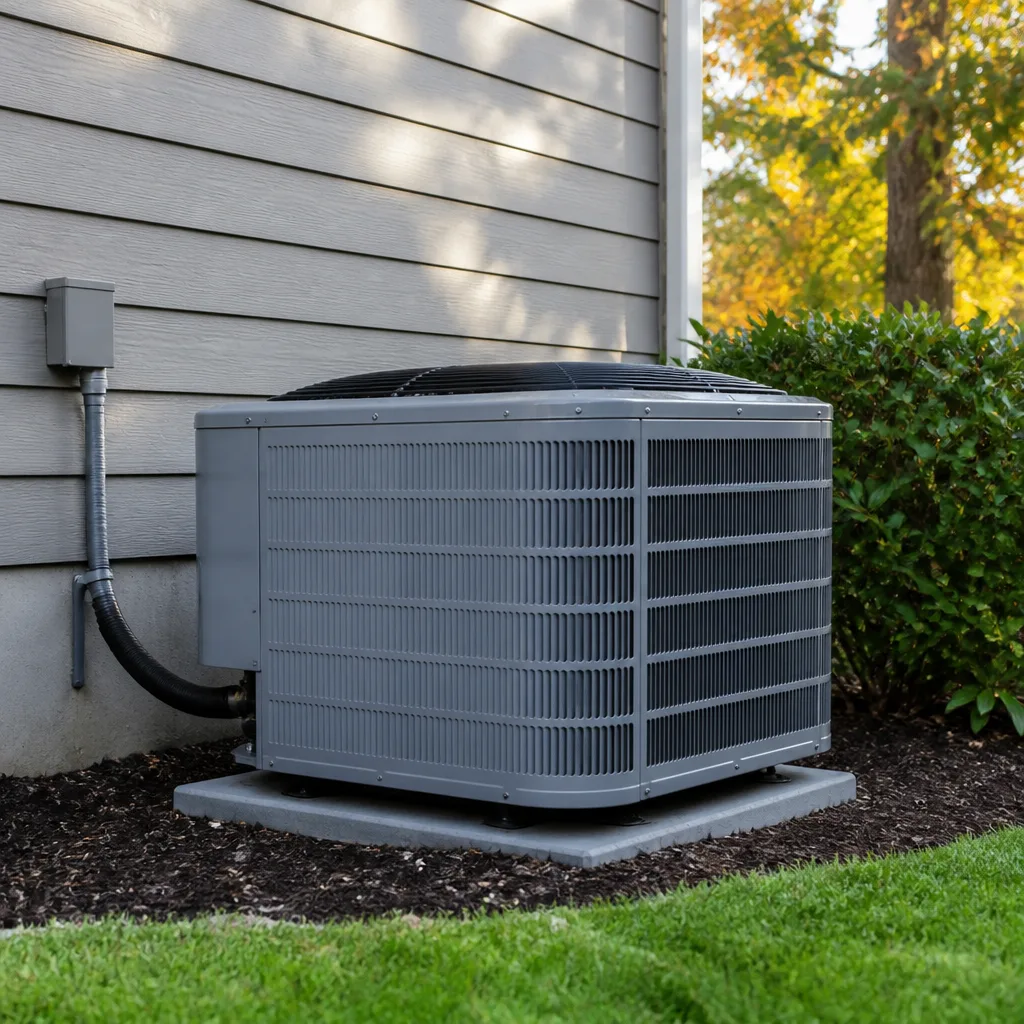
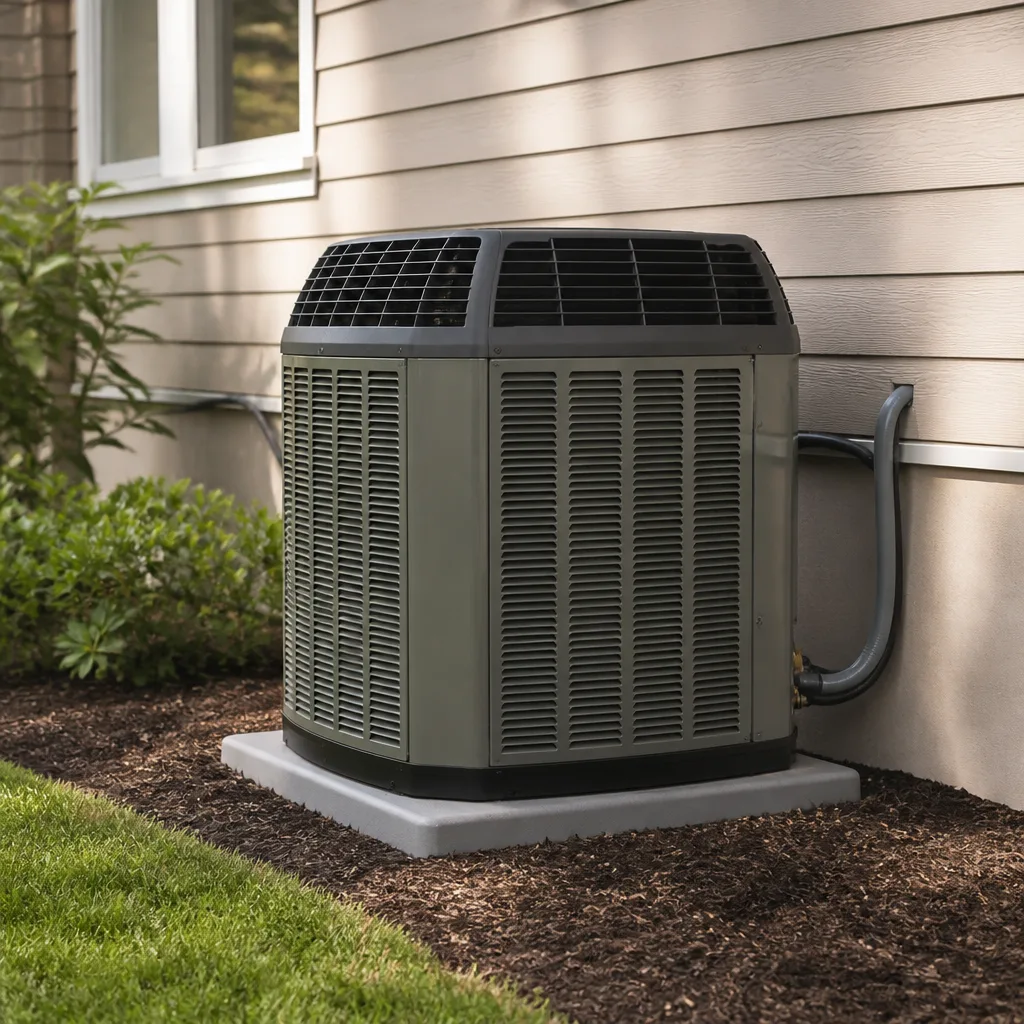
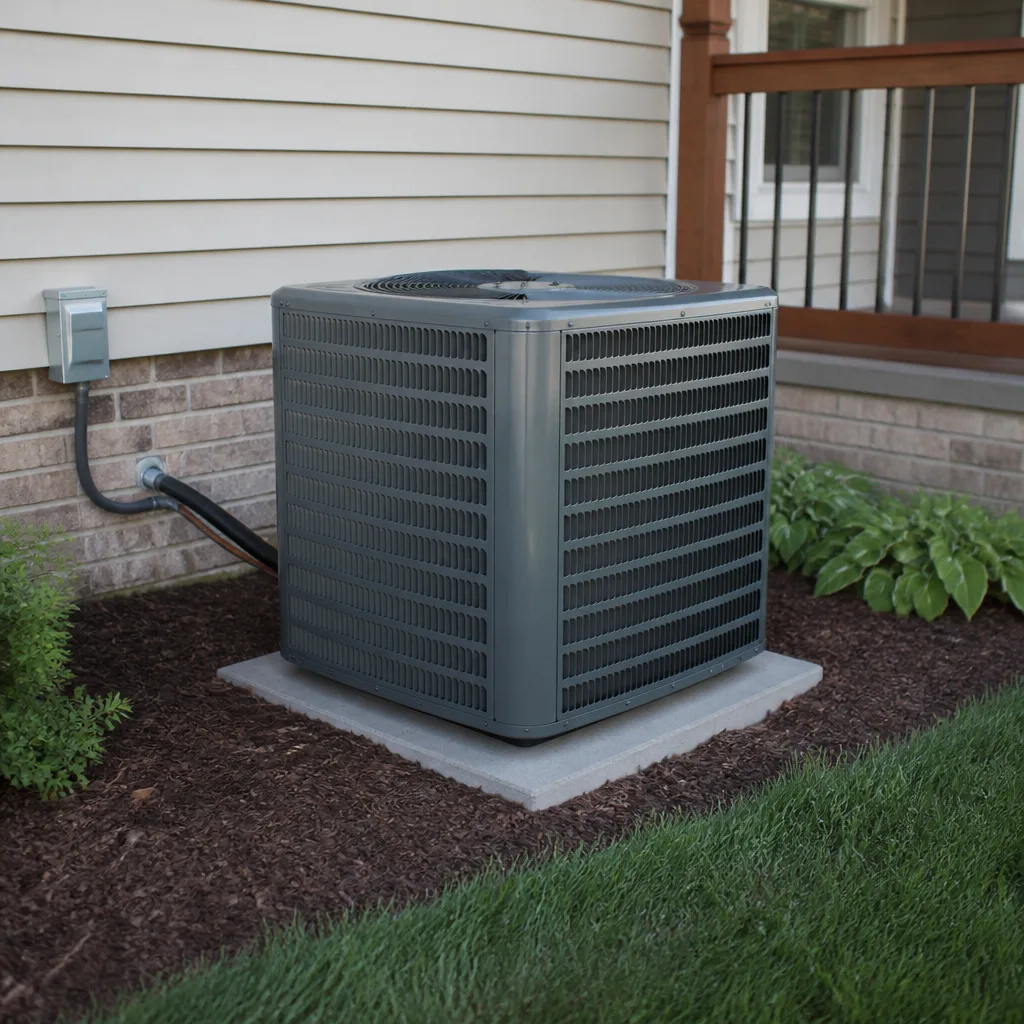
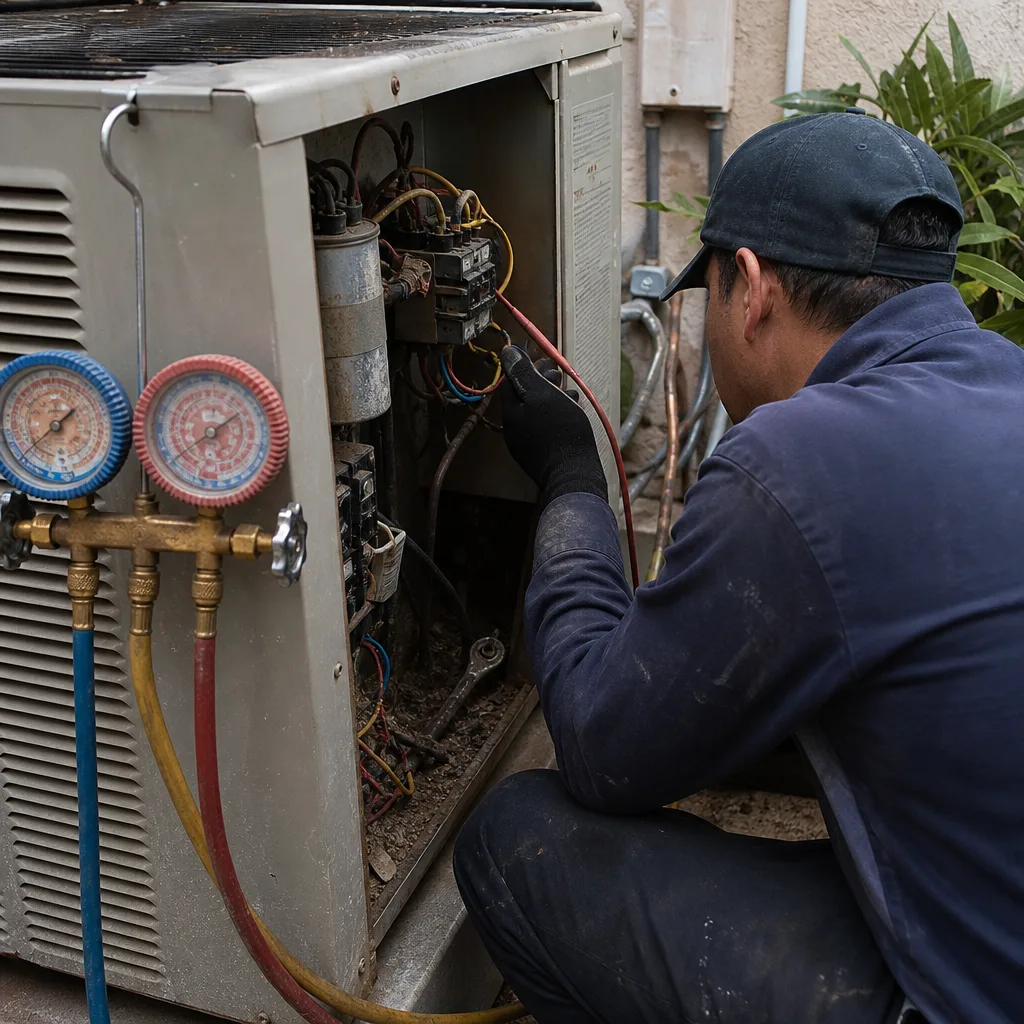 Before
 After
After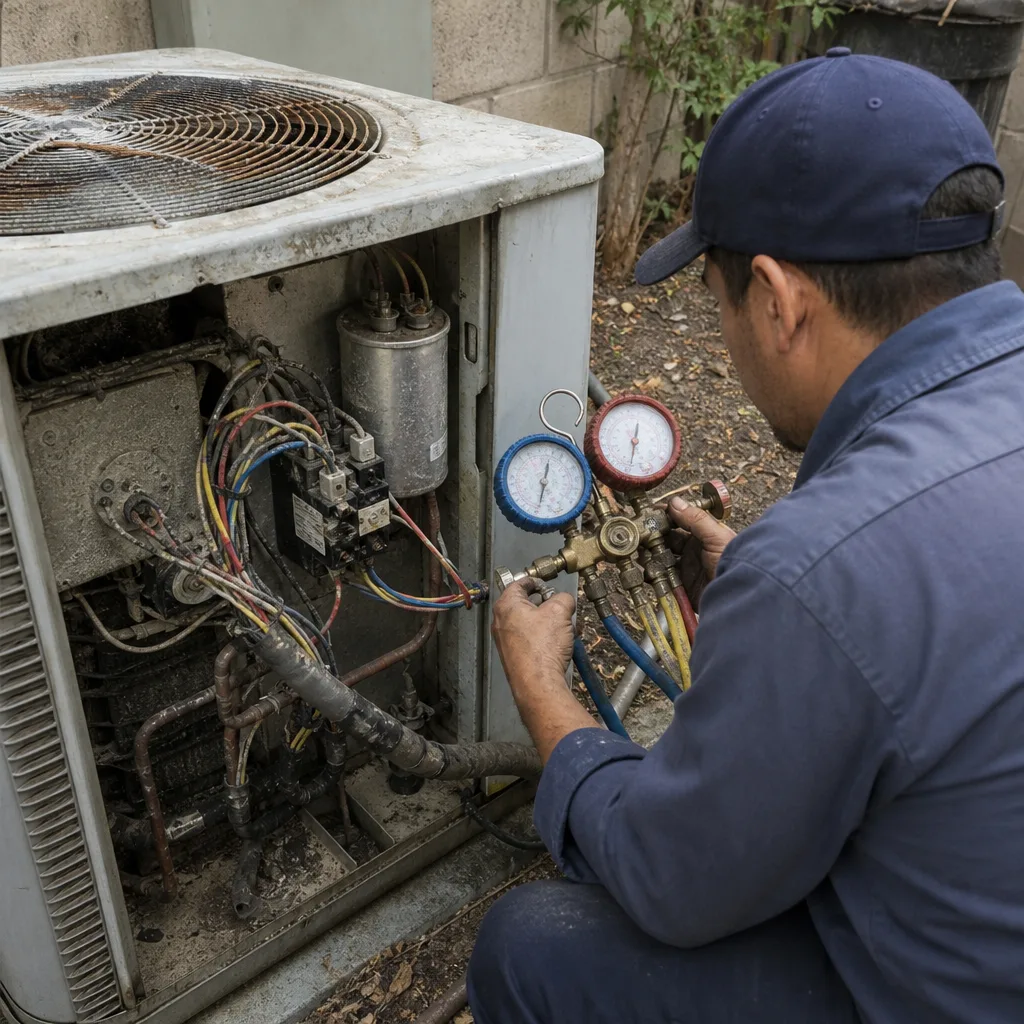 Before
 After
After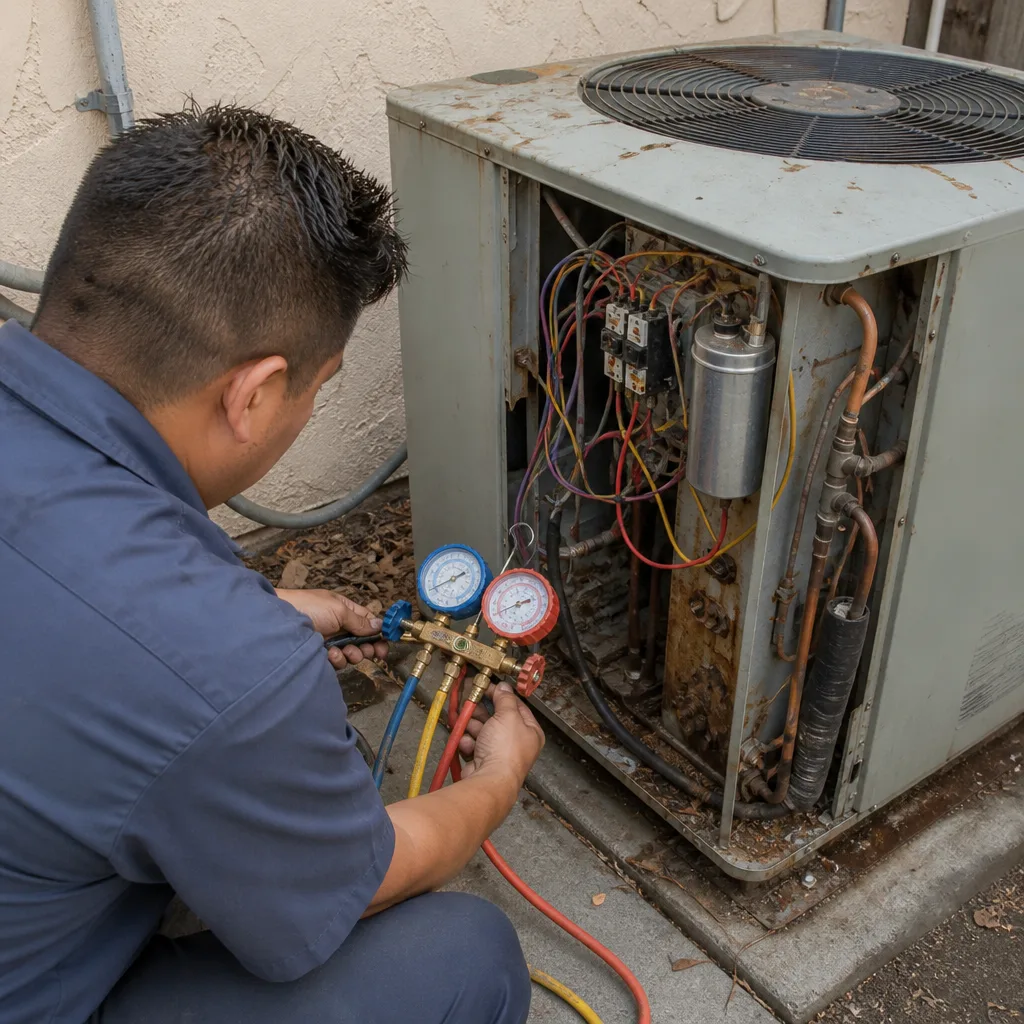 Before
 After
AfterHVAC Emergency Preparedness Guide for Los Angeles Homes
Here’s a counterintuitive fact about Los Angeles HVAC emergencies: the most dangerous time for your system isn’t the hottest day of the year. It’s the two hours after the power flickers back on following a rolling blackout, or the first Santa Ana wind event of the season when your AC has been idle for months. Most failures in Los Angeles homes happen not during stable stress, but during transitions: restarts, temperature swings, and sudden load spikes. This guide gives you a concrete plan for the three emergencies that actually hit LA homes, plus the preparation that makes them survivable, and you can explore more guides & resources for year-round HVAC maintenance. We’ve spent two decades responding to these calls across Los Angeles, and the homeowners who handle an emergency well all have one thing in common: they did the thinking before the crisis.
Quick Answer
HVAC emergencies in Los Angeles most often involve sudden AC failure during a heat spike, wildfire smoke intrusion through the ductwork, or a system that won’t restart after a power outage. Before calling a technician, run a 15-minute diagnostic checklist that resolves about 20% of apparent emergencies: check the thermostat, circuit breakers, air filter, condensate overflow switch, and outdoor unit for visible obstructions. If you want to recognize problems earlier, see HVAC Warning Signs: A Los Angeles Homeowner’s Reference Guide. If the issue goes beyond these basics, call a vetted professional immediately; in Los Angeles heat, especially in the San Fernando Valley where temperatures regularly exceed 100°F, every hour without cooling raises the health risk in your home.
Table of Contents
- Sudden AC Failure During a Santa Ana Heat Spike
- Wildfire Smoke Intrusion: Protecting Indoor Air
- Post-Power-Outage System Failure
- The 15-Minute Diagnostic Checklist
- How to Evaluate Emergency Pricing Without Getting Taken
- Pre-Season Preparation: May and September Checks
- What to Keep On Hand: Documents, Contacts, and Supplies
- Common Mistakes to Avoid
- When to Call a Professional
- Frequently Asked Questions
Sudden AC Failure During a Santa Ana Heat Spike
When a Santa Ana event pushes Los Angeles temperatures to 105°F or higher, your air conditioner runs longer and harder than at any other point in the year. The failure pattern is predictable: compressors that were already weak give out under the sustained load, capacitors that were degrading finally fail, and condensate lines clog and trigger the overflow safety switch. In neighborhoods like Woodland Hills, Northridge, and Studio City, where Valley temperatures run 10 to 15 degrees hotter than the coast, these failures cluster in the late afternoon and early evening, exactly when you’re trying to get the house cool enough to sleep.
Here’s what to do the moment you notice warm air coming from your vents during a heat event:
- Check the thermostat first. Confirm it’s set to “cool” and the temperature is set at least 5 degrees below the room temperature. In about 10% of emergency calls we respond to in Los Angeles, the thermostat has been accidentally switched to “heat” or “off” by a child, a cleaning service, or a power surge that reset the settings.
- Check the circuit breaker. AC units draw enormous current during heat spikes. Your breaker box will have a dedicated double-pole breaker labeled “AC,” “Air Conditioner,” or “Compressor.” If it’s tripped, flip it fully off, wait 30 seconds, then flip it back on. If it trips again immediately, stop and call a technician. Repeatedly resetting a tripped breaker can damage the compressor and create a fire hazard.
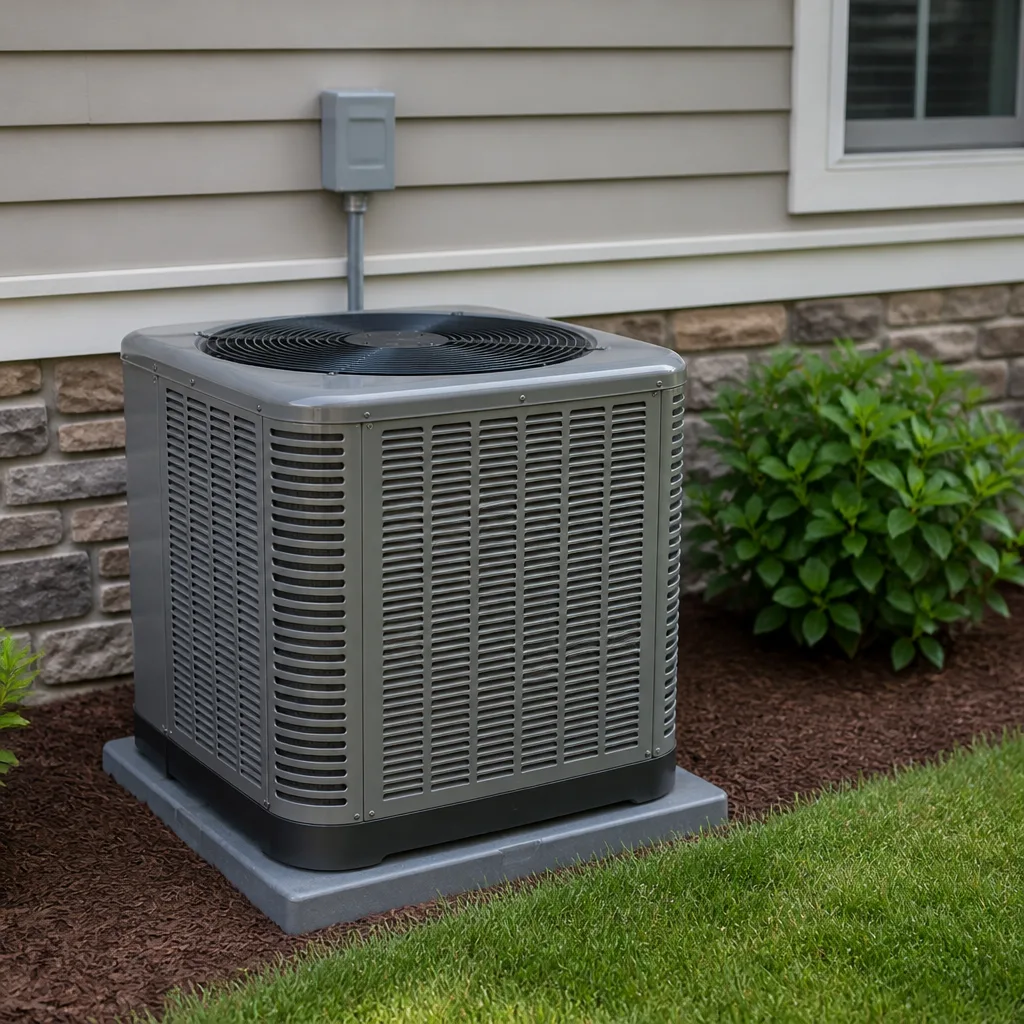
- Check the outdoor unit. Walk outside and look at the condenser. Is the fan spinning? Can you hear the compressor humming? If the fan isn’t spinning but the unit is humming, the capacitor has likely failed, a common Los Angeles heat-spike failure. Turn the system off at the thermostat to prevent compressor damage and call for service.
- Check the air filter. A clogged filter restricts airflow across the evaporator coil, which can cause the coil to freeze and trigger a safety shutdown. If you haven’t changed the filter in 3 months or more, replace it now. If the coil is frozen, turn the system off and let it thaw for 2 to 4 hours before restarting.
- Close blinds and curtains. Direct sunlight through south-facing and west-facing windows adds significant heat load to your home. Reducing solar gain buys you time while you wait for service.
If none of these steps restore cooling, you’re dealing with a genuine emergency. In Los Angeles, extreme heat is a documented health risk, particularly for older adults, young children, and people with respiratory or cardiac conditions. Don’t wait overnight hoping the system recovers. Call a technician who can confirm the visit time, tell you exactly who is coming, and provide a written price before any work starts.
Wildfire Smoke Intrusion: Protecting Indoor Air
Wildfire season in Los Angeles now runs nearly year-round, but the worst smoke intrusion events typically hit between September and November when Santa Ana winds carry ash and particulate matter across the Basin. Your HVAC system is either your best defense or your biggest vulnerability during these events. The key variable: whether your system is running with adequate filtration and whether the fan is set correctly.
During a smoke event, here’s the step-by-step response:
- Switch the thermostat fan from “Auto” to “On.” This runs the blower continuously, which keeps air moving through your filter even when the system isn’t actively cooling or heating. Continuous filtration is your primary defense against smoke particulate infiltrating your home.
- Check your filter’s MERV rating. Standard fiberglass filters (MERV 1-4) capture almost no smoke particulate. If you live in a smoke-prone area of Los Angeles, such as the foothill communities near the Angeles National Forest or neighborhoods downwind of the I-405 corridor during brush fires, install a MERV 13 filter during fire season. MERV 13 captures 90% of particles in the 1 to 3 micron range, which is where wildfire smoke concentrates. Most residential systems can handle MERV 13, but check your system’s specifications.
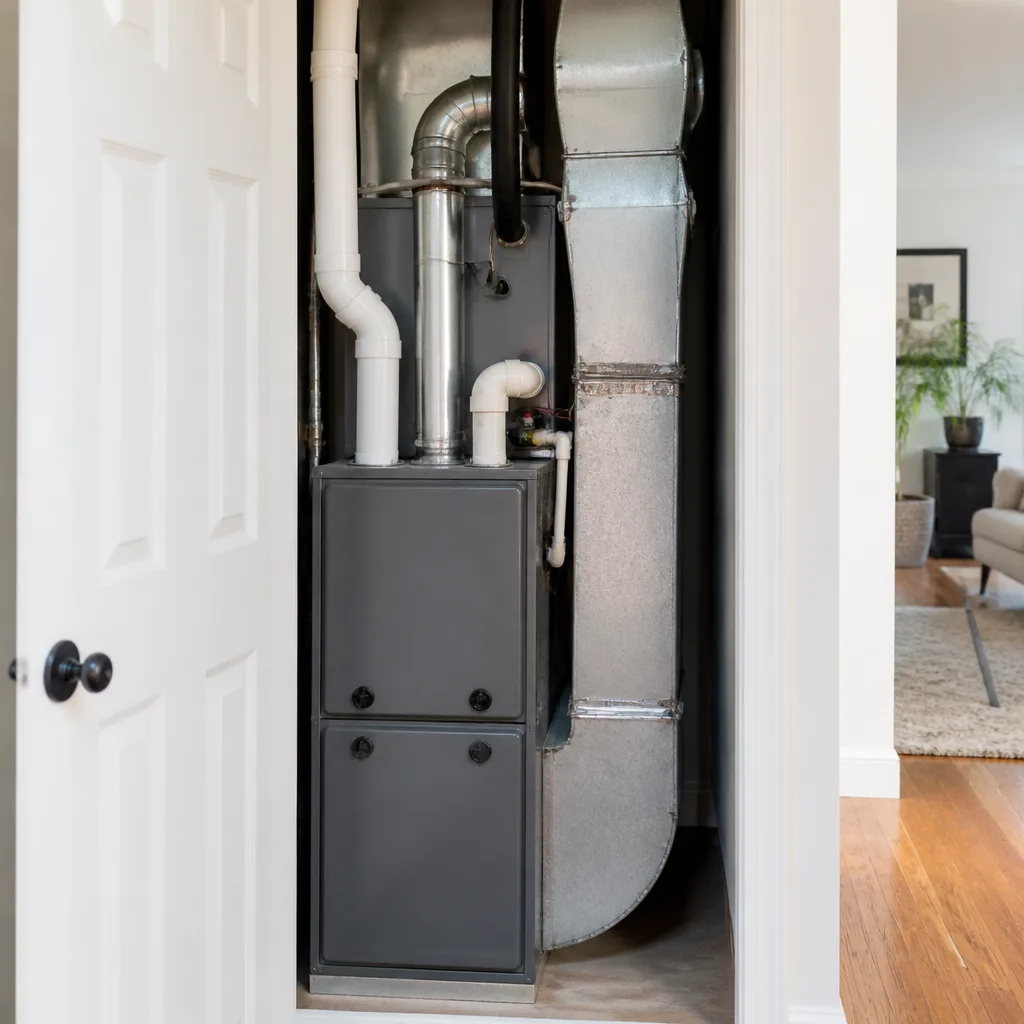
- Close the fresh air intake damper. Many newer Los Angeles homes have fresh air intake vents that pull outside air into the ductwork. During a smoke event, this damper should be closed. If you’re unsure where it is, look for a small vent near the furnace or air handler with a manual lever. If you can’t locate it, a technician can show you.
- Don’t run exhaust fans unnecessarily. Bathroom fans, kitchen range hoods, and dryer vents all create negative pressure inside your home, which pulls smoky outside air in through any crack or gap. During heavy smoke, minimize their use.
- If smoke odor is strong inside the house, turn the system off entirely. If your ductwork has leaks, or if your filter is inadequate, running the fan continuously can actually pull smoke into the living space. In that case, seal yourself in one room with a portable HEPA air purifier if you have one, and call your HVAC company about duct sealing and filtration upgrades.
After the smoke clears, replace your filter even if it looks only slightly discolored. Fine particulate embeds itself deep in filter media, restricting airflow and reducing system efficiency. If you have a washable electrostatic filter, wash it thoroughly and let it dry completely before reinstalling. In our experience with Los Angeles homes, systems that ran through a full wildfire smoke event without a post-event filter change show measurable airflow reduction within 60 days.
Post-Power-Outage System Failure
Los Angeles experiences power outages from three primary causes: rolling blackouts during heat events when the grid is overloaded, public safety power shutoffs during high wind and fire risk, and infrastructure failures after earthquakes. Each of these creates a different restart scenario for your HVAC system.
The most common post-outage failure we see in Los Angeles is the system that won’t restart at all. Here’s what’s happening and what to do:
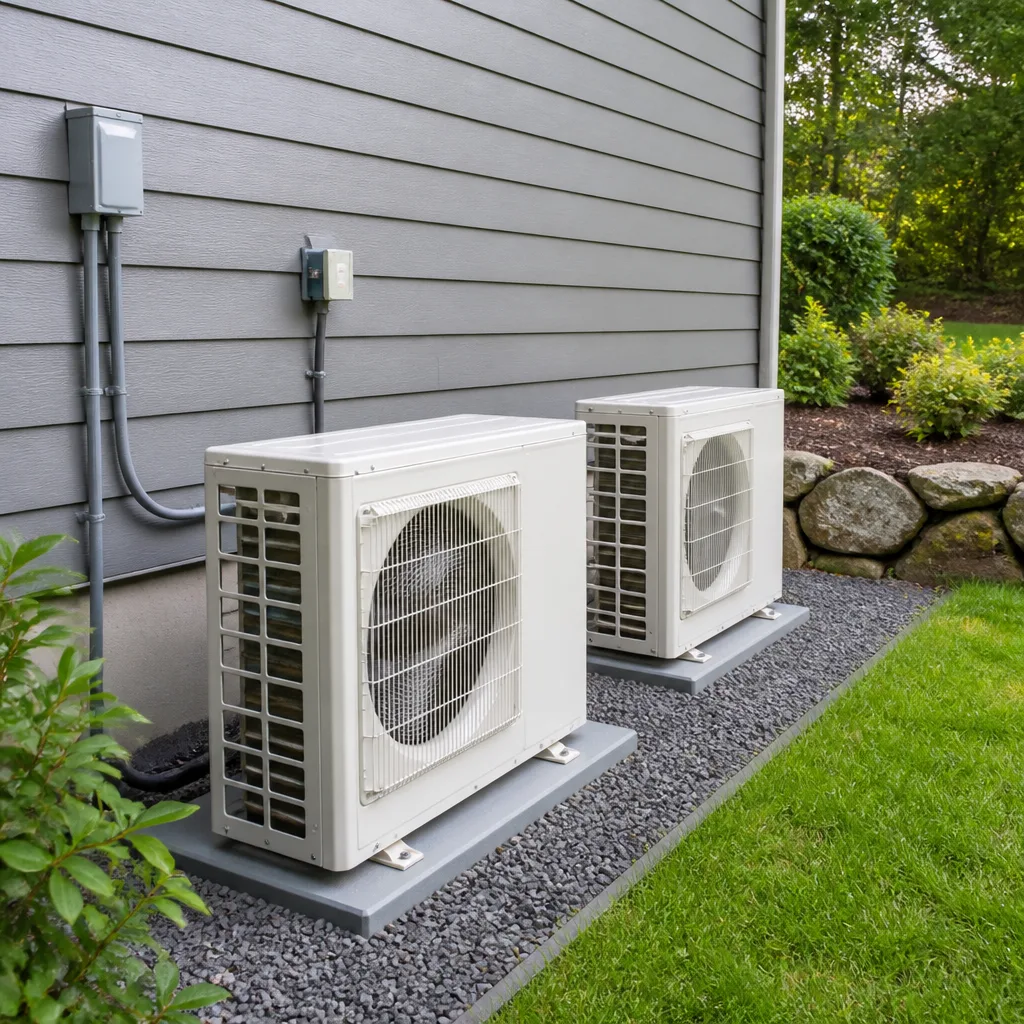
If the system is completely dead: Check the circuit breaker first, even if it doesn’t look tripped. Utility power restoration often sends a surge that trips breakers in multiple homes. Flip the HVAC breaker fully off, then back on. Check the disconnect switch near the outdoor unit, a small metal box mounted on the wall next to the condenser. Make sure it’s in the “on” position. Check your thermostat; many digital thermostats lose their programming during an outage and default to settings that prevent the system from starting.
If the system starts but blows warm air: This often indicates that the compressor’s internal overload protector has tripped. It’s a safety device that protects the compressor from restarting under high pressure. Let the system sit for 30 to 60 minutes with the thermostat set to “off,” then try again. If warm air persists, the capacitor may have been damaged by the power surge when service was restored. Capacitor failure is one of the most common repairs we perform on Los Angeles systems after outages.
If the system starts and immediately shuts down: This pattern suggests a pressure switch or limit switch tripping. It could be a dirty condenser coil (which causes high head pressure), a restricted airflow issue, or a failing component. This is not a DIY fix. Call for service before running the system repeatedly, which can damage the compressor.
One more important note: after a power outage that lasts more than 4 hours, particularly in the humid conditions Los Angeles occasionally experiences in late summer, your condensate drain line may have developed a biofilm blockage. When the system restarts, the drain overflows and triggers the safety float switch, which shuts everything down. This is actually a good thing, it’s the switch doing its job, but it requires clearing the drain line. If you’re comfortable doing so, you can use a wet/dry vacuum to clear the drain line access point near the indoor air handler. If you’re not comfortable, this is a quick service call.
The 15-Minute Diagnostic Checklist
Before you call any HVAC company in Los Angeles, run through this checklist. It resolves about 20% of apparent emergencies without a service call, and it gives the technician useful information when you do call:
- Thermostat settings (2 minutes). Is it set to “cool”? Is the temperature set below room temperature? Are the batteries dead (if it has batteries)? Has the schedule been overridden by an old program?
- Circuit breakers (3 minutes). Find your electrical panel. Look for the HVAC breaker. Flip it fully off, then fully on. Do the same for the indoor air handler or furnace breaker if it’s separate.
- Air filter (3 minutes). Locate the filter. If it’s visibly dirty, replace it. A clogged filter can trigger a limit switch shutdown that mimics a major failure.
- Condensate overflow switch (3 minutes). Find the safety switch, typically a small float device on the drain line near your indoor unit or in the drain pan. If the switch is tripped (often indicated by a small red light or raised float), the system won’t run. Clearing a blocked drain line often resolves this.
- Outdoor unit visual check (2 minutes). Is the condenser covered in debris, leaves, or a tarp? Is the fan clear of obstructions? Is there ice on the copper lines (indicates low refrigerant or restricted airflow)?
- Vents and registers (2 minutes). Walk the house quickly. Are supply vents open? Are return grilles blocked by furniture, rugs, or stored items? A blocked return is a common and easily fixed airflow problem.
If everything on this checklist checks out and the system still isn’t working, you’ve moved beyond the DIY zone. Write down what you observed, including any sounds the system made and when the problem started. This information significantly speeds up the technician’s diagnosis and helps you get an accurate estimate over the phone.
How to Evaluate Emergency Pricing Without Getting Taken
Here’s the reality of emergency HVAC pricing in Los Angeles: legitimate companies charge a premium for after-hours work, but that premium has a predictable shape. Here’s what to expect and what to reject:
Legitimate after-hours rates in Los Angeles:
- Diagnostic or trip fee: $75 to $150, often waived or applied toward the repair if you authorize the work. A company should tell you this fee upfront before the technician arrives.
- After-hours labor premium: 1.5x to 2x the standard hourly rate. For most residential repairs, this translates to an additional $75 to $200 on the labor portion of the bill.
- Total emergency repair costs: Common repairs like capacitor replacement ($180 to $350), contactor replacement ($180 to $300), or condensate drain clearing ($150 to $250) should fall in predictable ranges even with after-hours premiums applied.
Red flags that signal predatory pricing:
- A diagnostic fee over $200 with no transparency about what it covers.
- Pressure to authorize a full system replacement when a component repair is clearly viable.
- Quotes that change after the technician arrives with no clear explanation of what was discovered.
- Technicians who won’t show you the failed component or explain the diagnosis in plain language.
What to ask before authorizing any emergency work:
- “What is your diagnostic fee, and does it apply toward the repair if I authorize the work?”
- “Can you give me a written estimate before you start?” A legitimate company will always provide a written price before work begins. No exceptions.
- “Who exactly is coming to my home?” Ask for the technician’s name. A company that verifies, badges, and introduces every technician to you before arrival, like the standard we hold ourselves to at Brandt HVAC, will have no problem answering this.
- “What is the warranty on this repair, and what does it cover?”
- “Will I owe anything if I decide not to proceed?” You should owe only the diagnostic fee.
In Los Angeles, the desperation to get cooling restored during a heat wave creates a real vulnerability. Unlicensed operators know this and price accordingly. The best defense is having a pre-vetted company’s number saved in your phone before you ever need it.
Pre-Season Preparation: May and September Checks
The single most effective way to avoid HVAC emergencies in Los Angeles is to find problems before they become failures under stress. Two targeted checkpoints per year, one before cooling season and one before heating season, eliminate most preventable breakdowns. For a complete schedule, see Seasonal HVAC Care for Los Angeles: Year-Round Homeowner’s Guide.
May checks (before summer heat):
- Visual inspection of the outdoor condenser. Look for bent fins, accumulated debris, or vegetation encroaching within 2 feet of the unit. Los Angeles landscaping grows fast in spring, and a condenser choked with jasmine or bougainvillea loses cooling capacity and runs hotter.
- Test the system on a moderate day. Run the AC for 30 minutes on a day when the temperature is in the 70s or 80s. Listen for unusual sounds, check that the air coming from the supply vents is 15 to 20 degrees cooler than the room air, and watch for any water pooling around the indoor unit.
- Replace the air filter. Even if it looks clean. Starting summer with a fresh filter is the cheapest insurance available.
- Check the condensate drain. Pour a cup of white vinegar or a commercial drain cleaner into the drain line access point to prevent biofilm buildup. This is especially important in Los Angeles, where our dry climate causes dust to accumulate in drain lines faster than in humid regions.
- Verify thermostat programming. Make sure the cooling schedule matches your actual summer routine. A programmable thermostat that doesn’t match your life either wastes energy or lets the house overheat.
September checks (before Santa Ana season and cooler nights):
- Test the heating system. Run the furnace or heat pump for 20 minutes on the first cool evening of fall. Burn off any dust that accumulated during the cooling season. Check for strange odors. A burning smell that persists more than 20 minutes warrants a service call.
- Inspect the filter again. After a summer of continuous use, especially during wildfire season, your filter has been working hard. Replace it before heating season.
- Check for air leaks around supply and return ducts. Feel around duct joints in accessible areas like attics and crawlspaces. Air escaping from leaky ducts reduces system efficiency and can pull smoke or insulation particles into your living space.
- Clean the outdoor unit. Gently rinse the condenser with a garden hose, water only, no pressure washer, to remove summer dust. Make sure the power is off first.
- Have a professional checkup. A seasonal maintenance visit in Los Angeles typically costs $100 to $200 and includes a capacitor test, refrigerant level check, electrical connection tightening, and a full system performance assessment. This catches components that are wearing out but haven’t failed yet. Our AC Maintenance in Los Angeles service performs these checks systematically and provides a written report of exactly what was found.
What to Keep On Hand: Documents, Contacts, and Supplies
When an HVAC emergency hits at 8pm on a 100-degree Los Angeles evening, you don’t want to be searching for information. Here’s what to have ready:
Written down or stored in your phone:
- Your HVAC system’s make and model. The model number is on a label on the outdoor condenser and on the indoor air handler. Write it down now. Every major brand, including Carrier, Bryant, and Daikin, uses model-specific parts, and knowing your model number speeds up diagnosis and part availability.
- A pre-vetted technician’s contact information. This means a company you’ve researched in advance: state-licensed, insured and bonded, with a live person answering the phone 24/7. When you call Brandt HVAC at (984) 538-9003, a live person answers, day or night, and we tell you exactly who will be arriving at your door, by name and photo, before they show up.
- Your system’s service history. What repairs have been done, when was the last maintenance visit, and what parts were replaced. This history helps a technician diagnose faster and prevents repeat repairs of the same component.
- Your electrical panel location and the breaker label for the HVAC system. You checked this during the diagnostic process, but knowing it in advance saves time when you’re stressed.
Physical supplies to keep on hand:
- One spare air filter. Buy one the next time you replace your filter. Keep it in a dry place. When an emergency hits, you won’t be searching for the right size.
- Wet/dry vacuum. Useful for clearing condensate drain lines and cleaning up minor water overflow.
- Flashlight and fresh batteries. For checking the outdoor unit, the electrical panel, and the indoor air handler. Emergencies happen at night, and the outdoor unit in particular is rarely well-lit.
- Portable fan and access to a cooling center list. If the temperature inside your Los Angeles home exceeds 90°F and you can’t get service quickly, know your options. The City of Los Angeles operates cooling centers during extreme heat events. A fan alone won’t prevent heat illness at temperatures above 95°F.
The most important item on this list is the vetted contact. In our experience serving Los Angeles, the homeowners who handle emergencies with the least stress are the ones who made the decision about who to call before the crisis. When your AC fails at midnight during a heat wave, you should be calling a number you already trust, not scrolling through search results trying to figure out who’s legitimate.
Common Mistakes to Avoid
- Repeatedly resetting a tripped breaker. A breaker that trips more than once is telling you something is wrong. Resetting it repeatedly can damage the compressor and create an electrical fire risk. Call a technician after the first reset fails.
- Continuing to run a system that’s making mechanical noise. Grinding, squealing, or banging sounds indicate component failure. Running the system while it’s making these sounds turns a $300 repair into a $3,000 compressor replacement.
- Covering the outdoor unit with a tarp during hot weather to “protect” it. Condensers need airflow. Covering them restricts airflow, raises operating temperature, and accelerates failure. A shade structure that allows airflow is fine; a tarp is not.
- Using a pressure washer to clean the condenser. High-pressure water bends the aluminum fins and destroys heat transfer efficiency. Use a garden hose with moderate water flow only.
- Waiting until morning during a heat emergency. In Los Angeles, overnight lows during heat waves often stay above 80°F in the Valley and inland areas. For older adults, young children, and people with medical conditions, this is not just uncomfortable; it’s dangerous. If your system fails during extreme heat, call immediately. The 365-day guarantee on repairs at Brandt HVAC means the work is backed regardless of when it’s done.
- Hiring the first company with an available technician without vetting them. During LA heat emergencies, unlicensed operators advertise aggressively. A legitimate company will be state-licensed, insured, and will tell you exactly who is coming to your door. At Brandt HVAC, every technician is background-checked and identity-verified under our Threshold Verified standard. If anyone arrives at your door who you weren’t told to expect, that visit is on us.
- Ignoring a system that’s struggling but still running. If your AC runs constantly without cycling off, or runs for short cycles and shuts down repeatedly, it’s working harder than it should. This pattern in Los Angeles often precedes a major failure by days or weeks. Addressing it early costs far less than an emergency call.
When to Call a Professional
Call a professional when the diagnostic checklist hasn’t resolved the issue and any of these conditions apply: the system won’t turn on at all, the breaker trips repeatedly, the outdoor unit makes unusual sounds, the system runs but doesn’t cool or heat, you smell burning or chemical odors, water is pooling around the indoor unit, or you’ve noticed the system struggling for days before finally failing. Professional inspection is also warranted whenever you’re uncertain about the safety of your system after a power surge, flood, or earthquake event in Los Angeles. For details on local requirements, read HVAC Permits, Codes & Inspections in CA: What You Need to Know. Brandt HVAC offers free estimates in Los Angeles, call (984) 538-9003. We serve all major residential brands including Carrier, Trane, Lennox, Goodman, Rheem, York, Daikin, Bryant, and American Standard, and every repair is backed by our 365-Day Done Right Promise: if it’s not done right, we make it right.
Frequently Asked Questions
Response time during Los Angeles heat events depends on the company and the day. A company with adequate technician coverage and a live-answer phone line, like Brandt HVAC, can typically provide same-day service during heat events. The key is calling early; as the day progresses and temperatures peak, call volume surges. Having a pre-vetted company’s number saves you the time you’d otherwise spend researching while your home heats up.
Most emergency AC repairs in Los Angeles fall in the $200 to $500 range for component replacements like capacitors, contactors, fan motors, and drain line clearing. More complex repairs like compressor replacement can range from $1,500 to $3,500 depending on the system. The diagnostic fee, typically $75 to $150, is often waived or applied toward the repair if you authorize the work. Always ask for a written price before work starts, call (984) 538-9003 for an exact quote on your specific issue.
In most emergency situations, repair is the right call, even on an older system. A repair restores comfort quickly and buys you time to make a thoughtful, unhurried decision about replacement. The exception: if the repair cost exceeds 50% of the system’s replacement value and the system is more than 10 years old, replacement may make more sense. A good technician will present both options with transparent pricing and let you decide without pressure. No legitimate company should push a replacement during an emergency when a component repair will restore function.
Power outages in Los Angeles, whether from rolling blackouts, public safety power shutoffs, or equipment failures, often cause HVAC systems to fail on restart because the utility restoration surge damages sensitive components like capacitors, or because the compressor’s internal overload protector trips and needs time to reset. Check your breaker first; if the system still won’t start after 30 to 60 minutes, call a technician.
Upgrade to a MERV 13 filter during fire season, switch your thermostat fan from “Auto” to “On” to run continuous filtration, close any fresh air intake damper, and minimize exhaust fan use during smoke events. After the smoke clears, replace the filter even if it doesn’t look dirty. If you live in a smoke-prone area of Los Angeles, consider having your ductwork professionally sealed to prevent smoke intrusion through leaks.
A frozen evaporator coil typically indicates restricted airflow, low refrigerant, or both. Turn the system off at the thermostat immediately, switch the fan to “On” to help melt the ice, and wait 2 to 4 hours for the coil to thaw completely. Check the air filter, replace it if it’s dirty, and then restart the system. If it freezes again, you have a refrigerant leak or an airflow restriction that requires professional diagnosis.
The Bottom Line
HVAC emergencies in Los Angeles follow predictable patterns: Santa Ana heat spikes stress aging components to failure, wildfire smoke challenges filtration systems, and power outages create restart failures. The homeowners who handle these events best are the ones who prepared in advance. That means running the May and September checklists, keeping model numbers and a vetted technician’s contact information on hand, and knowing how to evaluate emergency pricing without getting taken advantage of. When the system fails despite your preparation, call a professional who provides written pricing before work starts, tells you exactly who is coming to your door, and backs the repair with a real guarantee. The goal isn’t just to restore comfort; it’s to resolve the emergency without creating a new problem.
Written by Devin Marlowe, Owner at Brandt HVAC, serving Los Angeles since 2003.