
Last updated October 9, 2026
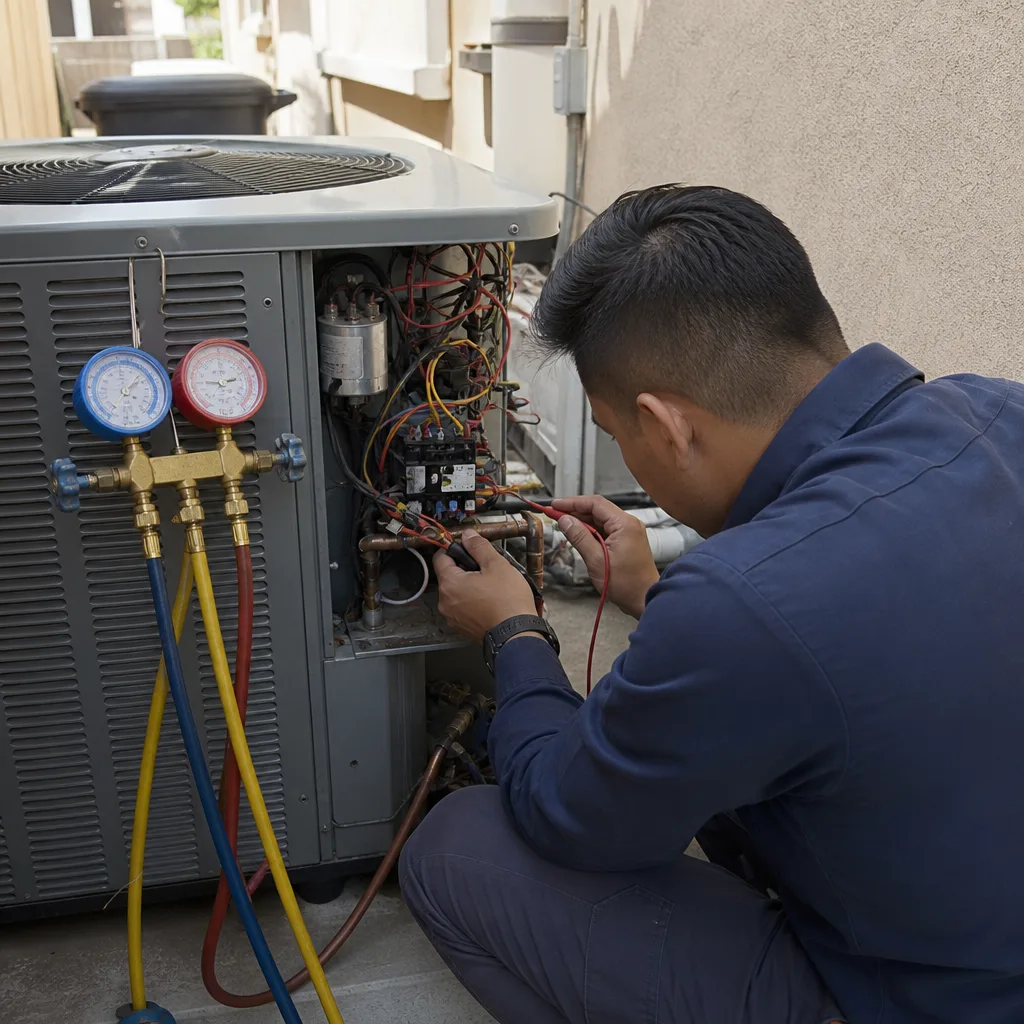
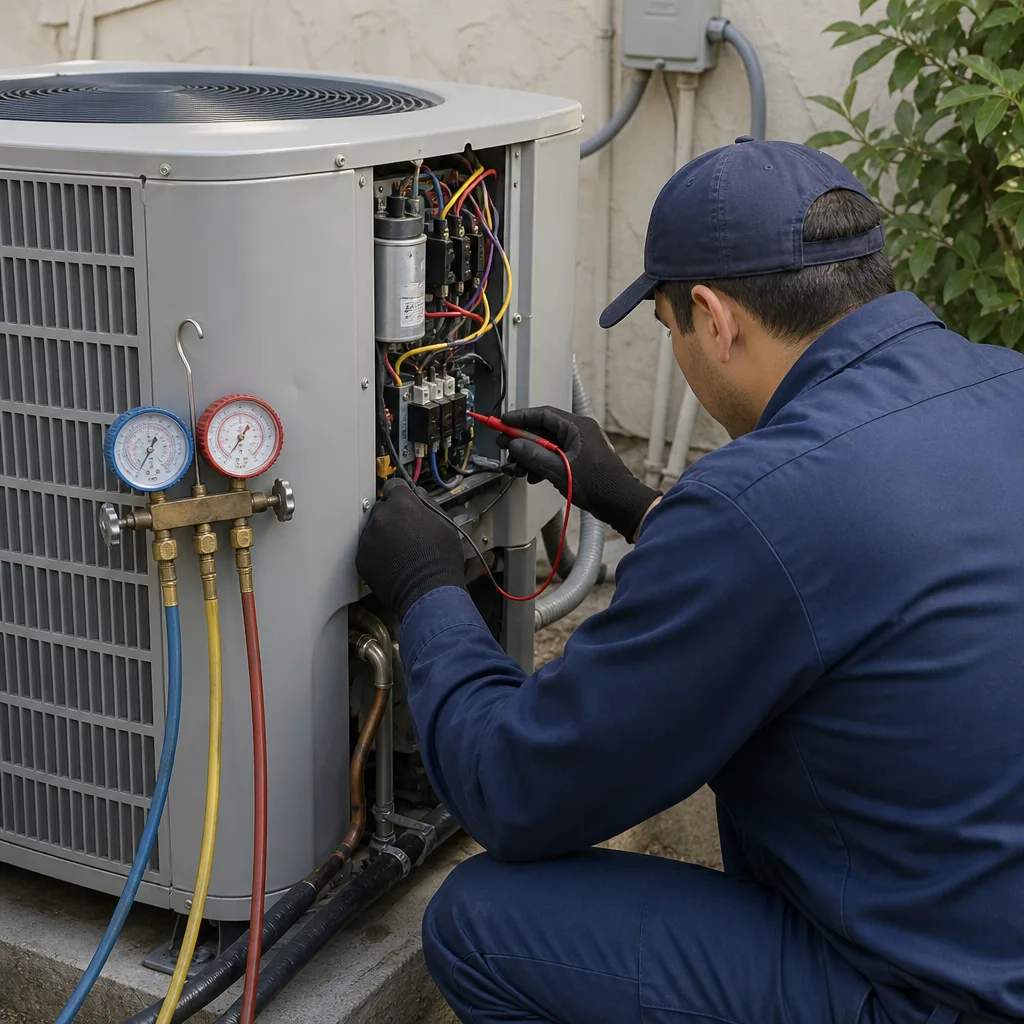
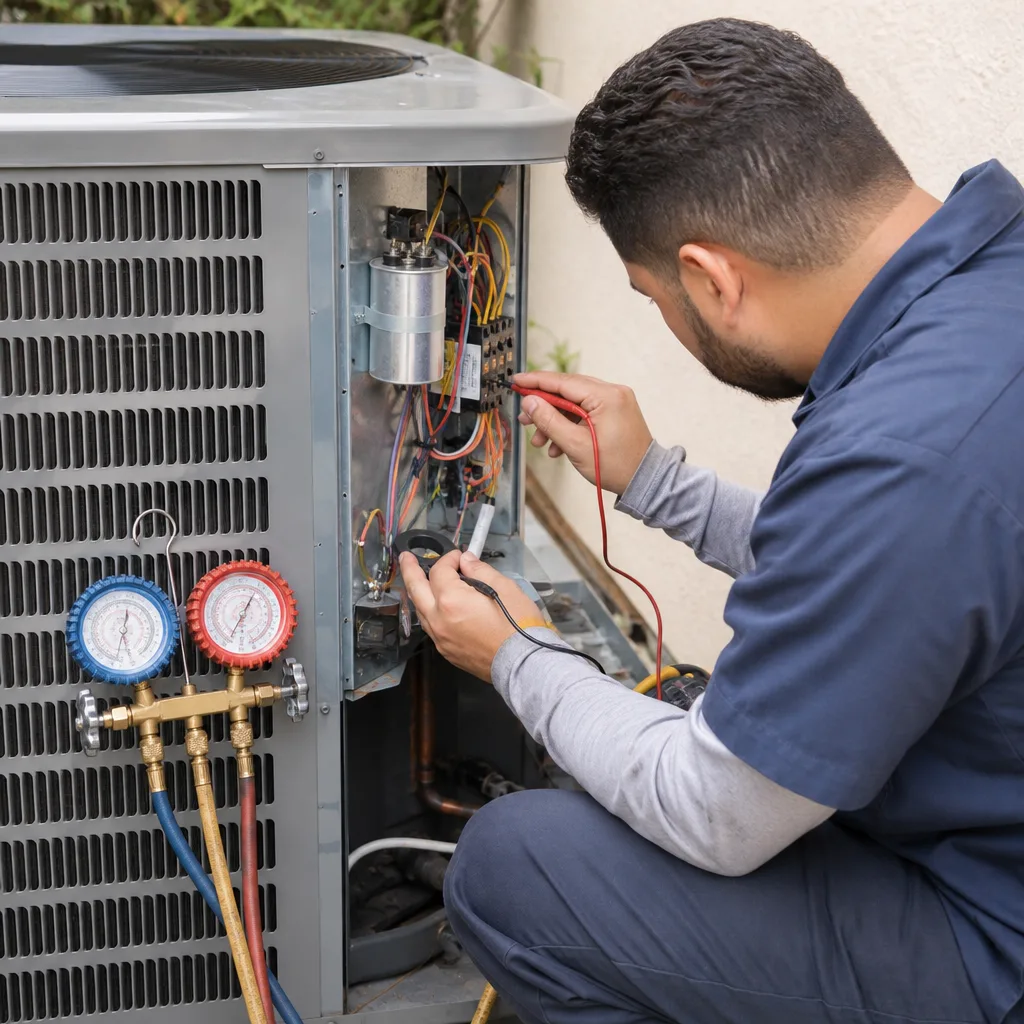
Seasonal tune-up and full diagnostic on your Carrier, Trane, or Goodman system - readings shown to you before any repair is proposed
Diagnosis first, numbers second - you approve the repair price before a single part goes in.
 Before
 After
After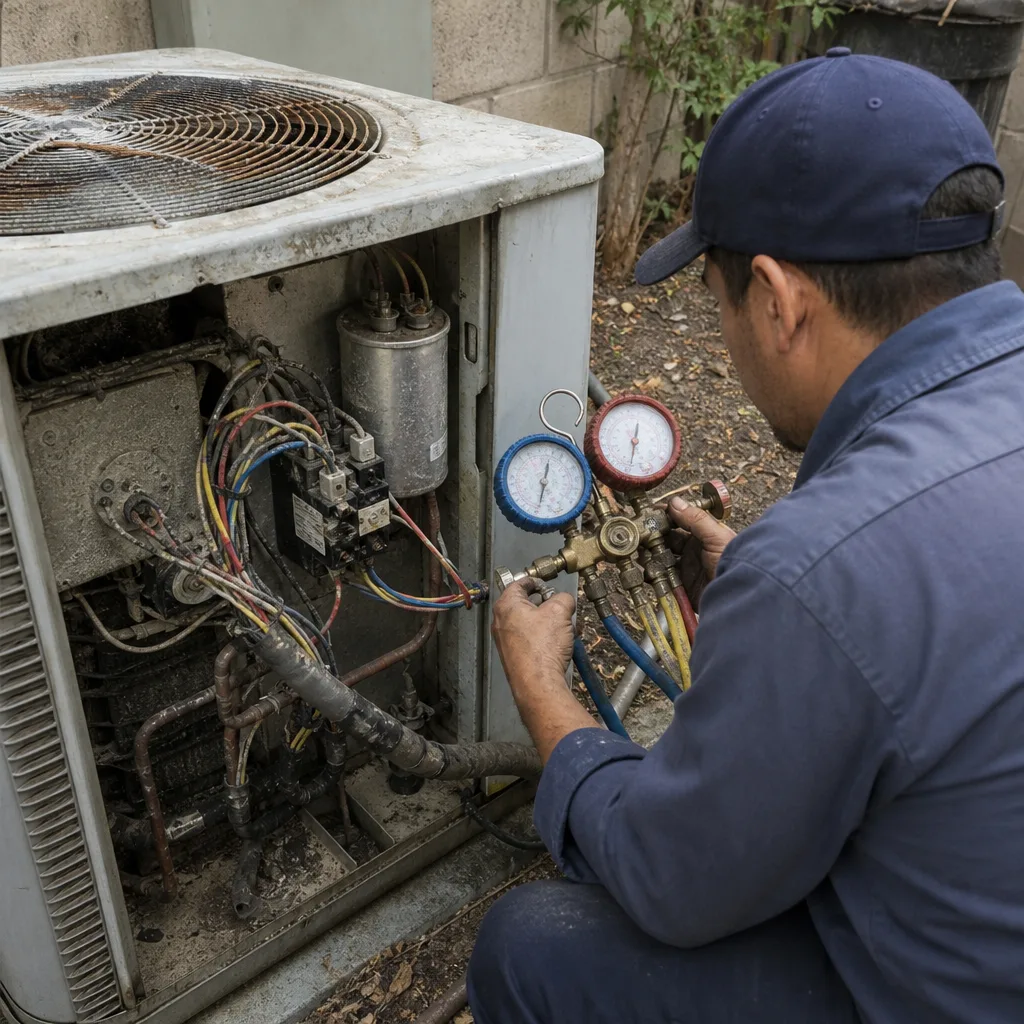 Before
 After
After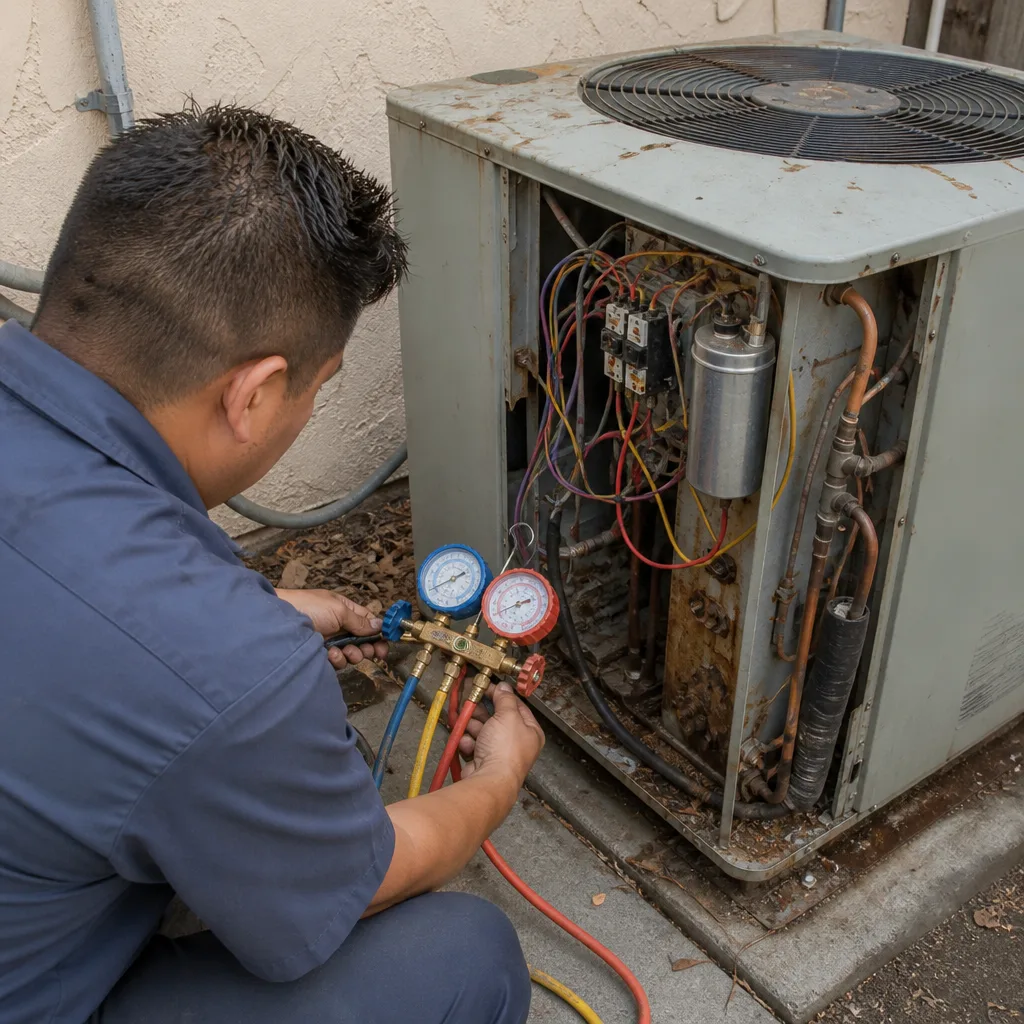 Before
 After
AfterFurnace Repair Maintenance Schedule: What to Do and When
The worst time to discover your furnace filter is clogged is the first cold night of November, but that’s exactly when most Los Angeles homeowners find out, because they skipped the September check that would have caught it. LA furnaces sit idle for eight months of the year, and that long dormancy is harder on a heating system than daily winter use in Minnesota. Dust settles into burners, spiders build nests in vent piping, capacitors lose their charge, and belts stiffen. This guide is built around the Los Angeles heating calendar, not a national template, because a furnace in Silver Lake faces different risks than one in Minneapolis. You’ll learn exactly what to do each month, which tasks you can handle safely, and which jobs need a combustion analyzer and a trained eye.
Quick Answer
In Los Angeles, the furnace maintenance schedule that actually prevents breakdowns is: replace or clean the air filter every 90 days year-round, perform a homeowner pre-season check every September before first use, and schedule a professional furnace tune-up every October or November before the heating season peaks. The tasks that matter most are the September filter replacement, thermostat test, vent obstruction check, and a professional heat exchanger inspection with combustion analysis. Do the September checklist yourself, have a licensed tech do the October tune-up, and your furnace will start on the first cold morning instead of leaving you in a cold house waiting for Furnace Repair services.
Table of Contents
- Why Timing Matters More Than Frequency in Los Angeles
- Month-by-Month Furnace Maintenance Calendar for Los Angeles
- The September Pre-Season Checklist: What to Inspect Before First Use
- DIY vs. Professional: Which Furnace Maintenance Tasks Are Safe for Homeowners
- What a Professional Furnace Tune-Up Actually Includes
- Heat Exchanger Inspection: The One Component That Matters Most
- How to Document Maintenance for Warranty Coverage
- Common Mistakes to Avoid
- When to Call a Professional
- Frequently Asked Questions
- The Bottom Line
Why Timing Matters More Than Frequency in Los Angeles
National maintenance guides tell you to check your furnace every month. That advice makes sense in Chicago or Boston, where a furnace runs for five months straight and a mid-season failure can freeze pipes. In Los Angeles, the heating season is short, inconsistent, and interrupted. A furnace might run for three hours on a January morning, then sit unused for three weeks while Santa Ana winds push daytime temperatures into the low 80s. That stop-start pattern means failures cluster in specific windows: the first cold snap after a long idle period, and the first time the system runs hard after months of light use.
Here’s what we’ve seen across Los Angeles furnace service calls: the majority of no-heat emergencies in November and December trace back to problems that existed in September and went undetected. A clogged filter that was already bad in month six of its life. A corroded flame sensor that would have been caught by a five-minute inspection. A condensate drain packed with dust and debris from a long spring and summer. The furnace wasn’t fine for eight months and then suddenly failed. It degraded quietly, and the first cold night exposed it.
So the Los Angeles maintenance philosophy is different from the national one. You don’t need monthly furnace attention. You need two focused interventions: a homeowner pre-season check in September, before the first heating cycle, and a professional tune-up in October or early November, before the furnace is asked to do real work. Between those touchpoints, the main ongoing task is filter replacement every 90 days, which is more about year-round air quality than seasonal heating performance. A furnace in a house with pets or near a busy street may need filter changes every 60 days. More on that below.
Month-by-Month Furnace Maintenance Calendar for Los Angeles
Here’s the full Los Angeles furnace maintenance calendar, anchored to the local heating season. This is the schedule we recommend to homeowners across LA County, from the Westside to the San Gabriel Valley, where marine layer moisture and valley heat create different dust and humidity profiles.
September: Pre-Season Homeowner Check. Replace the filter, test the thermostat in heat mode, clear any obstruction around vents and registers, check the area around the furnace for clutter or stored chemicals, and listen for any unusual sounds during the first test run. This is the month that catches most of what would otherwise become a November emergency. In coastal neighborhoods like Santa Monica and Playa del Rey, this is also the month to check for rust or corrosion on the furnace cabinet, because salt air accelerates metal degradation even when the system is idle.
October: Professional Tune-Up. Book a licensed technician to do a full inspection and tune-up before the heating season begins in earnest. This is the single highest-leverage maintenance action of the year. A proper tune-up includes heat exchanger inspection, burner cleaning, flame sensor cleaning, electrical connection tightening, and a combustion analysis. In Los Angeles, October is the ideal month because temperatures are still mild, which means furnace failures don’t yet carry the urgency of a cold night.
November: Monitoring During First Real Use. As temperatures drop and the furnace runs overnight for the first time, pay attention to how it starts, how long it runs, and whether any rooms are significantly warmer or cooler than others. Check the filter with a flashlight if it’s been running consistently for three weeks or more. November is when missed September issues surface.
December through February: Filter Checks Every 30 Days During Peak Use. During the coldest stretch of the LA winter, check the filter monthly instead of quarterly. The furnace is running more, pulling more air through the return, and the filter loads faster. A filter that was acceptable in October may be restricting airflow by January.
March: Post-Season Evaluation. As the heating season winds down, note any noises, smells, or performance issues you observed during the winter. Most homeowners forget these by the following September. Write them down. If the furnace short-cycled in January or made a rattling noise during startup in December, that’s information the technician needs in October.
April through August: Hardly Anything, and That’s the Point. The furnace is off. But this is also the period when dust accumulates, spiders find their way into vent piping, and capacitors slowly lose their charge in the heat. The single most useful thing you can do during these months is change the air filter every 90 days anyway. The furnace may not run, but your central air system is likely pulling air through the same return, and a loaded filter makes the AC work harder too.
The September Pre-Season Checklist: What to Inspect Before First Use
The September pre-season check is the most important homeowner maintenance task of the entire year in Los Angeles. It takes about 30 minutes and requires no special tools. Here’s the step-by-step process, in order.
- Replace the air filter. This is the first step because a clean filter protects everything downstream. Use the filter size listed on the existing filter frame. For most Los Angeles homes with a 1-inch filter rack, a basic pleated MERV 8 filter is right. Higher MERV ratings restrict airflow in most residential furnaces. If you have a 4-inch media cabinet, a MERV 11 or 13 is typically fine. Date a new filter with a permanent marker and set a calendar reminder for 90 days.
- Check the area around the furnace. Clear away anything stored within three feet of the unit. Paint cans, cardboard boxes, cleaning supplies, paper goods. The furnace cabinet needs clear airflow, and combustible materials near a gas furnace are a fire hazard.
- Remove and check the vent registers. Walk the house and remove each supply and return register. Use a vacuum with a brush attachment to remove dust buildup from the register face and the visible duct opening. Look for signs of rodent activity or debris blockage. In older LA homes, especially in neighborhoods with mature trees, dried leaves and dust can pack surprisingly far into duct runs.
- Test the thermostat in heat mode. Set the thermostat 5 degrees above the current room temperature and select heat mode. The furnace should respond within 30 to 60 seconds. Listen for the sequence: blower motor starts, gas valve opens, burner ignites, blower distributes warm air. Any grinding, squealing, banging, or a burner that fails to stay lit is a sign to call a professional.
- Run the system for 5 minutes and smell for burning dust. The first run of the season smells like burning dust. That’s normal and should dissipate within a few minutes. If the smell persists, or if you detect a gas or chemical odor, shut the furnace off at the thermostat and call a professional. Natural gas smells like rotten eggs. A sweet or sharp chemical odor that persists after the fan runs is a sign of a cracked heat exchanger, and that requires immediate attention.
- Check the carbon monoxide detector. Every home with a gas furnace needs a functioning carbon monoxide detector within 15 feet of each sleeping area. Test the detector and replace the batteries in September. A furnace that runs all winter in a closed-up house is the highest-risk period for CO exposure.
These six steps catch most of what goes wrong between April and November. In our experience, the September filter replacement alone prevents a meaningful share of the no-heat calls we get in Los Angeles every year. A filter clogged with eight months of accumulated dust can restrict airflow enough to trigger the furnace’s high-limit safety switch, which shuts the system down exactly when you need it most.
DIY vs. Professional: Which Furnace Maintenance Tasks Are Safe for Homeowners
Here’s the honest breakdown of what you can safely do yourself and what belongs in the hands of a licensed technician. We’re protective about this because we’ve seen what happens when well-meaning homeowners open a furnace cabinet and start probing around. A gas furnace contains live electrical components, a gas valve, and a burner assembly. It is not a forgiving machine.
Safe for homeowners:
- Replacing the air filter
- Checking and cleaning vent registers and visible duct openings
- Testing the thermostat in heat mode
- Clearing clutter from around the furnace cabinet
- Testing carbon monoxide detectors
- Visually inspecting the outside of the furnace cabinet for rust, corrosion, or signs of water damage
Leave to a licensed technician:
- Any work that requires removing the furnace cabinet access panel
- Cleaning the burner assembly or flame sensor
- Inspecting the heat exchanger for cracks or corrosion
- Testing gas pressure or adjusting the gas valve
- Any wiring or electrical connection work
- Combustion analysis and carbon monoxide testing of the exhaust stream
Here’s the principle: anything that involves opening the furnace cabinet, touching the gas line, or working with electrical connections is technician territory. A gas leak is an immediate safety hazard. An incorrectly adjusted burner can produce carbon monoxide. A faulty electrical connection can cause a fire. The cost of a professional tune-up is modest compared to the cost of doing these jobs wrong, and several furnace warranty agreements are voided by unlicensed repair or modification.
One more thing about DIY furnace work in Los Angeles specifically: LA Department of Water and Power and Southern California Gas Company both have equipment clearance and venting requirements that vary by structure type. If you live in a hillside home, a mid-century flat roof, or an older Craftsman, your furnace venting may already be non-compliant with current codes and you won’t know it from a visual check. That’s another reason the professional inspection matters.
What a Professional Furnace Tune-Up Actually Includes
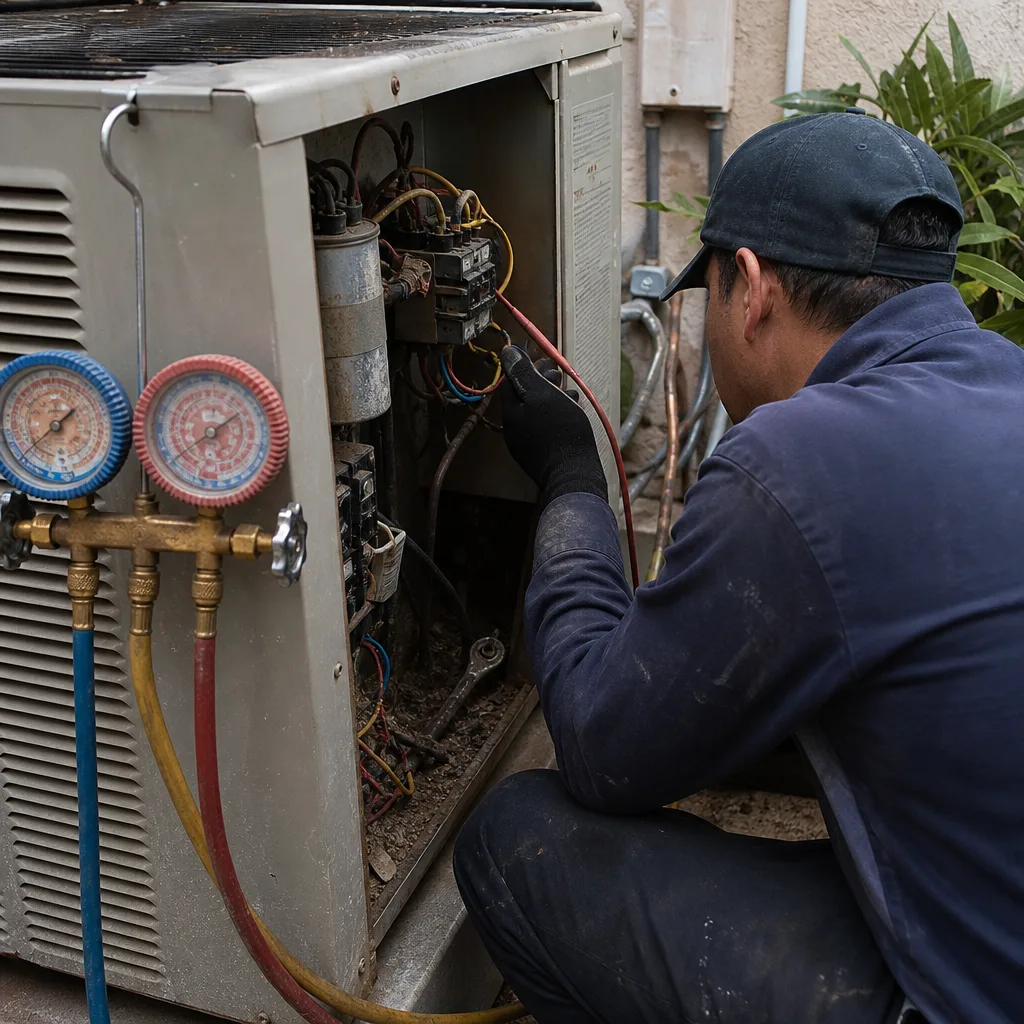
A legitimate furnace tune-up is not a filter change with a marketing name. It’s a 45 to 90 minute service performed by a licensed technician with specialized tools, and it includes at least the following components:
- Heat exchanger inspection. The technician inspects all accessible surfaces of the heat exchanger for cracks, rust, and corrosion, using a borescope camera where necessary.
- Burner cleaning and inspection. Burners are removed, cleaned, and inspected for irregular flame patterns. Uneven flame color or impingement indicates airflow or gas pressure problems.
- Flame sensor cleaning. The flame sensor is a metal rod that confirms the burner is lit. It develops a carbon coating over time, and a coated sensor tells the furnace the flame went out, causing short cycling or lockout. This is one of the most common causes of no-heat calls in Los Angeles.
- Combustion analysis. The technician uses a combustion analyzer to measure oxygen, carbon monoxide, and stack temperature in the exhaust stream. This is the definitive test for safe, efficient burner operation. No visual inspection can substitute for it.
- Electrical connection tightening. Vibration and thermal cycling loosen wiring connections over time. Loose connections cause voltage drops, which cause blower motor and control board failures.
- Capacitor testing. The blower motor capacitor and inducer motor capacitor are tested for microfarad rating. A capacitor operating below its rated value will fail, and in Los Angeles, long idle periods accelerate capacitor degradation.
- Condensate drain cleaning. High-efficiency condensing furnaces produce water during operation. The drain line must be clear, or the furnace will shut down on a safety float switch.
- Safety interlock verification. The technician confirms that all cabinet safety switches, pressure switches, and rollout switches are functioning. These are the devices that shut the furnace down in an unsafe condition.
A proper tune-up ends with a written report that lists each test performed, the result, and any recommended follow-up. If a technician completes a “tune-up” in 20 minutes without opening the furnace cabinet or running a combustion analysis, you received a filter change, not a tune-up.
For homeowners with Carrier, Trane, Lennox, Goodman, or other major-brand furnaces in Los Angeles, the tune-up process is similar across brands, but each manufacturer has specific inspection points and service intervals. The written report is your proof that maintenance occurred, which matters for warranty claims down the line.
Heat Exchanger Inspection: The One Component That Matters Most
If you take nothing else from this guide, take this: the heat exchanger is the most important safety component in your furnace, and its failure mode is invisible to the naked eye in early stages. The heat exchanger is the metal chamber that separates the burning gas from the air that circulates through your house. It gets hot, it cools down, it expands, it contracts, and over years of thermal cycling it can develop hairline cracks. Those cracks allow carbon monoxide, a colorless and odorless gas, to enter the airstream that reaches the rooms where your family sleeps.
During a professional tune-up, specific indicators tell a technician whether the heat exchanger is intact or failing:
- Flame behavior when the blower starts. If the burner flame flickers, dances, or changes direction when the blower motor kicks on, air from the blower is pushing through a crack in the heat exchanger. This is called flame disturbance and it is a classic indicator of heat exchanger failure.
- Carbon monoxide measurement in the supply airstream. A technician will measure CO in the air leaving the furnace registers. Any measurable CO in the heated air is a red flag, because a correctly functioning furnace keeps combustion gases and household air completely separate.
- Visual evidence of stress cracking or corrosion. In older furnaces, especially units 15 years or older, the heat exchanger may show visible cracks, rust flakes, or corrosion at seams and weld points. A borescope is often needed to see the interior surfaces.
- Burning dust smell that does not resolve. A brief dust smell on first start is normal. A persistent hot metal or chemical smell, or a smell that returns every time the furnace runs, can indicate that combustion byproducts are leaking into the airflow.
In Los Angeles, where a large share of the housing stock was built between 1950 and 1980, we still see many furnaces with original heat exchangers operating well past their intended service life. The mild climate means these furnaces run far fewer hours per year than units in cold-weather regions, so by calendar age they last longer. But the heat exchanger still degrades through thermal cycling and corrosion, and the risk profile is the same. A cracked heat exchanger is not repairable. It requires furnace replacement, and it should be addressed before the furnace is operated again.
This is the one inspection you should never skip, and never attempt to perform yourself without combustion testing equipment and training. Carbon monoxide is the specific hazard here, and it is invisible.
How to Document Maintenance for Warranty Coverage
Furnace manufacturers condition their warranty coverage on proof of routine maintenance. If a Trane or Lennox heat exchanger fails in year eight of a 20-year warranty, the manufacturer will ask for maintenance records before approving the claim. No records often means no coverage, and a heat exchanger replacement can cost more than a complete budget furnace.
Here’s what a maintenance record should include for every service visit:
- Date of service. The exact date the work was performed.
- Description of work. Each task performed, not just “tune-up.” Burner cleaned, flame sensor cleaned, combustion analysis performed, capacitor tested, drain cleared.
- Measurements taken. If the technician recorded gas pressure, temperature rise, CO readings, or capacitor microfarad values, those numbers belong in the record. They prove the tests actually happened and give you a baseline for future comparison.
- Parts replaced, if any. Include part numbers if available.
- Technician name and company. The person who performed the work should be identified.
- Current furnace model and serial number. This stays consistent across visits if the same furnace is in place.
Create a simple folder, paper or digital, and store every record. When the furnace is replaced, the new unit starts a new record. For warranty purposes, the record must be complete and legible, not perfect. A handwritten note that says “flame sensor cleaned, combustion analysis 12 ppm CO” dated October 14 is far more valuable than a vague invoice line that says “annual service.”
At Brandt HVAC, every tune-up and repair includes a written report that states exactly what was tested and what was found. That report is the customer’s to keep, and it’s written to satisfy manufacturer warranty documentation requirements. If a repair fails within the guarantee period, our 365-Day Done Right Promise covers a return visit at no charge, no argument and no additional fee. The written record protects the customer in that process too.
Common Mistakes to Avoid
- Skipping September and waiting until the furnace acts up in November. The first cold snap of the season is when HVAC companies in Los Angeles are busiest. Waiting until the furnace fails means waiting days for a repair appointment and paying emergency rates. The September check catches most of what fails in November.
- Using the wrong air filter. A 1-inch thick, high-MERV filter labeled “allergen defense” or “hospital grade” can restrict airflow enough to trigger the limit switch and shut down the furnace. Most residential systems in Los Angeles are fine with a MERV 8 to 11 filter, and the exact specification depends on your ductwork and blower.
- Never replacing the filter because the furnace “barely runs.” The filter loads with dust all year, not just during heating season. In homes with central AC, the same filter serves both systems, and a clogged filter in August makes the AC work harder too. Replace every 90 days regardless.
- Ignoring a burning dust smell that persists. A quick dust smell on the first start of the season is normal. A smell that lasts more than a few minutes, or returns every time the furnace fires, is not normal. It needs professional attention, because it can indicate a heat exchanger problem.
- Opening the furnace cabinet and attempting to clean the burners or flame sensor without training. The gas valve, burner assembly, and wiring are not homeowner territory. A gas leak or carbon monoxide leak is the price of getting this wrong. Call a licensed professional.
- Failing to replace carbon monoxide detector batteries. A furnace runs all winter while the house is closed up. The CO detector is the only thing standing between a cracked heat exchanger and a silent, invisible hazard. Test it and replace batteries in September.
- Skipping the professional tune-up because the furnace “seems fine.” The earliest stages of heat exchanger failure, venting problems, and gas pressure issues produce no obvious symptoms. That’s the entire point of combustion analysis and trained inspection. The tune-up finds what you can’t see.
When to Call a Professional
Most furnace maintenance tasks are scheduled and calm. But some conditions demand an immediate call. If you smell gas, shut off the furnace at the thermostat and leave the house, then call your gas utility’s emergency line and a licensed HVAC professional. If your carbon monoxide detector sounds and you have any headache, nausea, or dizziness, leave the house and call 911 first, then the gas company. A burner that won’t stay lit, a furnace that bangs or rumbles during startup, a blower that runs but never delivers warm air, or any water leaking from the furnace cabinet are all conditions that need a professional diagnosis. And if a visual inspection reveals rust, soot, or scorching around the burner area, the furnace should not run until it’s been inspected.
Brandt HVAC offers free estimates in Los Angeles. We return calls with a live person, 24 hours a day, 7 days a week. Call (984) 538-9003 and a real person will answer. No voicemail trees, no callback queues. Before any work starts, we provide a written price. Before any technician arrives, we send the technician’s name and photo so you know exactly who will be at your door.
Frequently Asked Questions
Replace your furnace filter every 90 days year-round, and every 30 days during peak heating use (December through February), especially if you have pets, live near a busy street, or have allergies.
Yes, for two reasons: the tune-up is how you catch heat exchanger cracks, gas pressure problems, and failing capacitors before they become no-heat emergencies, and manufacturer warranty coverage is usually conditioned on proof of annual maintenance. In Los Angeles, October is the ideal month for the annual tune-up.
Cleaning the flame sensor requires opening the furnace cabinet and working near the burner assembly and electrical components. That’s technician territory. A licensed professional can do this job in minutes during a routine tune-up, and the task is included in the inspection.
A professional furnace tune-up in Los Angeles typically ranges from $89 to $199, depending on the furnace type, age, and condition. A tune-up that includes combustion analysis tends to be at the higher end of that range. Call (984) 538-9003 for an exact quote.
Because Los Angeles furnaces run far fewer hours per year than furnaces in cold-weather climates, they often last 20 to 30 years by calendar age. But the heat exchanger still degrades through thermal cycling, and the furnace should be replaced when the heat exchanger fails, regardless of age.
Replace the air filter every 90 days. It’s the simplest task, it costs $10 to $30 per filter, and it prevents a surprising share of furnace failures. After the filter, the next highest-leverage DIY action is the September pre-season checklist above.
The Bottom Line
In Los Angeles, furnace maintenance is a timing problem, not a frequency problem. Do the September pre-season check yourself: new filter, thermostat test, vent obstruction check, carbon monoxide detector batteries. Schedule a professional tune-up in October: heat exchanger inspection, burner cleaning, combustion analysis, capacitor test, written report. Replace the filter every 90 days year-round. Document every service visit for warranty protection. Skip any of these steps, and the first cold night in November will tell you exactly which one. Follow all of them, and you’ll have a furnace that starts when you ask it to and runs safely for the entire LA heating season. For more guides & resources, visit our blog.
Need a tune-up before the cold arrives? Call (984) 538-9003 for a free estimate. A live person answers, 24/7, and you’ll get a written price before any work begins. If you’re also planning ahead for the warm months, start with our Brandt HVAC home page to see everything we handle, from AC Repair in Los Angeles to Furnace Repair in Los Angeles and AC Maintenance in Los Angeles.
Written by Devin Marlowe, Owner at Brandt HVAC, serving Los Angeles since 2003.